FAQs
Frequently Asked Questions
It’s not a massage, physio or even a pilates class. It’s someone else doing the hard work for you, lengthening the muscles you use all day.
What to Expect for your first session
-
We recommend a 50 or 80 minute session for your first appointment. This is so our Stretch Therapist can understand your needs and goals for the session and spend extra time and care on both local and global muscle groups.
-
Drink plenty of water beforehand, as this can help your muscles respond better to stretching. Also ensure you wear comfortable, stretchy clothing that allows you to move freely, and aim to arrive 5-10 minutes early so you can settle in and start your session relaxed.
-
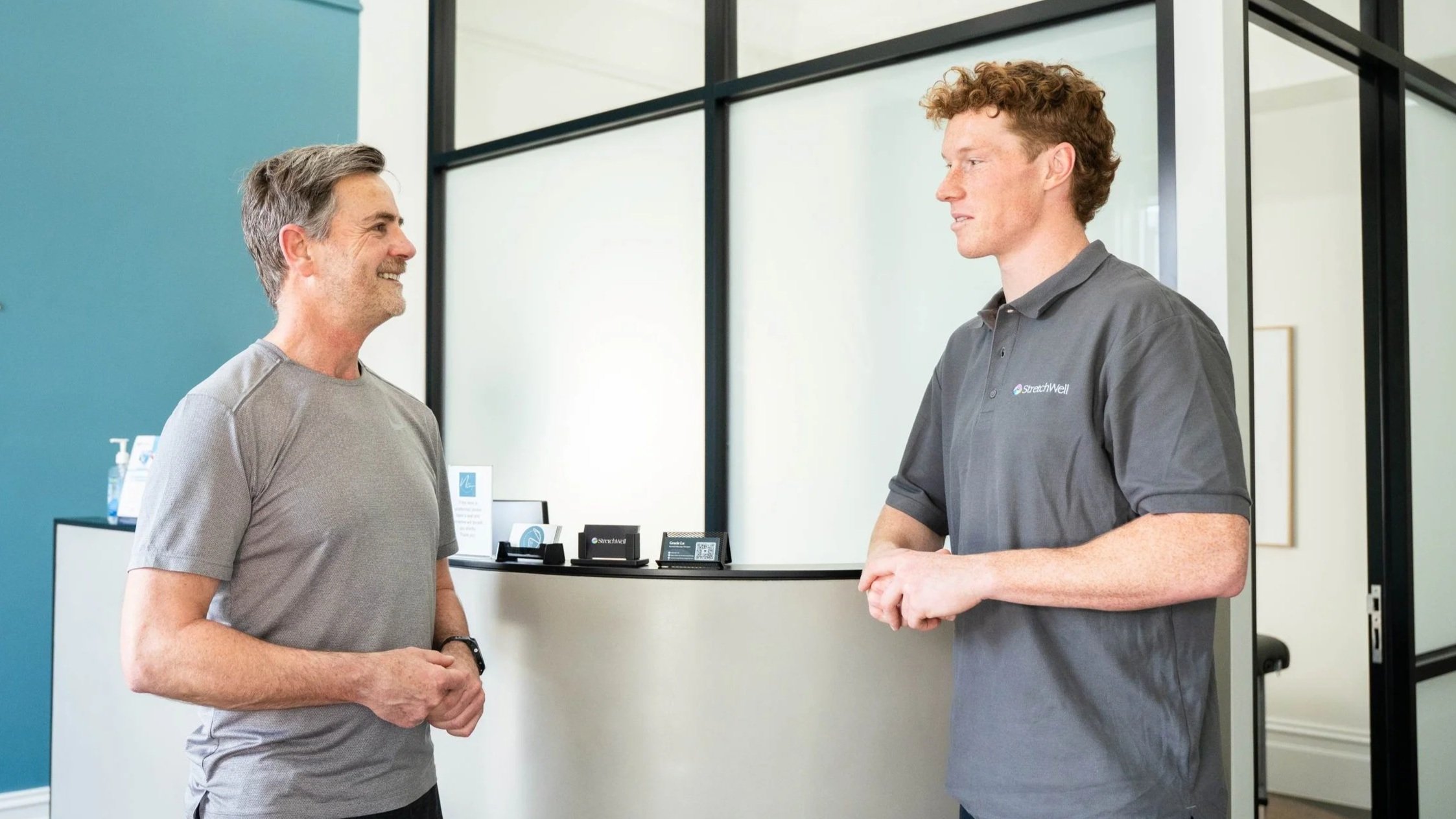
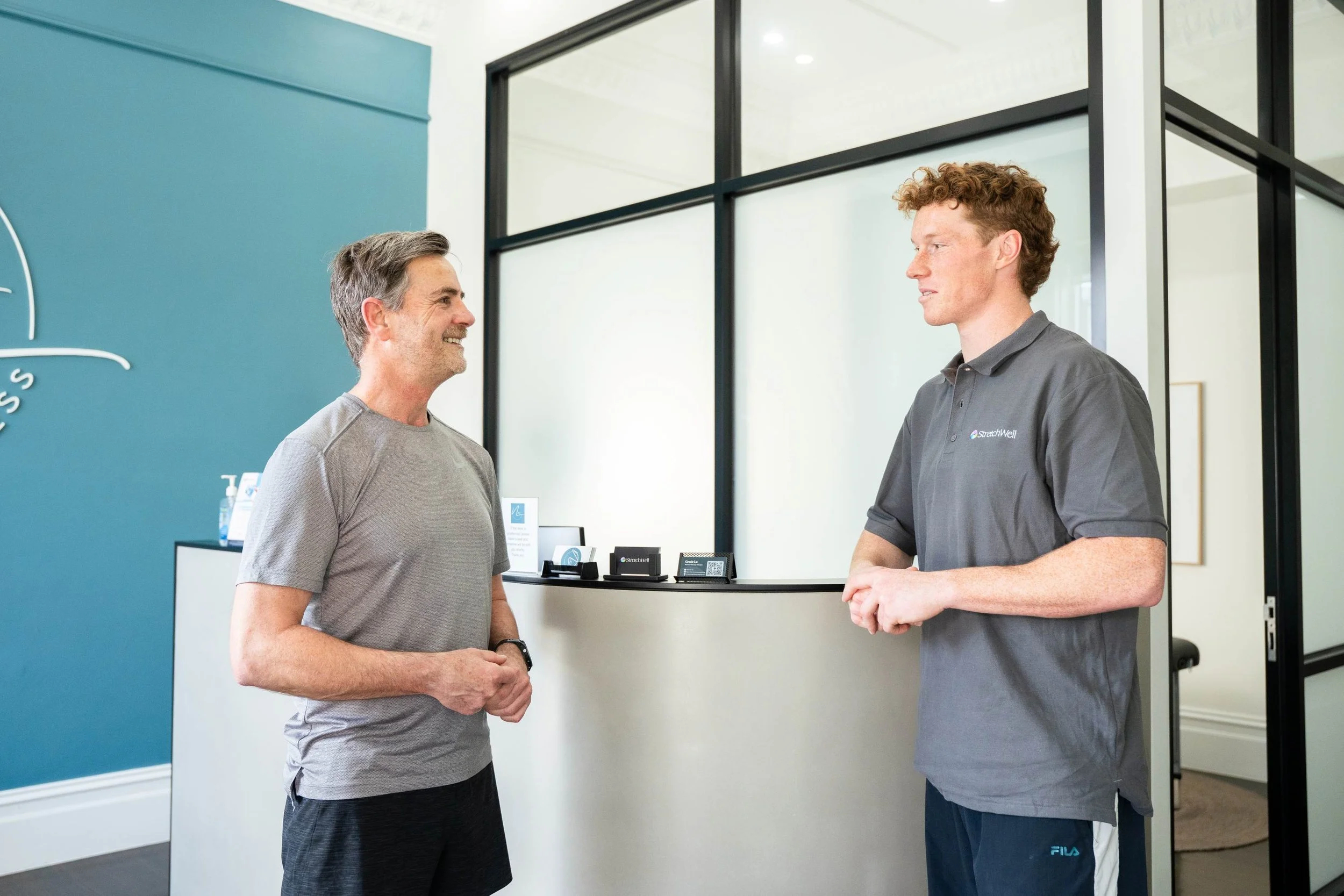
Your session will begin with a quick review of your intake form and a conversation about your goals. Your therapist will assess your current mobility, identify any areas of tightness or discomfort, and tailor the session to suit your body and your goals.
-
Safety and comfort are our top priorities. During your session, we aim for a level of intensity that feels effective but still comfortable. You may feel deep tension as tight muscles are lengthened, but it should feel like a satisfying release rather than pain. Your therapist will check in with you throughout the session, and you’re always encouraged to communicate so the pressure feels right for you.
-
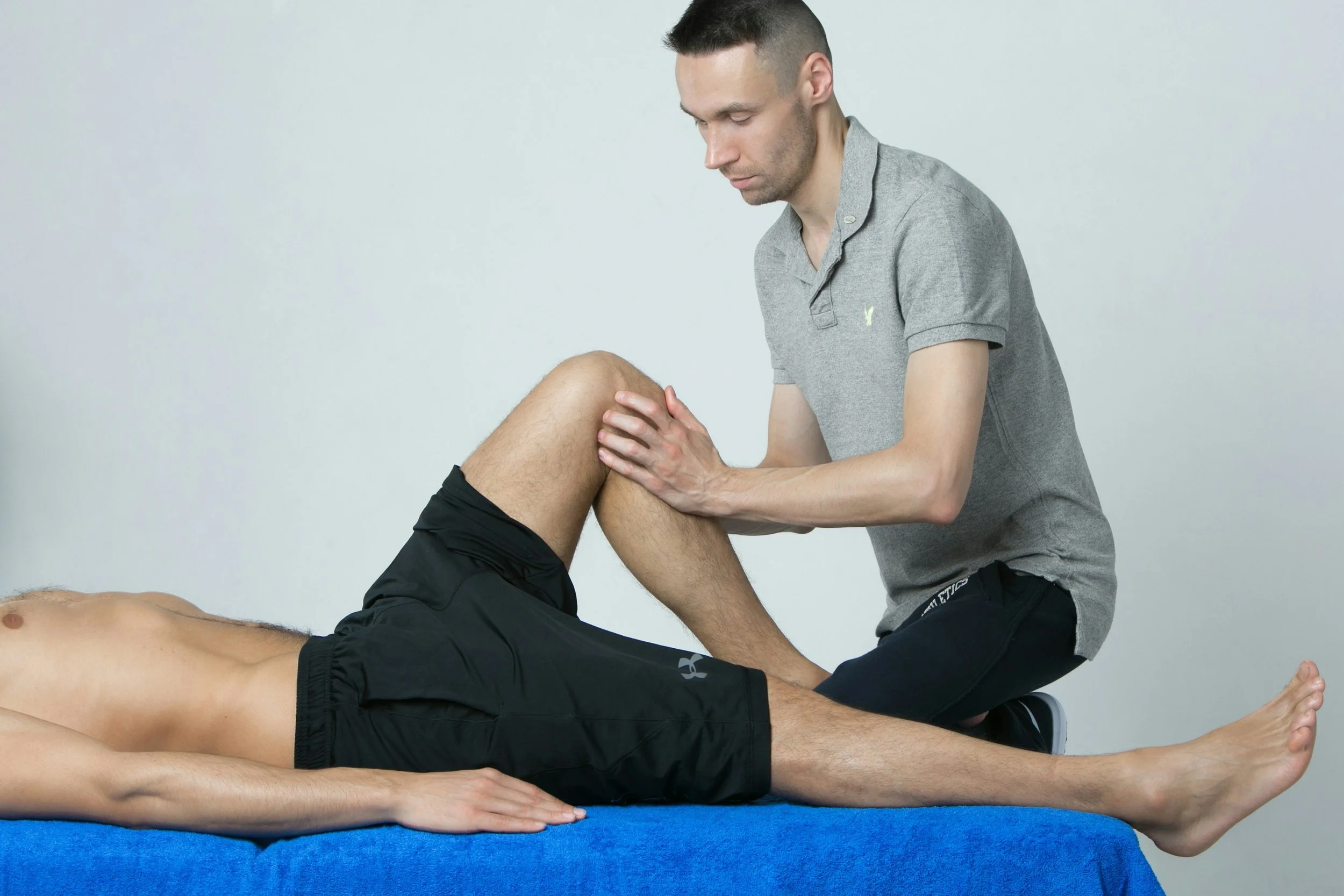
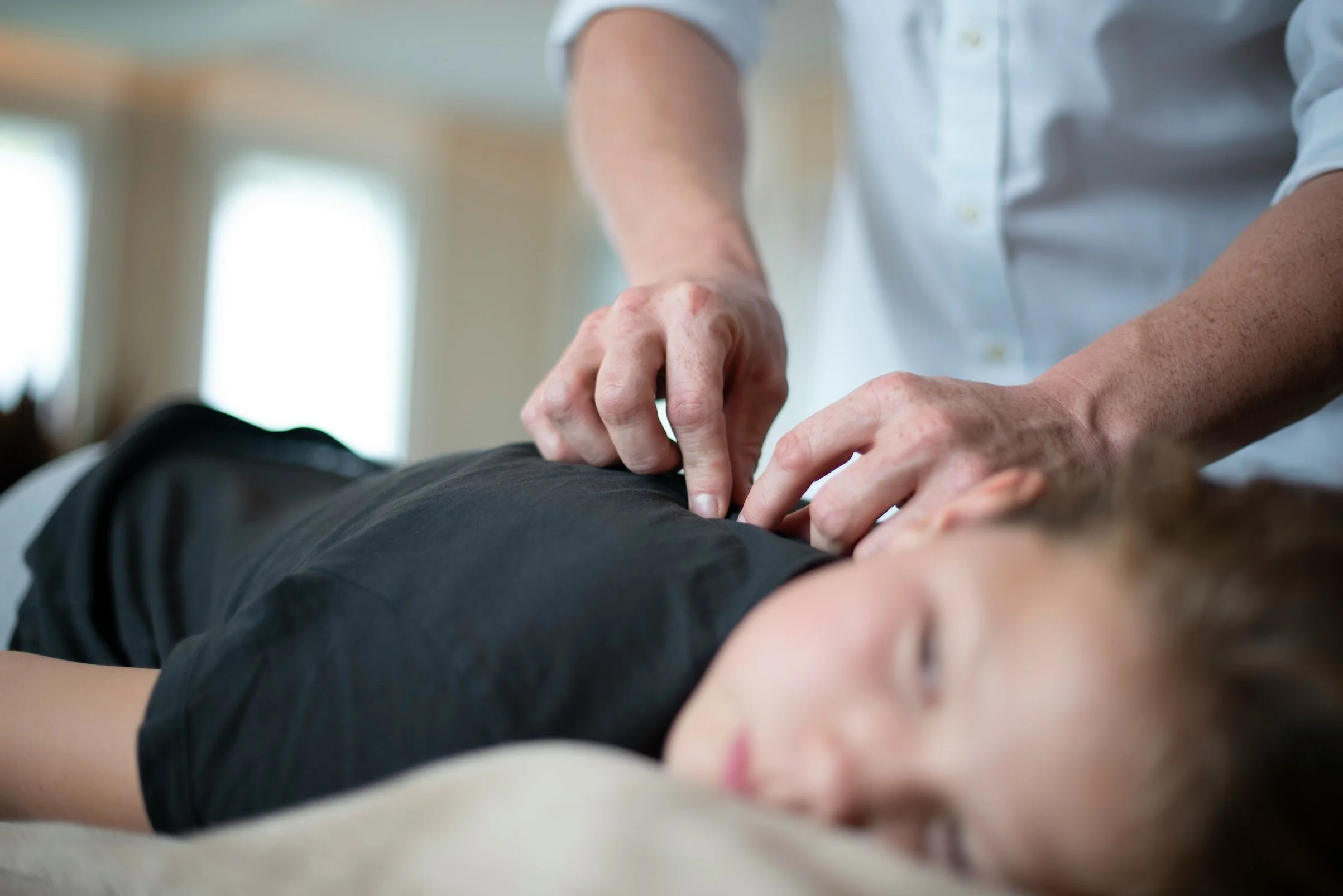
During your session, you’ll lie comfortably on a treatment table while your therapist guides you through a series of assisted stretches tailored to your body. They’ll gently move you into each position, applying controlled pressure to help release tension and improve mobility. You’ll be encouraged to relax and breathe throughout, while your therapist checks in to ensure everything feels comfortable.
-
After your session, we recommend drinking plenty of water to help support your muscles and recovery. Try to take it easy for the rest of the day and notice how your body feels — many people feel looser and more mobile straight away. Gentle movement like walking can help maintain the benefits, and regular stretch sessions will support longer-term improvements in flexibility and mobility.
Bookings, Policies & Pricing
Got questions? We’ve answered a few of the most common ones here.
-
We offer three session options:
Targeted Stretch — 25 min, $75. Focused on either your upper or lower body, ideal for specific problem areas like tight hips, hamstrings, shoulders, or back tension.
Full Body Stretch — 50 min, $135. A complete head-to-toe session covering every major muscle group, great for general maintenance, training recovery, or full-body tightness.
Ultimate Full Body Stretch — 80 min, $195. Our most advanced recovery session, combining a full-body assisted stretch with Theragun percussion therapy for deeper release — ideal for athletes or anyone needing intensive recovery.
-
We require a minimum of 24 hours' notice for any cancellation or rescheduling. Cancellations or changes made with less than 24 hours' notice may incur a fee of up to 100% of the appointment cost.
Learn more about our Cancellation Policy via our Terms & Conditions
-
A missed appointment without notice ("no-show") will be charged the full scheduled service fee.
-
We'll always do our best to fit you in, but a late arrival may mean a shortened session to avoid delays for other clients — the full session fee will still apply, so it's best to arrive on time where possible.
-
We accept all major credit card providers and will take payment after your session.
-
Yes — gift cards are available. Get in touch with us directly and we'll sort one out for you.
-
At this stage, we're not able to offer private health fund rebates for assisted stretching sessions. No referral is needed to book a session with us.
General Studio Questions
Got more questions? Contact us directly for your more specific questions by phone or email and we’ll get back to you within 24 hours.
-
We're located inside Northcote Health & Wellness at 108 High St, Northcote VIC 3070.
-
We're currently taking bookings Wednesday and Friday, 9am–7pm.
-
Comfortable, stretchy clothing such as activewear or gym clothes. This allows your therapist to move your body easily and helps you relax fully into each stretch.
-
No referral is needed to book. It's designed to be an accessible, effective way to support your body and movement.
-
For safety reasons, we may not be able to provide assisted stretching to individuals who are currently pregnant, have undergone major surgery within the past 12 months, don't have medical clearance to resume normal physical activity, have existing muscular injuries or tears, have been diagnosed with deep vein thrombosis (DVT), are under 18, or are severely hypermobile. Please contact us if you have questions about whether assisted stretching is suitable for you.
-
This depends on your goals, but many clients benefit from sessions once a week or fortnight. Regular sessions help maintain flexibility, reduce tension, and support long-term improvements in how your body feels and moves.
-
At this stage, we're not able to offer private health fund rebates for assisted stretching sessions. No referral is needed to book a session with us.
Where to find us
We’re part of Northcote Health & Wellness which is located in Westgarth Village at 108 High Street, Northcote, VIC, 3070
Getting here
Public Transport
Catch the 86 tram heading north from the CBD, or south from Preston/Bundoora and get off at Westgarth St/High St.
Catch the Hurstbridge line north from the CBD, or south from Hurstbridge/Eltham and get off at Westgarth Station.
Catch the 506 bus from Moonee Ponds via Brunswick and get off at the last stop in Westgarth.
Catch the 250 or 251 bus from the city heading north or LaTrobe Uni/Northland heading south and get off at High st/Westgarth St.
Parking
1-Hour on-street parking is available right outside on High Street, or plenty of unlimited spaces north towards the hill.
Be careful of the clearway on the Eastern side of High St (heading towards the city) from 7am-9am and on the Western side of High St (heading away from the city) between 4.30–6pm.
Side streets also offer ample parking, such as Candy Street or Union Street.
Related Blog Posts