What is Assisted Stretching? The Science, Benefits and How It Helps You Move Better
What Is Assisted Stretching?
Most people know they should stretch more, but many struggle to make meaningful improvements in flexibility and mobility through stretching alone.
You might stretch your hamstrings after exercise, try to loosen tight hips after sitting at your desk all day, or follow online mobility routines, yet still feel restricted. This is because flexibility isn't only about how much you stretch—it is also about how your nervous system responds to movement.
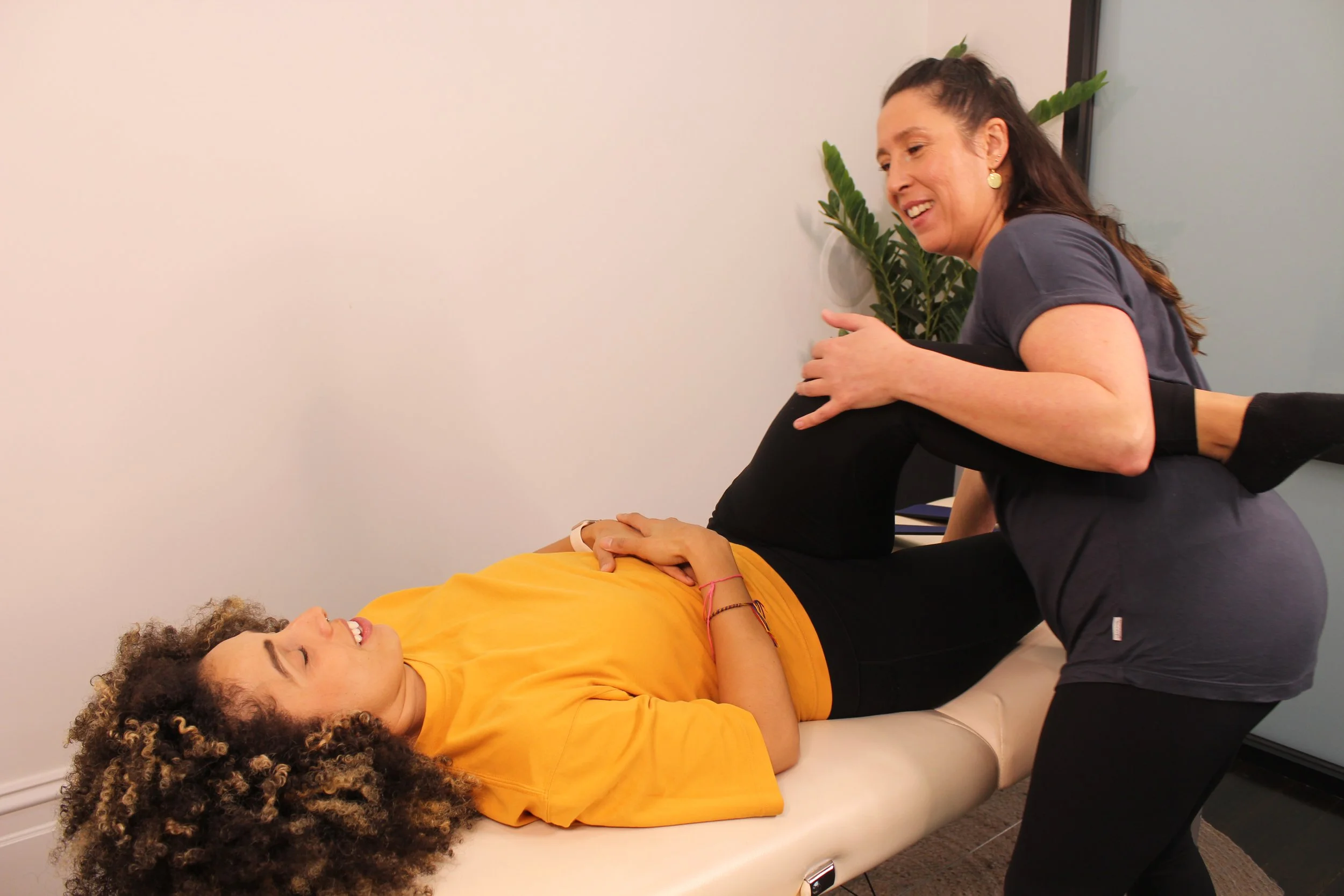
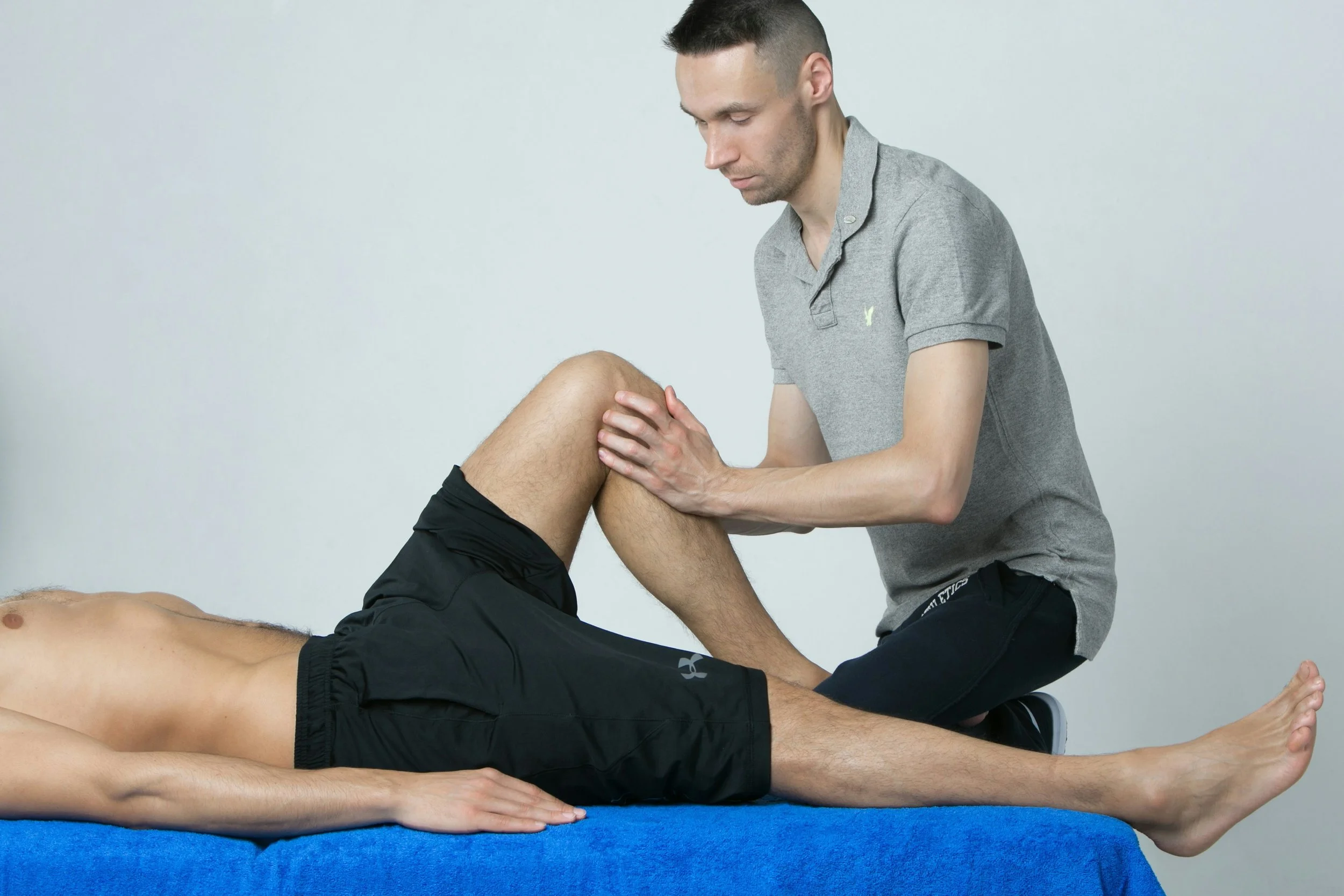
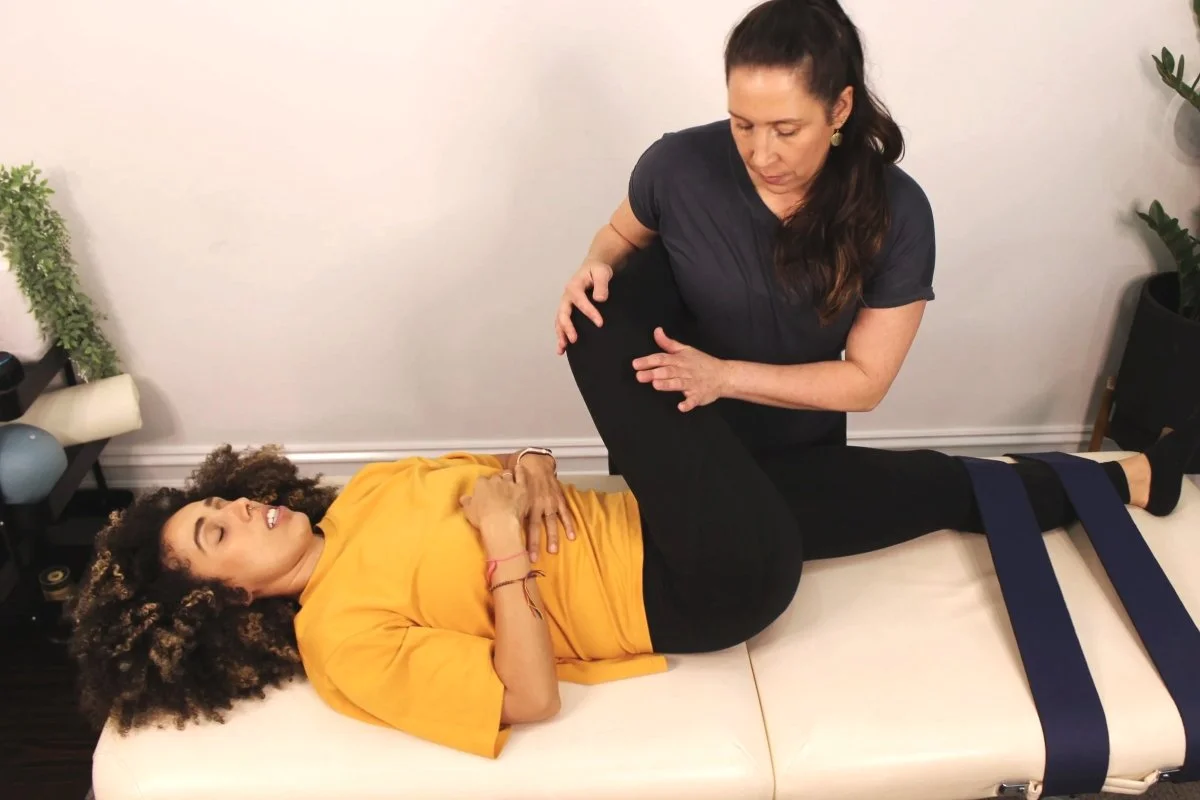
Assisted stretching is a personalised, hands-on stretching method where a trained stretch therapist guides your body through controlled movements while you remain relaxed.
By supporting your body, improving positioning, and using specialised techniques such as Proprioceptive Neuromuscular Facilitation (PNF) stretching, an assisted stretching therapist can help you safely access a greater range of motion than you may be able to achieve on your own.
At StretchWell, our assisted stretching sessions in Melbourne are designed around your individual goals, whether that is improving flexibility, reducing stiffness, supporting athletic performance, or simply helping you move more comfortably.
How Does Assisted Stretching Work?
Assisted stretching works by combining anatomy, movement science and nervous system principles.
When you stretch yourself, you are limited not only by your flexibility but also by your body's natural protective mechanisms.
Your nervous system is constantly monitoring movement through receptors located in your muscles, tendons and joints. These receptors provide information to your brain about position, tension and whether a movement feels safe.
If your brain senses that a stretch is approaching a limit it considers unsafe, it creates a protective response by increasing muscle activity. This can make the muscle feel tight and prevent you from moving further.
This is why many people experience the same limitation when stretching on their own: they reach a point where their body naturally resists going further.
During an assisted stretching session, your therapist helps your body feel safe within the movement.
By using slow, controlled movements, correct positioning, breathing techniques and gradual progression, your therapist can help reduce unnecessary protective tension and allow your muscles to relax.
This is one of the main reasons people often find they can achieve a deeper stretch with a therapist than they can alone.
Why Can a Therapist Stretch You Further Than You Can Yourself?
A common question we hear is:
"Why can my therapist stretch me further than I can stretch myself?"
The answer comes down to several factors.
Your muscles can relax more fully
When you stretch yourself, your body has to create and control the movement. You are actively holding positions, stabilising joints and often using other muscles for support.
During assisted stretching, you can relax because your therapist takes responsibility for controlling the movement.
This allows your muscles to become less guarded and more receptive to stretching.
Your nervous system feels more comfortable
Your flexibility is influenced by your nervous system's perception of safety.
If you force a stretch aggressively, your body may respond by increasing muscle tension as a protective mechanism.
A skilled therapist gradually introduces movement, allowing your nervous system to adapt instead of triggering resistance.
The goal is not to force your body further. The goal is to help your body allow more movement.
Better positioning creates better results
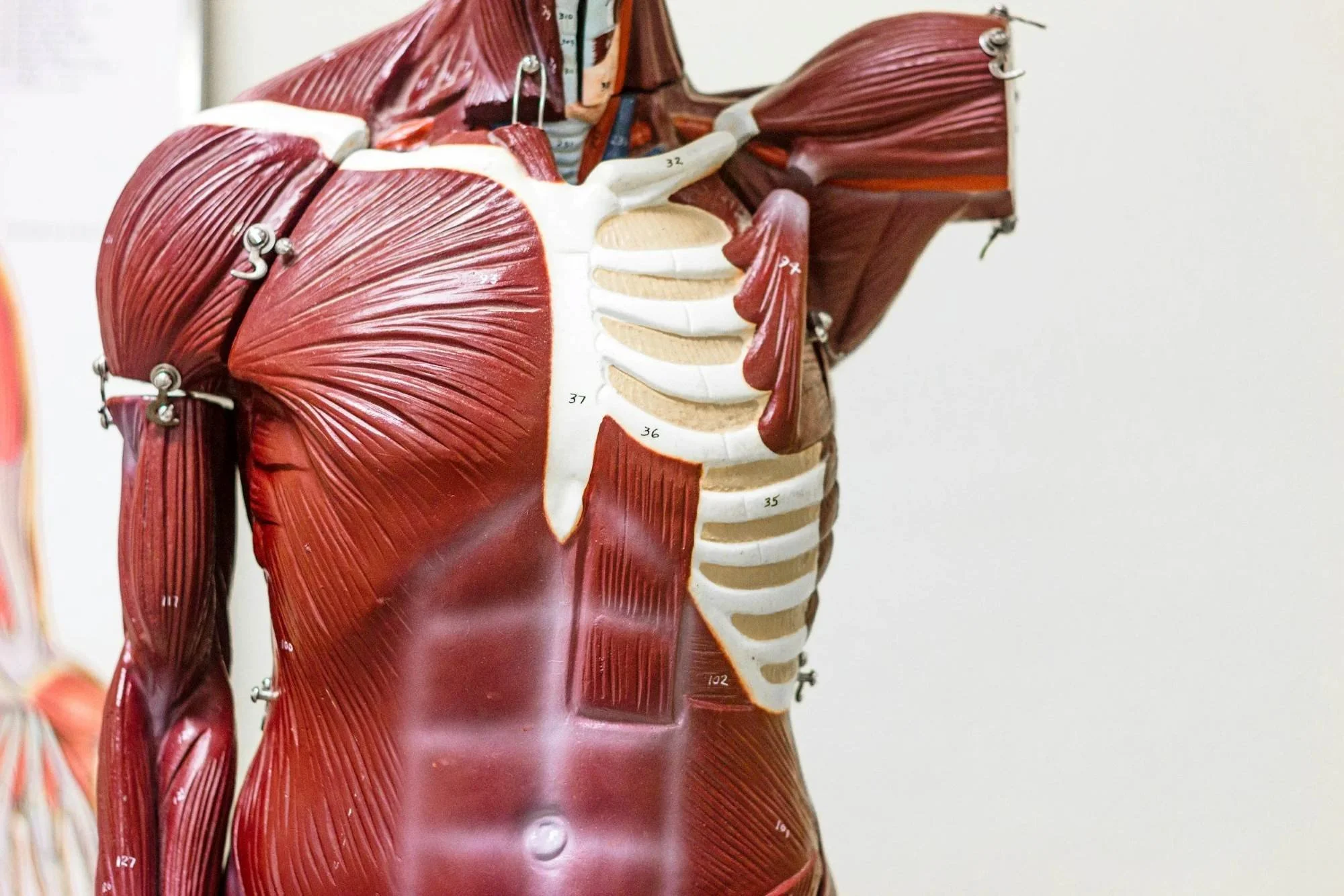
Small changes in body position can completely change which muscles are being targeted.
A therapist understands anatomy and movement patterns, allowing them to position your body more accurately and isolate specific areas that may be restricted.
This is particularly helpful for areas such as:
Hip flexors
Hamstrings
Glutes
Chest muscles
Neck
The Science Behind PNF Stretching
At StretchWell, we incorporate Proprioceptive Neuromuscular Facilitation (PNF) techniques where appropriate.
PNF stretching is a specialised stretching method commonly used in sports performance, rehabilitation and flexibility training.
Unlike traditional static stretching, PNF involves both stretching and controlled muscle contractions to encourage greater range of motion.
A typical PNF stretch involves three stages:
1. Passive stretch
Your therapist gently moves your body into a comfortable stretch position.
2. Muscle contraction
You lightly contract the targeted muscle against your therapist's resistance.
This contraction is controlled and performed within a safe range.
3. Relaxation and deeper stretch
After the contraction, your muscle relaxes and your therapist gently guides you into a new range of motion.
This process takes advantage of the relationship between your nervous system and muscles, helping your body become more comfortable with the movement.
PNF is not about forcing flexibility. It is about using intelligent techniques to encourage your body to move more efficiently.
Your therapist will determine when PNF is appropriate based on your goals, mobility and experience level.
Assisted Stretching vs Self-Stretching
Self-stretching is beneficial and can be an important part of maintaining mobility.
However, many people struggle to achieve the same results alone because they lack:
The ability to fully relax
Knowledge of optimal positioning
Feedback on technique
Assistance targeting specific restrictions
A structured progression plan
Self-Stretching
- You control the entire movement
- Your muscles may stay active, making it harder to fully relax
- Easy to compensate or use incorrect technique
- Often follows generic stretching routines
- Limited by your own flexibility, control and positioning
Assisted Stretching
- A therapist guides and supports each movement
- Your body can relax more fully during the stretch
- Precise positioning and professional feedback
- Individualised to your body, goals and mobility needs
- Helps you safely explore a greater range of motion
Assisted stretching does not replace self-stretching—it enhances it by helping you understand your body's movement limitations and opportunities.
Benefits of Assisted Stretching
Improve Flexibility
Flexibility refers to the ability of muscles and joints to move through an available range of motion.
Regular assisted stretching can help improve flexibility by gradually exposing your body to controlled movements while allowing your nervous system to adapt.
Improved flexibility can make everyday activities easier, from bending and reaching to exercising and playing sport.
Increase Mobility and Range of Motion
Mobility is more than flexibility.
While flexibility refers largely to how far a muscle can lengthen, mobility refers to your ability to actively control movement through a range of motion.
Assisted stretching can support mobility by improving muscle length, joint movement and overall movement quality.
Reduce Feelings of Tightness and Stiffness
Many people experience stiffness from modern lifestyles, including:
Sitting for long periods
Computer work
Driving
Repetitive movements
Intensive training
Assisted stretching helps address areas that commonly become restricted, helping clients feel less stiff and more comfortable in daily movement.
Support Exercise Recovery
Whether you are a professional athlete, weekend warrior or someone who enjoys staying active, maintaining mobility plays an important role in how your body performs and recovers.
Training places stress on your muscles, joints and nervous system. While recovery depends on many factors including sleep, nutrition and appropriate training load, assisted stretching can be a valuable addition to a well-rounded recovery routine.
By helping improve flexibility and restore comfortable movement patterns, assisted stretching may help you:
Reduce feelings of post-exercise stiffness
Maintain healthy range of motion
Move more efficiently during training
Prepare your body for future activity
Many athletes incorporate assisted stretching into their weekly routine because performance is not only about strength and endurance—it is also about how effectively your body can move.
Who Can Benefit From Assisted Stretching?
Assisted stretching is suitable for a wide range of people because each session is adapted to the individual's body, goals and current mobility.
Office Workers and Desk-Based Professionals
Modern lifestyles often involve long periods of sitting, which can contribute to stiffness throughout the body.
Common areas affected include:
Hip flexors from prolonged sitting
Neck and upper back muscles from screen use
Hamstrings from reduced movement throughout the day
Regular movement is important, but many people find that targeted assisted stretching helps address areas that feel restricted after long periods of inactivity including sitting at a desk.
Athletes and Active Individuals
Athletes require their bodies to move efficiently.
Whether you run, cycle, lift weights, play golf, swim or participate in team sports, mobility can influence movement quality and performance.
Assisted stretching can help athletes maintain flexibility, address areas of restriction and support recovery between training sessions.
Gym-Goers and Strength Trainers
Strength training is excellent for building muscle and improving performance, but strength is only one part of physical capability.
Maintaining adequate mobility allows you to move through exercises with better control and technique.
For example, limited hip or ankle mobility can affect squatting patterns, while restricted shoulder mobility can impact pressing movements.
Assisted stretching can complement a strength program by helping maintain balanced movement.
Older Adults
Flexibility and mobility naturally change as we age.
Maintaining movement capacity can help support independence and make everyday activities easier, including:
Walking comfortably
Getting up from chairs
Reaching overhead
Gardening
Playing with grandchildren
Assisted stretching provides a controlled way to maintain mobility while allowing each session to be adjusted to the individual's ability.
People Experiencing General Stiffness
You don't need to be an athlete or have a specific goal to benefit from assisted stretching.
Many people simply want to feel less tight, move more freely and improve their overall physical wellbeing.
Assisted Stretching vs Massage: What's the Difference?
Massage and assisted stretching are often compared because both involve hands-on treatment and can help people feel better in their bodies.
However, they focus on different aspects of movement.
Massage
Massage primarily focuses on soft tissue techniques designed to address muscle tension, relaxation and circulation.
Assisted Stretching
Assisted stretching focuses on:
Flexibility
Joint range of motion
Movement patterns
Muscle length
Mobility
Neither is necessarily better than the other—they simply work in different ways.
Many people enjoy combining massage with assisted stretching as part of a broader approach to recovery and wellbeing.
Assisted Stretching vs Physiotherapy
Assisted stretching and physiotherapy can complement each other, but they have different purposes.
Physiotherapy focuses on assessing, diagnosing and treating injuries, pain conditions and movement dysfunction. Physiotherapists often use rehabilitation exercises, manual therapy and education to help people recover from injury.
Assisted stretching focuses primarily on improving flexibility, mobility and movement quality for people looking to optimise how their body moves.
If you have an injury, medical condition or recent surgery, it is always recommended to seek guidance from an appropriate healthcare professional before starting any new movement program.
Is Assisted Stretching Safe?
Assisted stretching is generally considered safe for most healthy adults when performed by a trained professional using appropriate techniques.
A quality assisted stretching session should never involve forcing your body into uncomfortable positions.
At StretchWell, every session is based around:
Your current mobility
Your comfort level
Your goals
Your body's feedback
Your therapist will communicate throughout the session and adjust intensity, positioning and techniques as needed.
The purpose of assisted stretching is not to "push through pain". It is to create controlled, positive movement experiences that allow your body to gradually improve.
What Happens During an Assisted Stretching Session at StretchWell?
Your first StretchWell session begins with understanding your body.
Your therapist will discuss:
Your movement goals
Your lifestyle
Areas where you feel restricted
Your exercise routine
Any relevant history that may affect your mobility
From there, your therapist will guide you through a personalised assisted stretching session.
Depending on your needs, your session may include:
Passive stretching techniques
PNF stretching
Mobility-based movements
Targeted stretching for restricted areas
Full-body flexibility work
Throughout the session, your therapist monitors your body's response and adjusts the approach accordingly.
Many clients describe the feeling after a session as:
Looser
Lighter
More mobile
Less restricted
More aware of their body
How Often Should You Have Assisted Stretching?
The ideal frequency depends on your individual goals.
Some people benefit from weekly sessions, particularly if they:
Train regularly
Have significant stiffness
Sit for long periods
Are working towards improved flexibility
Others prefer fortnightly or monthly sessions as part of their ongoing mobility and wellness routine.
Consistency is one of the most important factors when improving flexibility. Like strength training, mobility improvements happen through regular exposure and practice over time.
Your therapist can help recommend a schedule based on your lifestyle and goals.
Frequently Asked Questions About Assisted Stretching
What is assisted stretching?
Assisted stretching is a hands-on stretching technique where a trained therapist guides your body through controlled stretches while you relax. It is designed to improve flexibility, mobility and range of motion.
Why can a therapist stretch me further than I can stretch myself?
A therapist can often help you achieve greater range because your body is more relaxed, your positioning is improved and your nervous system is less likely to create protective tension.
What is PNF stretching?
PNF (Proprioceptive Neuromuscular Facilitation) stretching is a technique involving gentle stretching combined with controlled muscle contractions. It is used to help improve flexibility and range of motion.
Does assisted stretching hurt?
No. Assisted stretching should create a comfortable stretch sensation, not pain. Your therapist works within your individual limits and adjusts each movement based on your feedback.
How long does it take to improve flexibility?
Everyone responds differently. Some people notice changes in how they feel immediately after a session, while longer-term flexibility improvements typically require consistent practice over time.
Is assisted stretching good for athletes?
Yes. Many athletes use assisted stretching to support mobility, recovery and movement quality as part of their training routine.
Can assisted stretching help with posture?
Improving flexibility and addressing muscular restrictions may support better posture when combined with strength training, movement habits and good ergonomics.
Improve Your Mobility With Assisted Stretching in Melbourne
Your body is designed to move.
However, modern lifestyles, repetitive activities and training demands can all influence how freely you move.
Assisted stretching provides a personalised approach to improving flexibility, mobility and movement quality by combining hands-on techniques, anatomy knowledge and an understanding of how your nervous system responds to movement.
At StretchWell, our Melbourne assisted stretching sessions are tailored to your body and your goals—whether you want to move better, recover more effectively, improve flexibility or simply feel less restricted.
If you're ready to experience the benefits of personalised assisted stretching, book a session with StretchWell and discover what your body is capable of.
Related Posts