Assisted Stretching for Posture Correction
Ease the Tightness That's Pulling You Out of Position
Rounded shoulders, a forward head position, a hunched-forward sit — a lot of posture issues come down to the same root cause: tight muscles pulling your body out of a neutral, comfortable position. Assisted stretching works directly on that tightness, helping your body move back toward better alignment.
You might notice:
Shoulders that feel permanently rounded forward
A head that sits forward rather than stacked over your shoulders
Tightness across the chest that makes standing tall feel effortful
Tight hips that affect how your pelvis sits, and how your lower back feels as a result
A general feeling of being "pulled forward" by the end of a desk-bound day
Can assisted stretching help improve your posture? Yes — when tight muscles are pulling you out of alignment, assisted stretching can help release that tension and support a more neutral, comfortable posture. It works by directly targeting the muscles most responsible for common postural patterns: the chest, neck and hip flexors.
At StretchWell, our assisted stretching sessions are designed to release exactly this kind of postural tightness, working through the areas most commonly involved.
Why Your Posture Changes Over Time
Hours of Sitting and Screen Time
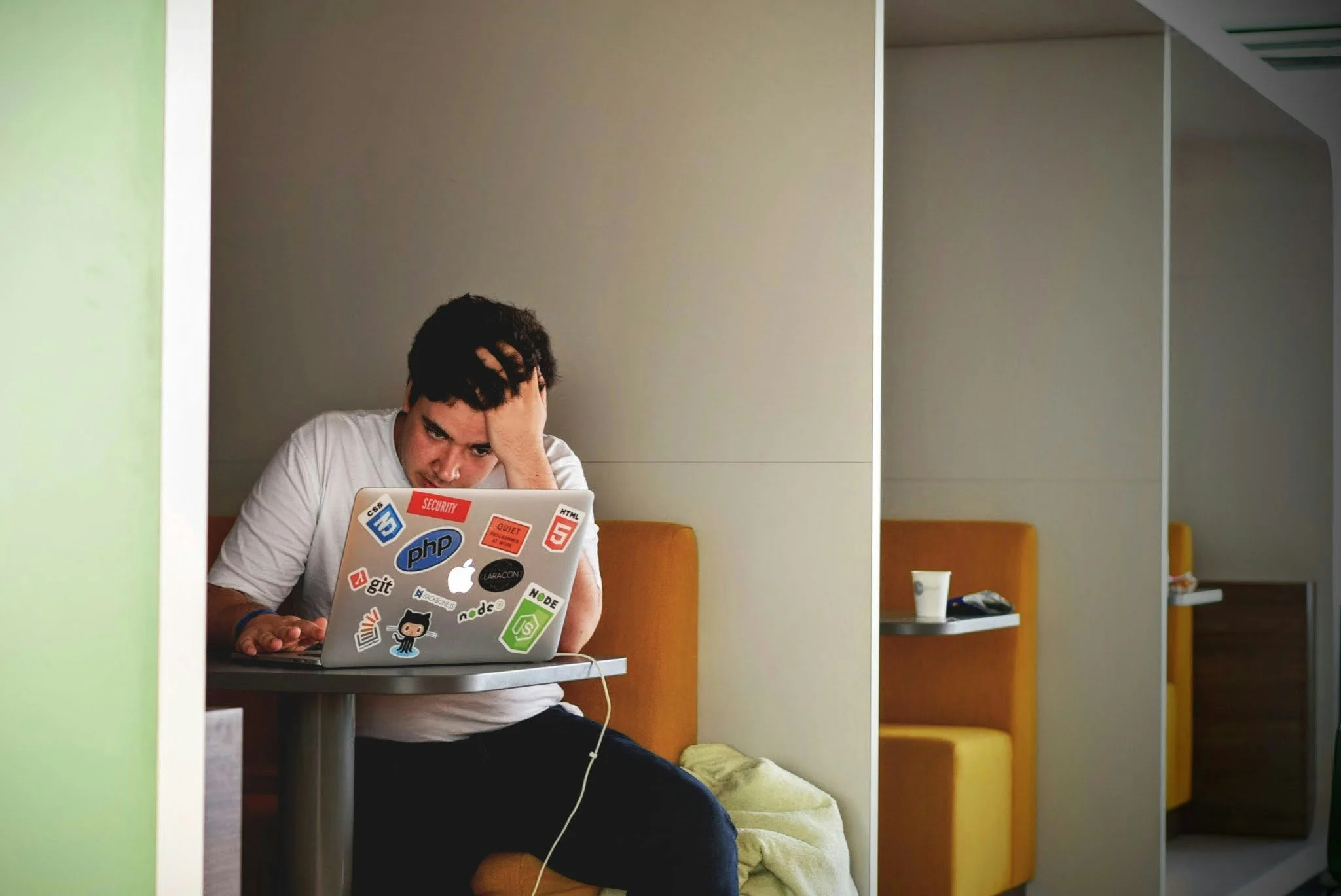
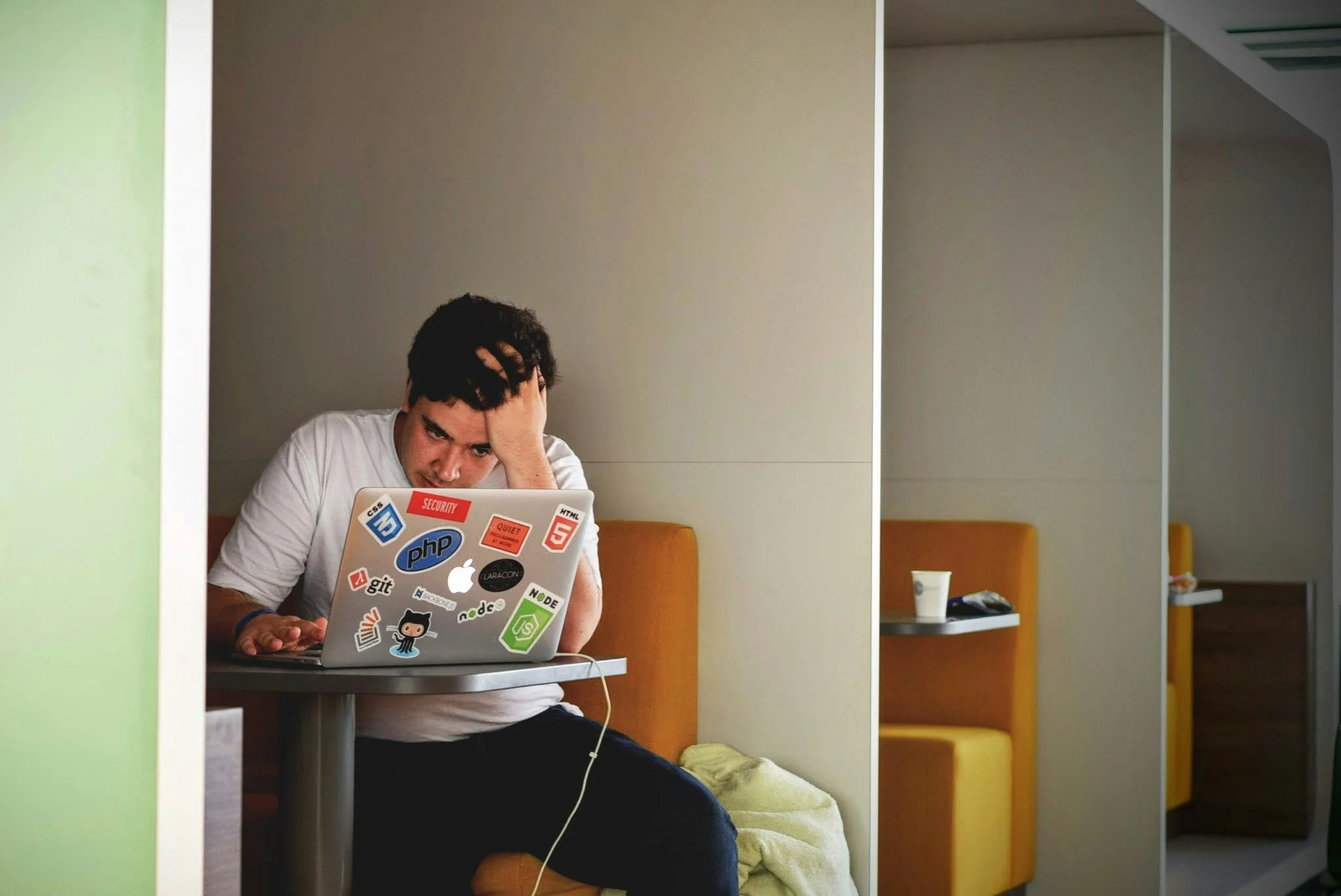
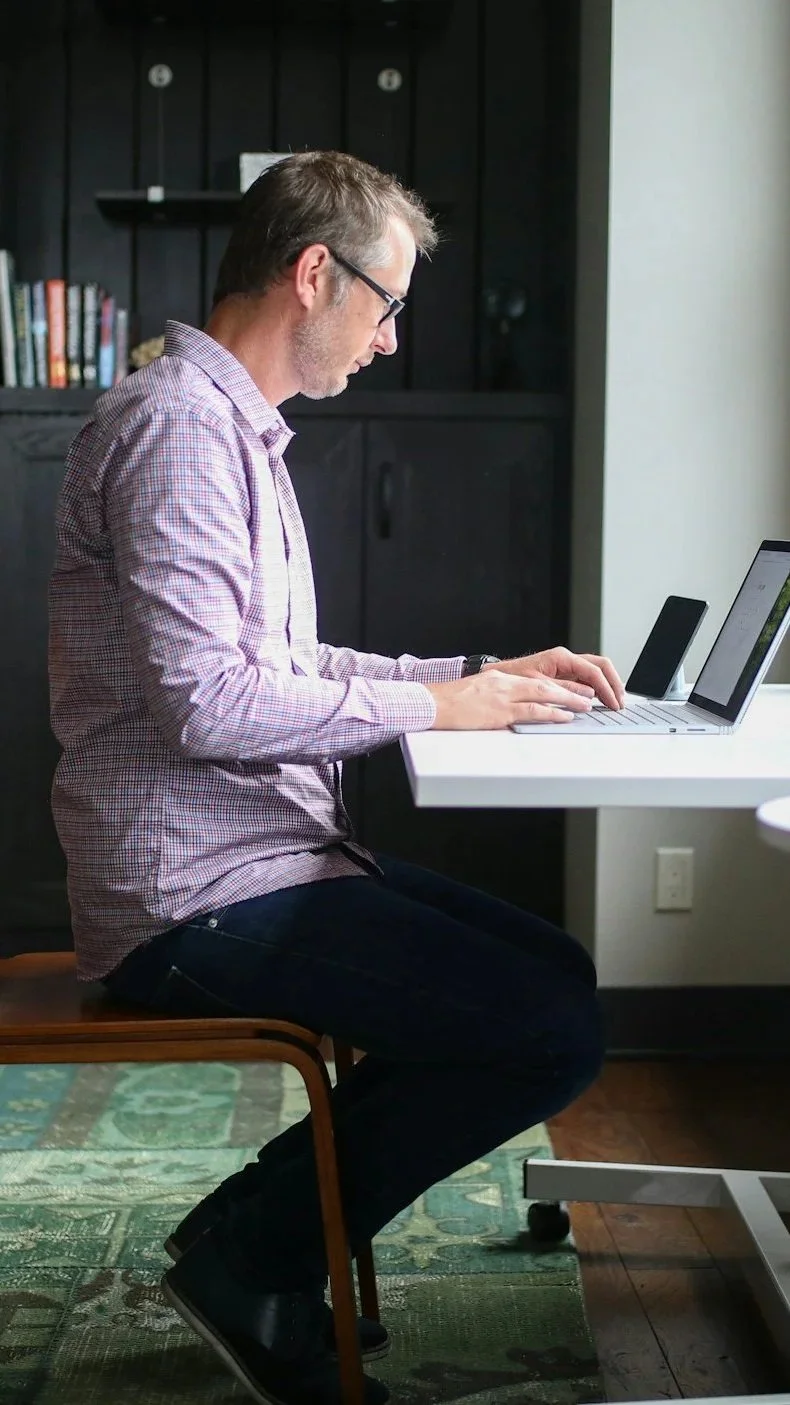
Long periods at a desk or looking down at a screen shorten and tighten the chest and neck muscles, pulling the shoulders forward and the head down.
Tight Hip Flexors
Sitting for extended periods also tightens the hip flexors, which can tilt the pelvis and affect posture through the lower back.
Repeated Daily Habits
The positions you hold most — driving, phone use, how you sit at your desk — shape your posture over time, often without you noticing until it's become a consistent pattern.
Reduced Movement Generally
Without regular movement to counter these positions, the muscles involved stay tight, and the postural pattern becomes more entrenched.
How Assisted Stretching Helps Your Posture
Chest and Front of Shoulders
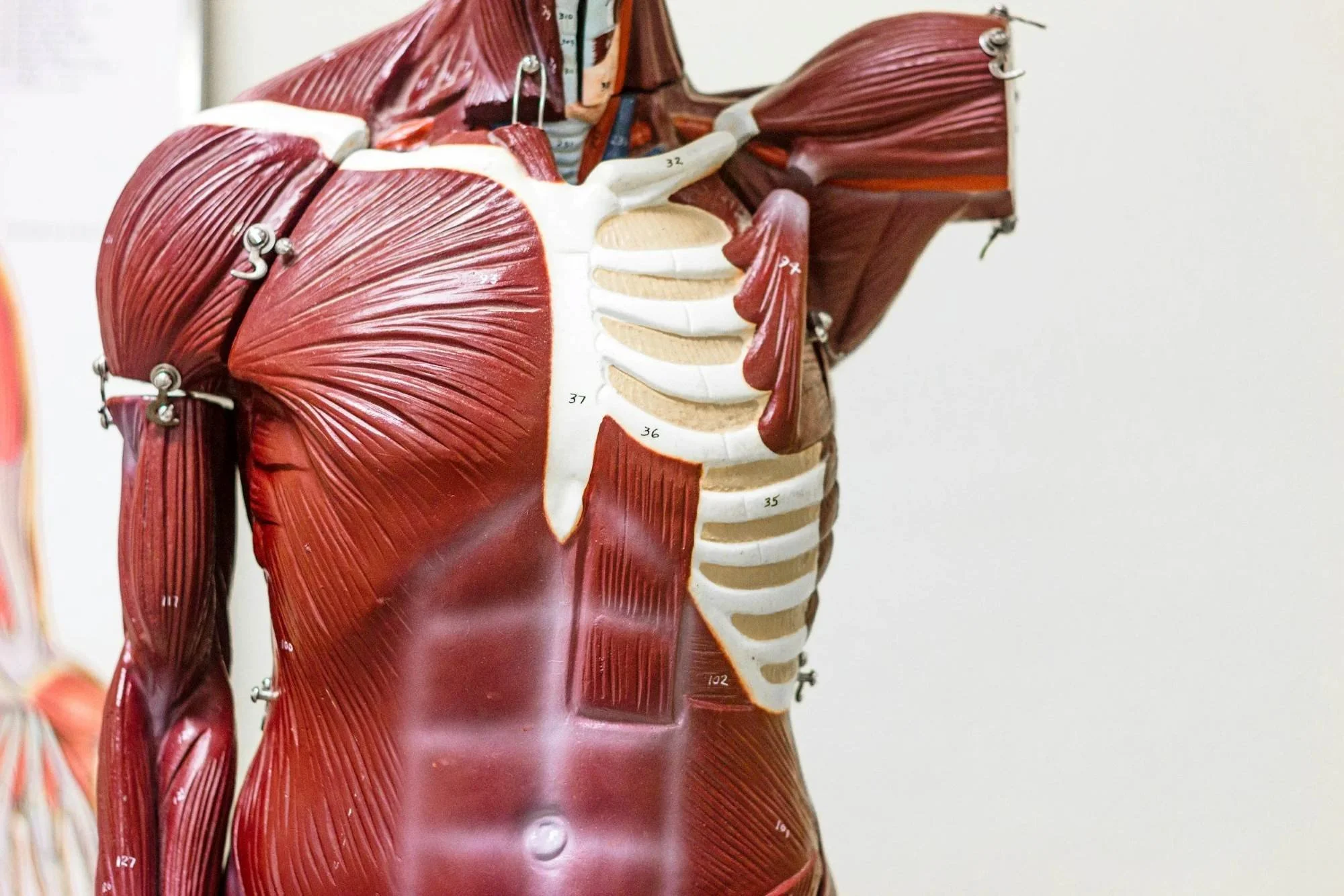
Releasing tight chest muscles helps counter the rounded-shoulder position that builds up from desk work and screen time, supporting a more open, upright posture.
Neck
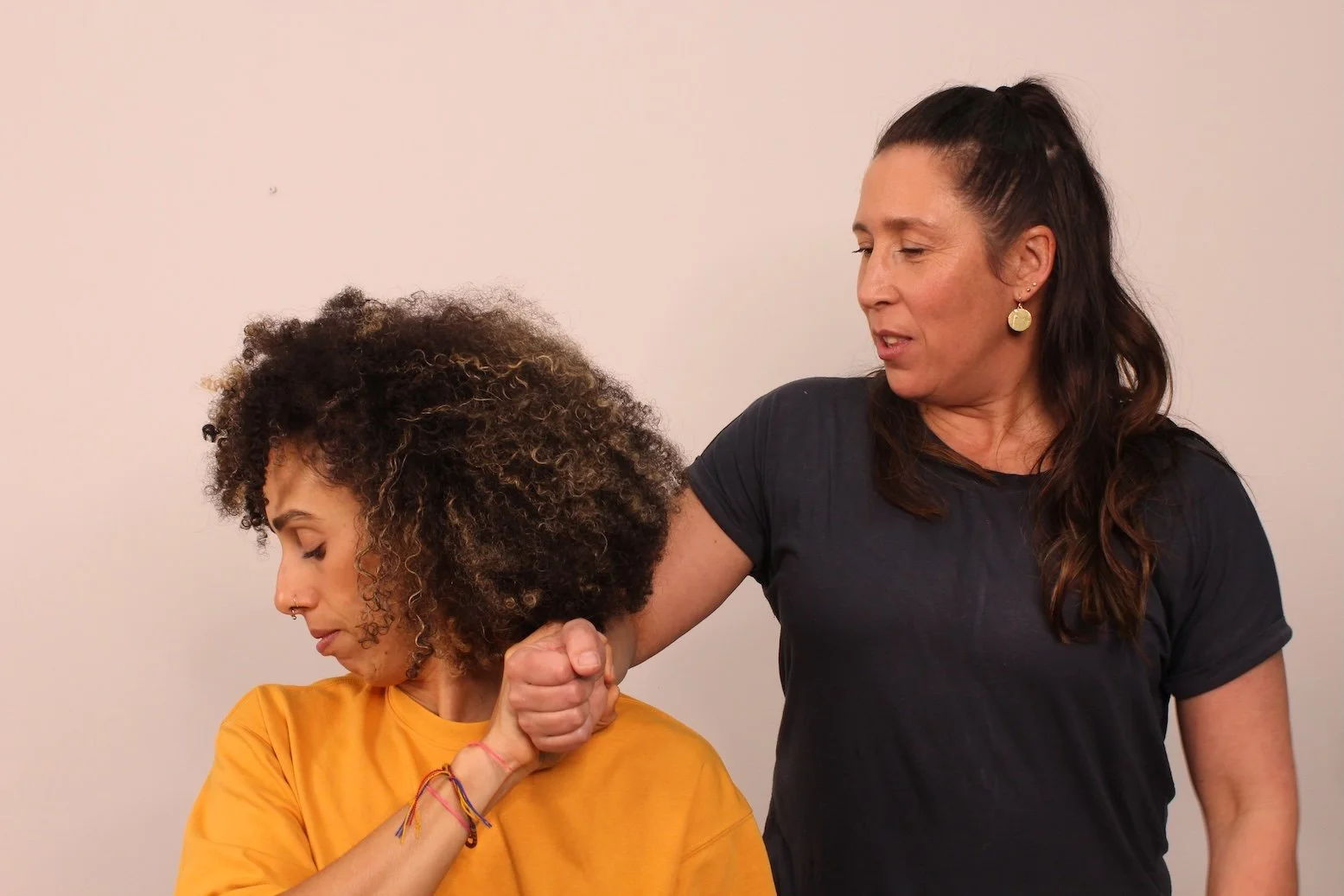
Easing tight neck muscles supports a more neutral head position, helping reduce the forward-head pattern that comes from hours of looking down at a screen.
Hip Flexors
Releasing tight hip flexors supports a more neutral pelvic position, which has a direct effect on posture through the lower back.
Upper and Lower Back
Targeted work here helps ease the compensatory tension that builds up from holding a poor position throughout the day.
Why Stretching These Areas Yourself Isn't Always Enough
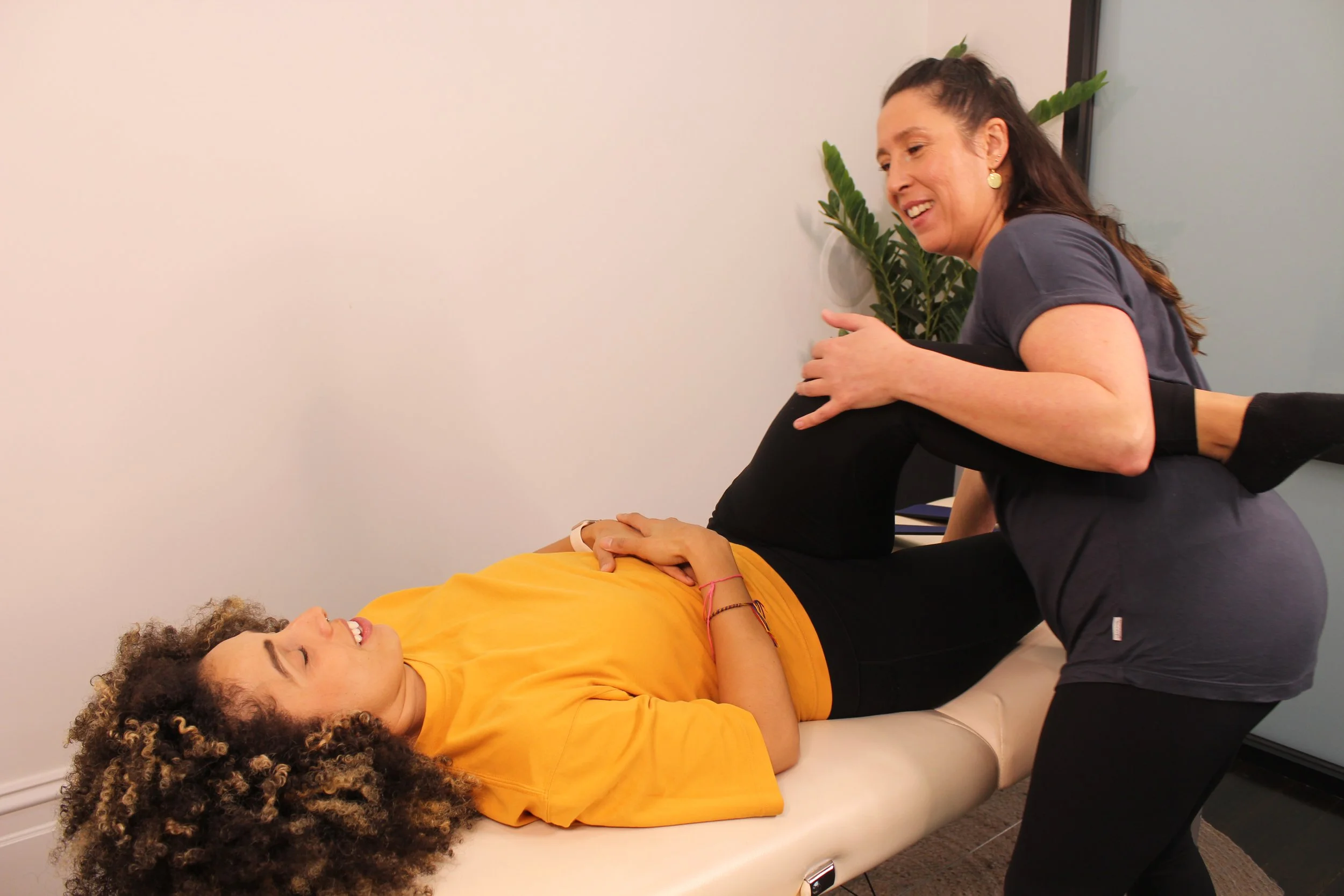
The muscles most involved in posture — particularly the chest and hip flexors — are difficult to stretch effectively on your own, since it's hard to isolate them properly without your body compensating elsewhere. During an assisted stretching session, your therapist guides you through a supported, targeted release of exactly these areas, working through the specific pattern that's affecting your posture.
A Note Worth Knowing
Posture is usually a two-sided issue: tight muscles pulling you one way, and weak muscles unable to hold you in a better position. Assisted stretching works on the tight side of that equation, which for most desk-related posture patterns is a major contributing factor. If weak muscles or a structural condition are the bigger driver in your case, pairing your sessions with some strengthening work (or a physiotherapist's input) will get you the best results — we're always happy to point you in the right direction if that's what your body needs alongside your sessions.
The Science Behind It
Posture is typically the result of a muscle imbalance — some muscles become tight and shortened, while others become long and underused. Releasing the tight side through assisted stretching directly addresses part of that imbalance, and research on postural correction (including a review from Melbourne's own Victoria University) points to targeted stretching as a real, useful part of improving postural patterns, particularly around the shoulders and upper back.
A trained stretch therapist uses slow, controlled movement to help these muscles properly release, rather than a quick stretch that doesn't hold. At StretchWell, we may also use Proprioceptive Neuromuscular Facilitation (PNF) techniques to support a deeper, more lasting release.
Move Toward Better Posture With Assisted Stretching
If tight muscles are pulling you out of alignment, StretchWell can help you release that tension and move toward a more comfortable, upright posture.
Book your assisted stretching session today and start easing the tightness behind your posture.
FAQs about Posture Correction
If you’re ready to relieve your tight hamstrings, book with us today.
-
Yes, particularly when tight muscles — commonly the chest, neck and hip flexors — are contributing to your postural pattern. Releasing that tightness supports a more neutral, comfortable position.
-
Hours of sitting, screen time, and repeated daily habits are the most common contributors, tightening the chest, neck and hip flexors and pulling the body out of a neutral position over time.
-
Many clients notice reduced tightness within the first few sessions, with more consistent, lasting improvement building over regular sessions.
-
For most people, pairing regular assisted stretching with some strengthening work for the upper back and core gets the best, most lasting results — we're happy to discuss this as part of your sessions.
-
Most commonly the chest, neck and hip flexors, along with supporting work through the upper and lower back.
-
For most tightness-related postural patterns, yes. If you have a diagnosed spinal condition or ongoing pain, please check with your doctor or physiotherapist first and let your therapist know before your session.
Related Blog Posts