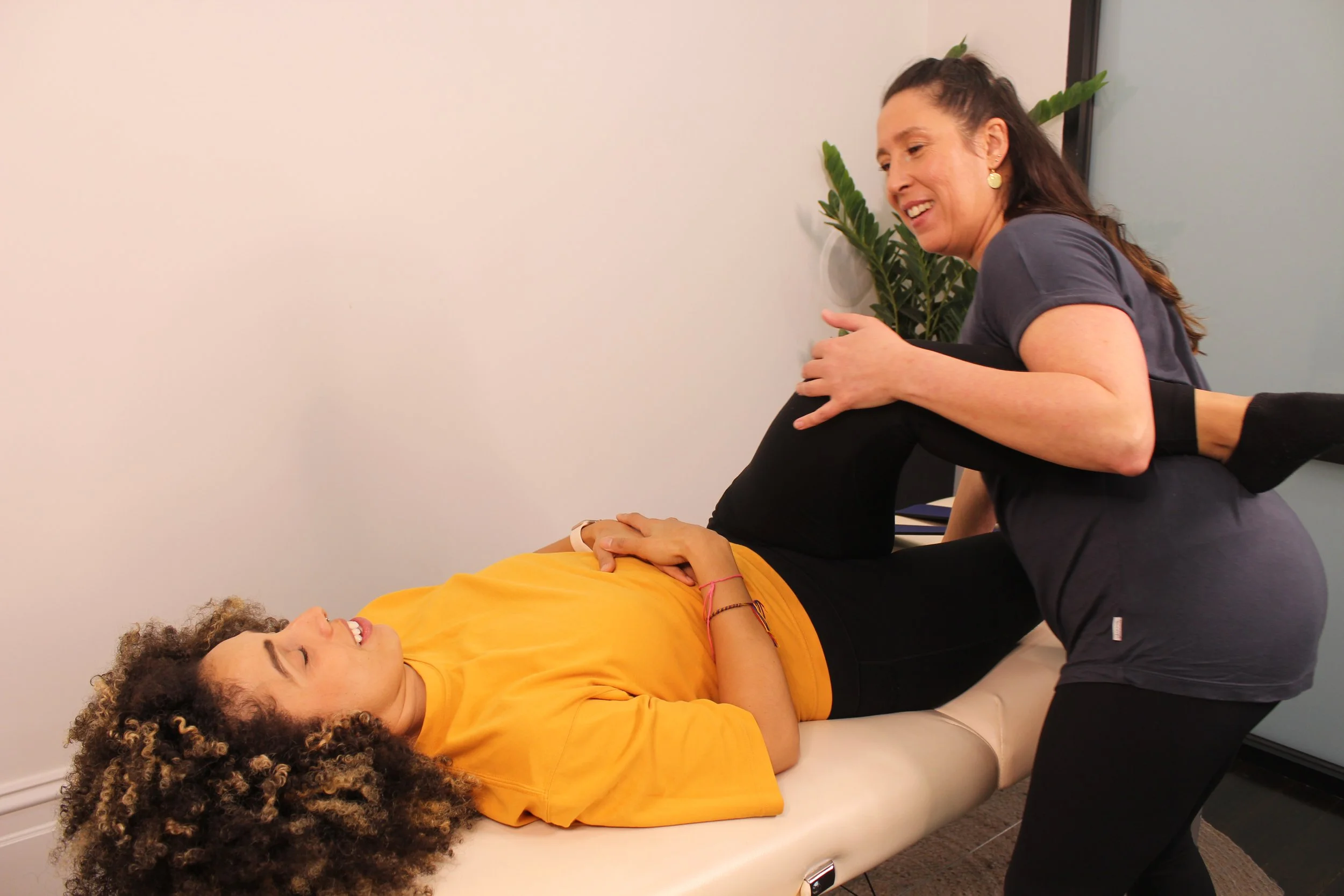
Assisted Stretching & Stretches for Knee Pain & Mobility
Move More Freely and Support Healthy Knee Mobility
Knee pain and stiffness can come from a lot of different places — training load, tightness in the surrounding muscles, ageing joints, or a past injury. Whatever the cause, restricted mobility around the knee can make everyday movement feel harder than it should.
You may notice:
Stiffness in the knee, especially first thing in the morning or after sitting
Tightness in the quads, hamstrings or calves that seems linked to knee discomfort
Reduced range of motion when bending or straightening the knee fully
Discomfort that flares up after exercise, walking, or stairs
A general feeling of tightness around the knee that limits how freely you move
Can assisted stretching help knee pain? It depends on the cause. When knee discomfort is linked to tightness in the muscles surrounding the joint — the quads, hamstrings, calves or IT band — assisted stretching (stretch therapy) can help ease that tension and support better mobility. It's not a treatment for the knee joint itself, and it's not suitable for acute injuries, ligament damage, or recent surgery without medical clearance first. Getting an accurate diagnosis is the right first step if you haven't already had one.
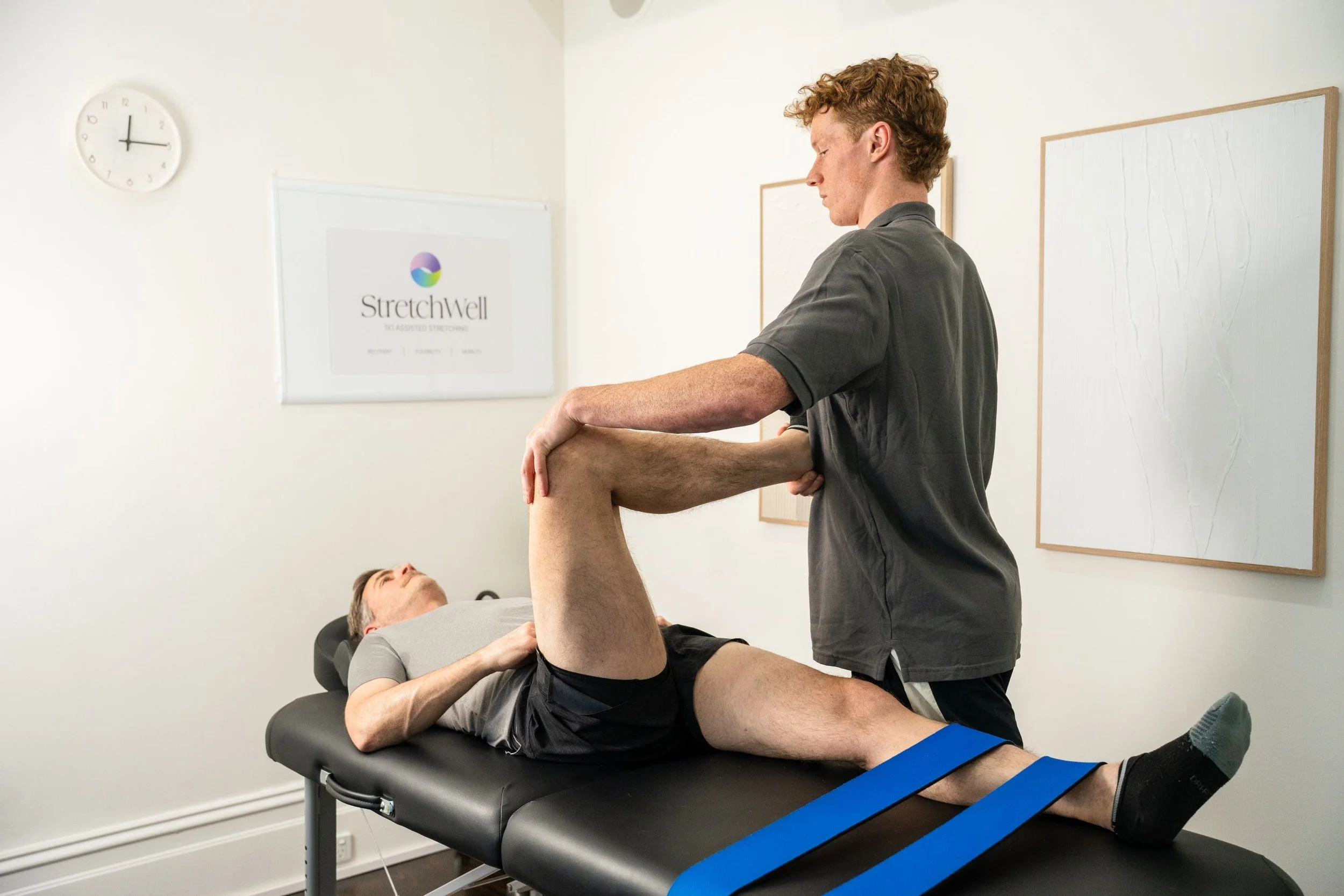
At StretchWell, our assisted stretching sessions are designed to support mobility by targeting the muscles around the knee, working alongside — not instead of — appropriate medical care.
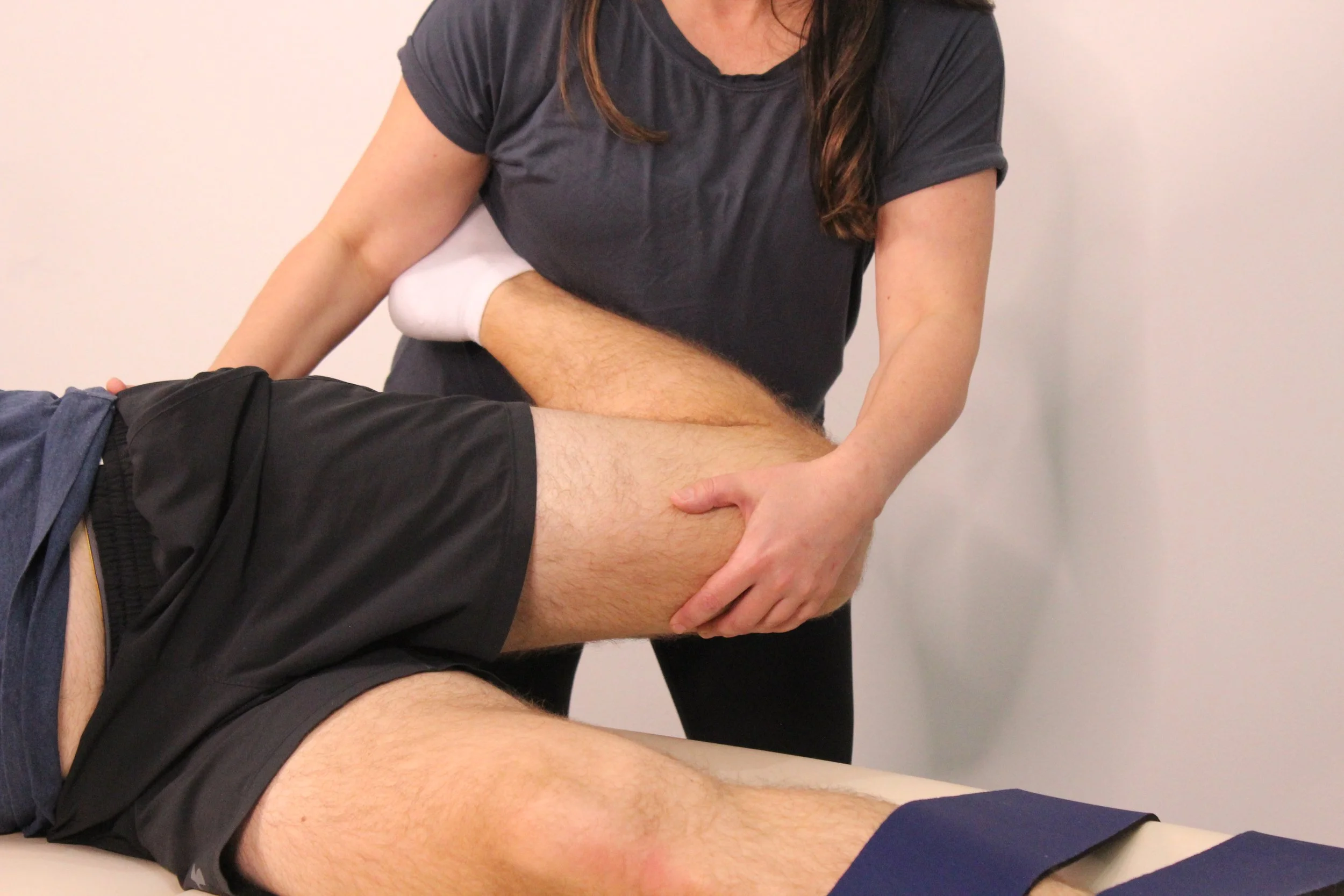
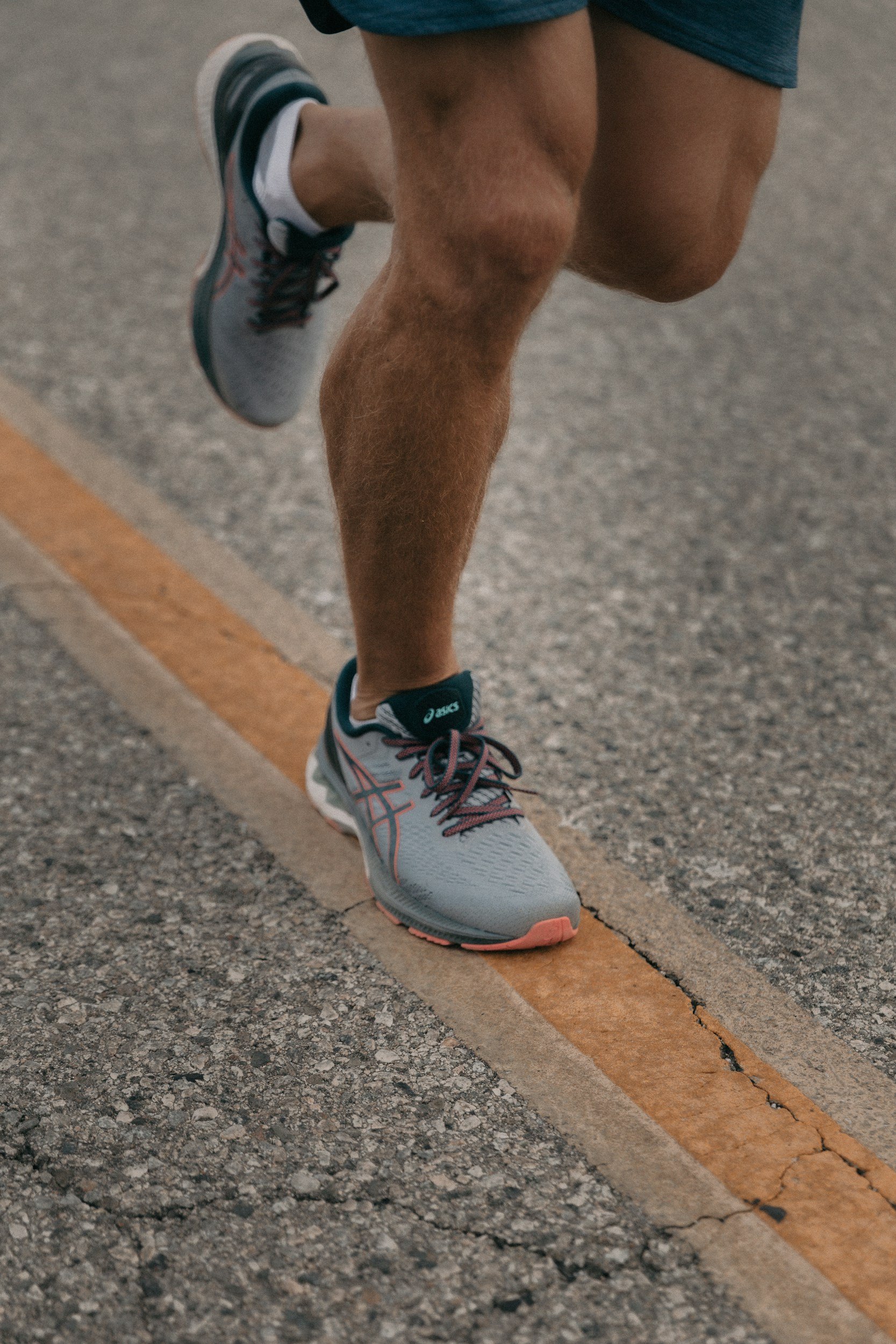
What Contributes to Knee Tightness and Discomfort?
Tight Quadriceps
Tight quads can pull on the kneecap and affect how it tracks during movement, which can contribute to a feeling of tightness or discomfort around the front of the knee.
Tight Hamstrings
Restricted hamstrings can limit how well the knee bends and straightens, and can affect overall movement patterns through the leg.
Tight Calves
Reduced calf flexibility can affect ankle mobility, which in turn changes how load moves through the knee during walking, running or stairs.
IT Band Tightness
The iliotibial (IT) band runs along the outside of the thigh and connects near the knee. Tightness here is a common contributor to discomfort on the outer side of the knee, particularly in runners.
Reduced Activity or Prolonged Sitting
Long periods without movement can leave the muscles around the knee stiff and tight, which can make the joint itself feel more restricted than it actually is.
Simple Stretches to Support Knee Mobility
These are safe, general stretches for everyday tightness around the knee. They're not suitable if you have swelling, recent injury, or diagnosed joint damage — stop immediately if you feel sharp pain, and check with your doctor first if you're unsure.
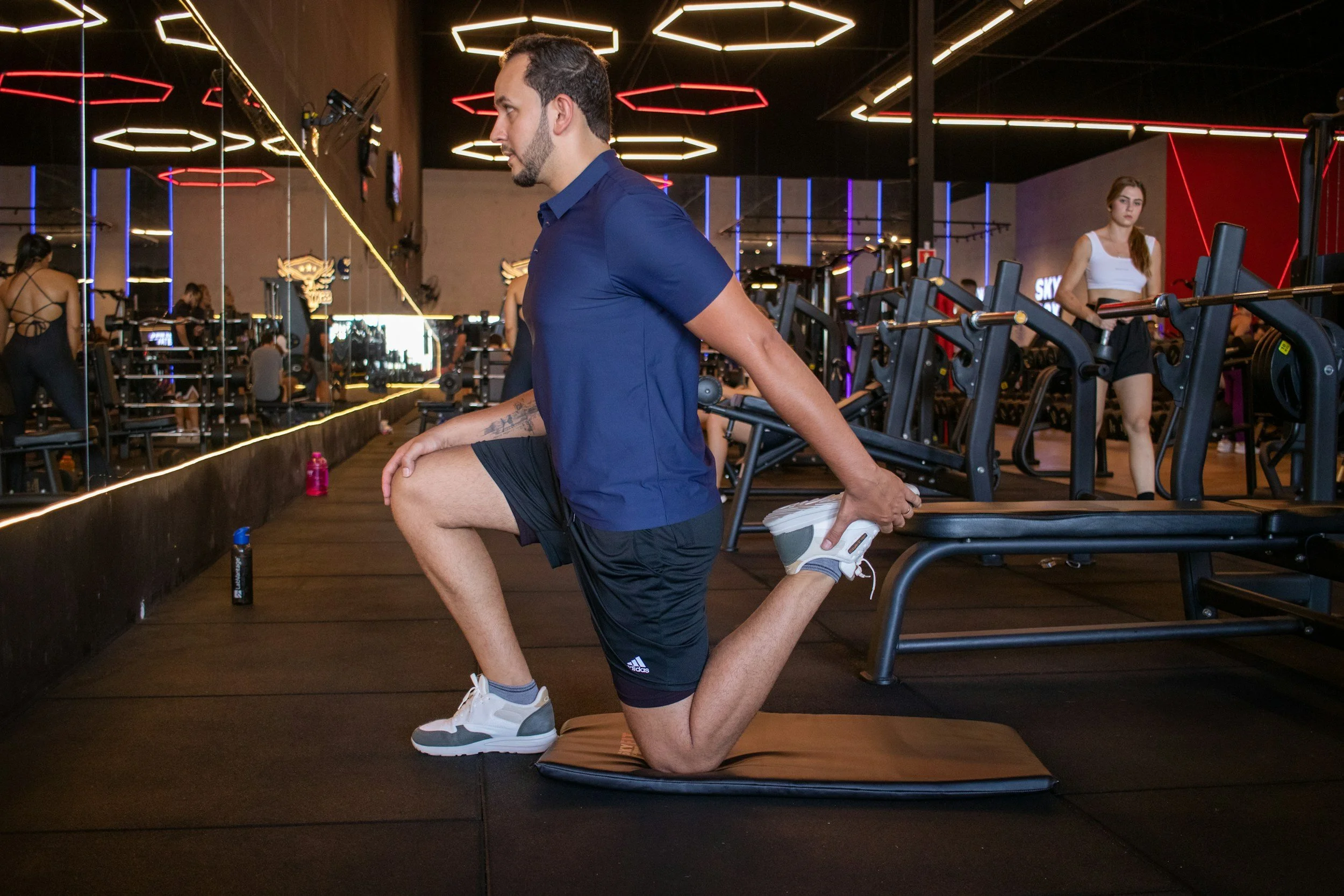
1. Standing Quad Stretch
Standing near a wall or chair for balance, bend one knee and bring your heel toward your glute, holding your ankle or foot gently. Keep your knees close together and avoid pulling hard. Hold 20–30 seconds each side.
2. Seated Hamstring Stretch
Sit on the edge of a chair with one leg extended and heel on the floor, toes up. Keeping your back straight, hinge gently forward from the hips until you feel a stretch behind the thigh. Hold 20–30 seconds each side.
3. Wall Calf Stretch
Stand facing a wall, step one foot back and press the heel down, keeping the back leg straight. Lean gently into the wall until you feel a stretch through the calf. Hold 20–30 seconds each side.
4. Standing IT Band Stretch
Cross one leg behind the other and lean your hips gently to the side away from the back leg, feeling a stretch along the outside of the thigh. Hold 20–30 seconds each side, keeping the movement gentle.
5. Kneeling Hip Flexor Stretch
From a half-kneeling position (one knee down on a cushion, other foot forward), gently press your hips forward until you feel a stretch at the front of the hip on the kneeling side. Avoid this one if kneeling itself is uncomfortable. Hold 20–30 seconds each side.
For deeper, more targeted work on the muscles surrounding the knee — particularly if self-stretching isn't giving you lasting relief — that's where assisted stretching makes the difference.
Why Stretching Around the Knee Yourself May Not Be Enough
The muscles surrounding the knee are large and interconnected, and it's easy to stretch one area while missing others that are contributing to the overall tightness.
Self-stretching also makes it hard to:
Know how far is safe to go, especially if you're already experiencing some discomfort
Properly isolate the quads, hamstrings, calves and IT band in the right sequence
Fully relax into a stretch while also supporting and controlling your own leg
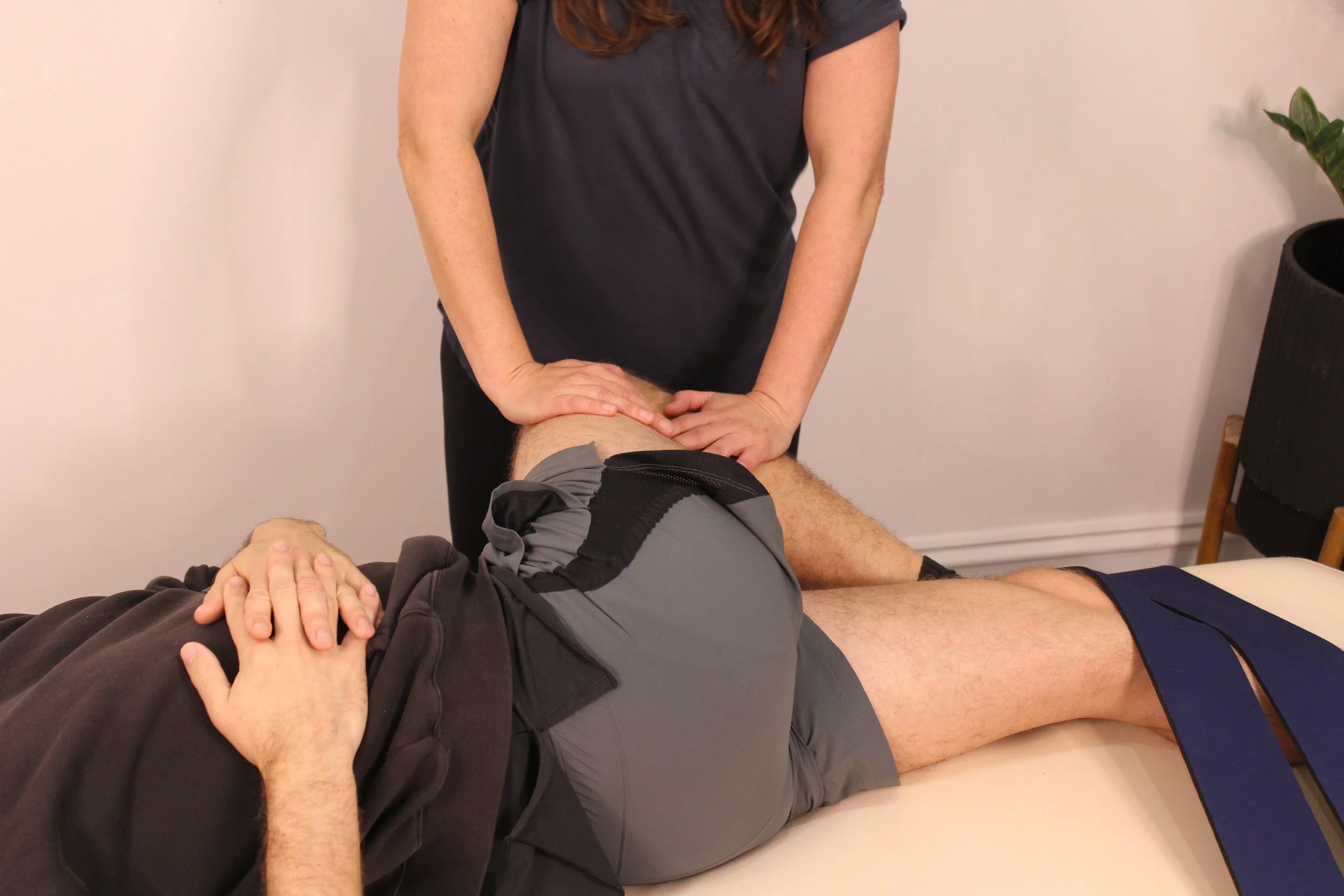
During assisted stretching, your therapist guides your leg through supported movements at a safe, comfortable depth, working through the connected muscle groups around the knee in a way that's difficult to replicate alone.
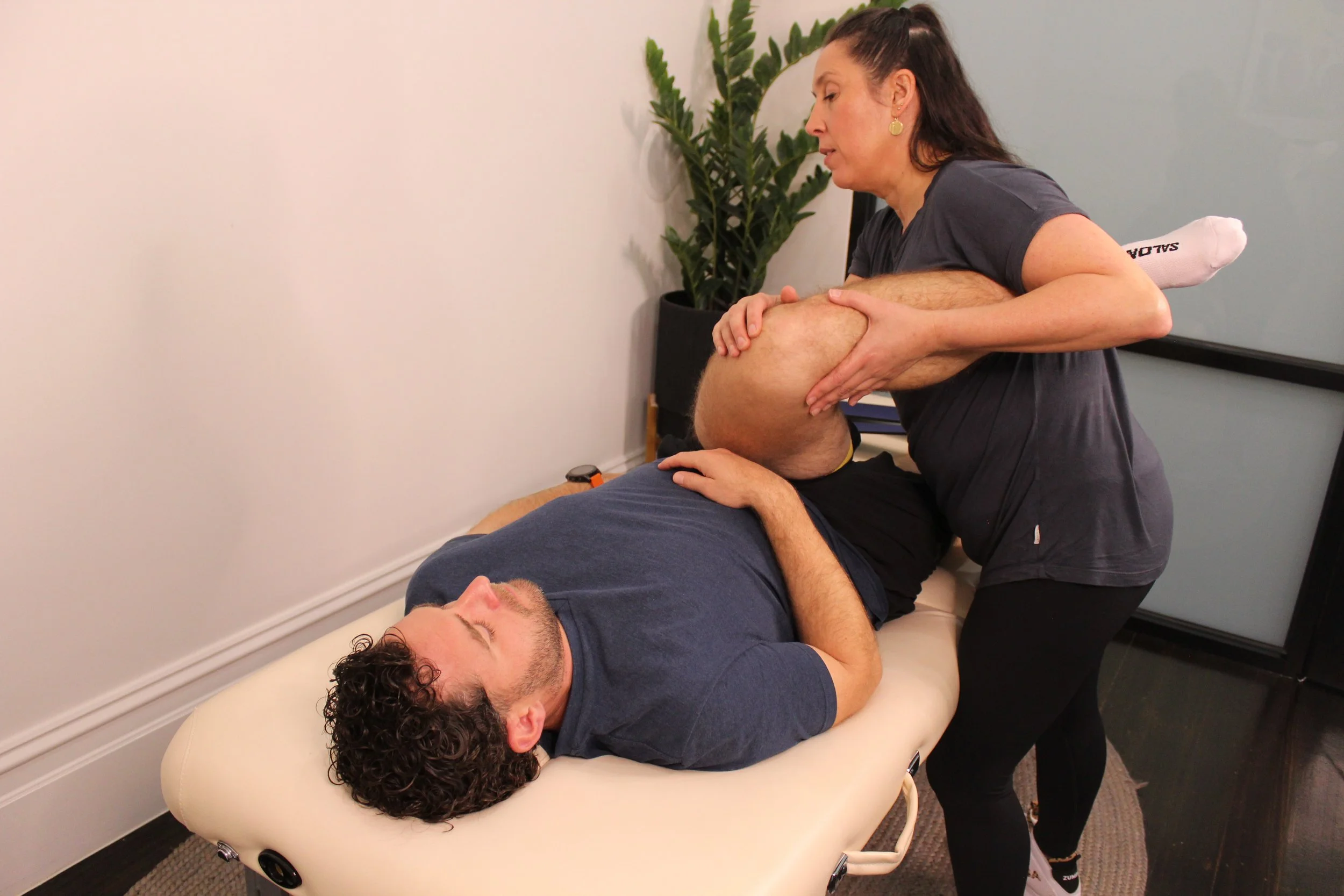
How Assisted Stretching Can Support Knee Mobility
Quadriceps
Guided stretching helps ease tightness that can affect kneecap tracking and overall comfort around the front of the knee.
Hamstrings
Improving hamstring flexibility supports a fuller, more comfortable range of motion when bending and straightening the knee.
Calves
Better calf flexibility supports healthier ankle mobility, which helps distribute load more evenly through the knee.
IT Band and Outer Hip
Addressing tightness through the IT band and outer hip can help ease discomfort on the outside of the knee, particularly for runners and regular walkers.
A note on safety
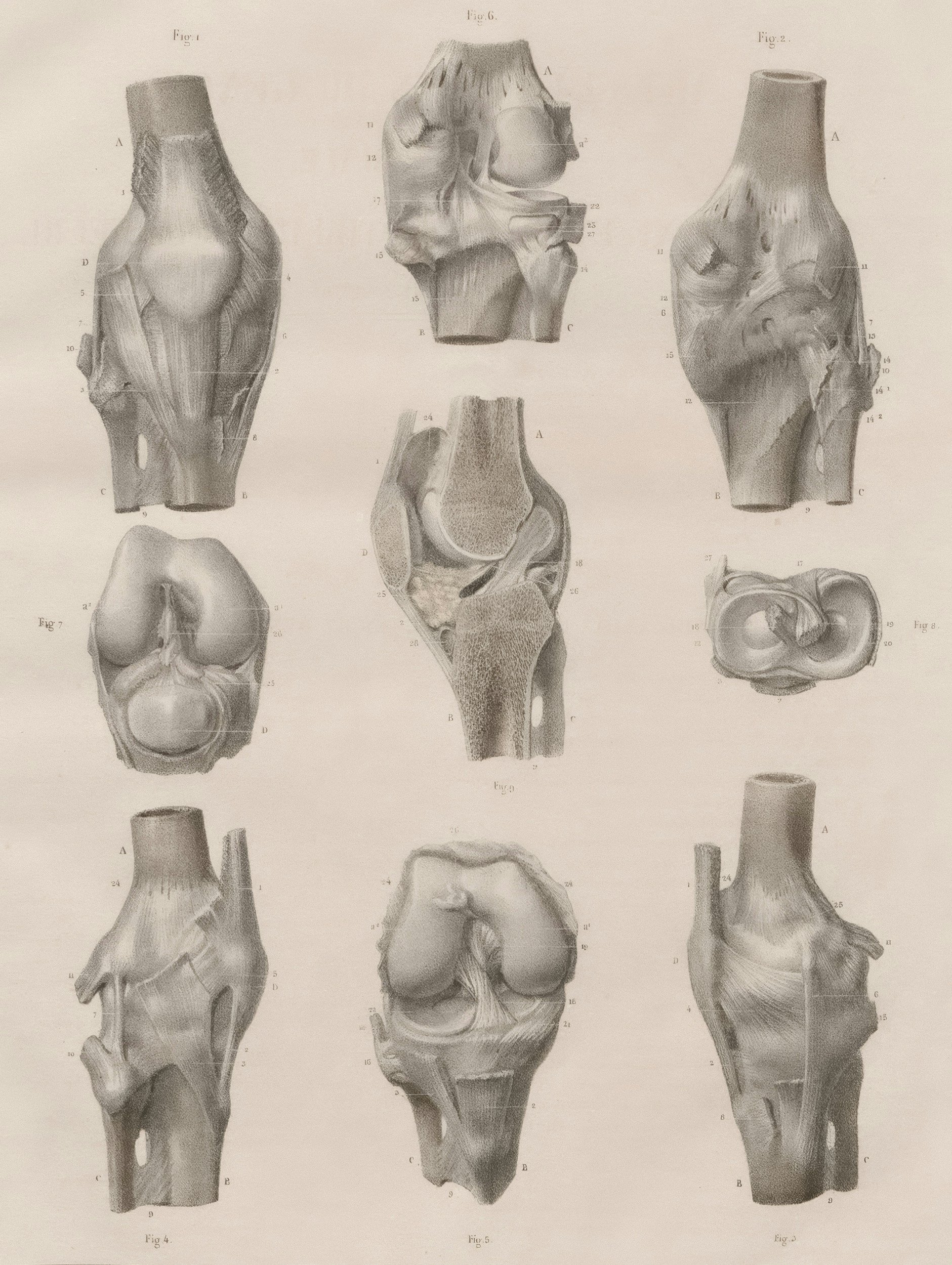
Knee pain can have a wide range of causes — from everyday muscle tightness to arthritis, ligament injuries, meniscus issues, or post-surgical recovery — and the right approach depends entirely on which one applies to you.
Please see your GP, physiotherapist, or specialist for a proper diagnosis before starting assisted stretching if you haven't already, particularly if your pain came on suddenly, followed an injury, or is ongoing.
Seek medical attention promptly if you experience sudden swelling, an inability to bear weight, a locking or giving-way sensation in the knee, or significant pain following an injury — these need medical assessment rather than stretching.
Support Your Knee Mobility With Assisted Stretching in Melbourne
If muscle tightness around the knee is affecting how freely you move, assisted stretching can be a helpful, supportive addition to your approach — alongside appropriate medical care where needed.
Book your assisted stretching session today and take a step towards moving more freely.
FAQs about Knee Pain & Mobility
If you’re ready to improve your knee mobility, book with us today.
-
It depends on the cause. When tightness in the quads, hamstrings, calves or IT band is contributing to knee discomfort, stretch therapy can help. It's not suitable for acute injuries, ligament damage, or unassessed joint conditions.
-
Common contributors include tight quadriceps, hamstrings, calves or IT band, prolonged sitting, and reduced activity. Knee pain can also stem from joint conditions like arthritis or from an injury, which need proper medical assessment.
-
It can be, when the discomfort is related to surrounding muscle tightness and you've had an appropriate diagnosis. If you have a diagnosed joint condition, recent injury, or have had recent knee surgery, please check with your doctor or physiotherapist first and let your therapist know beforehand.
-
Physiotherapy typically assesses and treats the knee joint directly, including rehabilitation after injury or surgery. Assisted stretching focuses on the surrounding muscles and general mobility, and works well alongside physiotherapy rather than replacing it.
-
Many clients notice reduced tightness in the surrounding muscles after a few sessions, though results vary depending on the underlying cause and how consistent you are with sessions.
-
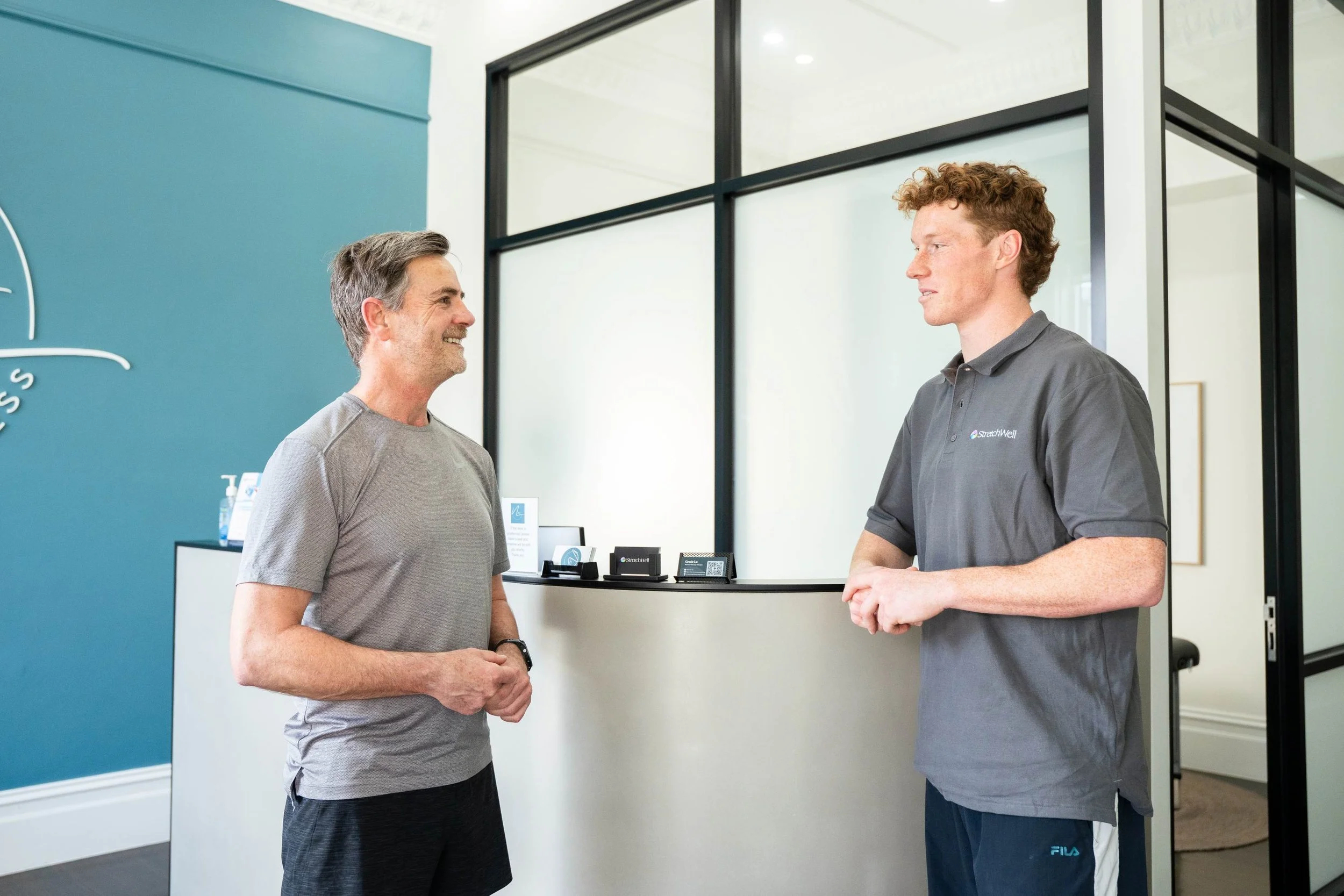
Your session begins by understanding your body, lifestyle and goals.
Your therapist will discuss:
Where you feel tightness
Your daily activities
Your exercise routine
Your mobility goals
Your personalised session may include:
Assisted stretches for quads, hamstrings and hips.
Calves and lower-body mobility work
Passive stretching techniques
PNF stretching where suitable
Full-body stretching if required
Every movement is guided and adjusted based on your comfort and response.
-
If you experience sudden swelling, can't bear weight, feel locking or giving-way in the knee, or have significant pain following an injury, please see a doctor promptly rather than relying on stretching alone.
Related Blog Posts