Assisted Stretching for Sciatica Relief
Feel Less Restricted and Support a More Comfortable Sciatic Nerve
Sciatica can be uncomfortable and disruptive — often showing up as pain, tightness, tingling or numbness that runs from the lower back or glute down through the leg.
While there are several possible causes, muscle tightness — particularly in the piriformis, a small muscle deep in the glute that sits close to the sciatic nerve — is a common contributing factor.
You may notice:
Tightness or aching through the glute or lower back
Pain or tingling that runs down the back of one leg
Discomfort that worsens with prolonged sitting
Reduced range of motion through the hips
A feeling of tension that doesn't fully release with regular stretching
Can assisted stretching help sciatica? In many cases, yes — when muscle tightness (especially in the piriformis, glutes or hamstrings) is contributing to the irritation. Assisted stretching (stretch therapy) can help create more space around the sciatic nerve and ease the surrounding muscle tension. It works alongside medical care rather than replacing it, and it's important to get a proper diagnosis first, since sciatica has a few different possible causes.
At StretchWell, our assisted stretching sessions are designed to support nerve comfort and mobility by targeting the muscles that most often contribute to sciatic tightness.
What Contributes to Sciatic Tightness?
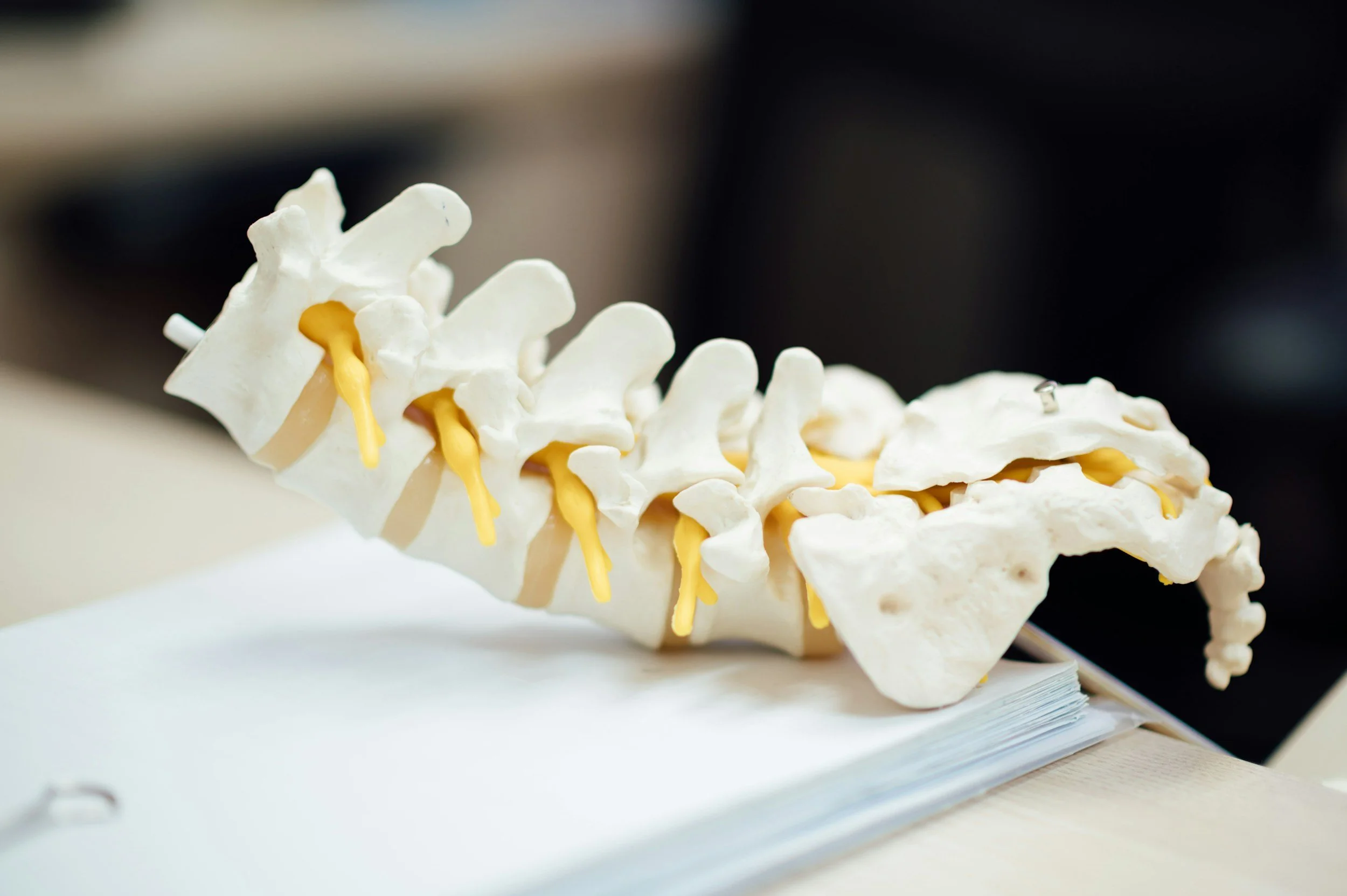
The sciatic nerve runs from the lower back, through the glutes, and down the back of each leg — passing close to several muscles that can affect how it feels.
Common contributors include:
A Tight Piriformis
The piriformis sits deep in the glute, close to the sciatic nerve. When it becomes tight, it can irritate the surrounding area, contributing to the pain and tingling associated with sciatica.
Tight Hips and Hip Flexors
Restricted hip flexors and reduced hip mobility can change how your pelvis moves, placing extra strain on the muscles surrounding the sciatic nerve.
Tight Hamstrings and Glutes
The hamstrings and glutes support movement through the hips and lower back. When they're tight or underactive, nearby structures — including the sciatic nerve pathway — can feel more restricted.
Prolonged Sitting
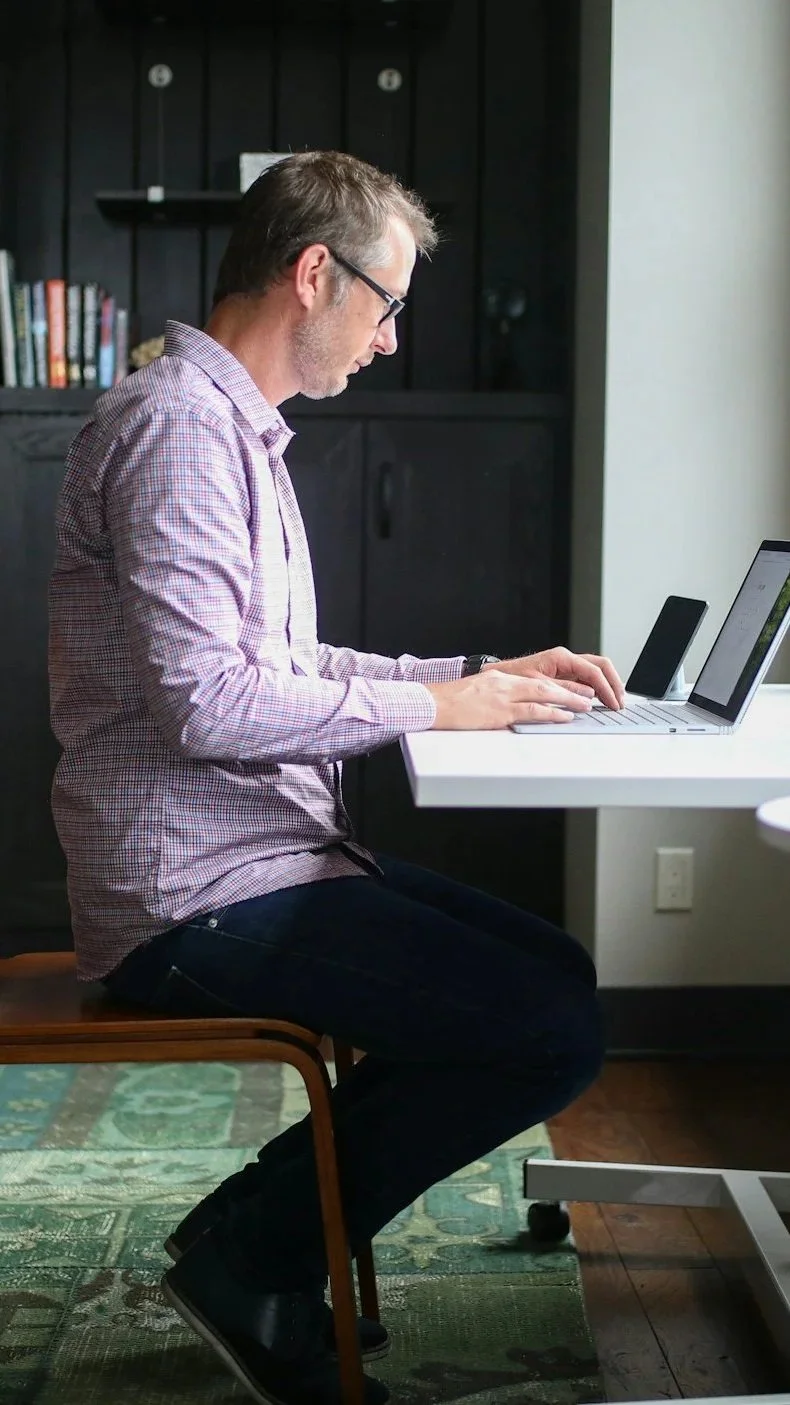
Sitting for long periods keeps the piriformis and hip muscles in a shortened position, which is one of the most common everyday contributors to sciatic discomfort.
Why Stretching This Area Yourself Can Be Tricky
The muscles that contribute to sciatic tightness sit deep and can be difficult to isolate and stretch effectively on your own — and pushing too hard into the wrong position can sometimes aggravate symptoms rather than ease them.
Self-stretching also makes it hard to:
Target the piriformis without compensating through the lower back
Know how far is safe to go, especially while symptoms are present
Combine hip, hamstring and glute work in the right sequence
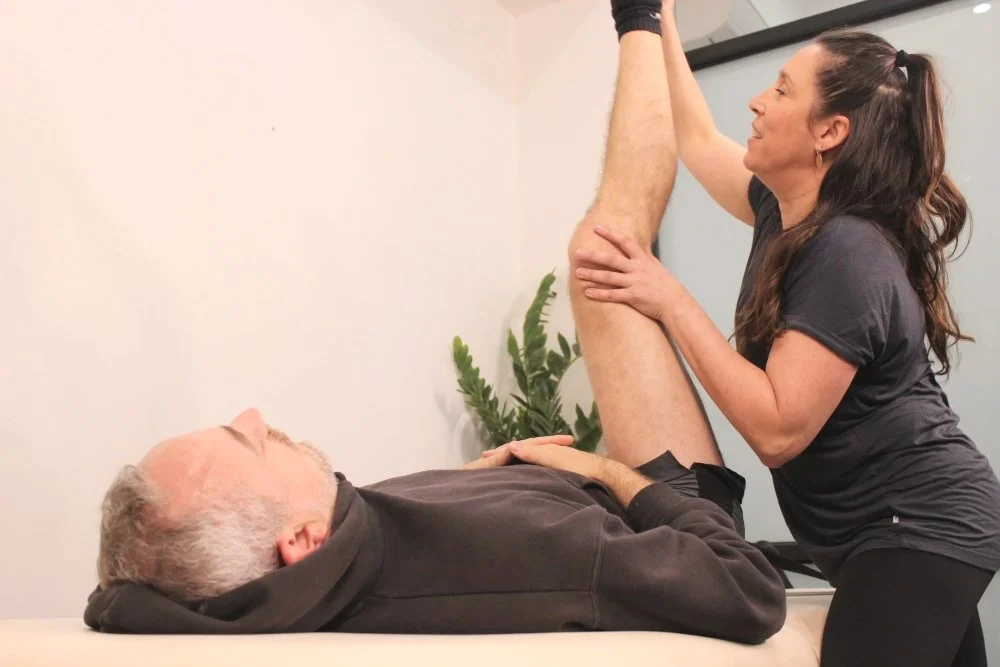
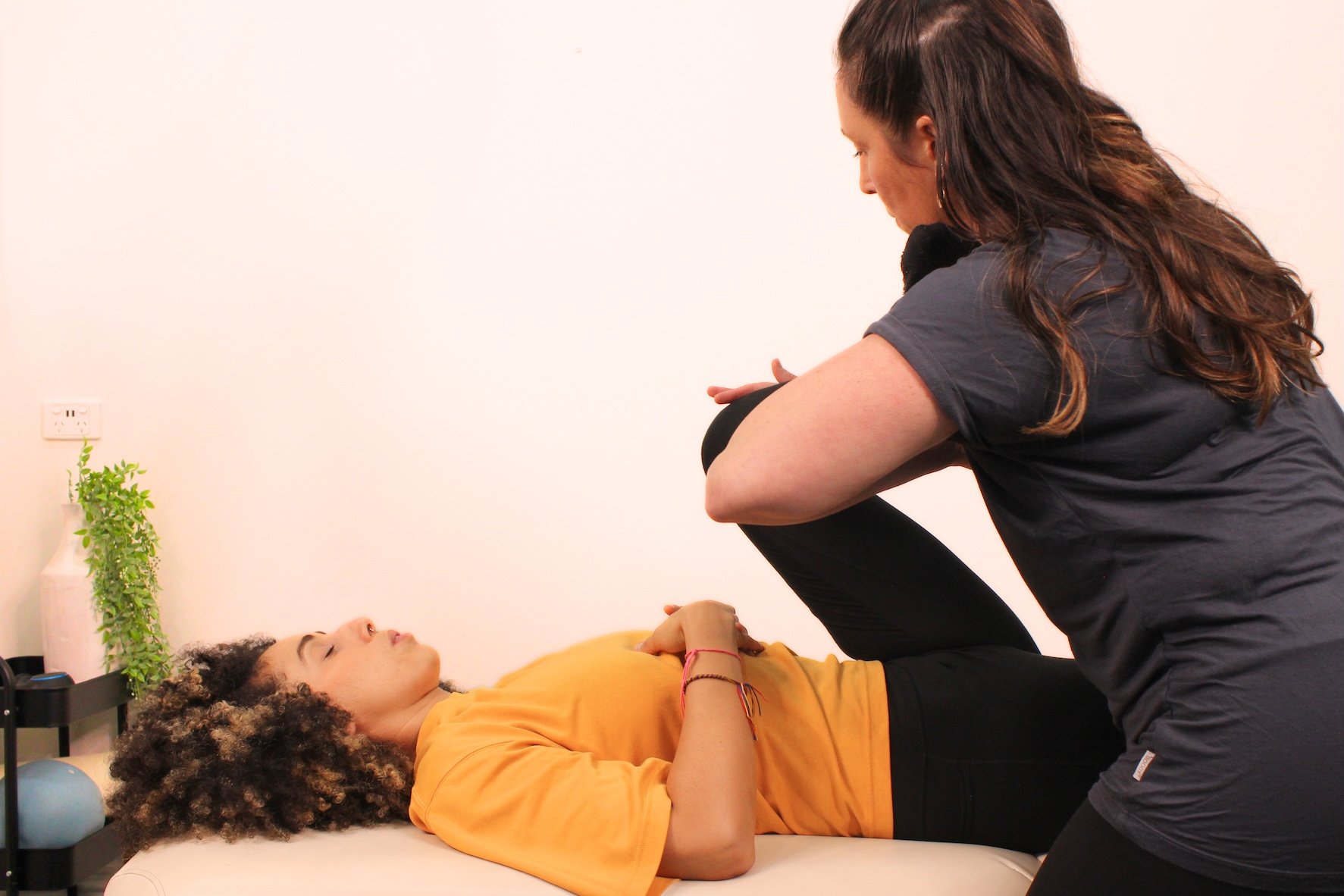
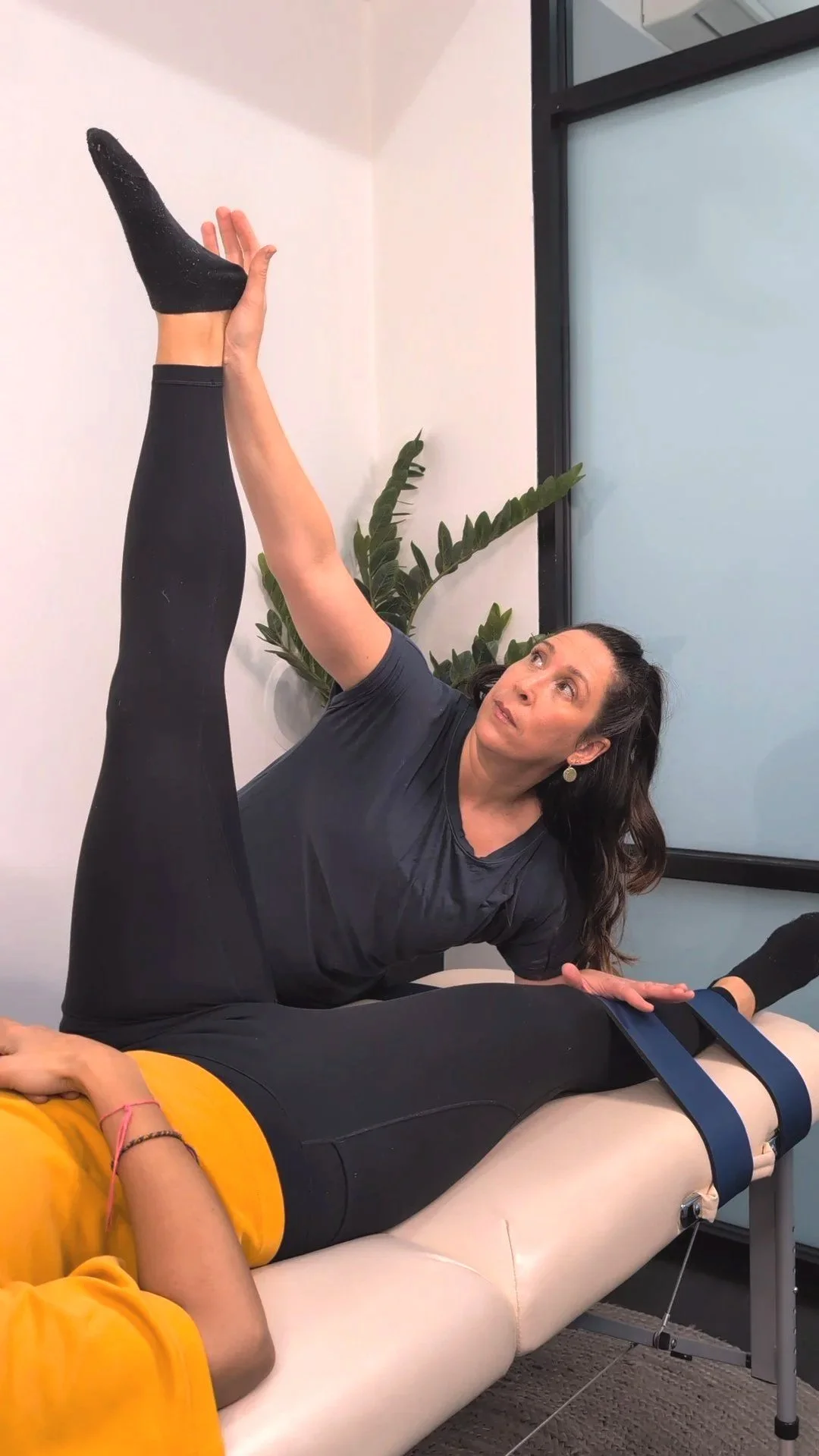
During assisted stretching, your therapist guides you into each position with the right depth and support, working within your comfortable range while checking in throughout — so you're never pushed further than what feels safe.
How Assisted Stretching Can Help With Sciatica
Rather than working the painful area directly, your stretch therapist targets the muscles most often linked to sciatic tightness:
Piriformis
Gentle, guided stretching of the piriformis can help ease tension in the area closest to the sciatic nerve.
Glutes
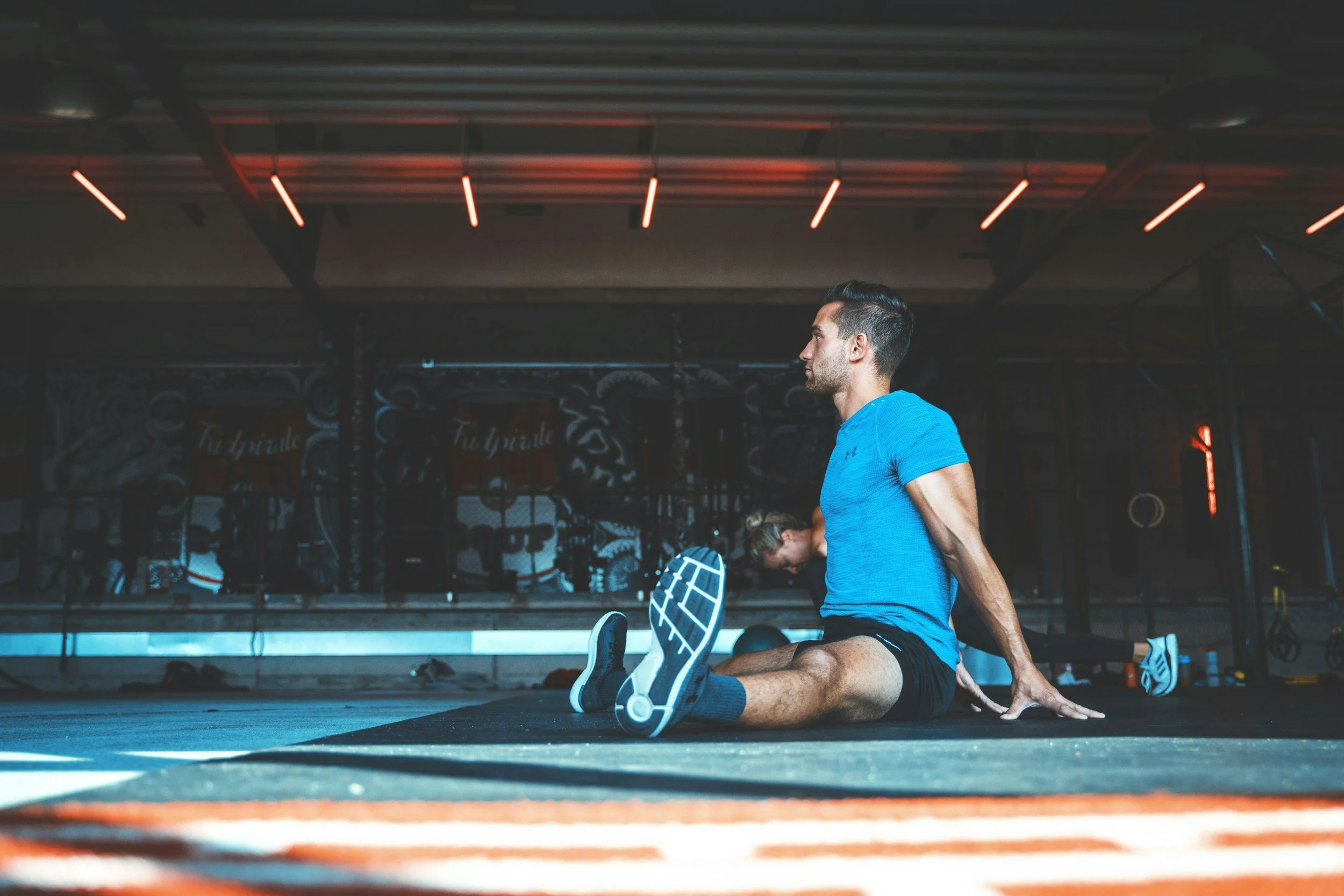
Supporting glute mobility helps take pressure off surrounding structures and supports better overall hip movement.
Hamstrings
Restricted hamstrings can add to tension through the back of the leg and glute — improving their flexibility can support overall comfort.
Hips and Hip Flexors
Better hip mobility helps distribute movement more evenly, reducing the load on the muscles around the sciatic nerve.
A Note on Safety
Sciatica can have a few different underlying causes, including muscle tightness, disc issues, or spinal changes — and the right approach depends on which one applies to you.
Please see your GP or physiotherapist for a proper diagnosis before starting assisted stretching if you haven't already, and let your therapist know about your symptoms and any diagnosis beforehand.
Seek medical attention promptly if you experience severe or rapidly worsening pain, numbness or weakness in your leg or foot, or any loss of bladder or bowel control — these require urgent medical care rather than stretching.
Support Your Sciatic Comfort With Assisted Stretching in Melbourne
If muscle tightness is contributing to your sciatic discomfort, assisted stretching can be a helpful, non-invasive part of your approach — alongside, not instead of, appropriate medical care.
Book your assisted stretching session today and take a step towards easing that tension.
FAQs about Sciatica
If you’re ready to relieve your sciatica, book with us today.
-
In many cases, yes — particularly when tightness in the piriformis, glutes or hamstrings is contributing to the irritation. Results vary depending on the underlying cause, so it's best used alongside proper medical guidance.
-
Sciatica can be caused by a few different things, including a tight piriformis muscle compressing the sciatic nerve, a herniated disc, or spinal changes such as stenosis. Getting an accurate diagnosis helps determine the best approach.
-
Yes stretch therapy can be helpful when the tightness is muscular in origin and you've had an appropriate diagnosis. Your stretch therapist will work gently and check in throughout. If you have severe symptoms, numbness, weakness, or haven't been assessed by a doctor, please seek medical advice first.
-
Assisted stretching focuses on improving mobility and range of motion through guided movement, rather than direct soft-tissue manipulation like massage. Many clients use both as complementary approaches.
-
Many people notice reduced tightness after a session or two, with more consistent, longer-lasting improvement over a few weeks of regular sessions — this varies depending on the underlying cause.
-
If your pain is severe, rapidly worsening, or comes with numbness, weakness, or loss of bladder or bowel control, seek medical attention promptly. Assisted stretching is a supportive option once a serious cause has been ruled out, not a first-line treatment for these symptoms.
Related Blog Posts