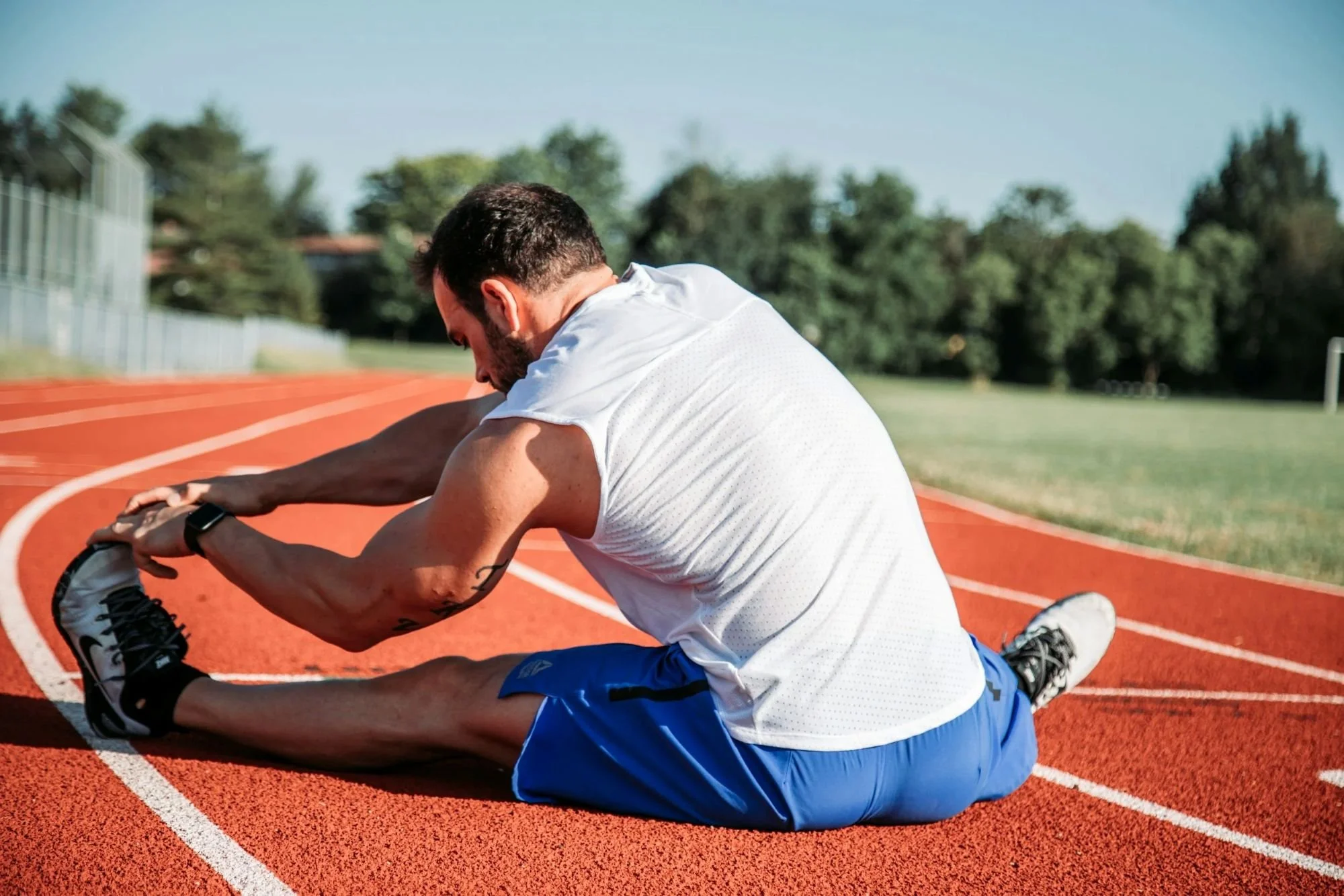
Sport & Muscle Recovery in Melbourne: Assisted Stretching for Athletes
Train Hard, Recover Smarter
Whether you're deep in a training block, playing weekly club sport, or pushing toward a personal best, recovery is where the real gains happen. Muscles repair and adapt between sessions, not during them — and for a lot of Melbourne athletes, recovery is the piece that gets skipped when life gets busy.
Assisted stretching is a genuinely effective, low-impact way to support that recovery process, whether you're managing a heavy training week, coming back from time off, or just trying to feel less stiff between sessions.
You might notice:
Muscles that stay tight for days after a hard session
Reduced range of motion that seems to be limiting your performance
Recurring tightness in the same spot — hips, hamstrings, calves or shoulders
A general feeling of heaviness or restriction during training
Wanting to prevent injury rather than just react to one
Can assisted stretching help with sports recovery? Yes — assisted stretching supports faster, more complete muscle recovery by improving flexibility and range of motion, helping ease post-training tightness, and addressing the muscle imbalances that often lead to overuse injuries. It's not a substitute for proper injury management, and it's not suitable in the first 48–72 hours after an acute injury, but for everyday training recovery and ongoing performance support, it's one of the most effective tools available.

Why Recovery Matters As Much As Training
Muscles Repair Between Sessions, Not During Them
Training creates the stimulus, but the actual adaptation — getting stronger, faster, more resilient — happens during recovery. Skipping it doesn't just mean feeling stiff; it can slow your actual progress.
Tightness Compounds Over a Training Block
A little tightness after one session is normal. Left unaddressed across a full training block, it builds up, often shifting how you move and increasing the risk of compensation injuries elsewhere in the body.
Repetitive Movement Patterns Create Imbalances
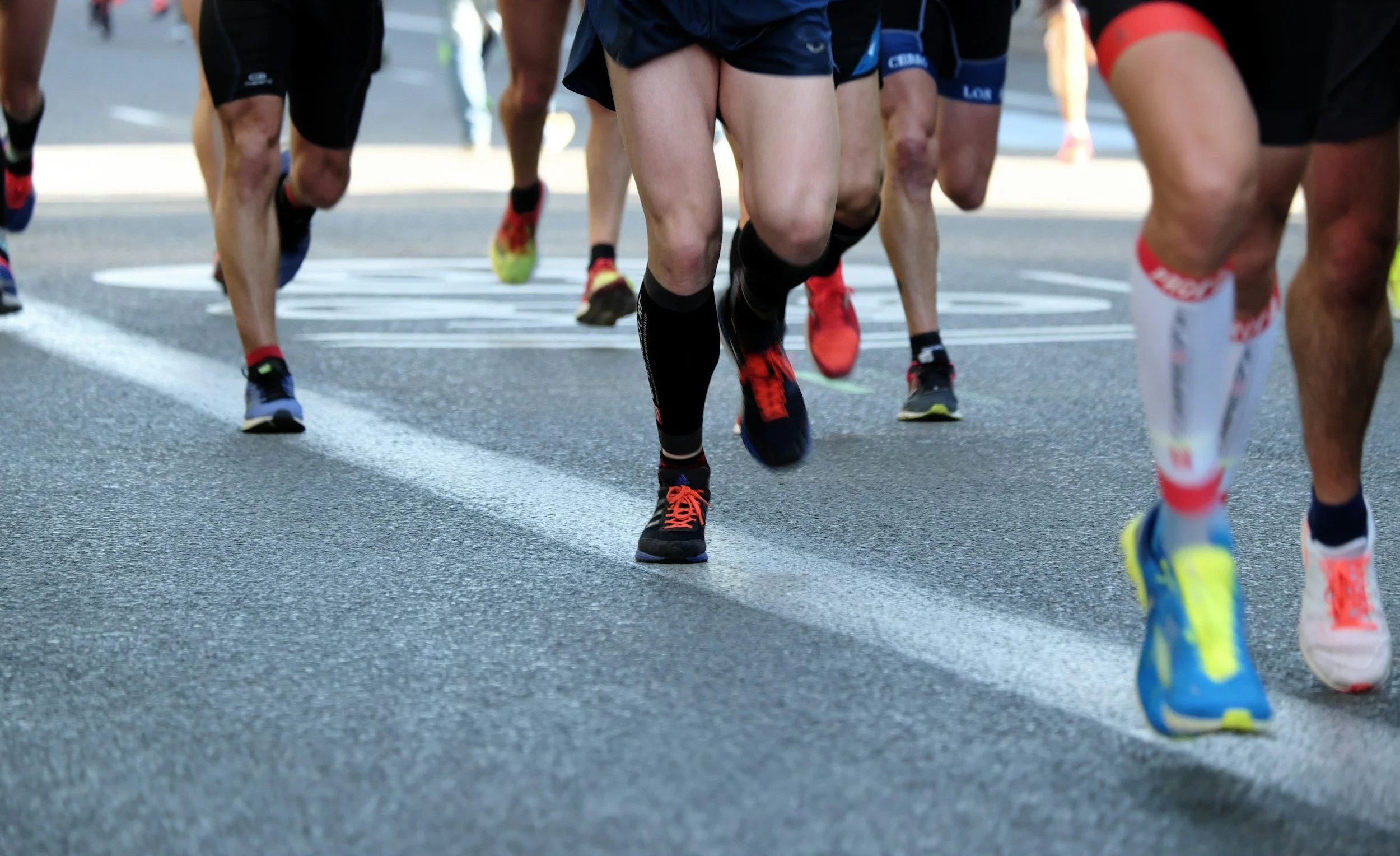
Most sports load certain muscles more than others — a runner's hips and hamstrings, a swimmer's shoulders, a footballer's groin and calves. Without targeted recovery work, these imbalances tend to get more pronounced over a season, not less.
How Assisted Stretching Supports Athletes
Faster Recovery Between Sessions
Guided, supported stretching helps ease muscle tightness more effectively than most self-stretching, so you're not carrying yesterday's session into today's.
Improved Range of Motion
Better mobility through the hips, shoulders and ankles supports more efficient movement patterns, which can translate directly into performance.
Injury Prevention Support
Addressing tightness and imbalances before they become a problem is far easier than managing an injury after the fact. Regular assisted stretching helps catch these patterns early.
Support Through a Full Season or Training Block
Whether you're in pre-season, mid-competition, or building toward an event, assisted stretching can be woven into your schedule to match what your body needs at each stage.
The Science Behind Assisted Stretching for Athletes
Flexibility gains aren't just about lengthening muscle fibres — the nervous system plays a significant role in how much range of motion your body allows, particularly around fatigue and unfamiliar positions.
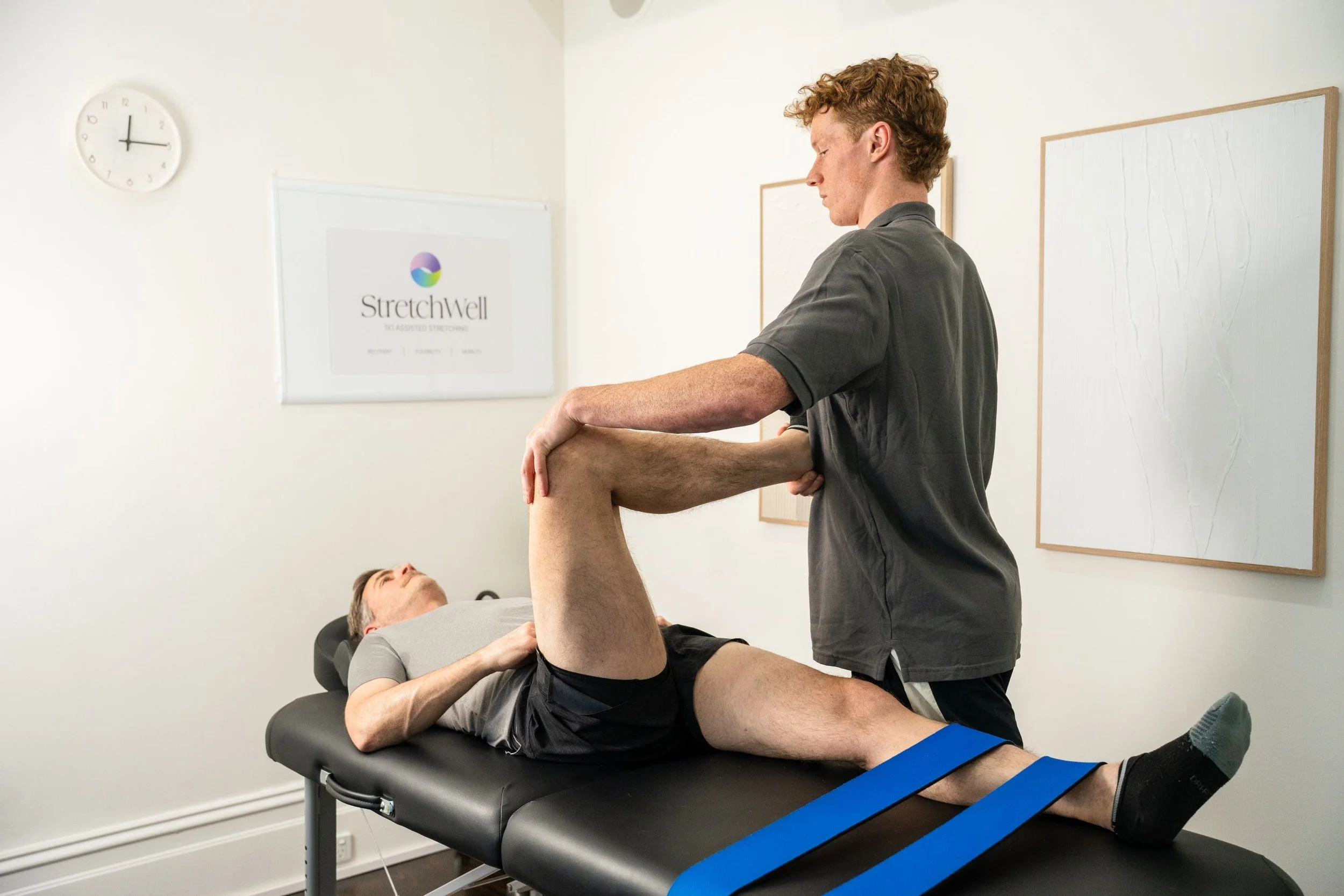
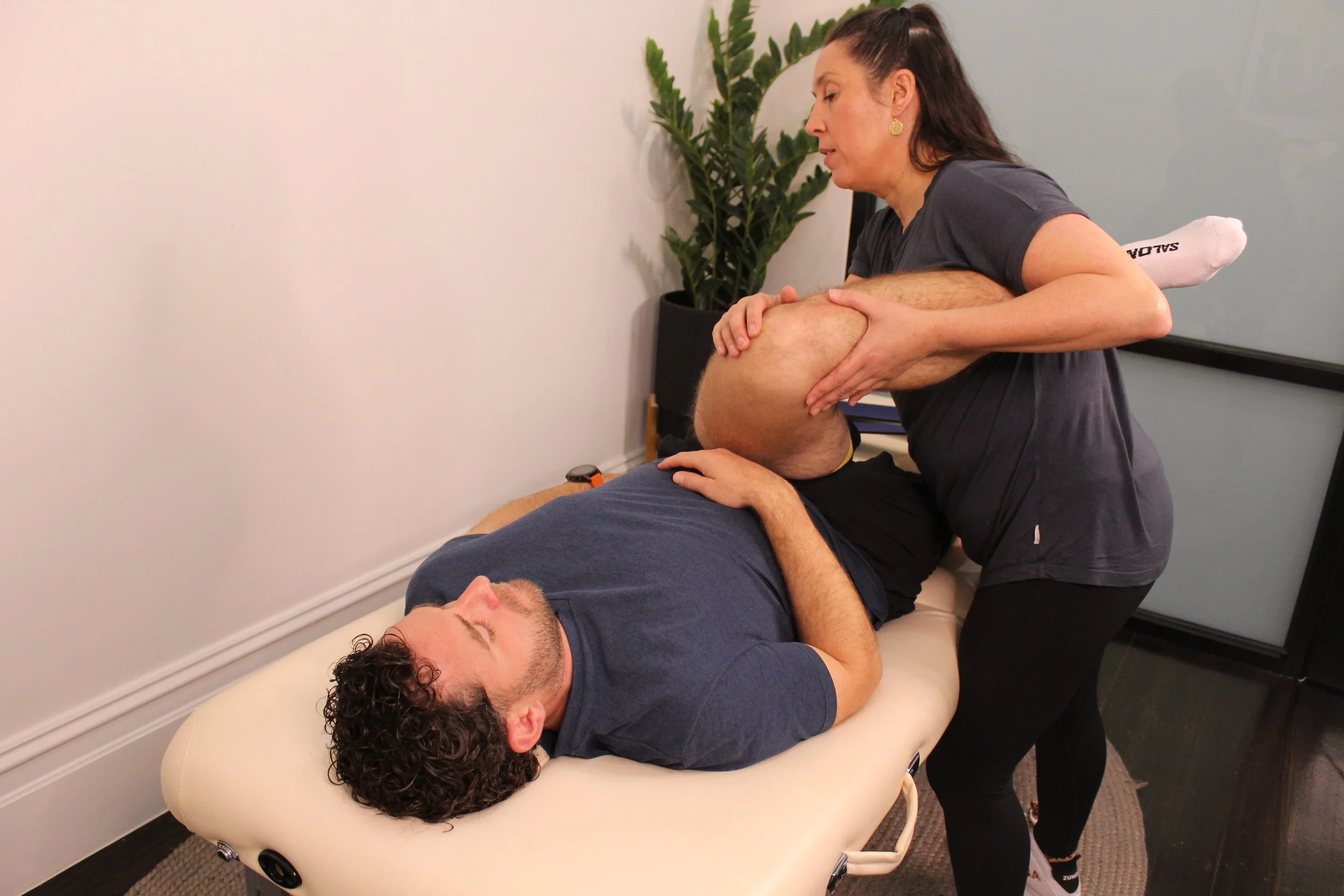
A trained stretch therapist uses controlled, supported movement to help your body relax into a deeper, safer range than most people achieve through self-stretching alone. At StretchWell, we may also use Proprioceptive Neuromuscular Facilitation (PNF) — a technique combining brief muscle contractions with assisted stretching — which is widely used in sports recovery settings to support both flexibility and neuromuscular coordination.
A Note on Safety
Assisted stretching is excellent for general training recovery and ongoing performance support, but it's not appropriate immediately after an acute injury. In the first 48–72 hours following a fresh muscle strain, ligament sprain, or similar injury, stretching can interfere with the body's natural repair process. If you've recently injured yourself, please see a physiotherapist or doctor first, and let your therapist know before booking.
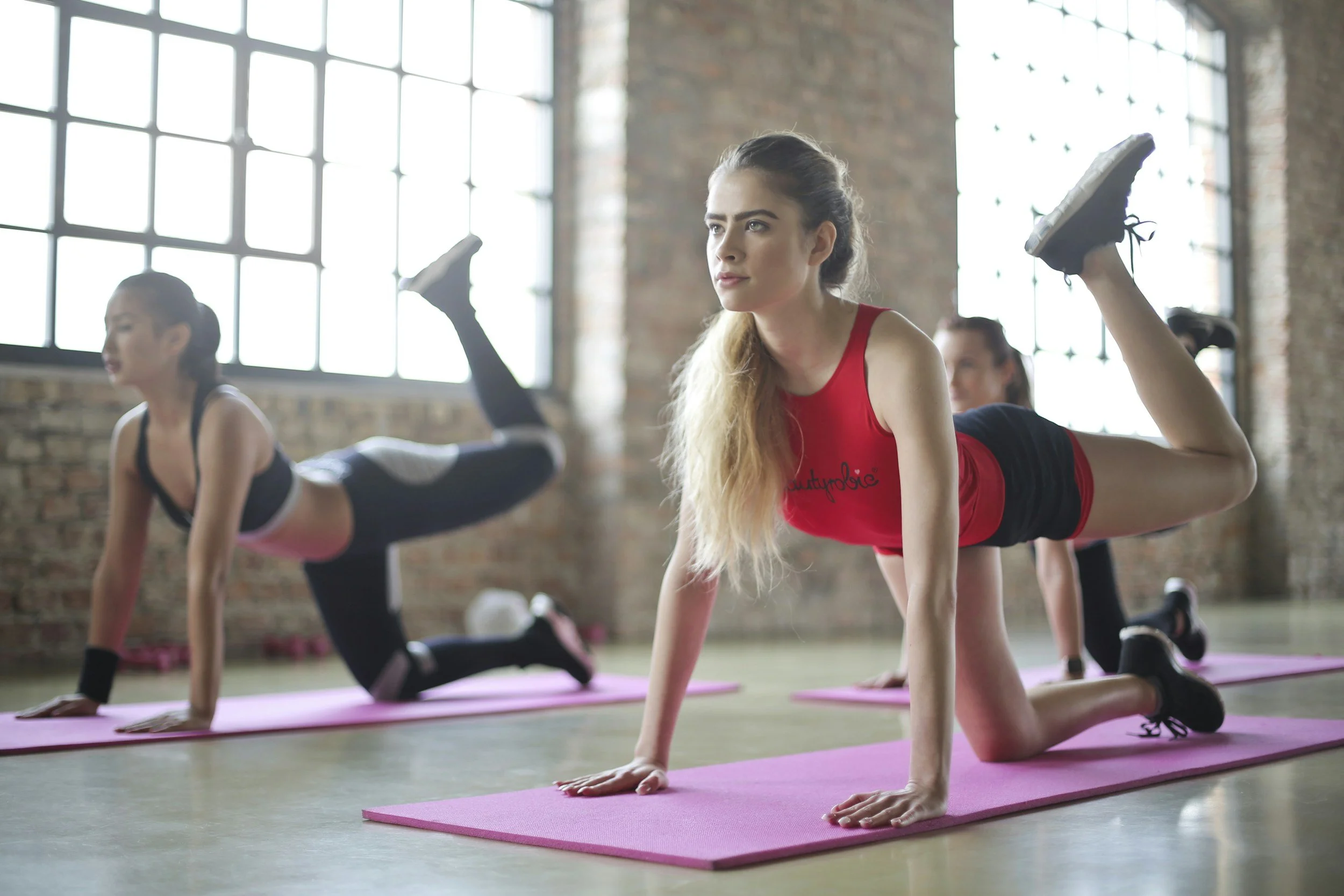
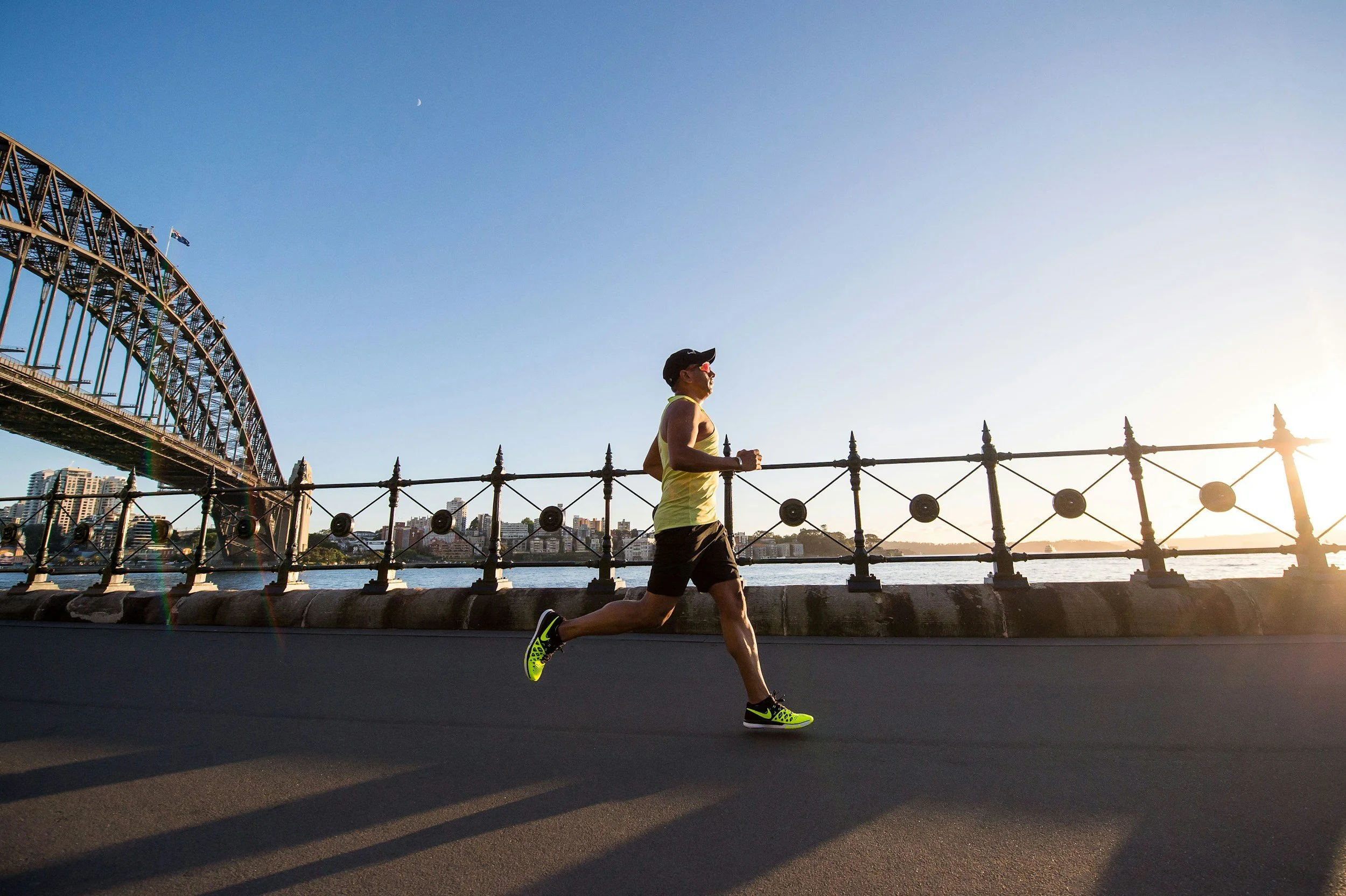
Who Is Sports Recovery For?
Our sports recovery sessions are ideal for:
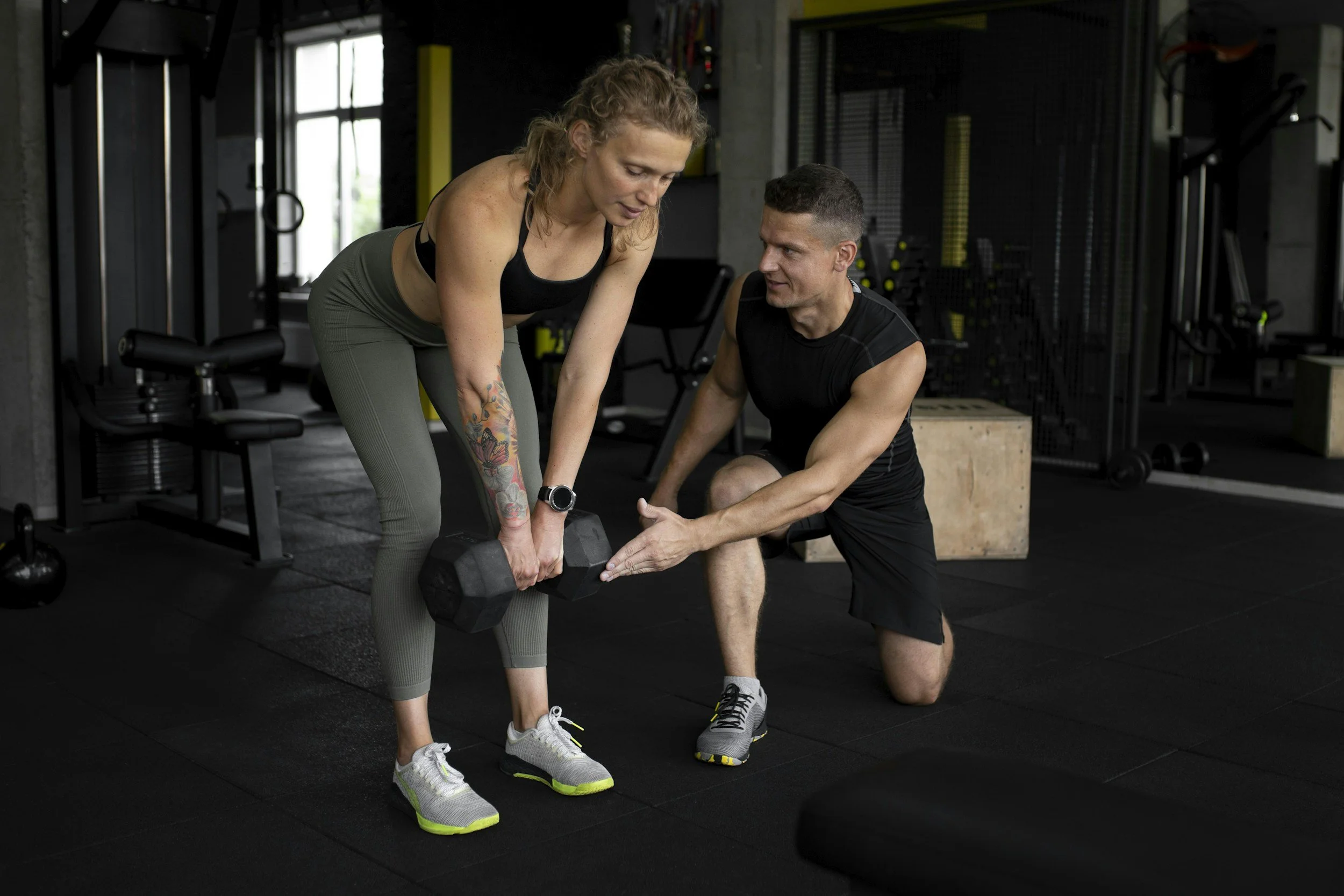
gym-goers
cyclists
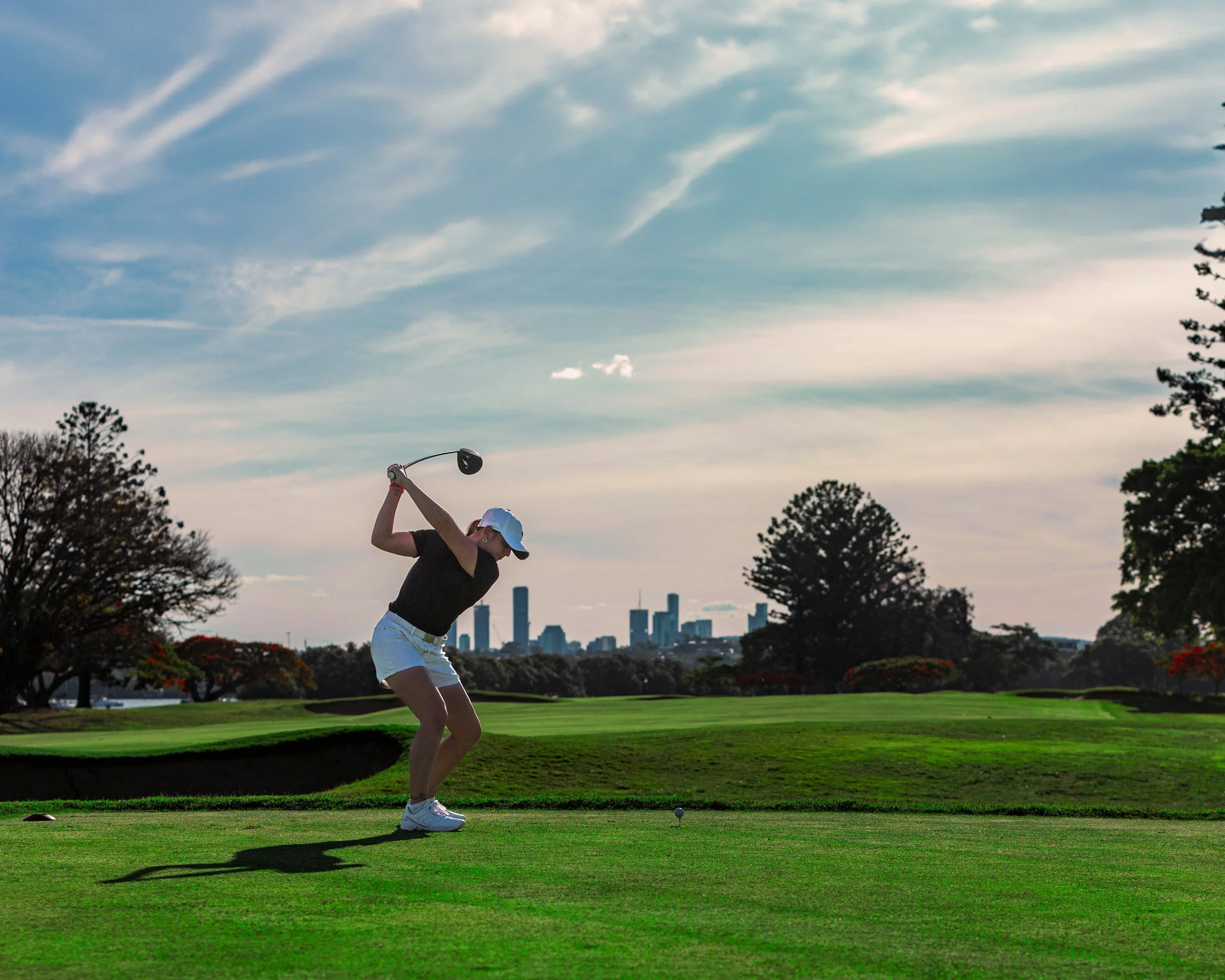
golfers
football and basketball players
pilates and yoga clients
anyone feeling stiff, tight, or restricted
You don’t need to be an athlete to benefit from mobility and recovery work.
Sports Recovery in Northcote & Melbourne
StretchWell proudly services clients across:
Northcote
Brunswick
Fitzroy
Collingwood
Melbourne’s inner north
As more people prioritise recovery, mobility and long-term movement health, assisted stretching is becoming an increasingly popular part of modern wellness and sports recovery routines.

Whatever you train for — running, football, swimming, or simply staying active — StretchWell can help you recover more completely and move with less restriction.
FAQs about Sports & Muscle Recovery
Enhance performance and recover better from sports at StretchWell.
-
Recovery is supported by a mix of good sleep, hydration, light movement, and techniques like stretching.
Keeping muscles moving through their full range of motion can help reduce stiffness after intense activity. -
Assisted stretching helps guide your body through controlled ranges of motion while you stay relaxed.
This can help reduce tightness and restore movement quality after training, games, or competition. -
Light dynamic movement is usually best before exercise, while stretching and recovery work are often more beneficial after training or on rest days when muscles are warm.
-
Improved flexibility and mobility can support better movement efficiency, which may help athletes squat deeper, run more freely, and reduce movement restrictions during sport.
-
It depends on training load, but most active people benefit from regular recovery work at least 1–2 times per week, especially if they train, run, or play sport consistently.
-
Yes — many athletes find a session in the lead-up to an event helpful for addressing tightness and improving range of motion beforehand, as well as for post-event recovery.
-
No — assisted stretching supports general recovery and mobility, while a physiotherapist diagnoses and treats specific injuries. Many athletes use both, particularly when returning from injury.
-
Assisted stretching allows you to fully relax while your therapist controls depth, angle and pacing — something that's genuinely difficult to replicate through self-stretching, particularly for larger muscle groups like the hamstrings and hip flexors.
Related Blog Posts