Lower Back Pain Relief with Assisted Stretching in Melbourne
Feel Less Tight, Move More Comfortably and Support a Healthier Back
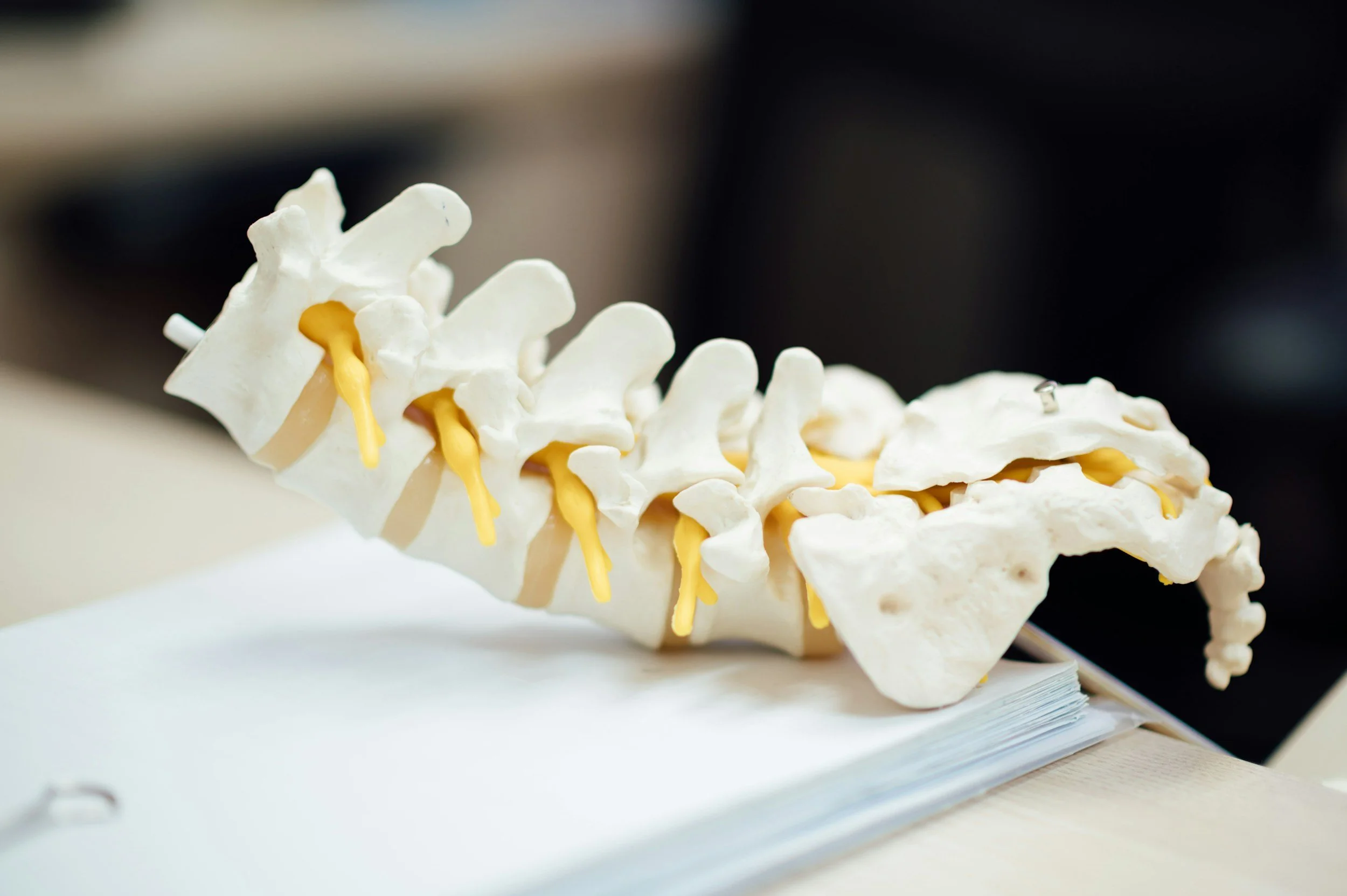
Lower back pain is one of the most common complaints people bring to us — and often it isn't the back itself that's the problem.
Whether it's from long hours sitting at a desk, training hard, poor posture, or simply not moving enough, tension elsewhere in the body frequently shows up as tightness or discomfort in the lower back.
You may notice:
Stiffness when standing up after sitting
A dull ache across the lower back by the end of the day
Tightness that spreads into the hips or glutes
Reduced range of motion when bending or twisting
Discomfort that flares up after exercise or long periods of inactivity
Can assisted stretching help lower back pain? Yes — in many cases. Assisted stretching or stretch therapy can help ease lower back tension by improving mobility in the hips, hamstrings and glutes, which are often the real source of the strain, rather than the lower back itself. It's not a replacement for medical treatment, but it's an effective, hands-on way to support a healthier, more mobile back.
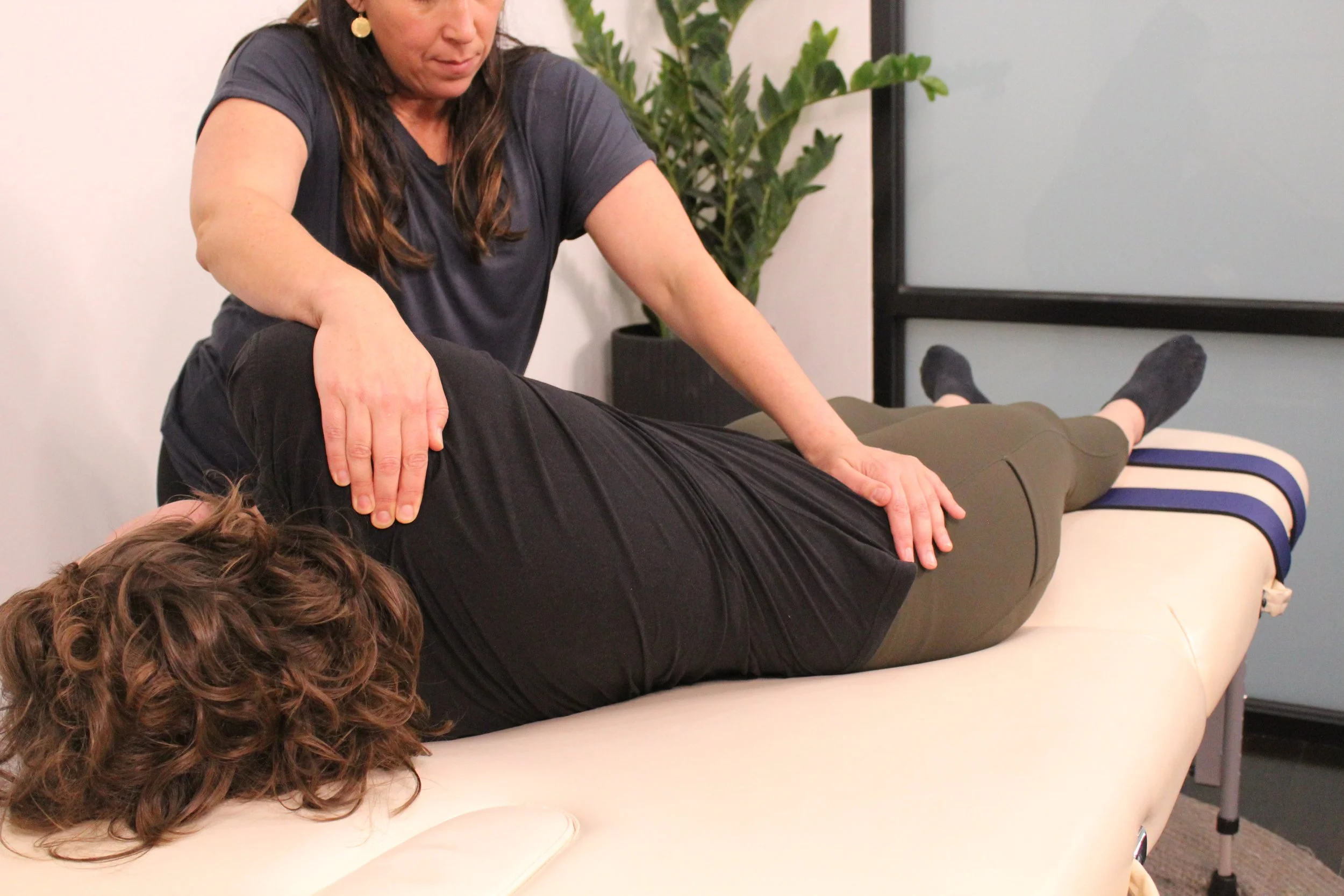
At StretchWell, our assisted stretching sessions are designed to help release the tension patterns that contribute to lower back discomfort through personalised, therapist-guided stretching.
Why Does Your Lower Back Feel Tight or Sore?
Your lower back works hard to stabilise your entire body, which makes it especially sensitive to tightness elsewhere.
Common contributors to lower back tension include:
Tight Hips and Hip Flexors
When your hip flexors are shortened from long periods of sitting, your pelvis can tilt forward, placing extra strain on your lower back to compensate.
Tight Hamstrings and Glutes
Restricted hamstrings and underactive glutes change how your pelvis sits, which often shows up as tension and discomfort through the lower back.
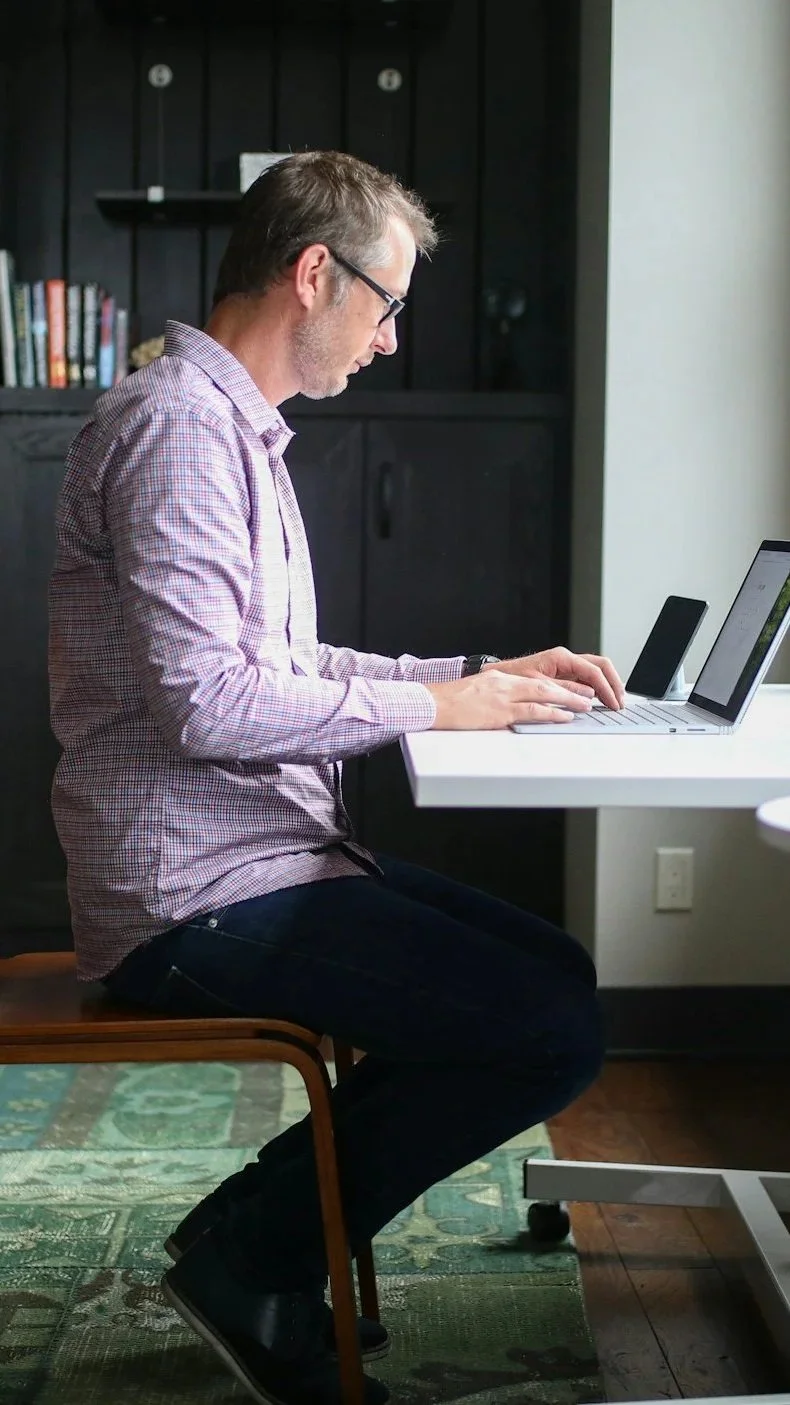
Sitting for Long Periods
Extended sitting reduces movement through the hips and spine, allowing the surrounding muscles to stiffen and the lower back to take on more load than it should.
Exercise and Training
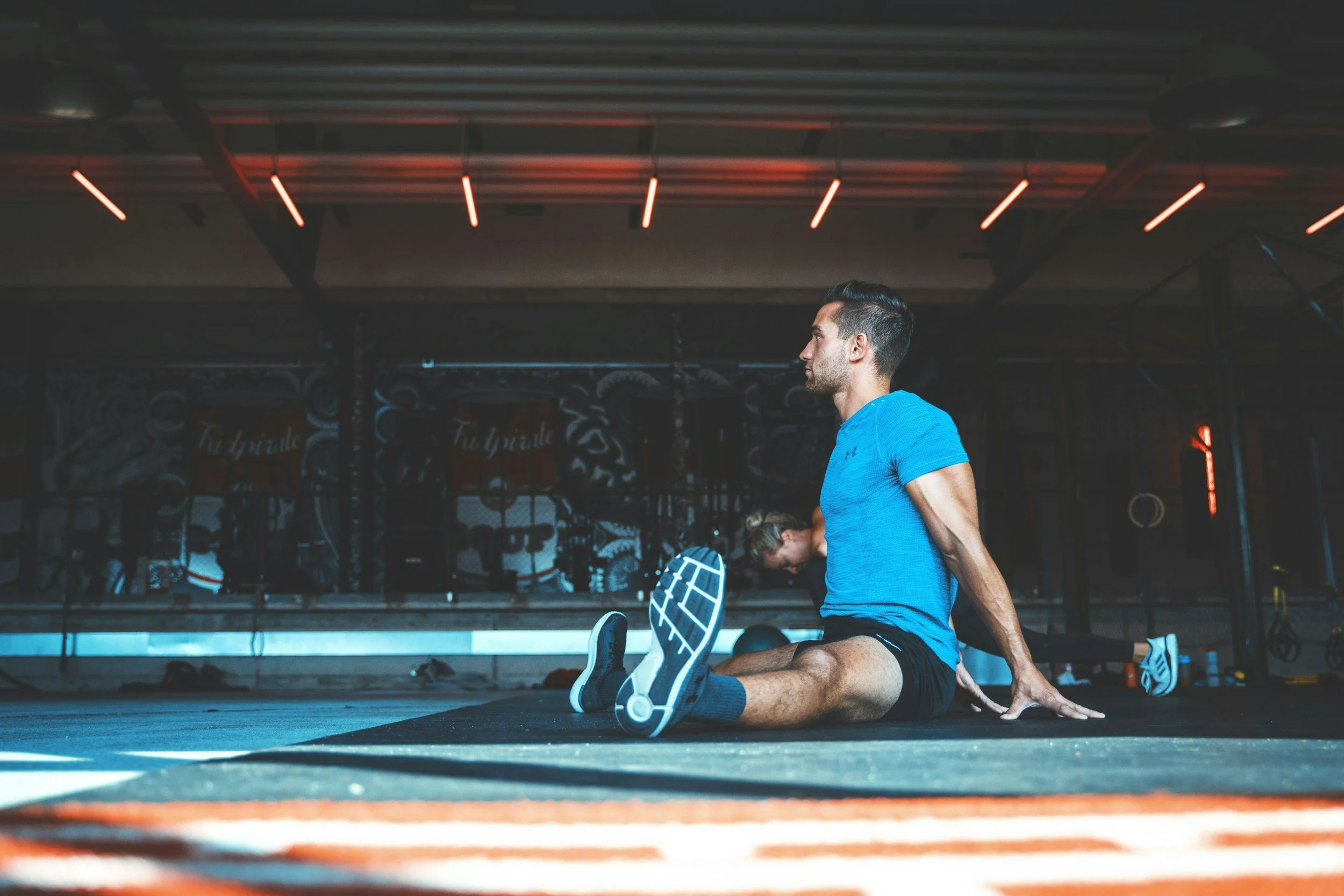
Repetitive movement patterns from running, lifting or cycling can create imbalances that leave certain areas — including the lower back — feeling overworked and tight.
Stress and Muscle Tension
Your nervous system plays a real role in how your body holds tension. When you're stressed, muscles around the spine can stay more guarded, contributing to a feeling of tightness.
Why Stretching Your Lower Back Yourself May Not Be Enough
It's tempting to stretch the lower back directly when it feels tight — but the lower back is often compensating for restriction elsewhere, not the true source of the problem.
Self-stretching also makes it hard to:
Isolate the hips and hamstrings without your back taking over the movement
Fully relax while also controlling and stabilising your own position
Apply the right amount of assistance safely through a deeper range
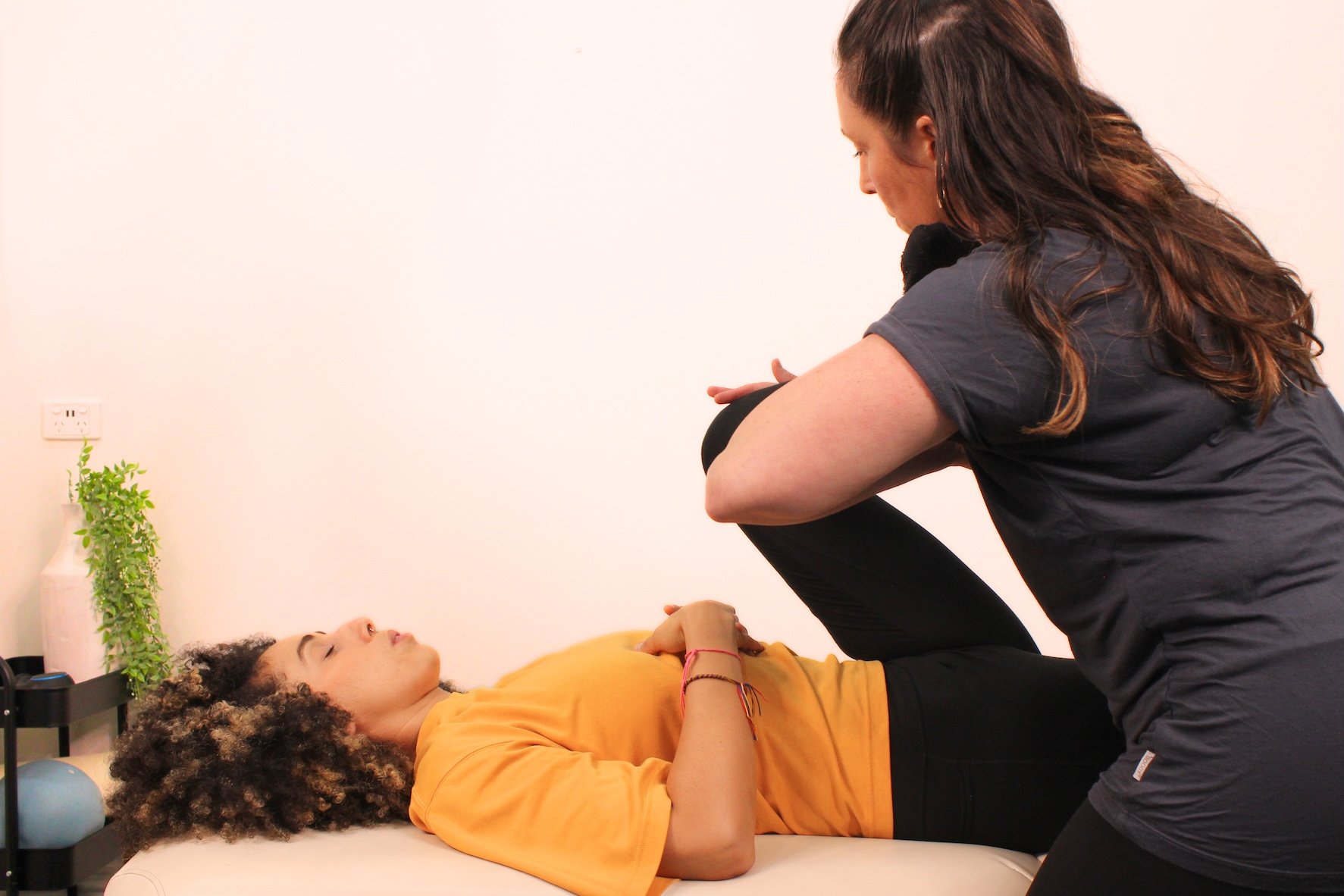
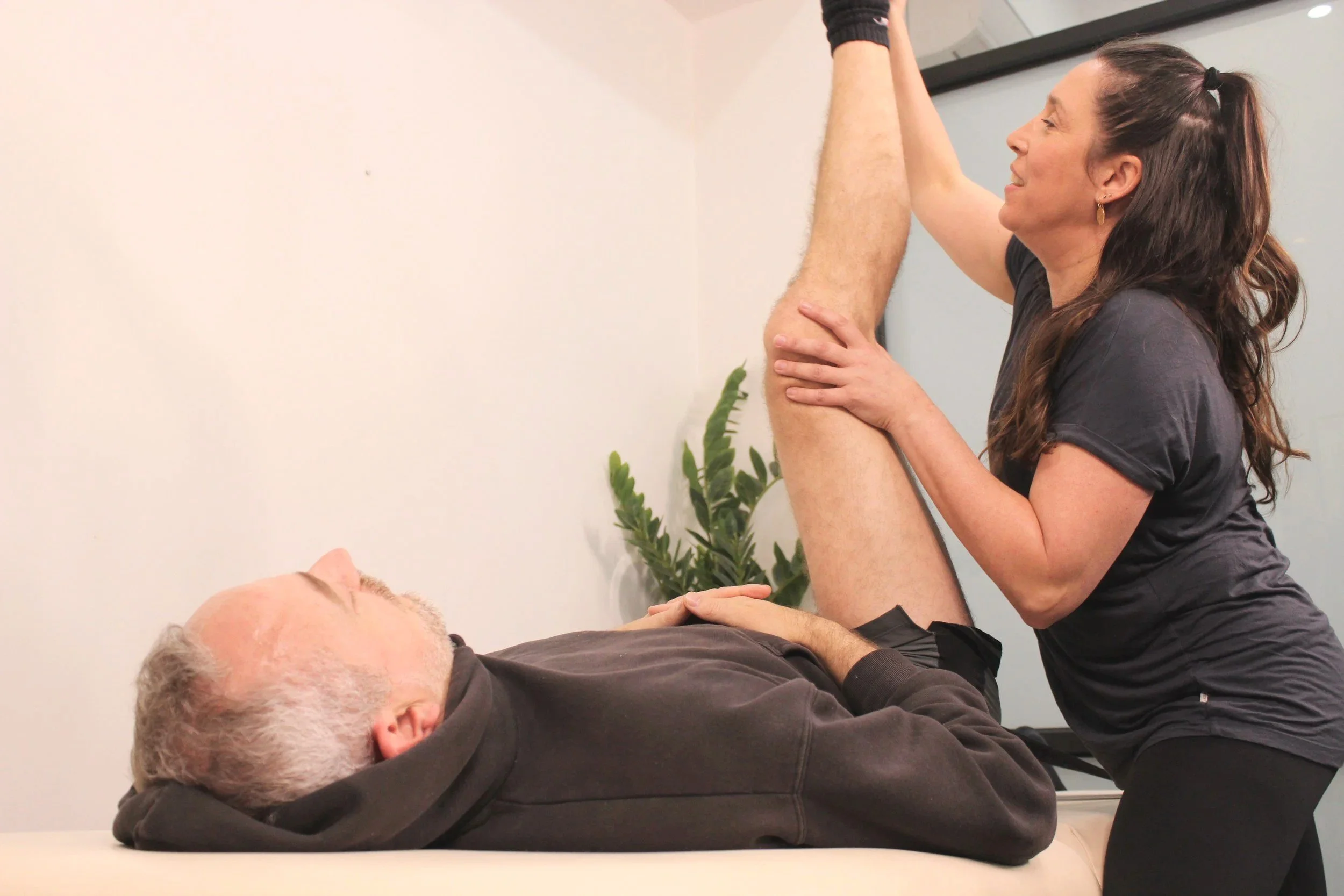
During assisted stretching, your therapist supports your body so you can relax into each position, allowing your nervous system to settle and your hips, hamstrings and glutes to release more effectively — taking pressure off the lower back itself.
How Assisted Stretching Helps Lower Back Pain
Rather than working the lower back in isolation, your stretch therapist targets the surrounding areas that most often drive lower back tension:
Hip Flexors
Tight hip flexors from prolonged sitting can tilt the pelvis and increase strain on the lower back. Improving hip flexor mobility helps restore a more neutral, comfortable position.
Hamstrings
Restricted hamstrings pull on the pelvis and can round the lower back during everyday movement. Guided hamstring stretching helps take that load off.
Glutes
Strong, mobile glutes help stabilise the pelvis and support the lower back. Assisted stretching can help release tightness that's limiting how well they function.
Piriformis and Deep Hip Rotators
These deep muscles influence hip rotation and pelvic stability. Releasing tension here can ease compensatory strain through the lower back.
The Science Behind Assisted Stretching for Lower Back Pain
Flexibility isn't just about muscle length — it's also about how safe your nervous system perceives a movement to be.
When your brain senses a position as unfamiliar or intense, it can increase muscle tension as a protective response, which is part of why self-stretching the lower back can feel unproductive or even uncomfortable.
A trained stretch therapist uses slow, controlled movement and precise positioning to help your body relax into each stretch. At StretchWell, we may also incorporate Proprioceptive Neuromuscular Facilitation (PNF) techniques where appropriate, combining gentle muscle contractions with assisted stretching to support better range of motion over time.
Most clients notice reduced tightness after a single stretch therapy session, with more noticeable, lasting improvements developing over consistent sessions across a few weeks.
Ease Your Lower Back Tension With Assisted Stretching in Melbourne
Your lower back shouldn't have to work overtime for tightness happening elsewhere in your body.
Whether you sit at a desk, train regularly, or simply want to move more comfortably, StretchWell can help you work towards a looser, more supported lower back.
Book your assisted stretching session today and take the first step towards a more comfortable back.
FAQs about Lower Back Pain
If you’re ready to relieve your lower back pain, book with us today.
-
In many cases, yes. Assisted stretching can help ease lower back tension by improving mobility in the hips, hamstrings and glutes — areas that often contribute more to lower back discomfort than the lower back itself.
-
Lower back pain is often linked to tight hip flexors, hamstrings or glutes, long periods of sitting, repetitive movement patterns from exercise, or general muscle tension from stress. It's rarely just about the lower back muscles alone.
-
Assisted stretching is generally safe and gentle, working within your comfortable range of motion. However, if you have a diagnosed spinal condition, recent injury, or persistent severe pain, please check with your GP or physiotherapist before booking, and let your therapist know beforehand.
-
Assisted stretching or stretch therapy focuses on improving mobility and range of motion through guided movement, rather than manipulating soft tissue directly like a massage. It's not a clinical treatment, but it sits alongside massage and physiotherapy as a complementary, movement-based approach.
-
This depends on your goals and how your body responds, but many clients find weekly or fortnightly sessions helpful for building lasting improvements, rather than one-off relief.
-
If your lower back pain is sudden and severe, doesn't improve, or comes with numbness, tingling, leg weakness, or changes in bladder or bowel control, please see a doctor promptly rather than relying on stretching alone. Assisted stretching is a great complement to medical care, not a replacement for it.
Related Blog Posts