Why Tight Hips and Hamstrings Might Be Causing Your Lower Back Pain
If you deal with regular lower back tightness or discomfort, it's natural to focus on the back itself. But in a lot of cases, the lower back isn't actually where the problem starts — it's compensating for tightness elsewhere.
Your Lower Back Doesn't Work Alone
The lower back is supported by a whole network of surrounding muscles, including the hip flexors, hamstrings and glutes. When any of these become tight or restricted, the lower back often has to pick up the slack — moving more than it should to make up for stiffness elsewhere.
This is a big part of why stretching the lower back directly doesn't always bring lasting relief. If the hips and hamstrings stay tight, the lower back keeps compensating, and the tension tends to come straight back.
How Tight Hip Flexors Contribute to Back Pain
Long hours sitting — at a desk, in the car, on the couch — keep the hip flexors in a shortened position. Over time, this can tilt the pelvis forward, which places extra strain on the lower back to keep you upright. It's one of the most common patterns we see in office workers.
How Tight Hamstrings Play a Role
Tight hamstrings pull on the pelvis from the opposite direction, which can also throw off your posture and add pressure to the lower back. This is especially common in people who sit a lot and don't stretch regularly, as well as runners and cyclists with repetitive strain patterns.
Why Self-Stretching Doesn't Always Fix It
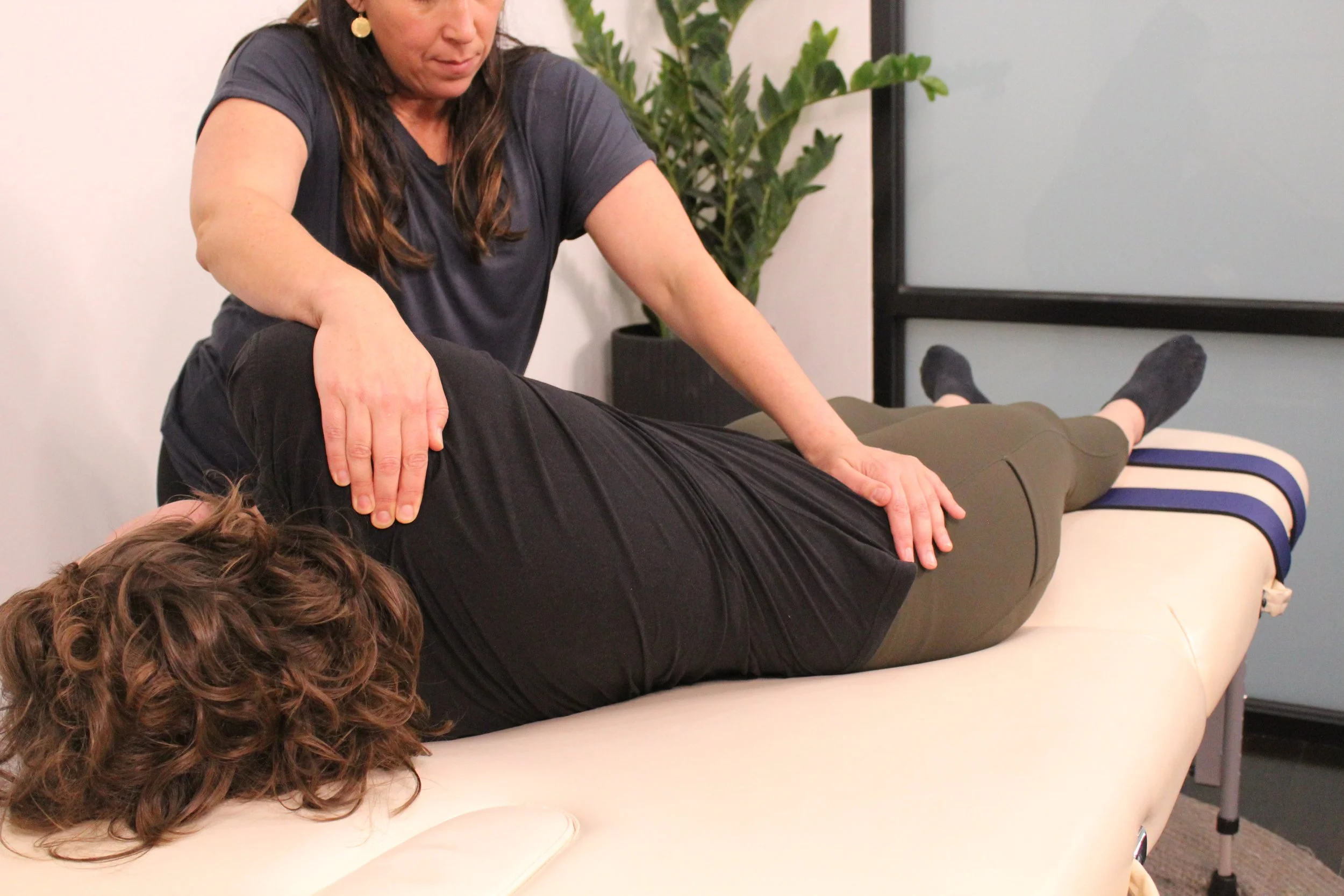
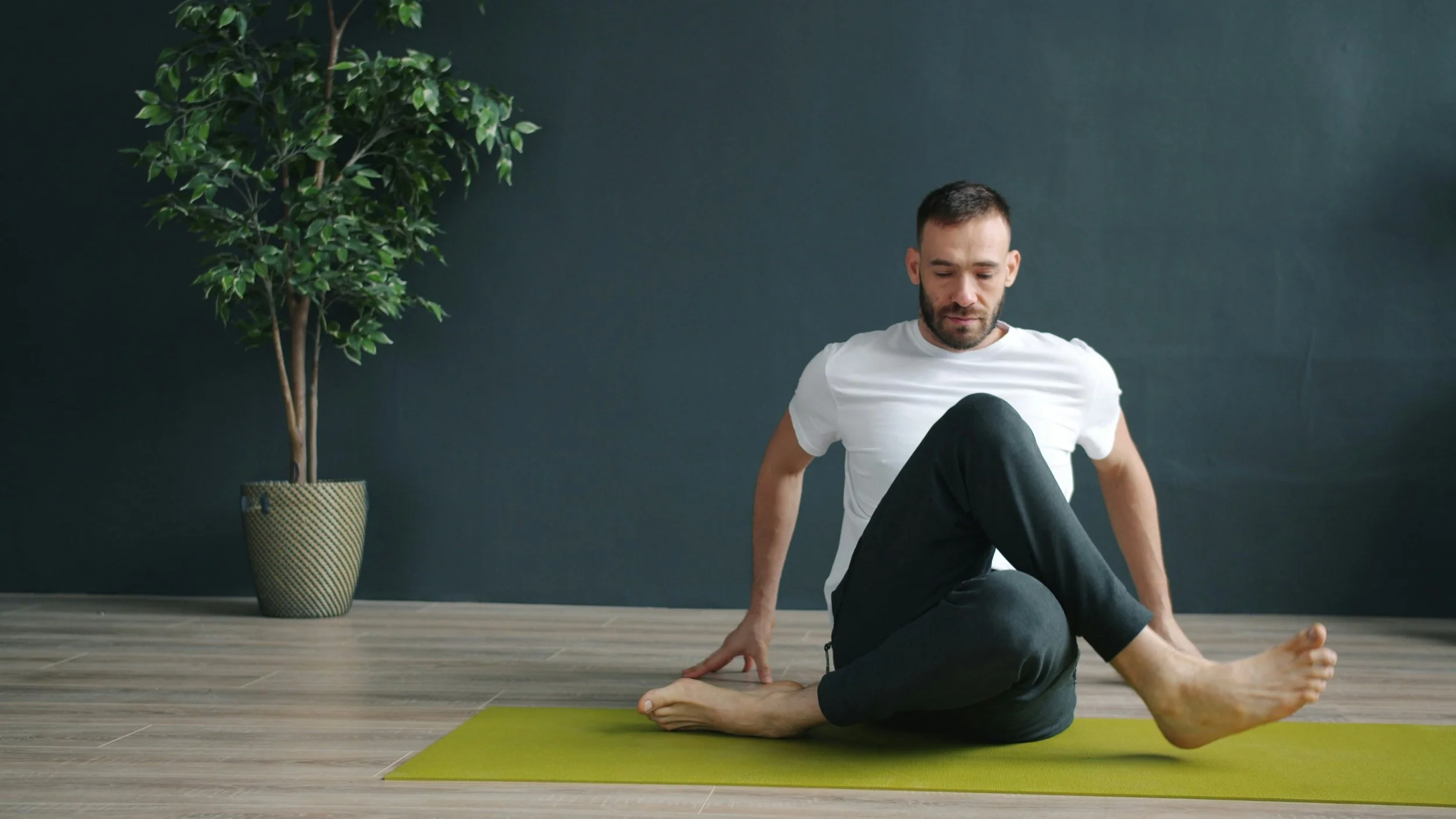
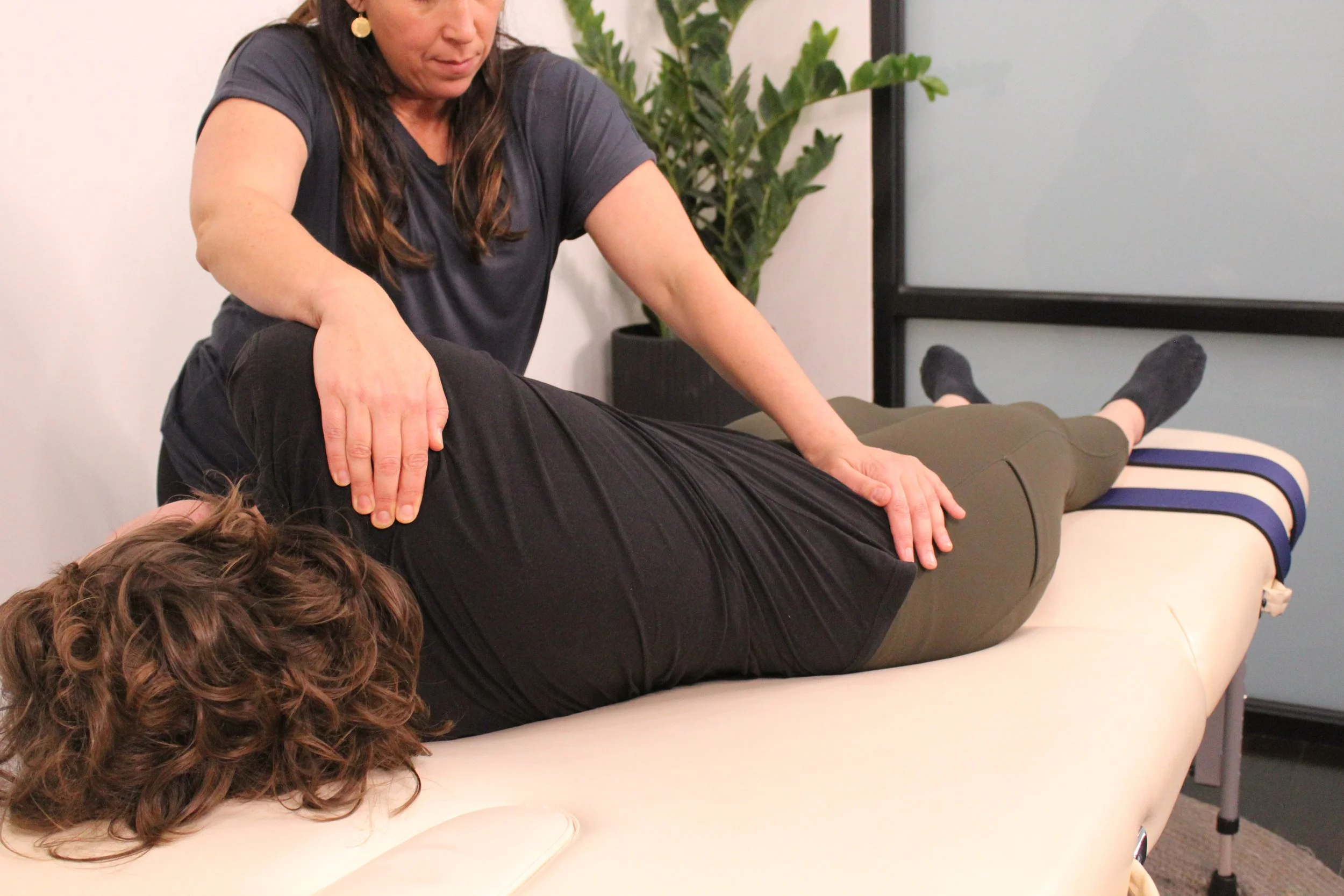
Stretching your hips and hamstrings on your own is genuinely useful — but it's easy to unintentionally let your lower back take over the movement instead of properly isolating the tight area, especially if you're already dealing with some discomfort. This is where a guided, therapist-assisted approach can help you get a fuller stretch safely, without compensating through the back.
When It's More Than Just Tightness
Most lower back tightness responds well to improved mobility and regular stretching. But it's worth seeing a doctor if your pain is sudden and severe, doesn't improve, or comes with numbness, tingling, or leg weakness — these can be signs of something that needs medical attention rather than stretching.
How Assisted Stretching Can Help
At StretchWell, our approach to lower back tension focuses on the areas that actually drive it — the hips, hamstrings and glutes — rather than working the lower back in isolation. Your therapist guides you through each stretch so you can relax fully, without having to stabilise or compensate yourself.
If you're dealing with regular lower back tightness, find out more about how we approach lower back pain or book a session to get started.
Related Posts