7 Gentle Mobility Exercises for Over 60s
Why mobility matters more as we get older
Getting out of a low chair, reaching the top shelf, turning to check your blind spot, tying your shoes. These everyday movements rely on mobility, and it's often the first thing we notice slipping as we get older.
The good news is that a few minutes of gentle movement most days makes a real difference. Australia's Physical Activity and Exercise Guidelines recommend that adults over 65 do some form of physical activity every day, including activities for flexibility, strength and balance.
The seven exercises below are gentle, need nothing more than a sturdy chair, and can be done in your lounge room in about 10–15 minutes.
Before you start
Check with your GP or physio first if you've had recent surgery (especially a hip or knee replacement), have osteoporosis, a heart condition, or are new to exercise.
Use a sturdy chair without wheels, ideally with its back against a wall, and wear comfortable clothes and supportive shoes.
Move slowly and breathe normally. Never hold your breath during a stretch.
Stretch to mild tension, not pain. You should feel a gentle pull, never a sharp or pinching feeling.
Stop straight away if you feel dizzy, short of breath, chest discomfort or sudden pain.
If you're worried about falls, Healthdirect has helpful information on falls prevention and staying steady at home.
The 7 exercises
1. Seated marching (warm-up)
Sit tall near the front of the chair with your feet flat. Lift one knee a little, lower it, then lift the other, like marching on the spot. Swing your arms gently if that's comfortable.
Do: 30–60 seconds.
Helps with: getting the blood flowing and warming up your hips before you stretch.
2. Ankle circles
Sitting tall, lift one foot slightly off the floor and slowly draw circles with your toes. Switch direction, then switch feet.
Do: 10 circles each way, each foot.
Helps with: stiff ankles, which affect balance and walking.
3. Shoulder rolls and chest opener
Roll your shoulders slowly up, back and down. Then rest your hands on your lower back or the sides of the chair, and gently squeeze your shoulder blades together as you lift your chest.
Do: 10 rolls, then hold the chest opener for 15–20 seconds. Repeat twice.
Helps with: rounded shoulders and reaching overhead.
4. Seated hamstring stretch
Sit near the front of the chair. Straighten one leg out in front with your heel on the floor and toes pointing up. Keeping your back straight, hinge forward slightly from your hips until you feel a gentle stretch behind your thigh.
Do: hold 20–30 seconds, twice each leg.
Helps with: bending down, getting in and out of the car, and lower back tightness.
5. Gentle seated twist
Sit tall with both feet flat. Place your right hand on your left knee and gently turn your upper body to the left, looking over your shoulder. Return to the middle and repeat on the other side.
Do: hold 10–15 seconds, twice each side.
Helps with: turning to look behind you, like checking your blind spot.
Skip this one if you have osteoporosis or a recent hip replacement, unless your GP or physio has said it's OK.
6. Supported calf stretch
Stand behind the chair holding the back with both hands. Step one foot back, keeping that heel on the floor and your back leg straight. Bend your front knee slightly until you feel a stretch in the back calf.
Do: hold 20–30 seconds, twice each leg.
Helps with: walking comfortably and reducing calf tightness.
7. Sit-to-stand
Sit near the front of the chair with your feet hip-width apart. Lean forward slightly and stand up, using your hands on your thighs or the armrests if you need to. Sit back down slowly and with control.
Do: 5–10 times. Rest, then repeat once or twice.
Helps with: leg strength for getting up from chairs, the couch and the toilet. It's one of the most useful exercises you can do.
Making it a habit
The whole routine takes 10–15 minutes. Aim for most days of the week, but even three times a week will help. Some easy ways to make it stick:
Pair it with something you already do, like after your morning cuppa or during the ad breaks of your favourite show.
Start small. Two or three exercises is plenty for the first week. Add more as they feel easy.
Notice the wins. Getting out of the car more easily or turning further to reverse are signs it's working.
Add a walk. Combining these exercises with a daily walk covers a lot of what your body needs.
When a hands-on session helps
Stretching on your own is a great start, but it has limits. If you're very stiff, it can be hard to get into positions or relax enough for the stretch to work. That's where assisted stretching comes in.
In a one-on-one session, your stretch therapist moves your body for you while you lie comfortably on a treatment table, fully clothed. Every stretch is adjusted to your range and comfort, so it suits people who find floor-based exercise or classes difficult.
Many of our older clients use a monthly session to loosen up the areas they can't reach on their own, then keep things moving at home with exercises like the ones above. Find out more about stretching for healthy ageing.
FAQs
How often should seniors stretch? Most days is ideal, but three times a week still helps. Little and often works better than one long session.
How long should I hold each stretch? Around 20–30 seconds is a good guide for most stretches. Ease into it, breathe normally and never bounce.
Is it too late to improve flexibility in your 60s or 70s? Not at all. Muscles and joints respond to regular movement at any age. Most people notice everyday tasks feel easier within a few weeks of stretching regularly.
Is assisted stretching safe for older adults? For most people, yes, because your therapist adjusts every stretch to your comfort. We can't stretch you if you've had major surgery in the past 12 months, haven't been cleared for normal activity, or have a muscle injury or DVT. If you're unsure, get in touch and ask before booking.
Want a hand?
If you'd like help loosening up the areas you can't reach on your own, our one-on-one sessions are designed to work at your pace. Start with a Full Body Stretch, read what to expect, or book online at our Northcote studio. Booking for a parent? Our gift cards make a thoughtful present!
Simple Ways to Stay Mobile as You Age
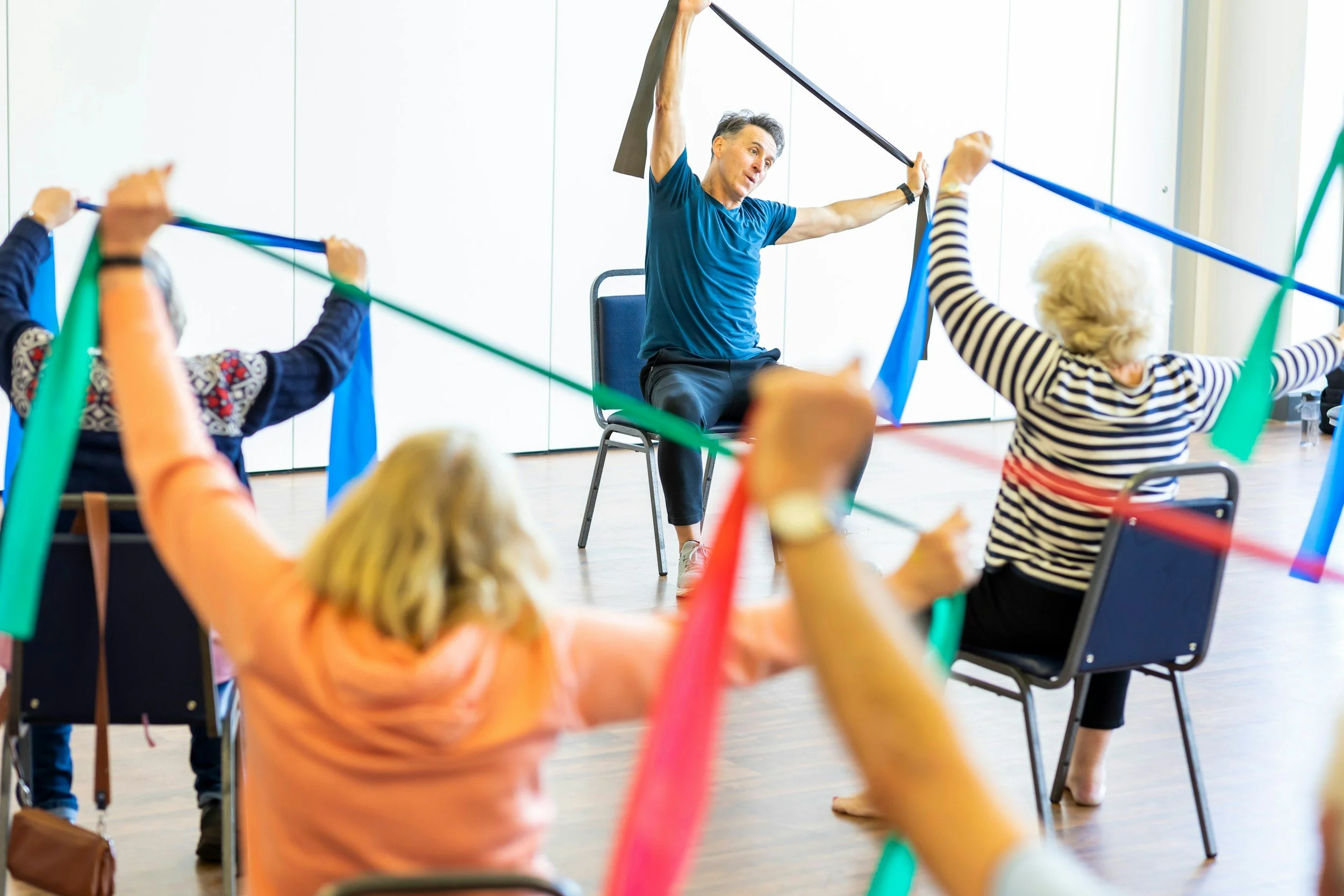
Supporting flexibility doesn't have to involve intense exercise. Small, consistent habits often make the biggest difference.
Some simple ways to keep moving include:
Take regular walks.
Change position frequently if you sit for long periods.
Stretch consistently throughout the week.
Stay active with activities you enjoy.
Work on balance and strength alongside flexibility.
Listen to your body and progress gradually.
Consistency is far more important than intensity.
When Should You Seek Extra Support?
If you're experiencing persistent stiffness, finding it difficult to complete everyday activities or simply don't know where to begin, working with a trained stretch therapist can provide the guidance and confidence to move more comfortably.
Everyone's body is different, and a personalised stretching program can help address your individual goals, movement restrictions and lifestyle.
Support Your Healthy Ageing Journey
Maintaining flexibility and mobility is one of the simplest ways to invest in your long-term health.
Whether your goal is staying active, enjoying hobbies, travelling comfortably or simply feeling less stiff from day to day, improving the way your body moves can make a meaningful difference.
At StretchWell, our one-on-one assisted stretching sessions are tailored to your body, helping you improve flexibility, increase mobility and continue enjoying an active lifestyle at every stage of life.
If you'd like to learn more, explore our Flexibility and Healthy Ageing pages to see how personalised assisted stretching can support your movement goals.
Related Posts