How to Choose an Assisted Stretching Studio: 7 Questions to Ask
What to Look For Before Booking Your First Session
Over the last few years, assisted stretching has become one of Melbourne's fastest-growing wellness services. More people are discovering the benefits of improving flexibility, restoring mobility and taking better care of their bodies through guided, one-on-one stretching sessions.
As a result, there are now more assisted stretching studios opening across Melbourne than ever before.
While that's great news for consumers, it also raises an important question:
How do you know which assisted stretching studio is right for you?
Not all stretching sessions are created equal.
Different studios use different techniques, have different philosophies and offer very different client experiences. Some focus purely on helping you feel good for an hour, while others aim to create meaningful improvements in how your body moves over time.
If you're searching for the best assisted stretching studio in Melbourne, this guide will help you understand what to look for before booking your first session.
We'll explain the factors that separate a quality stretching experience from an average one, how assisted stretching actually works, and why choosing the right therapist can make all the difference.
Why Assisted Stretching Is Becoming So Popular in Melbourne
People are moving more than ever—but they're also sitting more than ever.
Long hours at a desk, commuting, working from home and spending time on our phones all influence how our bodies feel and move. Even people who exercise regularly often experience stiffness because repetitive movement patterns and strength training can create areas of tightness if mobility isn't maintained alongside them.
This has led many Melburnians to look beyond traditional stretching routines.
Rather than trying to stretch alone for ten minutes after the gym, people are discovering the value of working with a trained therapist who can guide their body through movements they simply can't achieve by themselves.
Assisted stretching has become popular with:
Office workers experiencing neck, shoulder and hip stiffness
Gym-goers wanting better mobility for lifting and movement quality
Runners, cyclists and athletes supporting their recovery
Golfers and tennis players wanting greater rotational mobility
Older adults wanting to maintain flexibility and comfortable movement
Anyone who simply wants to feel less tight in everyday life
At StretchWell, we've seen this shift firsthand. More and more clients are recognising that mobility isn't just about touching your toes—it's about improving how your body feels and functions every day.
Not All Assisted Stretching Studios Are the Same
From the outside, many stretching studios can appear similar.
You lie on a treatment table, a therapist moves your limbs through different positions and you leave feeling looser than when you arrived.
But what happens during the session—and more importantly, why it's happening—can vary significantly.
The best assisted stretching sessions aren't simply about pulling muscles longer.
They're about understanding how the body moves, how the nervous system responds to stretching and how different muscles work together to create efficient movement.
A quality therapist isn't following a memorised routine.
They're observing your movement, adapting techniques to your body and helping you achieve improvements that make sense for your lifestyle and goals.
So what should you actually be looking for?
1. Every Session Should Be Personalised
One of the biggest signs of a quality assisted stretching studio is whether your session is tailored specifically to you.
No two bodies move exactly the same.
Your flexibility is influenced by your lifestyle, exercise habits, previous injuries, work environment, age and even how your nervous system responds to movement.
Someone who sits at a computer all day will often present with very different mobility restrictions to someone training for a marathon or spending their days working on construction sites.
That's why personalised treatment matters.
A good therapist should begin by understanding:
Your movement goals
Your daily routine
Areas where you feel restricted
Sports or activities you participate in
Previous injuries or relevant health history
How your body responds during the session
This information allows the session to be built around your body—not around a generic stretching sequence.
At StretchWell, every assisted stretching session begins with a conversation. We want to understand how you move, what you're hoping to improve and what may be contributing to your current mobility before we begin stretching.
That means two clients booking the same session may receive completely different treatments because their bodies—and their goals—are different.
2. Look for Therapists Who Understand Human Movement

Stretching might seem simple from the outside.
After all, anyone can pull on a hamstring or reach overhead.
But effective assisted stretching requires much more than knowing a handful of stretches.
The human body is an incredibly connected system.
A restriction in one area can influence movement somewhere completely different.
For example:
Tight hip flexors may contribute to reduced hip extension during walking.
Limited upper back mobility can affect shoulder movement overhead.
Restricted ankles may change the way you squat or run.
Tight chest muscles can influence posture and shoulder positioning.
A skilled stretch therapist understands these relationships.
Rather than simply stretching the area that feels tight, they assess how the body moves as a whole and consider which muscles, joints and movement patterns may be contributing to the restriction.
This whole-body approach often leads to better long-term outcomes than focusing on a single muscle in isolation.
3. Evidence-Based Techniques Matter
As assisted stretching becomes more popular, you'll notice studios using many different terms to describe their approach.
Some talk about flexibility.
Others focus on mobility.
Some advertise sports stretching, while others promote recovery.
The terminology matters less than whether the techniques are supported by sound movement principles and adapted to the individual.
At StretchWell, sessions may incorporate a combination of techniques depending on your goals, including:
Passive Stretching
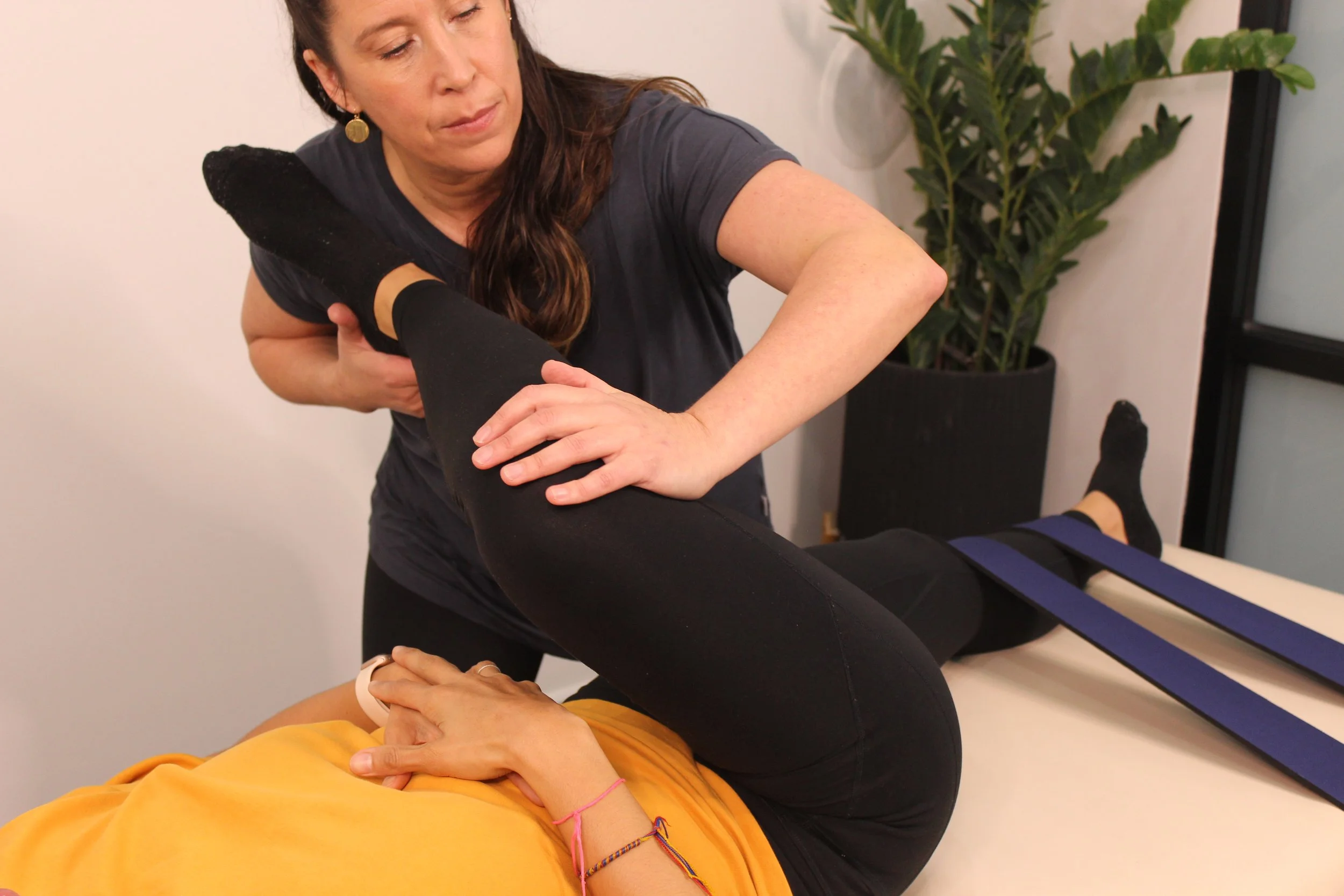
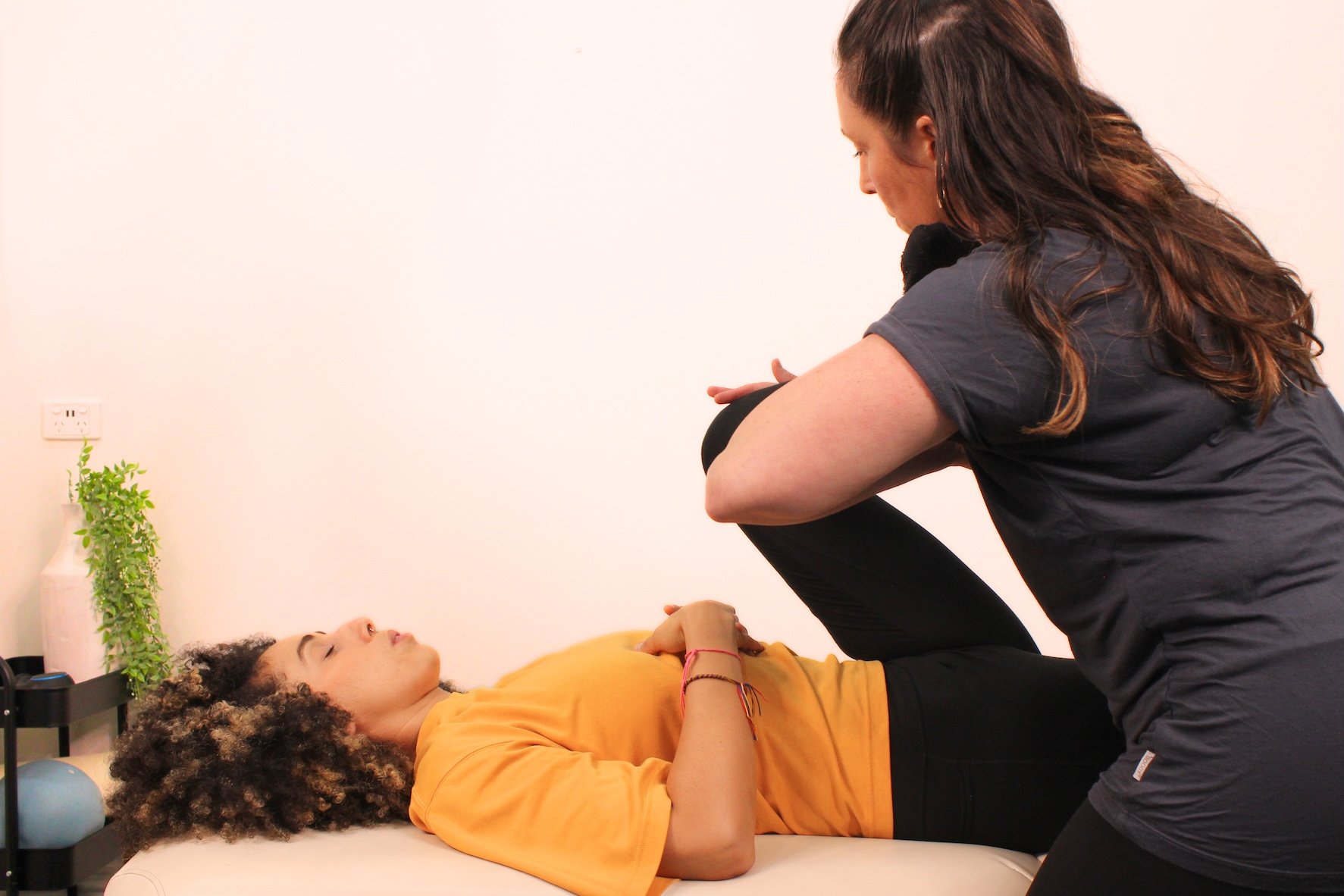
Passive stretching allows the therapist to guide your body through comfortable ranges of motion while you remain as relaxed as possible.
Because you're not responsible for holding the position, many people find they're able to release unnecessary muscular tension more effectively than when stretching on their own.
PNF Stretching
One of the techniques we commonly use is Proprioceptive Neuromuscular Facilitation (PNF).
Although the name sounds technical, the principle is straightforward.
PNF combines gentle muscle contractions with assisted stretching to encourage improvements in flexibility and range of motion.
Rather than forcing a muscle to stretch further, the therapist works with your body's natural neurological responses to movement.
Research has shown that PNF stretching can be an effective method for improving flexibility when applied appropriately as part of an overall mobility program.
Mobility-Focused Movement
Mobility isn't simply about muscle length.
It's about how your muscles, joints and nervous system work together to produce efficient, comfortable movement.
This means a quality assisted stretching session may include controlled movement, breathing strategies and position changes—not just static stretches.
The goal isn't to see how far a muscle can be pulled.
The goal is to help your body move better.
4. Understand the Role of the Nervous System in Flexibility
One of the biggest misconceptions about stretching is that flexibility is only about how long or short a muscle is.
The reality is much more complex.
Your nervous system plays a major role in determining how much movement your body allows.
Every time you move into a stretch, your brain receives information from your muscles, tendons and joints. It uses this information to decide whether that position feels safe and comfortable.
If your nervous system perceives a movement as unfamiliar, intense or threatening, it may create protective tension by increasing muscle activity.
This is one reason why many people struggle to improve flexibility by simply forcing themselves deeper into a stretch.
The limitation isn't always the muscle itself.
Sometimes your body simply isn't comfortable allowing that range of motion yet.
This is where assisted stretching can be valuable.
A trained therapist can help create an environment where your body feels more relaxed by using:
Slow, controlled movements
Correct positioning
Appropriate stretch intensity
Clear communication
Breathing techniques
Gradual progression
When your nervous system feels more comfortable, your muscles are often able to relax more effectively, allowing you to safely explore a greater range of motion.
This is why many people find they can achieve a deeper stretch with a therapist than they can achieve by themselves.
It's not because the therapist is forcing your body further.
It's because your body is more relaxed and supported.
5. Choose a Studio That Prioritises Communication and Comfort
A great assisted stretching session should never feel like someone is simply pushing your body into positions.
Your therapist should be communicating with you throughout the session and adjusting based on how your body responds.
Everyone has different levels of flexibility, different goals and different comfort levels.
A professional therapist should regularly check:
How the stretch feels
Whether the intensity is appropriate
Whether you are able to relax
Whether adjustments are needed
The goal is not to chase the biggest stretch possible.
The goal is to create positive movement experiences that help your body gradually become more comfortable with improved mobility.
At StretchWell, we believe communication is one of the most important parts of every session. Your feedback helps guide the treatment, allowing us to adjust techniques and intensity based on what your body needs on that particular day.
6. Look for a Studio That Educates You, Not Just Stretches You
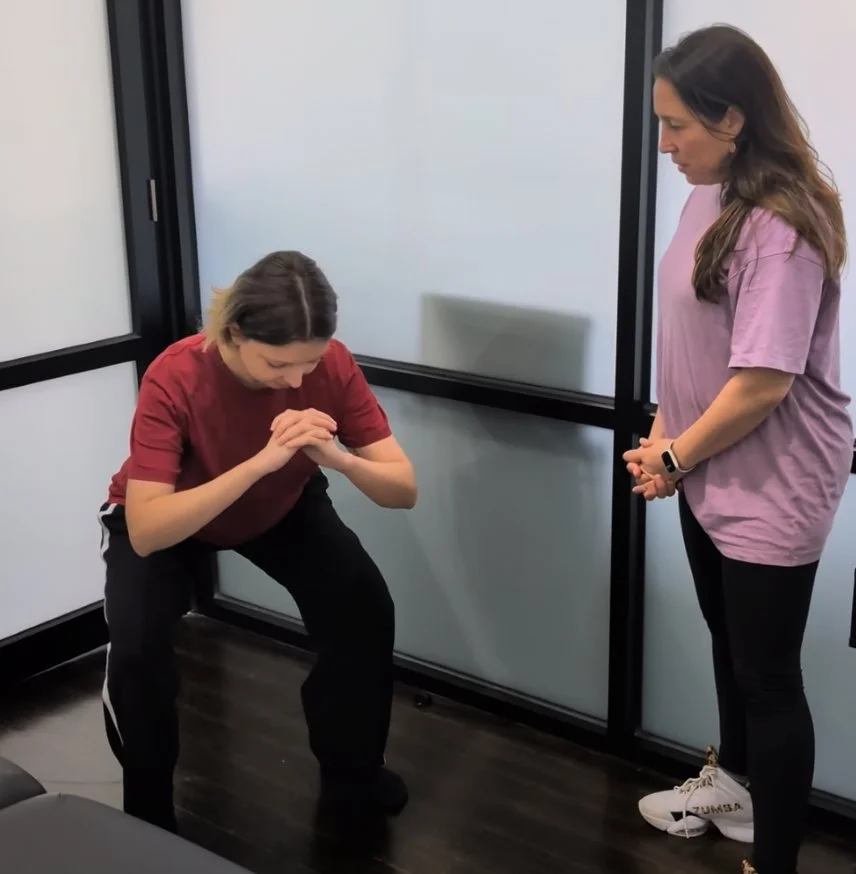
One of the biggest differences between a good assisted stretching experience and an average one is education.
A therapist shouldn't just move your body from one position to another without explanation.
Understanding your body helps you make better decisions outside the studio.
A quality session should help you understand:
Which areas of your body may be contributing to stiffness
Why certain movements feel restricted
How your daily habits affect mobility
What you can do between sessions to support your progress
For example, someone who works at a desk may not simply have "tight shoulders."
They may also have reduced upper back mobility, limited movement variety throughout the day and muscles that spend too much time in shortened positions.
Someone who lifts weights may not just need to "stretch more."
They may benefit from understanding how shoulder, hip or ankle mobility affects their movement patterns during training.
The best stretching studios don't just provide a temporary feeling of looseness.
They help clients understand their bodies.
7. The Best Assisted Stretching Studios Focus on Your Goals
There is no single reason why someone books assisted stretching.
Everyone has a different goal.
Some people want to:
Improve Flexibility
They may want to touch their toes, improve their splits, increase their range of motion or simply feel less restricted.
Support Sports Performance
Athletes often use assisted stretching to help maintain mobility alongside their training.
Runners, cyclists, golfers and gym-goers all rely on efficient movement to perform at their best.
Reduce Everyday Stiffness
Many clients aren't chasing athletic goals.
They simply want to wake up feeling better, move more comfortably and reduce the feeling of being constantly tight.
Support Healthy Ageing
Maintaining mobility becomes increasingly important as we get older.
Being able to comfortably perform everyday movements—walking, reaching, bending and getting up and down—can have a significant impact on quality of life.
A quality stretching studio should understand your reason for coming in and tailor the session accordingly.
What Makes StretchWell Different?
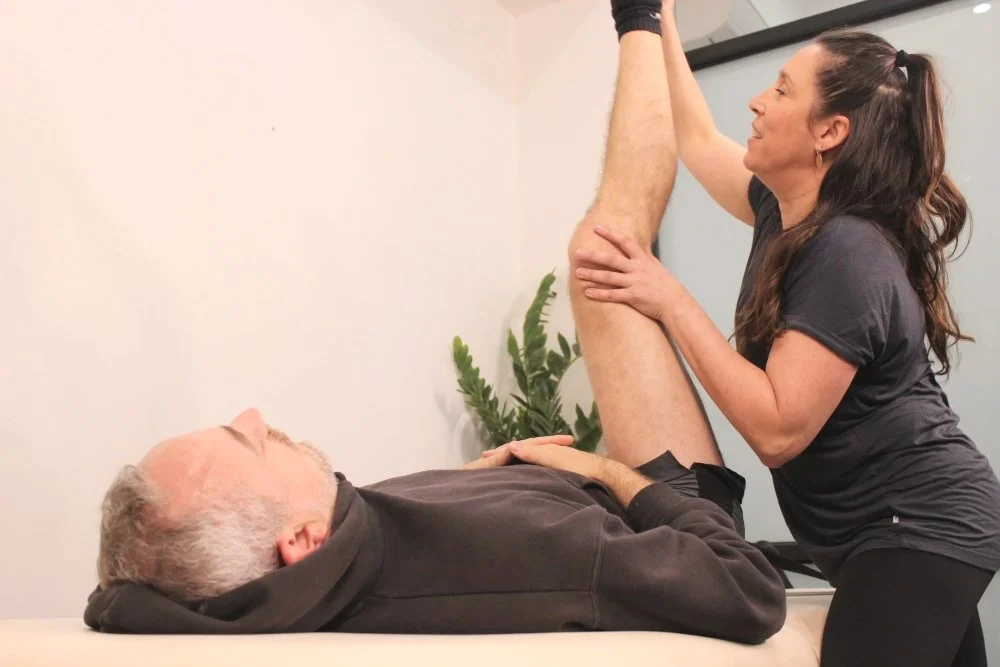
When people search for the best assisted stretching studio in Melbourne, they are usually looking for more than just a place to be stretched.
They are looking for trust.
They want to know:
Who is working with my body?
Do they understand movement?
Will the session be personalised?
Will I feel comfortable?
Am I going to be treated as an individual?
StretchWell was created around the idea that assisted stretching should be more than a passive experience.
It should be personalised, educational and focused on helping people move better.
Our approach combines:
One-on-One Personalised Sessions
Every client receives individual attention. We don't believe in generic routines because every body has different needs, limitations and goals.
Movement-Based Assessment
Before stretching, we take time to understand how you move and where restrictions may be coming from.
Professional Stretching Techniques
Sessions may incorporate assisted stretching, passive stretching, mobility techniques and PNF stretching depending on the individual's requirements.
A Relaxed Environment
Many people find that the ability to switch off and relax is one of the biggest benefits of assisted stretching.
By removing the effort of holding stretches yourself, you can focus on breathing, relaxing and allowing your body to move.
Long-Term Mobility Goals
The aim isn't simply to make you feel good for an hour.
The goal is to help you develop a better relationship with movement and support improvements that carry into everyday life.
How to Compare Assisted Stretching Studios in Melbourne
When deciding where to book, consider these questions:
| What To Look For | Why It Matters |
|---|---|
| Personalised sessions | Your body, movement patterns and goals are unique, so sessions should be adapted specifically to you. |
| Knowledgeable therapists | Understanding anatomy and movement principles helps create safer and more effective stretching sessions. |
| Evidence-based techniques | Quality methods such as assisted stretching, passive stretching and PNF techniques are based on recognised mobility principles. |
| One-on-one attention | Individual attention allows the therapist to adjust techniques based on your comfort, flexibility and response. |
| Communication throughout the session | Clear communication ensures the right level of intensity and creates a comfortable experience. |
| Education about your body | Understanding why you feel restricted helps you make better decisions about your movement outside the studio. |
| Focus on long-term mobility | A great studio focuses on helping you move better over time, not just providing a temporary feeling of looseness. |
A premium assisted stretching studio should focus on quality, personalisation and helping clients understand their own movement.
Is Assisted Stretching Worth It?
For many people, assisted stretching is valuable because it solves a problem that traditional stretching often doesn't:
Consistency and guidance.
Most people understand that mobility is important, but finding the time, knowledge and motivation to stretch effectively on their own can be difficult.
Assisted stretching provides:
Dedicated time for mobility
Expert guidance
Correct positioning
Relaxation support
A personalised approach
It can be especially useful for people who:
Sit for long periods
Exercise regularly
Feel stiff despite stretching
Want professional guidance
Value proactive health and wellbeing
Like any wellness service, results depend on the individual, their consistency and their goals. However, having expert guidance can make the process easier, safer and more enjoyable.
Frequently Asked Questions About Assisted Stretching in Melbourne
What is assisted stretching?
Assisted stretching is a form of flexibility and mobility training where a trained therapist guides your body through controlled stretches.
Unlike stretching on your own, where you need to position, stabilise and relax your own body, assisted stretching allows you to focus on breathing and letting go while the therapist supports the movement.
A quality assisted stretching session is personalised around your body, mobility goals and comfort level.
What is the difference between assisted stretching and regular stretching?
The main difference is that assisted stretching involves a therapist guiding the movement.
With self-stretching:
You control the movement yourself
Your muscles may remain active
Your positioning may not always be optimal
You are limited by your own range and awareness
With assisted stretching:
The therapist supports your movement
You can relax more fully
Positioning can be adjusted precisely
The session can be tailored to your body
Many people find they can access a greater range of motion with assistance because their body is more relaxed.
What is the difference between assisted stretching and massage?
Both massage and assisted stretching are popular wellness treatments, but they focus on different things.
Massage primarily focuses on soft tissue techniques, relaxation and addressing areas of muscle tension.
Assisted stretching focuses on:
Flexibility
Mobility
Range of motion
Movement quality
Muscle length and control
Many people enjoy both services as part of a broader approach to looking after their bodies.
Can assisted stretching improve flexibility?
Yes. Assisted stretching can help improve flexibility by regularly exposing the body to controlled ranges of motion.
Flexibility improvements depend on several factors, including:
Consistency
Current mobility
Lifestyle
Training habits
Individual body characteristics
A therapist can help create a structured approach based on your personal goals.
How often should I get assisted stretching?
The ideal frequency depends on your goals and lifestyle.
Some people benefit from weekly sessions, particularly if they:
Train regularly
Experience significant stiffness
Have mobility goals
Spend long periods sitting
Others use assisted stretching fortnightly or monthly as part of their general health and wellbeing routine.
Consistency is often more important than occasional intense sessions.
Can assisted stretching help with tight shoulders, hips and back stiffness?
Assisted stretching can be helpful for people who experience feelings of tightness or restriction throughout areas such as:
Upper back
Because the body works as a connected system, therapists often look at how different areas influence each other rather than focusing only on the location where someone feels tight.
Is assisted stretching suitable for athletes?
Yes. Many athletes use assisted stretching as part of their mobility and recovery routine.
Sports such as:
Cycling
Golf
Swimming
Team sports
all require efficient movement.
Maintaining flexibility and mobility can support athletes in moving well and maintaining their training routine.
Is assisted stretching suitable for beginners?
Absolutely.
You do not need to be flexible, athletic or experienced with stretching to benefit from assisted stretching.
In fact, many first-time clients are people who feel stiff, restricted or unsure where to start.
A good therapist will meet you where your body is currently at and gradually work towards your goals.
Does assisted stretching hurt?
Assisted stretching should not be painful.
A productive stretch may feel like gentle tension or a mild challenge, but it should always remain within a comfortable range.
Communication is an important part of the process. Your therapist should adjust intensity based on your feedback and your body's response.
What should I look for when choosing an assisted stretching studio for tight hips and hamstrings?
A few things matter more than others here. First, check whether the studio actually tailors sessions to specific problem areas rather than running a generic full-body routine every time — tight hips and hamstrings often need targeted, sequenced attention (hip flexors, glutes and hamstrings together), not just a few extra minutes added to a standard session. Second, ask whether therapists use techniques like PNF (Proprioceptive Neuromuscular Facilitation), which is particularly effective for stubborn tightness in these areas. Third, look for a studio that asks about your goals and activity level (running, desk work, training) before the session starts, since the cause of tight hips and hamstrings varies a lot between a runner and someone who sits all day, and the right approach differs accordingly.
It's also worth checking reviews or asking directly whether the studio has experience with your specific situation — tight hips from prolonged sitting are a different problem to tight hamstrings from sprinting, even though both areas are connected.
Find the Best Assisted Stretching Studio in Melbourne
Choosing an assisted stretching studio is about more than finding somewhere that can stretch your muscles.
The best experience comes from working with therapists who understand movement, communicate clearly and take the time to understand your individual goals.
Whether you want to improve flexibility, support your training, reduce feelings of stiffness or simply move more comfortably, the right assisted stretching studio can help you create a more consistent approach to mobility.
At StretchWell, our focus is helping people move better through personalised, one-on-one assisted stretching sessions.
Every session is designed around the individual—not a generic routine.
We combine:
Understanding of human movement
Personalised stretching techniques
Assisted mobility work
PNF stretching where appropriate
A calm environment that allows your body to relax
If you're looking for assisted stretching in Melbourne and want an approach that focuses on quality, education and personalised care, StretchWell is here to help.
Book your assisted stretching session today and experience what a personalised approach to mobility can feel like.
Related Posts