Is assisted stretching worth it?
If you've ever searched "Is assisted stretching worth it?" you've probably come across plenty of scepticism. After all, stretching is free—so why would you pay someone else to do it with you?
Is assisted stretching worth it?
The short answer is: for many people, yes, assisted stretching is absolutely worth it.
While you can stretch on your own, assisted stretching offers benefits that are difficult to replicate by yourself. A trained stretch therapist can help you access deeper ranges of motion, improve flexibility more effectively, reduce muscular tension, and help your body move more freely—all while you remain relaxed.
Let's look at why.
What Is Assisted Stretching?
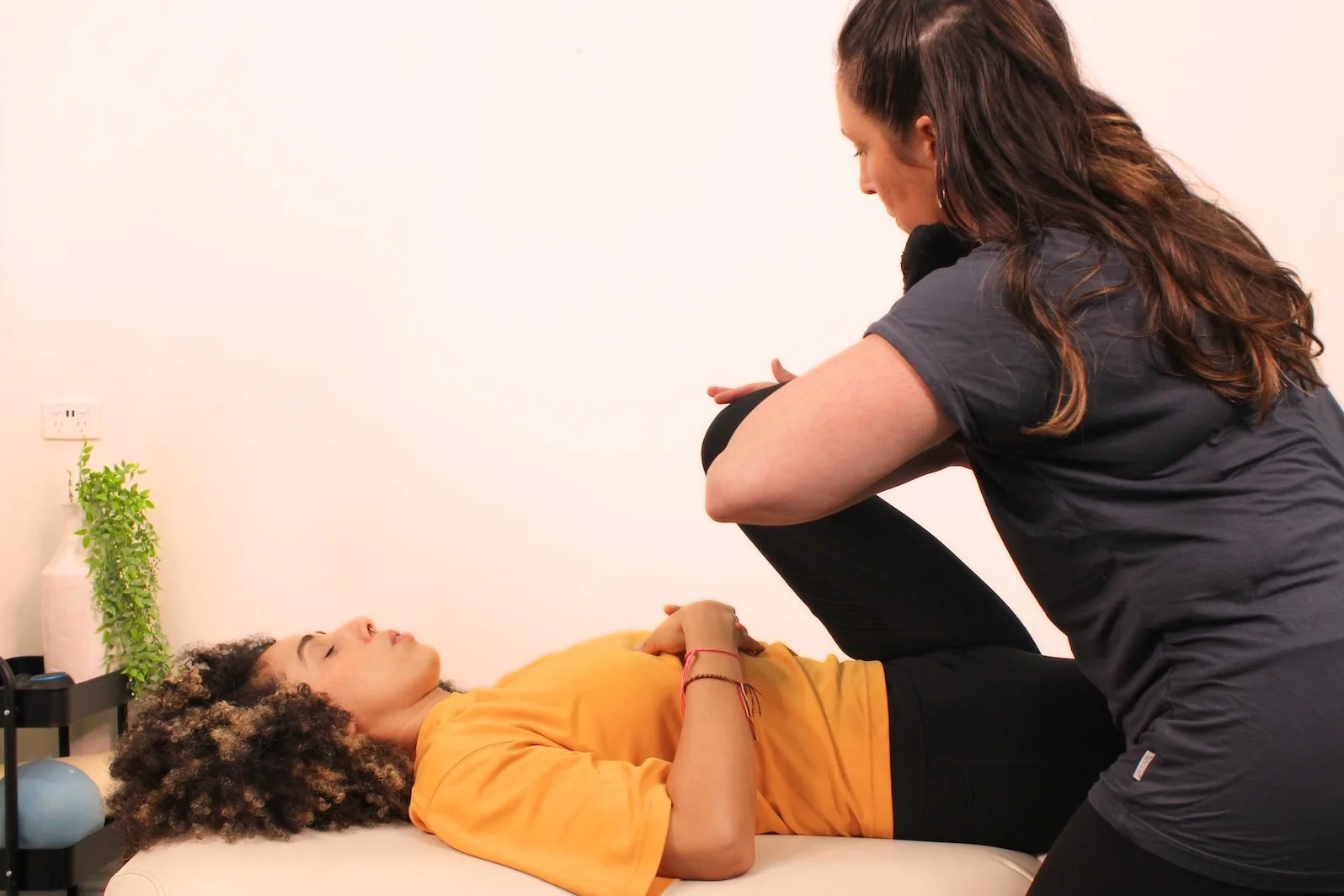
Assisted stretching is a one-on-one service where a trained practitioner guides your body through a series of stretches while you stay relaxed.
Unlike traditional stretching, where you're actively trying to hold positions and create tension in your body, assisted stretching allows you to completely let go while someone else moves your joints and muscles through their available range of motion.
Think of it as the difference between trying to massage your own shoulders and having a professional do it for you. Both can help, but one allows you to relax completely and access results that are difficult to achieve alone.
Why Most People Don't Stretch
The reality is that most people know they should stretch.
They understand that flexibility and mobility are important. They know that sitting all day leads to tight hips,rounded shoulders, and stiffness. They know movement helps them feel better.
But they simply don't do it.
Stretching often feels uncomfortable, time-consuming, or confusing. Many people aren't sure what stretches they should be doing, how long they should hold them, or whether they're doing them correctly.
As a result, stretching becomes one of those things that constantly gets pushed to tomorrow.
Assisted stretching removes these barriers entirely. You simply show up, relax, and let a professional guide the session.
The Science: Why Assisted Stretching is worth it
One of the biggest reasons people choose assisted stretching is because of how the nervous system responds to stretching.
Many people assume flexibility is purely about muscle length. In reality, your nervous system plays a huge role in determining how far your body allows you to move.
Your brain is constantly monitoring joint positions and muscle tension. If it perceives a stretch as threatening, it activates protective mechanisms that create resistance and prevent further movement.
This is why stretching can sometimes feel like you're fighting your own body.
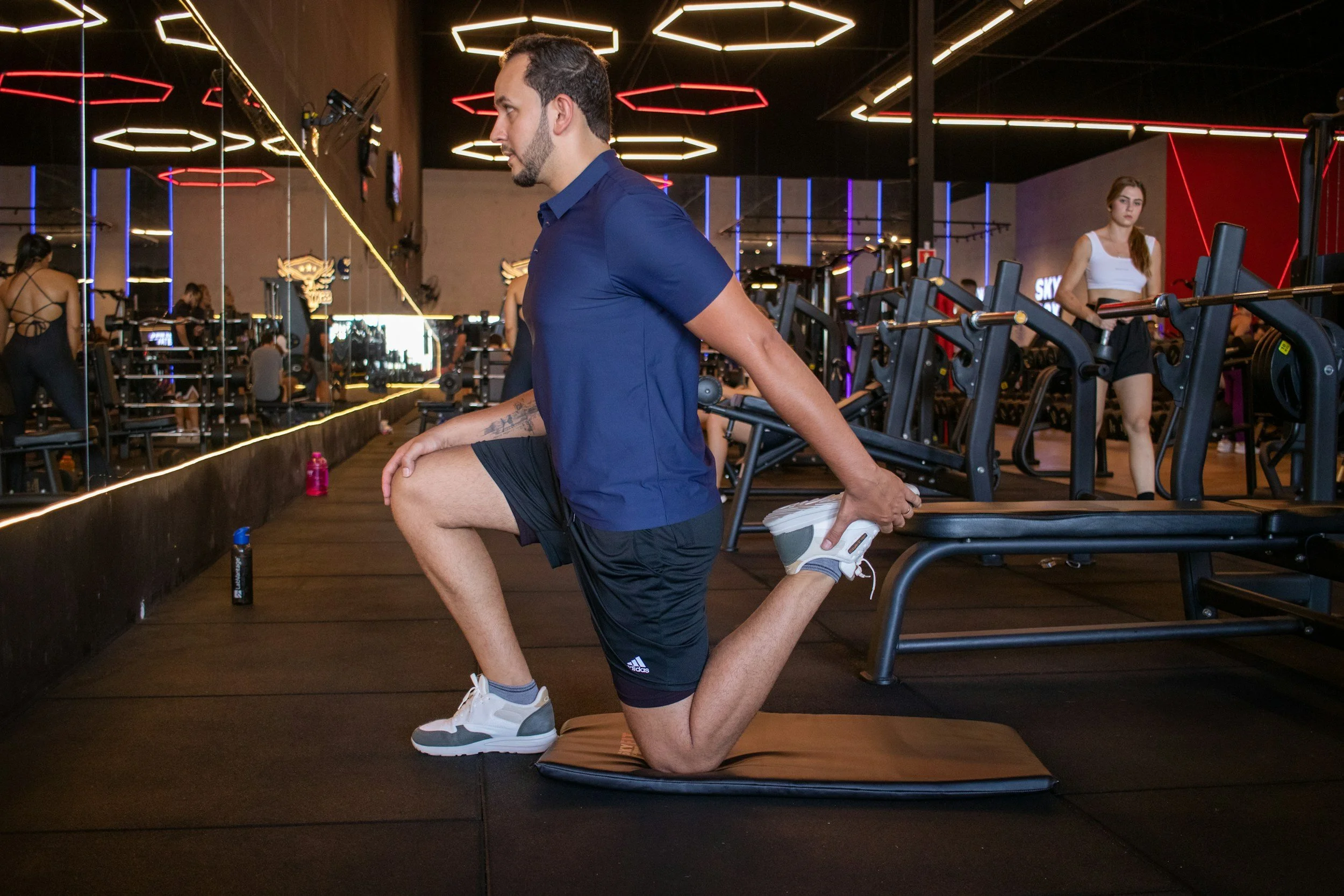
When you're performing stretches yourself, you're often contracting muscles, balancing, concentrating, and working against your own tension.
During assisted stretching, however, something different happens.
Because you're supported and encouraged to relax, your nervous system often becomes less guarded. Your stretch therapist can carefully guide you into positions while monitoring your response, helping you gradually explore greater ranges of motion without triggering excessive protective tension.
Many assisted stretching techniques also incorporate breathing, gentle oscillations, and contract-relax methods that encourage the nervous system to allow greater movement.
The result?
You may be able to access ranges of motion that feel difficult or impossible to achieve on your own.
Mobility vs Flexibility: What's the Difference?
People often use these terms interchangeably, but they're slightly different.
Flexibility refers to the ability of muscles and soft tissues to lengthen.
Mobility refers to your ability to actively move a joint through its available range of motion with control.
Assisted stretching can help improve both. And improving both is totally worth it to your overall health.
By reducing muscular tension and improving range of motion, assisted stretching may help your body move more efficiently during everyday activities, exercise, and sport.
This is particularly important for people who spend long hours sitting at desks, driving, or repeating the same movement patterns every day.
Benefits of Assisted Stretching
Reduced Muscle Tension
Many clients report feeling noticeably looser after a session.
Common areas of tension include:
Hip flexors
Hamstrings
Glutes
Chest muscles
Neck and shoulders
Lower back
By addressing these areas, assisted stretching can help restore a greater sense of ease and comfort throughout the body.
Improved Range of Motion
When joints can move through a fuller range of motion, everyday activities often feel easier.
Whether you're reaching overhead, bending down, squatting, running, or playing sport, improved mobility can make movement feel smoother and less restricted.
Better Posture
Modern lifestyles create predictable movement patterns.
Hours spent sitting often contribute to:
Forward head posture
Restricted thoracic spine mobility
Assisted stretching can help counteract these patterns by targeting the muscles that commonly become stiff and overworked. Worth it.
Enhanced Athletic Performance
Athletes often use assisted stretching to improve movement quality, prepare for training, and support recovery.
Greater mobility can contribute to more efficient movement mechanics and improved body awareness.
Stress Relief
One of the most overlooked benefits of assisted stretching is how relaxing it feels.
Many people leave sessions feeling calmer, lighter, and less physically tense.
This isn't surprising. When your body is supported, breathing slows, and muscular tension decreases, the nervous system often shifts into a more relaxed state. Worth it.
Is Assisted Stretching Worth Doing Rather Than Stretching Yourself?
Yes. As mentioned, assisted stretching can move you into positions that you couldn’t quite achieve yourself, while moving past the body’s natural protective mechanisms.
However the best stretching routine is the one you actually do consistently. For that reason, self-stretching remains valuable and should be part of a healthy movement practice.
Assisted stretching offers several advantages:
Personalised guidance
Deeper relaxation
Access to positions that are difficult alone
Improved accountability
Expert assessment of movement restrictions
More efficient use of your time
For many people, it's not a choice between one or the other.
The most effective approach is often combining regular self-care with occasional assisted stretching sessions.
Is assisted stretching worth paying for compared with doing mobility exercises at home?
It depends what you're trying to achieve. Home mobility exercises are valuable in their own right and cost nothing — if you're consistent with them, they'll improve your flexibility over time. What they can't fully replicate is the depth of release you get when someone else controls the stretch: because a therapist supports and moves your body, you're able to fully relax into a position instead of bracing to hold it yourself, which typically allows a deeper, more effective stretch than solo mobility work achieves. Assisted stretching is also better suited to areas that are hard to reach or isolate on your own, like the hip flexors or upper hamstrings.
Home mobility work and assisted stretching aren't really competing for the same job. Many people get the best results using both — mobility exercises to maintain progress day to day, and assisted stretching sessions to go deeper on specific tight spots or plateaus that self-stretching alone hasn't shifted.
Who Benefits Most From Assisted Stretching?
Assisted stretching can be particularly valuable for:
Office workers with tight hips and shoulders
Active gym-goers
Runners and cyclists
People recovering from periods of inactivity
Elderly people who have lost flexibility or mobility over time
Individuals who feel stiff or restricted
Anyone who struggles to stretch consistently on their own
If you frequently feel tight, uncomfortable, or limited in your movement, assisted stretching may provide noticeable benefits.
So, Is Assisted Stretching Worth It?
Yes, assisted stretching is worth it.
You're not simply paying someone to stretch you. You're investing in expert guidance, personalised mobility work, nervous system relaxation, improved movement quality, and dedicated time for your body.
Just as people hire personal trainers for exercise, massage therapists for recovery, oafr coaches for performance, assisted stretching provides specialised support that can help you move and feel better than you might achieve alone.
If you've tried stretching on your own but struggle to stay consistent, can't seem to improve your flexibility, or simply want your body to feel less stiff and restricted, assisted stretching may be one of the most effective investments you can make in your long-term mobility and wellbeing.
Visit us at StrechWell for your first stretch therapy session today.
Related Posts