Assisted Stretching & Stretches for Neck Mobility & Pain Relief
Feel Less Tight Through Your Neck, Shoulders and Upper Back With Assisted Stretching in Melbourne
If your neck feels stiff, sore, or like it's constantly "on," you're far from alone. Between long hours at a desk, looking down at phones, and general day-to-day stress, the neck and upper back are some of the most common places people hold tension.
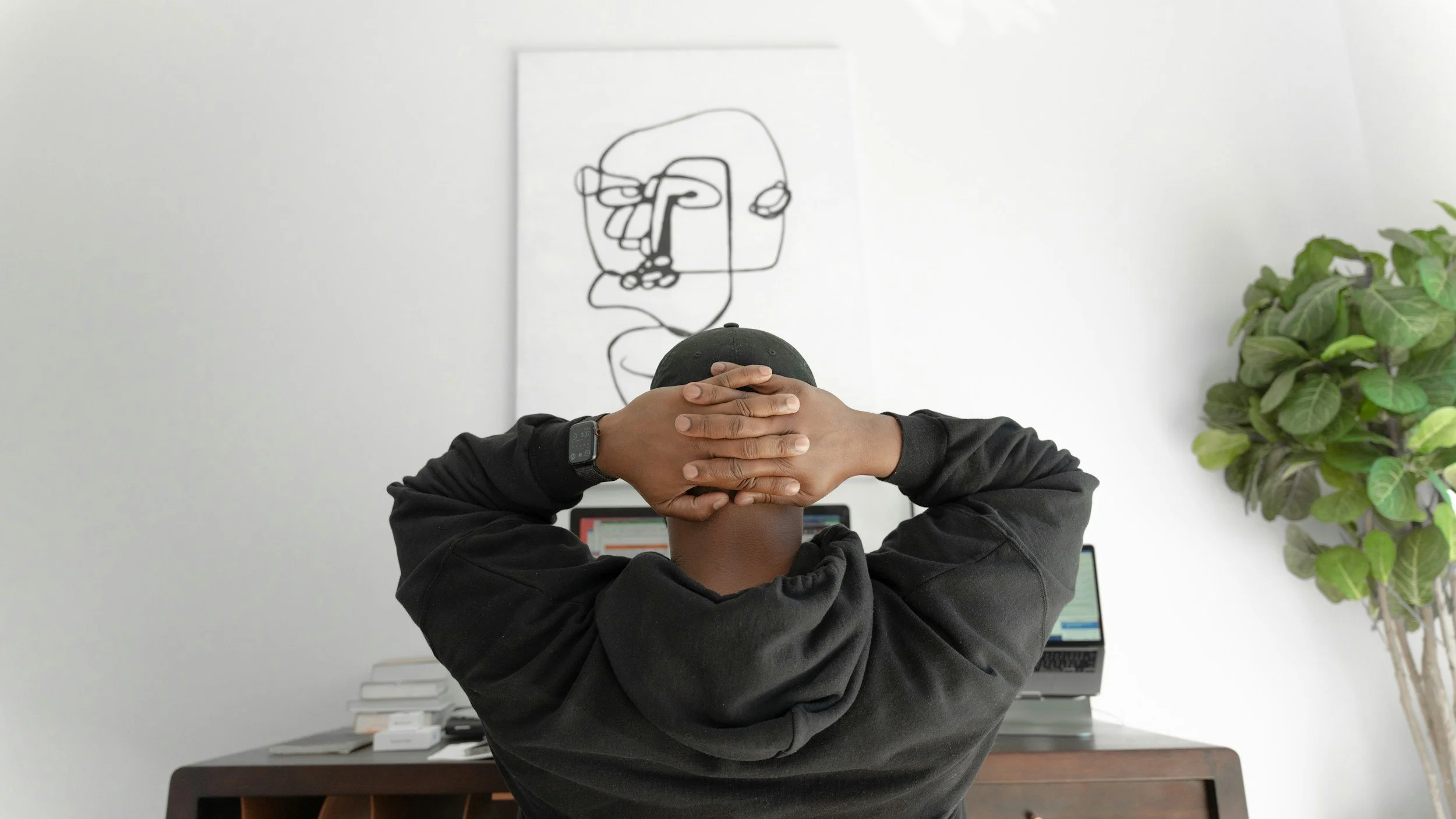
This pattern is often called "tech neck" — tightness and strain that builds up from spending long periods with your head tilted forward toward a screen.
You may notice:
A stiff or tight feeling through the back or sides of the neck
Tension spreading into the shoulders or upper back
Reduced range of motion when turning or tilting your head
Tension-type headaches starting at the base of the skull
Discomfort that builds throughout the day, especially after screen time
Can assisted stretching help neck pain? Yes — for tension-related neck and tech neck discomfort, assisted stretching can help release tightness through the neck, shoulders and upper back, and support better posture and range of motion over time. It's not a substitute for medical care if your pain is severe or ongoing, but it's an effective, hands-on way to ease everyday tension.
At StretchWell, our assisted stretching sessions are designed to target the muscles that most often contribute to neck and tech neck tension.

Why Does Your Neck Feel Tight or Sore?
Your neck supports the weight of your head — around 4 to 5 kilograms — and small postural changes can significantly increase the load it carries.
Common contributors include:
Forward Head Posture ("Tech Neck")
When your head tilts forward toward a screen or phone, the muscles at the back of your neck and upper back have to work much harder to hold it up, leading to a build-up of tension over time.
Long Hours at a Desk
Sitting for extended periods, especially with a monitor set too low or too far away, encourages the head-forward posture that drives neck and shoulder tightness.
Tight Chest and Weak Upper Back
When the muscles across the chest are tight and the upper back is underactive, the shoulders tend to round forward, pulling the neck out of a more neutral, comfortable position.
Stress and Tension
The neck and shoulders are a common place to hold stress. Even without a specific physical cause, mental and emotional tension can show up as muscular tightness in this area.
Need instant relief? Try these neck stretches yourself at home.
These are gentle, general stretches suited to everyday neck tension — not a substitute for professional care if you're dealing with an injury, sharp pain, or a change in sensation down your arm.
1. Chin Tucks Sit or stand tall, and gently draw your chin straight back (like making a "double chin"), without tilting your head up or down. Hold for 5 seconds, and repeat 8–10 times. This helps counter the forward-head posture that builds up from screen time.
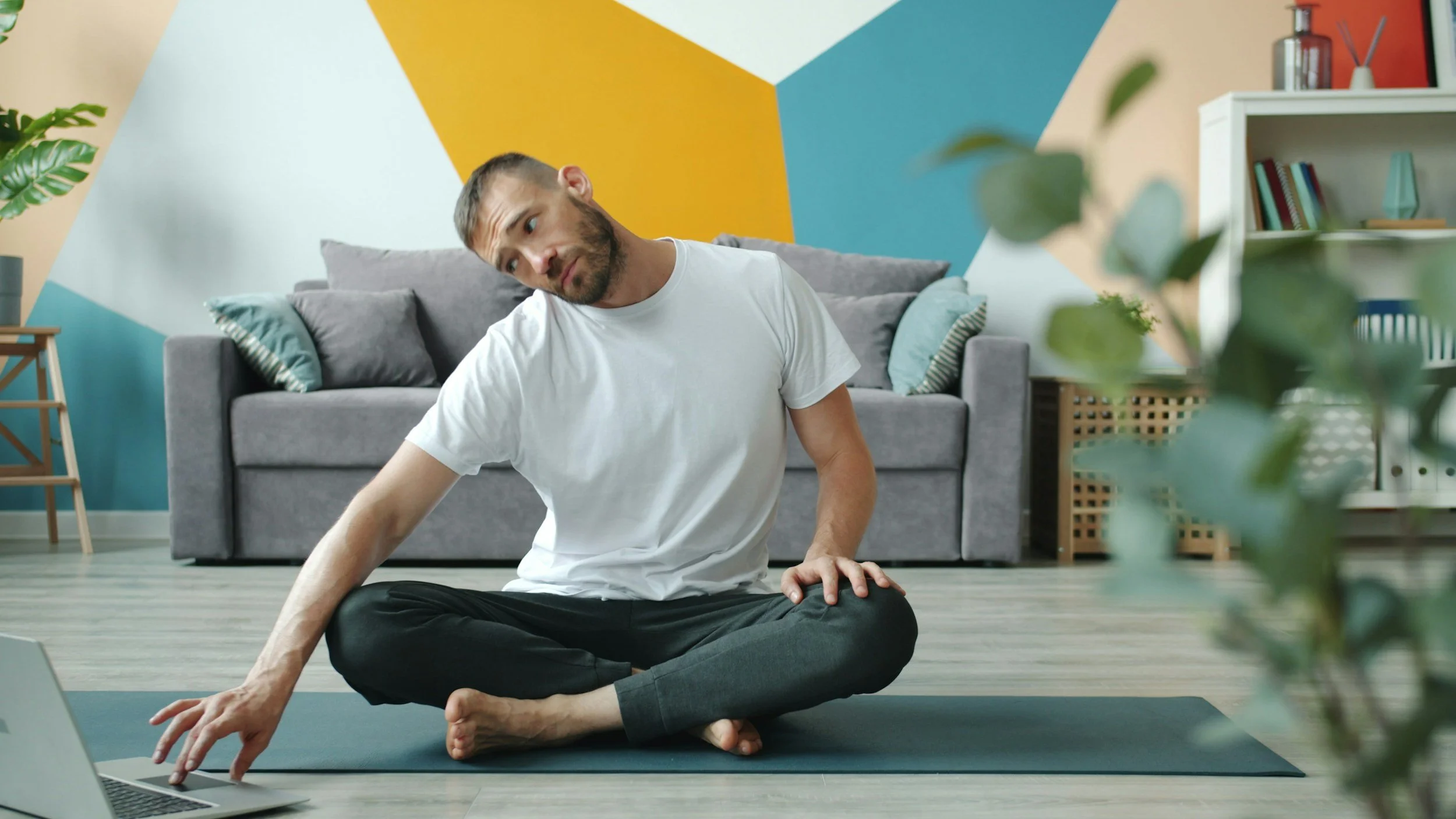
2. Upper Trapezius Stretch Sit tall, and gently tilt one ear toward your shoulder until you feel a stretch along the opposite side of your neck. You can add a very light pull with your hand for a deeper stretch, but never force it. Hold for 20–30 seconds each side.
3. Levator Scapulae Stretch Turn your head about 45 degrees to one side, then tilt your chin down toward your armpit, as if looking into your pocket. You should feel this along the back and side of your neck. Hold for 20–30 seconds each side.
4. Gentle Neck Rotations Slowly turn your head to look over one shoulder, hold briefly, then return to centre and repeat on the other side. Keep the movement slow and controlled — this is about mobility, not a deep stretch.
A note of caution: if you feel any sharp pain, tingling, numbness, or dizziness during any of these, stop and check in with a professional rather than pushing through.
Why Stretching Your Neck Yourself May Not Be Enough
The neck is a sensitive area, and it's easy to either avoid stretching it properly out of caution, or to overdo it without addressing the shoulders and upper back that are usually contributing to the problem.
Self-stretching also makes it hard to:
Isolate specific areas without tensing up elsewhere
Fully relax the neck muscles while also holding your own position
Address the shoulders and upper back at the same time, where a lot of the underlying tightness often sits
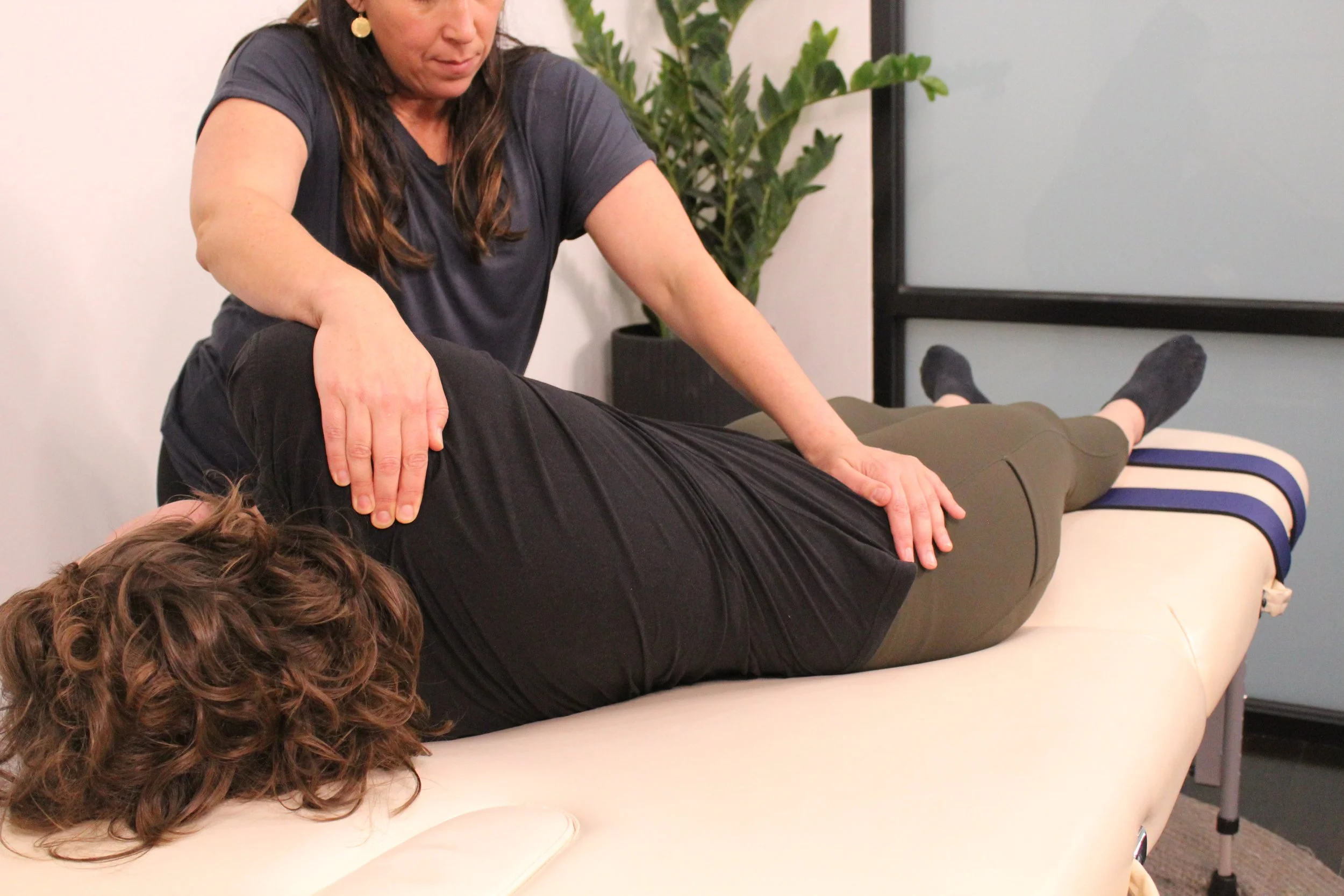
During assisted stretching, your therapist gently guides your neck, shoulders and upper back through a supported range of motion, allowing you to properly relax rather than holding tension while stretching.

How Assisted Stretching Helps Neck Pain and Tech Neck
Rather than focusing on the neck alone, your stretch therapist works through the connected areas that contribute to tightness:
Neck and Upper Trapezius
Targeted, supported stretching helps ease tension through the sides and back of the neck, where tightness is often most noticeable.
Shoulders
Releasing tightness through the shoulders helps take pressure off the neck and supports a more relaxed, neutral posture.
Chest
Gently opening a tight chest can help counter the rounded-shoulder posture that contributes to tech neck.
Upper Back
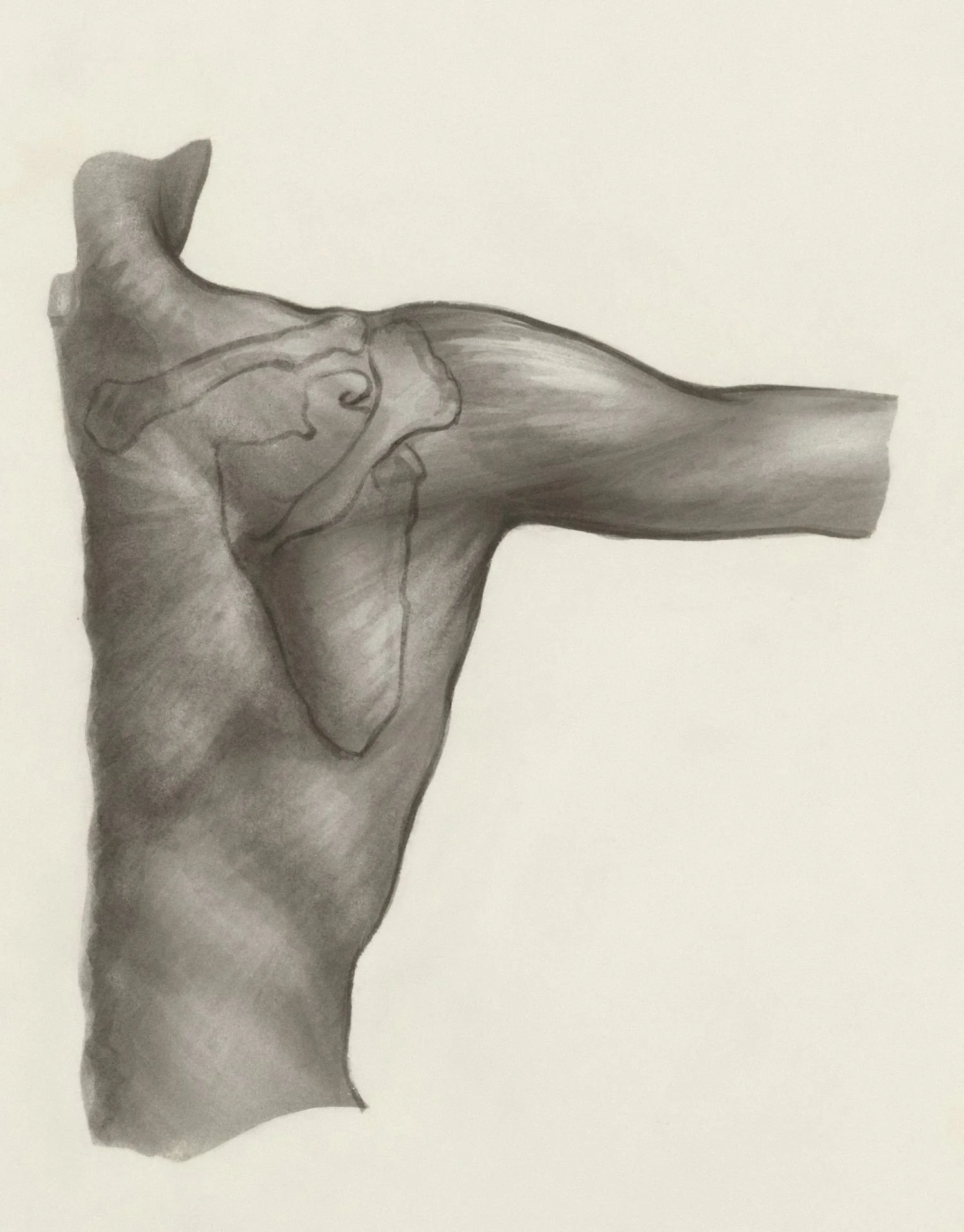
Improving mobility through the upper back supports better overall posture, reducing how much the neck has to compensate day to day.
The Science Behind Assisted Stretching for Neck Pain
Like other areas of the body, how your neck responds to stretching isn't just about the muscles themselves — your nervous system plays a role too. When a stretch feels unfamiliar, unsupported or uncomfortable, your body can respond by holding more tension, not less.
A trained stretch therapist uses slow, controlled movement to help your neck, shoulders and upper back relax into each position safely. At StretchWell, we may also use Proprioceptive Neuromuscular Facilitation (PNF) techniques where appropriate, to support a deeper, more effective release over time.
Many clients notice reduced tightness after a single session, with more lasting improvement building over consistent sessions, especially when paired with small posture and screen-habit adjustments day to day.
Ease Neck and Tech Neck Tension With Assisted Stretching in Melbourne
If long days at a desk or on your phone are leaving your neck and shoulders feeling tight and overworked, StretchWell stretch therapy can help you build a looser, more comfortable range of motion.
Book your assisted stretching session today and start easing that tension.
What People Are Saying
⭐️⭐️⭐️⭐️⭐️
-
I’ve been feeling sore and stiff, and booked in to try a Full Body Stretch. The practitioner Florencia was terrific — a wealth of knowledge and friendly! I felt great afterwards , so limber and relaxed.
— Samantha
-
First time I'd given stretch therapy a go and I can absolutely say it won't be the last. I left the place feeling like I was walking on a cloud, so much more relaxed and ready for anything. Highly recommend!
— Ross
-
I was a new client to Stretch Well and stretching as a therapeutic service. I really liked it, the Therapist asks great questions, the therapy is research based, and I felt great after too!
— Jane
FAQs about Tight Neck & Tech Neck
If you’re ready to loosen up your tight neck, book with us today.
-
In many cases, yes — particularly for tension-related neck tightness and tech neck. Assisted stretching can help release tightness through the neck, shoulders and upper back, and support better posture over time.
-
Tech neck describes the tightness and strain that builds up from spending long periods with your head tilted forward toward a phone or screen. It's essentially a posture-driven pattern of neck and shoulder tension, very common among desk workers.
-
Generally yes, when the discomfort is tension-related. Your therapist will work gently and check in throughout. If you've had a recent neck injury, whiplash, or a diagnosed spinal condition, please let your therapist know beforehand or check with your GP or physio first.
-
Assisted stretching focuses on improving range of motion and mobility through guided movement, rather than direct soft-tissue manipulation like massage. Many clients find the two work well together.
-
This varies by individual, but many desk-based clients find regular sessions — weekly or fortnightly — helpful for keeping tension from building back up between visits.
-
Your session begins by understanding your body, lifestyle and goals.
Your therapist will discuss:
Where you feel tightness
Your daily activities
Your exercise routine
Your mobility goals
Your personalised session may include:
Assisted shoulder stretches
Chest and upper-body mobility work
Passive stretching techniques
PNF stretching where suitable
Full-body stretching if required
Every movement is guided and adjusted based on your comfort and response.
-
If your neck pain follows an injury, is severe, doesn't improve, or comes with numbness, tingling or weakness in your arm or hand, please see a doctor or physiotherapist rather than relying on stretching alone.
Related Blog Posts