The Science Behind Assisted Stretching
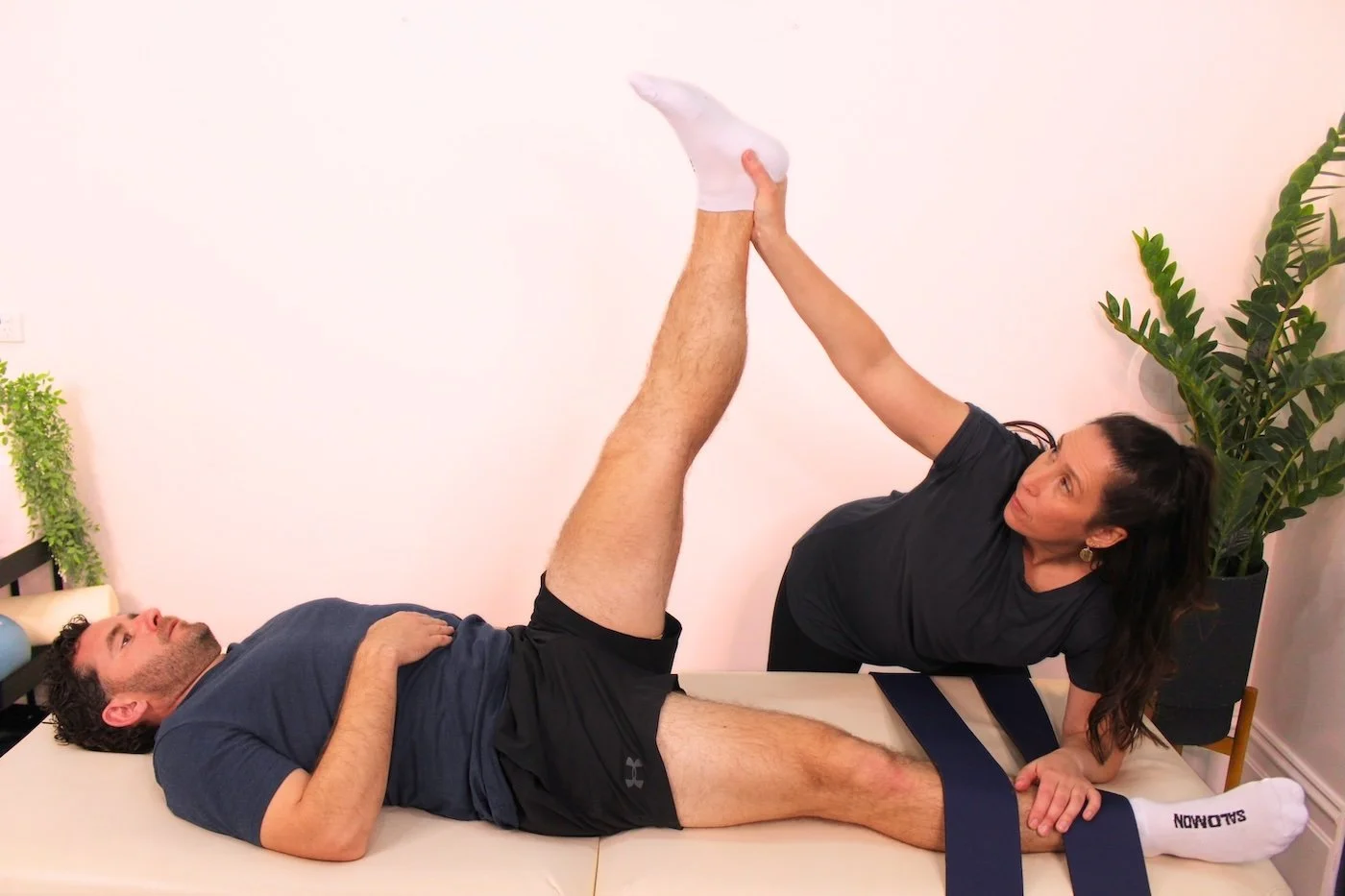
Many of us spend hours sitting at desks, driving, training at the gym, playing sports or simply keeping up with the demands of everyday life. The result is often tight muscles, reduced mobility, and those familiar aches and pains that can make movement feel harder than it should. While many people know they should stretch regularly, the reality is that stretching can feel repetitive, time-consuming, and difficult to stay consistent with. After a long day or a tough workout, it's easy to skip it altogether. Assisted stretching offers a different approach, providing a dedicated session that helps your body move through a greater range of motion and targets areas of tension that can be difficult to address on your own.
What makes assisted stretching different is that it works with the body's natural systems rather than simply forcing muscles to lengthen. Guided by a trained practitioner, each stretch is carefully applied to encourage relaxation, improve flexibility, and support healthier movement patterns. Many people find that a single assisted stretching session each week helps them maintain better mobility and feel less reliant on daily stretching routines, making it a convenient option for busy lifestyles. Whether you're looking to improve athletic performance, recover from physical strain, or simply move more comfortably in everyday life, understanding the science behind assisted stretching can help explain why this increasingly popular therapy delivers benefits that go beyond what most people achieve through self-stretching alone.
Assisted stretching is about more than simply lengthening muscles. It involves a complex interaction between the muscular system, connective tissues, joints and the nervous system. While many people assume flexibility is determined solely by muscle length, the nervous system plays a significant role in regulating how far a muscle is willing to stretch.
Your Body Has Built-In Protective Mechanisms
When a muscle is stretched, specialised sensory receptors called muscle spindles continuously monitor changes in muscle length and movement.
Their job is to protect the body from overstretching and potential injury.
If a stretch occurs too quickly or pushes beyond what the body perceives as safe, the muscle spindles trigger what's known as the stretch reflex — an automatic muscle contraction designed to limit further movement.
This is often why people experience a point during stretching where they feel they simply can't go any further.
How Assisted Stretching Works With The Nervous System
Rather than forcing a muscle to stretch beyond its limits, assisted stretching works alongside these natural protective mechanisms.
A trained practitioner uses slow, controlled movements that help the nervous system recognise the movement as safe and comfortable. This allows the body to relax more effectively throughout the stretch.
Some assisted stretching techniques may also incorporate elements of Proprioceptive Neuromuscular Facilitation (PNF), a method commonly used in rehabilitation and sports performance settings.
The Role Of Golgi Tendon Organs
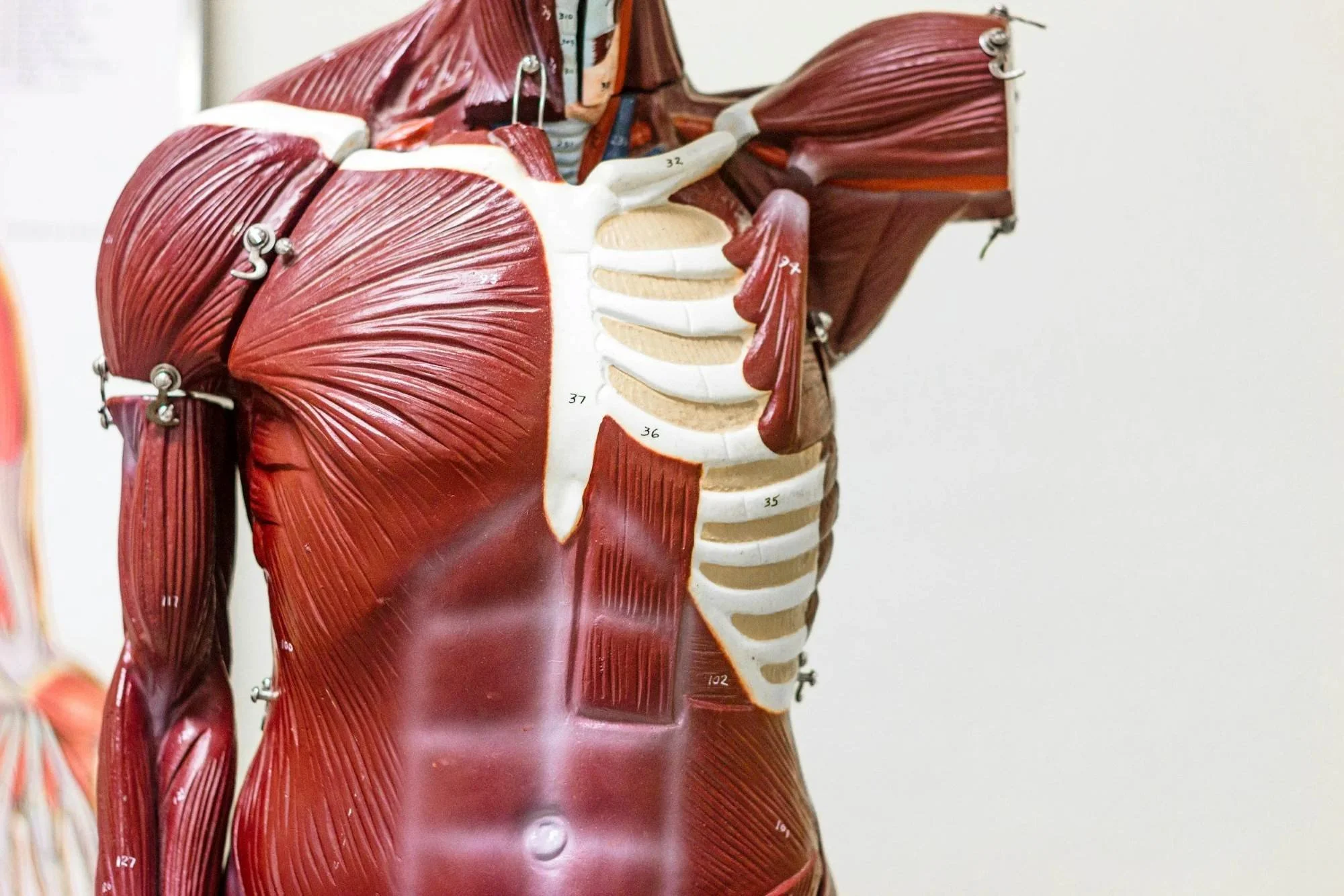
Another important part of the process involves structures called Golgi tendon organs, which are located within the tendons.
These receptors monitor muscle tension and help regulate how much force a muscle produces.
When appropriately stimulated, they can encourage a temporary relaxation response within the muscle, allowing for:
Greater ease of movement
Improved stretch tolerance
Increased range of motion during the session
More Than Just Muscles
Assisted stretching doesn't only affect muscle tissue.
A professional practitioner can also influence movement throughout other structures involved in mobility, including:
Fascia (connective tissue surrounding muscles)
Tendons
Ligaments
Joint capsules
Surrounding soft tissues
By carefully positioning the body and applying targeted stretching techniques, practitioners can address restrictions that may be difficult to target through self-stretching alone.
The science behind assisted stretching is ultimately based on understanding how the body responds to movement. By working with the nervous system, muscles and connective tissues simultaneously, assisted stretching aims to improve mobility in a controlled, safe and efficient way.
Why Professional Assistance Makes a Difference
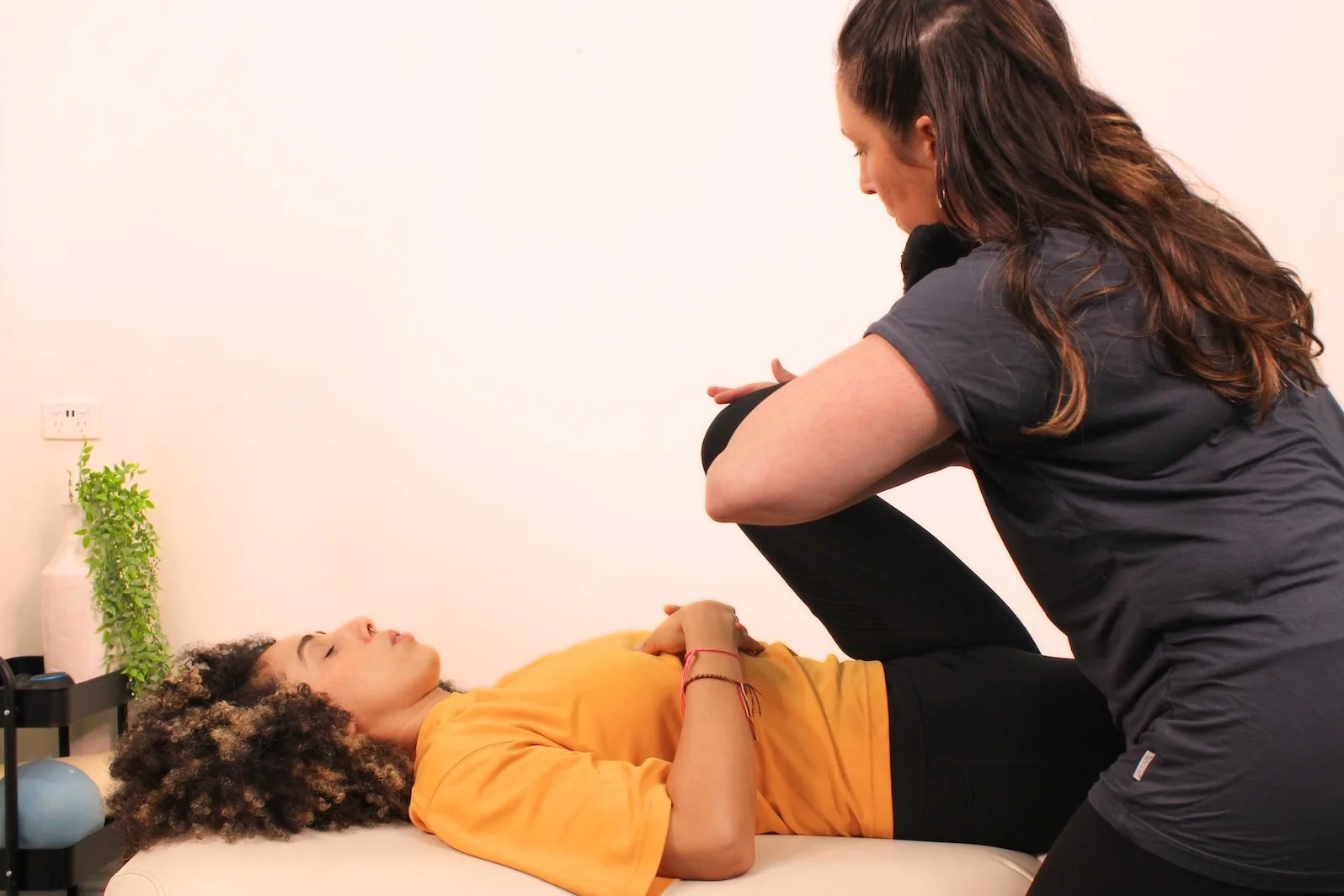
While stretching on your own can certainly be beneficial, there are limits to what most people can achieve without guidance. A trained assisted stretching practitioner brings a detailed understanding of anatomy, biomechanics and movement patterns, allowing them to apply techniques with a level of precision that's difficult to replicate alone.
During a session, a practitioner can:
Identify areas of restricted movement and muscle imbalance
Position your body to isolate specific muscles and connective tissues
Apply controlled pressure and leverage to improve stretch quality
Adjust the intensity of each stretch based on your mobility and comfort level
Guide your breathing to help promote relaxation and body awareness
Professional training also helps practitioners recognise the difference between restrictions that may be coming from muscles, fascia, joints or surrounding soft tissues. This allows them to tailor each session to the individual rather than relying on a one-size-fits-all approach.
Perhaps most importantly, working with a professional allows you to fully relax into the stretch. Instead of focusing on balance, positioning or how far to push, you can allow the practitioner to guide the movement while they monitor your body's response. This creates a controlled environment where stretches can be performed safely, comfortably and with a high degree of accuracy.
Benefits of Assisted Stretching
Assisted stretching works on both a biomechanical and physiological level, creating controlled stress on muscles, tendons, fascia and joints. When this pressure is applied gradually and with precision, it can influence how tissues behave and how efficiently the body moves.
One of the key effects is related to the viscoelastic properties of soft tissue. Muscles and tendons naturally respond to sustained stretching by gradually lengthening and adapting over time. This can help reduce overall tissue stiffness and improve how efficiently force is transmitted through the body during movement. In simple terms, movement can start to feel smoother and less restricted.
Assisted stretching may also support improvements in joint mobility by addressing tightness in the surrounding muscular and fascial structures. When these tissues become less restrictive, joints are able to move through a more natural and complete range of motion.
From a performance and recovery perspective, assisted stretching is often used to:
Support improved circulation, helping deliver oxygen to working muscles
Assist in the removal of metabolic by-products associated with exercise
Reduce feelings of muscle tightness following physical activity
Improve movement efficiency by reducing unnecessary muscular resistance
Support better load distribution across joints, tendons and ligaments during activity
Because of these combined effects, many people experience improvements in how their body feels and performs both during exercise and in everyday movement. With consistent sessions, these changes can contribute to better mobility, reduced stiffness, and more efficient movement patterns over time.
Who Can Benefit From Assisted Stretching?
Assisted stretching can be beneficial for a wide range of people, from those with sedentary lifestyles to individuals who are highly active. It is commonly used by people experiencing general muscle tightness, reduced mobility, or stiffness from daily activities such as sitting for long periods, physical work, or regular exercise.
It may be particularly helpful for people who:
Spend long hours sitting at a desk or driving
Experience general tightness in the neck, shoulders, hips or lower back
Are active individuals looking to support recovery and mobility
Want to maintain flexibility and movement quality as they age
However, assisted stretching is not appropriate for everyone. If you’re pregnant or have an existing injury, medical condition, or unexplained pain, medical clearance from a qualified health professional is required before beginning assisted stretching. In these cases, treatment and rehabilitation from a physiotherapist or appropriate medical practitioner should always take priority.
It is also important to understand that assisted stretching does not replace physiotherapy or medical treatment for injury rehabilitation. Physiotherapy is specifically designed to assess, diagnose and treat injuries, while assisted stretching is intended for general mobility, flexibility and wellness support in healthy individuals or those who have been medically cleared.
For this reason, assisted stretching should only be undertaken by individuals who are healthy or who have received approval from a healthcare provider. When used appropriately, it can be a valuable addition to a broader approach to movement, recovery and physical wellbeing.
Feel like Assisted Stretching is for you?
If you’re curious about whether assisted stretching is right for you, the best way to find out is to experience it for yourself. At our Northcote studio, we offer personalised sessions designed to help you move better, feel looser, and support your overall mobility in a relaxed, professional setting.
You can choose from three session options:
Targeted Stretch (25 mins): A focused upper or lower body session designed to release tension in key muscle groups and improve flexibility where you need it most.
Full Body Stretch (50 mins): A complete full-body session targeting all major muscle groups to reduce stiffness, improve mobility, and leave you feeling more balanced and refreshed.
Ultimate Full Body Stretch (80 mins): Our most comprehensive session combining full-body assisted stretching with Theragun therapy to further support muscle relaxation, reduce deep tension, and enhance overall movement quality.
We’re based in Northcote and currently open on Wednesdays and Fridays (9am–7pm).
If you’re ready to move more freely, recover better, and take a proactive approach to your flexibility and wellbeing, we’d love to see you soon! Book an appointment today.
Related Posts