Stretching for Period Pain
For many people who menstruate, period pain can feel like an unavoidable part of life. Cramping, lower back pain, tight hips, bloating, fatigue, and muscle tension can make even simple daily tasks feel exhausting.
While pain medication and heat packs can absolutely help, more people are also searching for natural period pain relief options — and stretching is one of the most effective gentle approaches backed by research.
If you’ve ever searched things like:
“how to relieve period cramps naturally”
“best stretches for period pain”
“does stretching help cramps?”
…you’re definitely not alone.
The good news? Gentle movement and assisted stretching may help reduce discomfort, improve circulation, relax tight muscles, and support your body before and during your menstrual cycle.
Why Do Period Cramps Happen?
Period pain (also called dysmenorrhea) is commonly caused by contractions in the uterus. These contractions help the body shed the uterine lining, but they can also reduce blood flow temporarily and create that familiar cramping sensation in the lower abdomen, pelvis, hips, and lower back.
Some people experience mild discomfort, while others deal with pain severe enough to affect work, exercise, sleep, and daily life.
Research shows that regular movement and exercise can help reduce the intensity of menstrual pain over time, especially gentle and consistent forms of exercise like stretching, yoga, and mobility work.
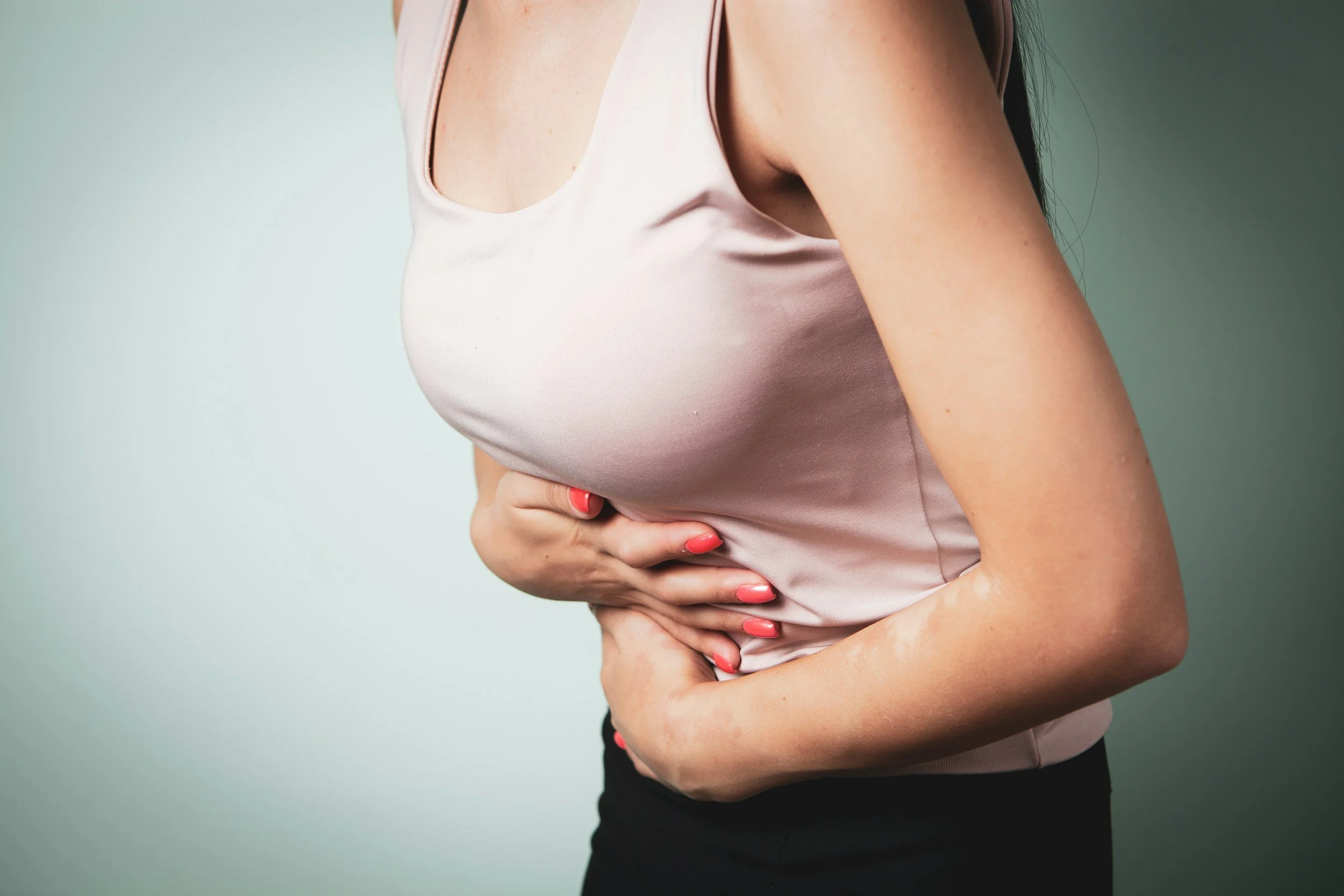
So… Does Stretching Actually Help Period Pain?
Yes — and there’s growing scientific evidence supporting it.
A large 2024 systematic review and network meta-analysis published in BMC Women’s Healthreviewed 49 studies involving more than 3,000 participants and found that exercise interventions significantly reduced menstrual pain. Stretching and multi-component exercise programs ranked among the most effective approaches for improving menstrual symptoms.
Another major review from Cochrane found that regular exercise may lead to clinically significant reductions in period pain intensity, particularly low-intensity movement like stretching, yoga, and core strengthening exercises.
Research published in the American Journal of Obstetrics and Gynecologyalso supports physical activity as an effective strategy for reducing symptoms associated with primary dysmenorrhea (common period pain).
How Stretching May Help Relieve Menstrual Cramps
Stretching helps in several ways — both physically and mentally.
1. It Helps Relax Tight Muscles
During menstruation, many people unconsciously tense their abdominal muscles, hip flexors, glutes, and lower back muscles. This tension can make cramps feel even worse.
Gentle stretching encourages those muscles to release and relax, which may reduce feelings of tightness and pressure.
2. It Improves Blood Flow and Circulation
Movement and stretching can increase circulation to the pelvis and lower back area. Better blood flow may help ease muscle tension and support the body’s natural recovery processes.
3. It Supports Nervous System Relaxation
Pain and stress often feed into each other. When your body is stressed or fatigued, discomfort can feel more intense.
Slow, supported stretching can help calm the nervous system, encourage deeper breathing, and create a sense of relaxation — something many people need during their cycle.
4. It Can Help With Lower Back and Hip Pain
Period pain isn’t always just abdominal cramps. Many people experience aching through the hips, glutes, and lower back.
Stretching the hips, hamstrings, glutes, and lower back may help reduce referred tension and improve overall comfort.
When Is the Best Time to Stretch During Your Cycle?
There’s no one-size-fits-all answer, but many people find stretching helpful:
A few days before their period starts
During the first 1–2 days of menstruation
Anytime cramps, stiffness, or bloating feel worse than usual
The key is keeping movement gentle and supportive — not intense or exhausting.
This isn’t about pushing through pain or forcing a workout when your body feels depleted. It’s about helping your body feel more comfortable and supported.
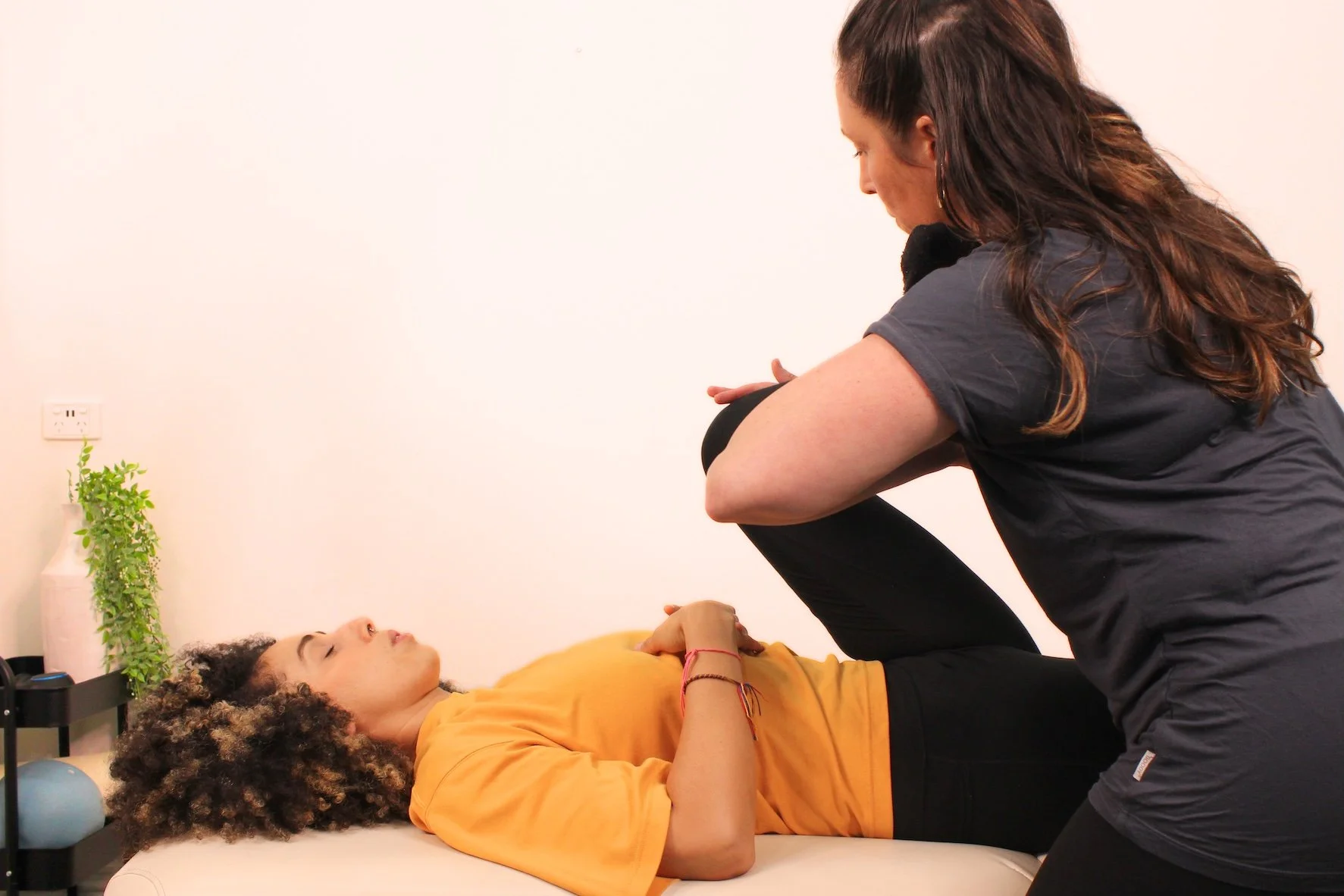
Why Assisted Stretching Can Feel Even Better
When you’re experiencing cramps or fatigue, it can be hard to motivate yourself to stretch properly on your own.
That’s where assisted stretching can make a big difference.
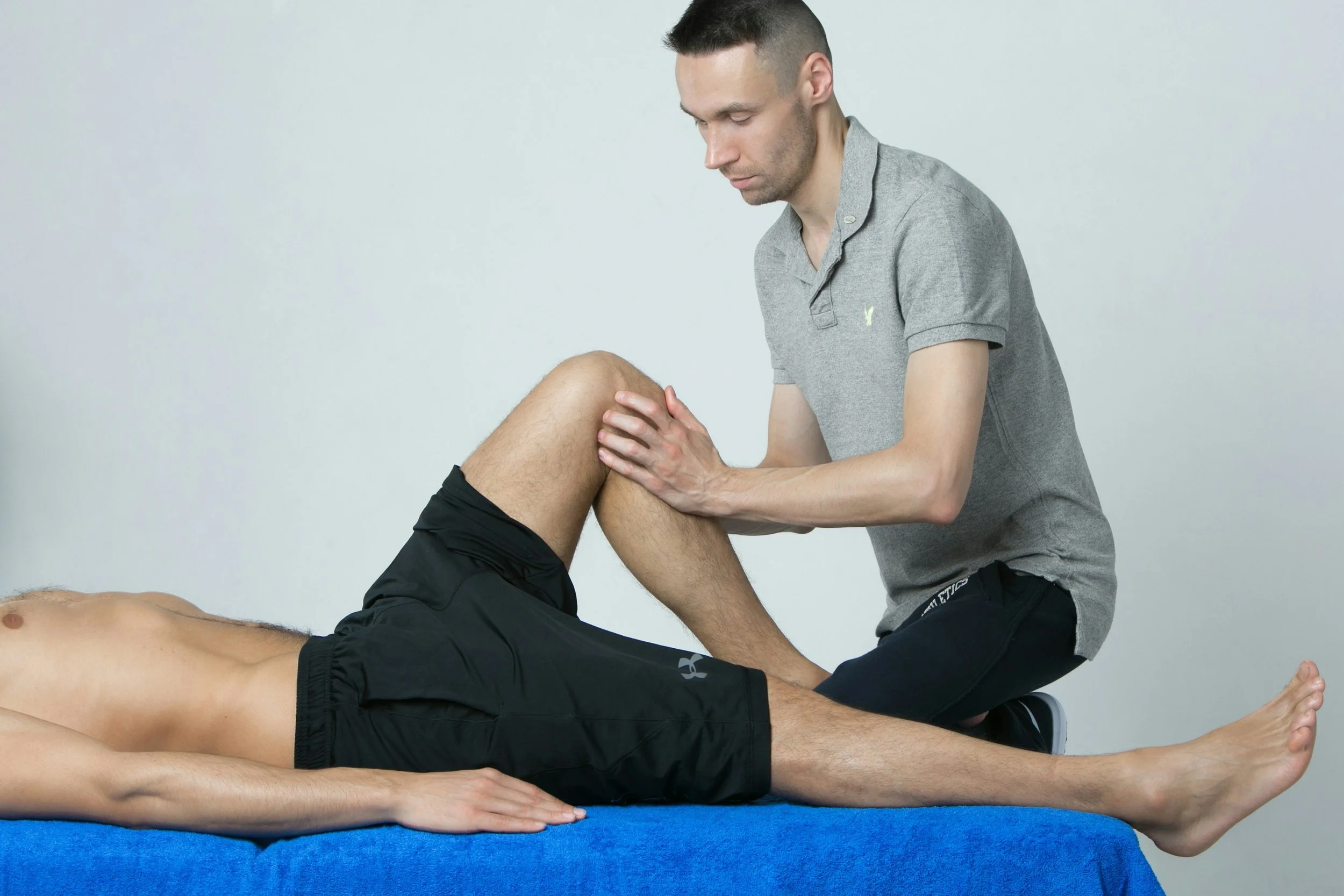
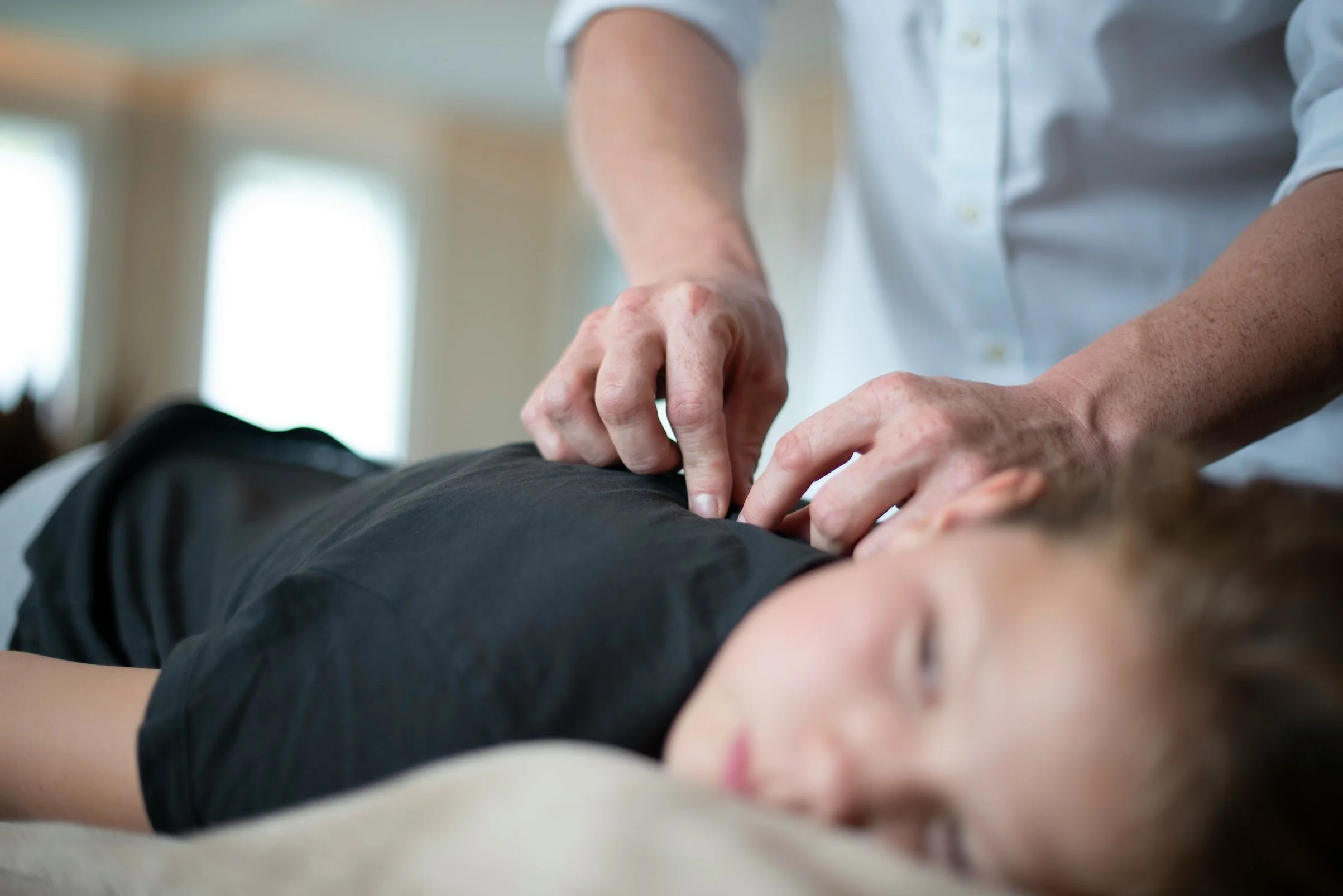
At StretchWell, our 1-on-1 assisted stretching sessions are designed to help your body relax while a trained stretch therapist guides you through gentle supported stretches tailored to your comfort level.
Many clients dealing with period pain find assisted stretching helpful because it allows them to:
fully relax into stretches
reduce tension in the hips and lower back
improve mobility without strenuous exercise
feel calmer and less stiff during their cycle
If you regularly experience painful periods, booking a gentle stretch session a few days before your expected cycle — or during the early days of menstruation — may help your body feel more supported and comfortable.
Every body is different, and sessions can always be adjusted depending on how you’re feeling that day.
Gentle Stretches Often Recommended for Period Pain
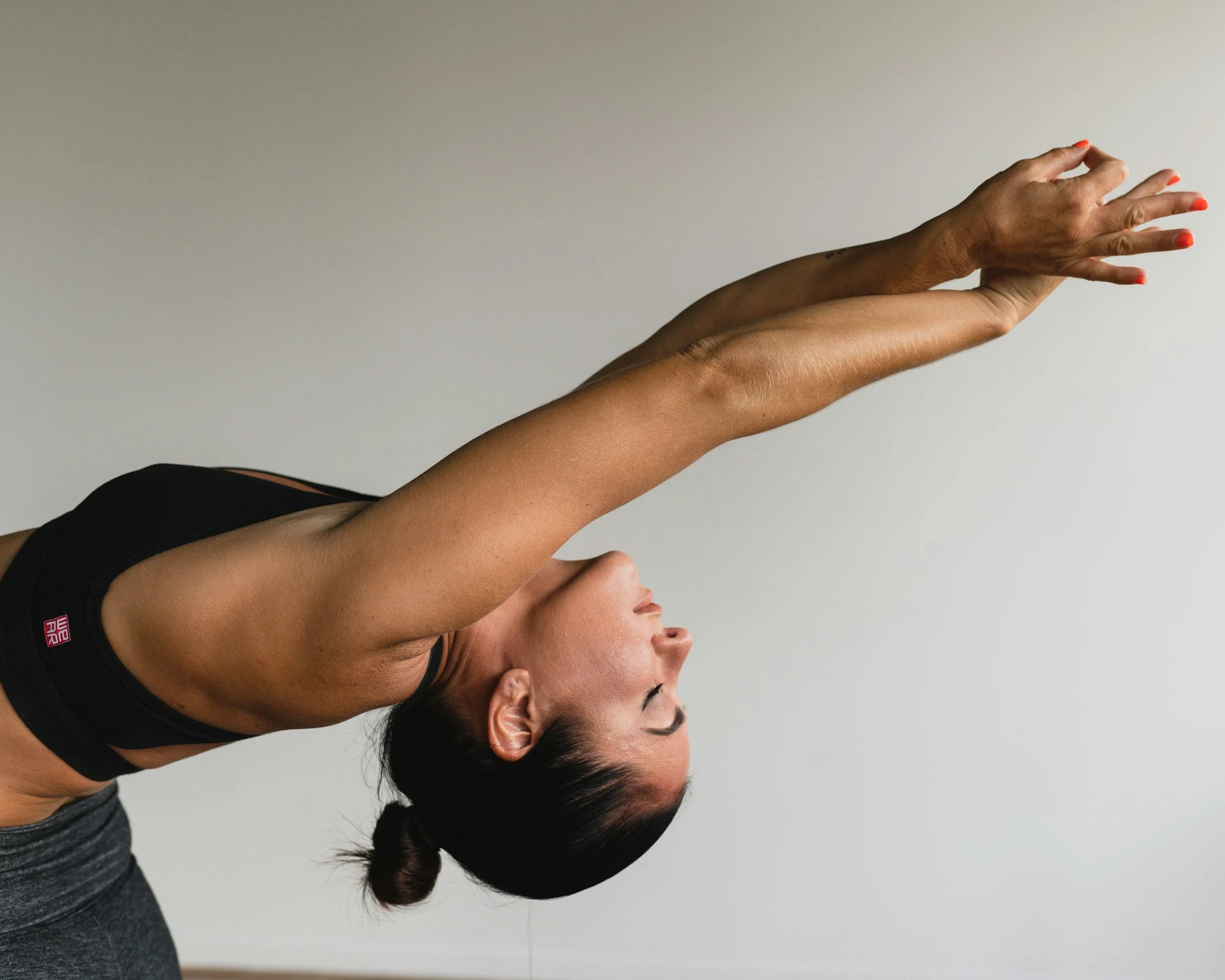
Some commonly recommended stretches for cramps and menstrual tension include:
Child’s pose
Hip flexor stretches
Seated forward folds
Figure-four glute stretches
Cat-cow stretches
Lower back twists
Hamstring stretches
The goal isn’t deep intensity. Slow, comfortable movement is usually most effective.
When Period Pain Should Be Checked by a Doctor
While period cramps are common, severe pain isn’t something you should simply “put up with.”
If your symptoms are intense, worsening, or interfering significantly with daily life, it’s important to speak with a healthcare professional. Conditions like endometriosis, adenomyosis, or fibroids can sometimes contribute to severe menstrual pain.
Stretching can be a helpful supportive tool, but it shouldn’t replace medical care when needed.
Final Thoughts
Period pain can feel physically and emotionally draining, but gentle movement may offer meaningful relief.
Scientific research continues to support stretching and exercise as effective ways to reduce menstrual discomfort, improve mobility, and help people feel more comfortable throughout their cycle.
Whether you stretch at home or book an assisted stretching session, the goal is simple: helping your body feel supported, relaxed, and cared for.
If you’re looking for a gentle, supportive way to manage cramps, tension, and lower back discomfort during your cycle, StretchWell is here to help. Visit us at our Melbourne studio at 108 High Street, Northcote.
Related Posts