The short answer
If something hurts, you've been injured or you don't know what's wrong, start with a physio. If you feel stiff, tight or restricted rather than sore, assisted stretching is a great fit. If you want knots and muscle tension worked out, book a massage. And if you have ongoing muscular pain that keeps coming back, a myotherapist sits somewhere between massage and physio.
We get asked about this a lot at StretchWell! All four are hands-on, they all help you feel better, and the lines between them can feel blurry. But they do quite different things, and choosing the right one first saves you time and money. Here's how they compare.
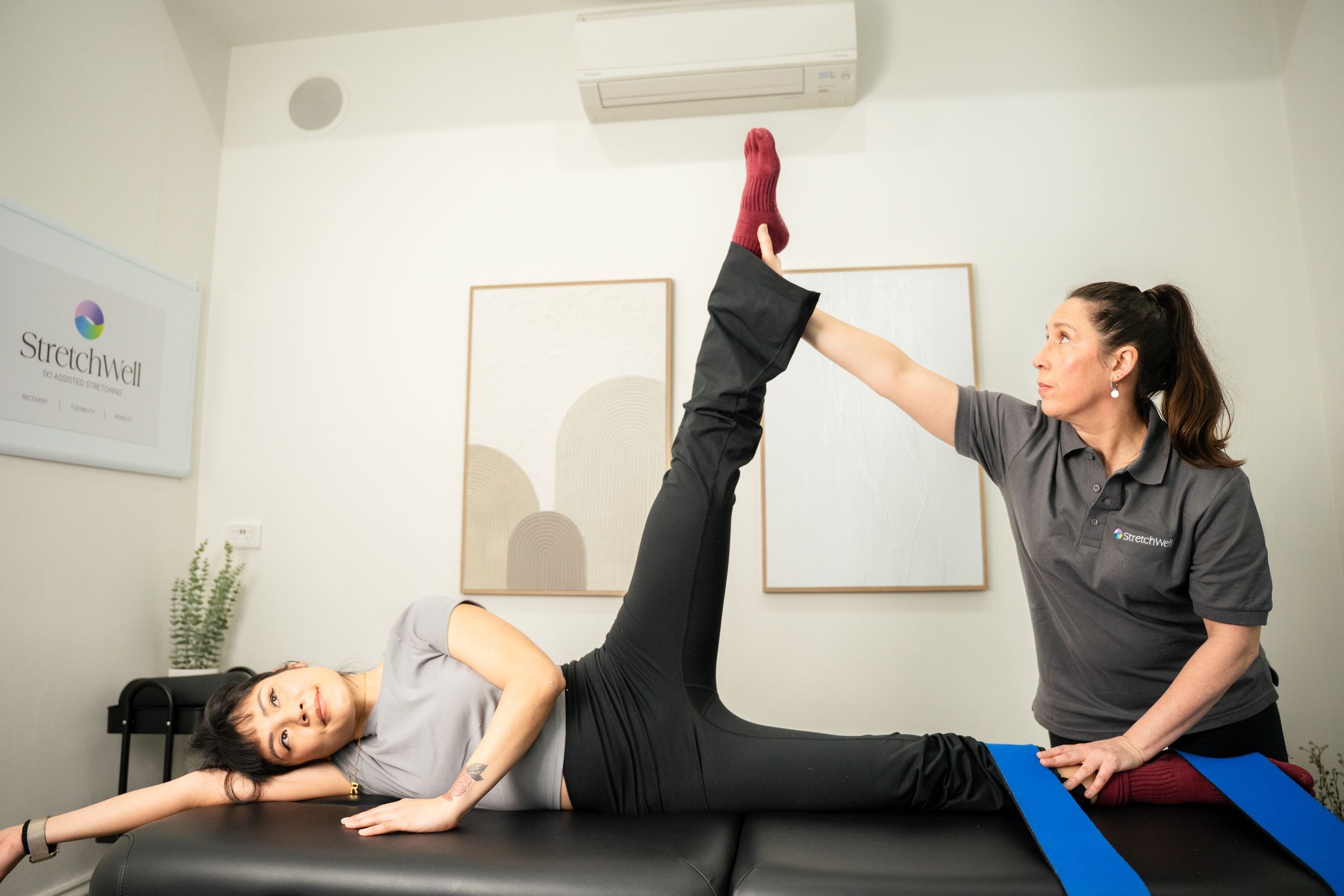
Assisted stretching (stretch therapy)
Assisted stretching is a one-on-one session where a trained stretch therapist moves your body through a series of stretches while you relax. Because you're supported into each position, your muscles can let go further than they would if you were stretching on your own.
At StretchWell, sessions happen fully clothed on a treatment table. We start with a quick chat about where you feel tight, then work through the areas that need it most, often hips, hamstrings, back and shoulders. We also use contract-release techniques, where you gently push against resistance before relaxing into a deeper stretch.
Best for: stiffness from desk work, tight hips and hamstrings, recovery from training, and anyone who knows they should stretch but never does.
What it's not: a treatment for injuries or undiagnosed pain. If something hurts, see a physio first.
Cost: from $75 for 25 minutes, $135 for 50 minutes. No referral needed. We don't currently offer health fund rebates.
Research shows that regular stretching can improve flexibility and range of motion over time .

Myotherapy
Myotherapy focuses on assessing and treating muscle and soft tissue pain. Myotherapists typically train through an Advanced Diploma or a Bachelor of Health Science (Myotherapy), and use techniques like trigger point therapy, dry needling, cupping, massage and corrective exercises.
Think of it as a step up from remedial massage. A myotherapist will assess why a muscle keeps tightening up, treat it, and usually give you exercises to do at home. Unlike physios, they aren't registered with Ahpra, and they focus on muscles rather than joints, bones or nerves.
Best for: ongoing muscular pain, tension headaches, recurring tightness in the same spot, and trigger points that don't shift with massage alone.
Good to know: many private health extras policies cover myotherapy, but not all, so check with your fund. Massage & Myotherapy Australia has more on what myotherapists do.
Cost: usually around $100–$130 for an hour in Melbourne.
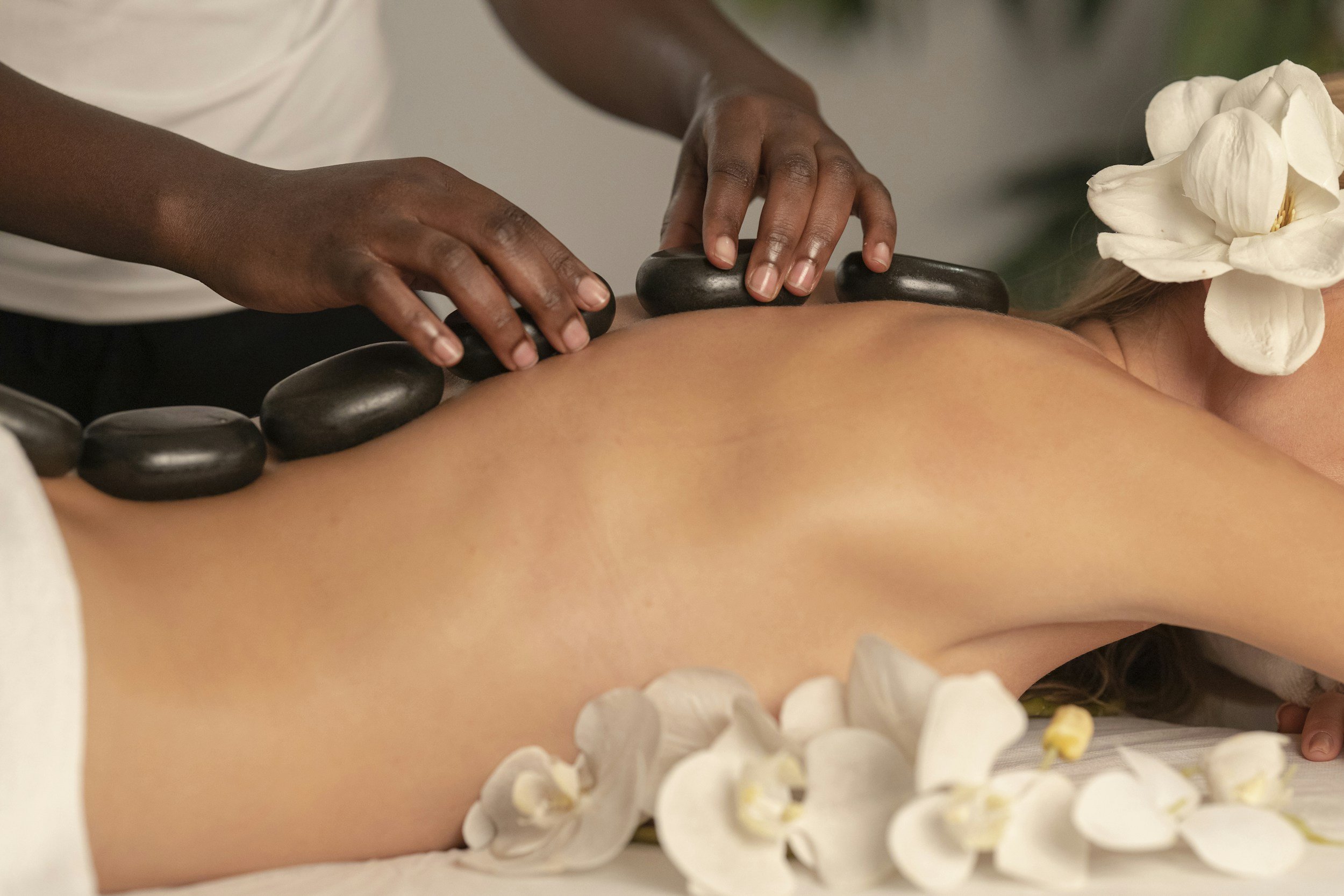
Massage (remedial and relaxation)
Massage works on your muscles while they're at rest. The therapist uses pressure, kneading and long strokes to release tension and knots. Remedial massage targets specific problem areas, while relaxation massage is more about overall stress relief.
The key difference from stretching: massage works on the muscle where it sits, while stretching takes the muscle and joint through their range of movement. Many people find they feel looser after a massage but stiffen up again within a day or two, which is where stretching can help.
Best for: knots, general muscle tension, stress, and recovery when you want something passive and relaxing.
Good to know: remedial massage therapists usually hold a Diploma of Remedial Massage, and many private health extras policies cover remedial massage from a registered provider.
Cost: usually around $90–$130 for an hour in Melbourne, depending on the clinic.
According to the Australian Government’s health resources, massage therapy can support circulation and reduce muscle tension.
Physiotherapy
Physiotherapists are university-trained health practitioners registered with Ahpra, the national body that regulates health professions in Australia. They assess and diagnose injuries and movement problems, then treat them with a mix of hands-on therapy, exercise programs and education.
The big difference is diagnosis. A physio can work out what's actually wrong, whether that's a joint problem, a tendon injury or nerve pain, and build a plan to fix it. Stretch therapists and massage therapists don't diagnose.
Best for: sports injuries, sudden or sharp pain, pain that's getting worse, recovery after surgery, and anything that needs a diagnosis.
Good to know: physio is covered by most private health extras policies, and Medicare rebates may be available if your GP refers you under a chronic condition care plan. You don't need a referral to see a physio privately. Find out more from the Australian Physiotherapy Association.
Cost: usually around $90–$140 for an initial consultation in Melbourne.
Why Assisted Stretching Is Growing in Melbourne
With more people working desk-based jobs and experiencing tight hips, stiff backs, and limited mobility, services that focus on movement are becoming increasingly popular.
Assisted stretching offers a simple, effective way to:
improve how your body moves
reduce everyday tension
feel better consistently
In areas like Northcote and across Melbourne, more people are looking for proactive ways to support their bodies — not just react to pain when it appears.
The American Council on Exercise highlights flexibility as a key component of overall fitness and movement health.
Which one should you book?
Ask yourself whether you feel sore or stiff.
Sharp, sudden or worsening pain, or a recent injury? See a physio first. Check Healthdirect if you're unsure whether you need to see a GP.
Stiff, tight or restricted, especially after sitting all day? Try assisted stretching.
Knotty, tense or stressed? A massage will feel great.
The same muscle keeps flaring up? A myotherapist can look at why.
Can you combine them?
Yes, and many of our clients do. A massage or myotherapy session releases tension, and stretching helps you keep the extra range of movement. If you're working with a physio on an injury, ask them whether stretching suits your stage of recovery. Once you've been cleared for normal activity, regular stretch sessions can help stop the same tightness coming back.
We'd always rather point you to the right person than book you in for something that won't help. If you're not sure, get in touch and ask.
FAQs
Is stretch therapy better than massage? Neither is better; they do different jobs. Massage releases tension in resting muscles, while stretching improves how far your muscles and joints can move. If stiffness is your main issue, stretching usually makes a bigger difference.
Is assisted stretching the same as physio? No. A physio diagnoses and treats injuries. Assisted stretching improves flexibility and mobility in people who aren't injured, and can be a good next step once a physio has cleared you.
What's the difference between myotherapy and remedial massage? Both work on muscles, but myotherapists train for longer, assess the cause of muscle pain, and use extra techniques like dry needling and corrective exercises.
Do I need a referral for any of these? No. You can book stretch therapy, massage, myotherapy and private physio directly. You'd only need a GP referral to claim Medicare rebates for physio.
Can I claim assisted stretching on my health fund? Not at StretchWell at the moment. Health fund cover for stretch therapy varies, so check with your fund if you're seeing someone else.
Ready to try assisted stretching?
If you're feeling tight rather than injured, a stretch could be exactly what your body's after! Our Full Body Stretch is the best place to start: 50 minutes, head to toe, tailored to where you're tightest. Not sure what to expect? Read our first session guide, or book online at our Northcote studio.
Related Posts