Assisted Stretching vs Flexibility Classes: Which Is Better?
Assisted stretching is generally the better choice for treating specific tightness, pain or restricted movement, while flexibility classes are cheaper and better suited to maintaining existing flexibility. The two aren't really interchangeable: flexibility classes are group sessions moving through a fixed sequence at a fixed pace, while assisted stretching is a one-on-one session where a therapist guides your body into a deeper stretch than you could reach on your own — which is why it tends to deliver faster, more targeted results.
If you've searched for flexibility classes near you, chances are you're trying to move better, loosen up tight areas, or recover faster from training. Here's how the two compare, and how to figure out which one actually gets you results.
What Are Flexibility Classes?
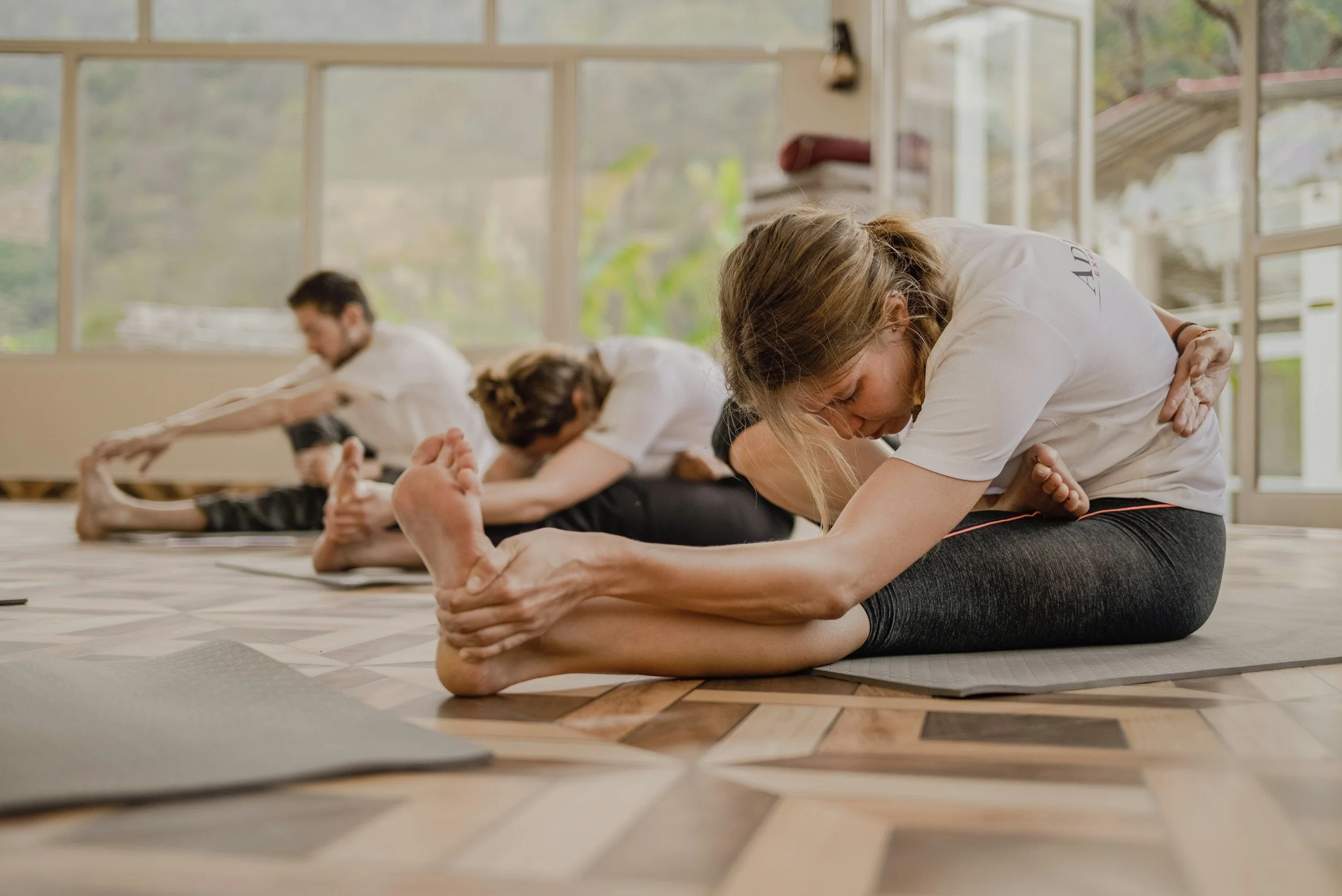
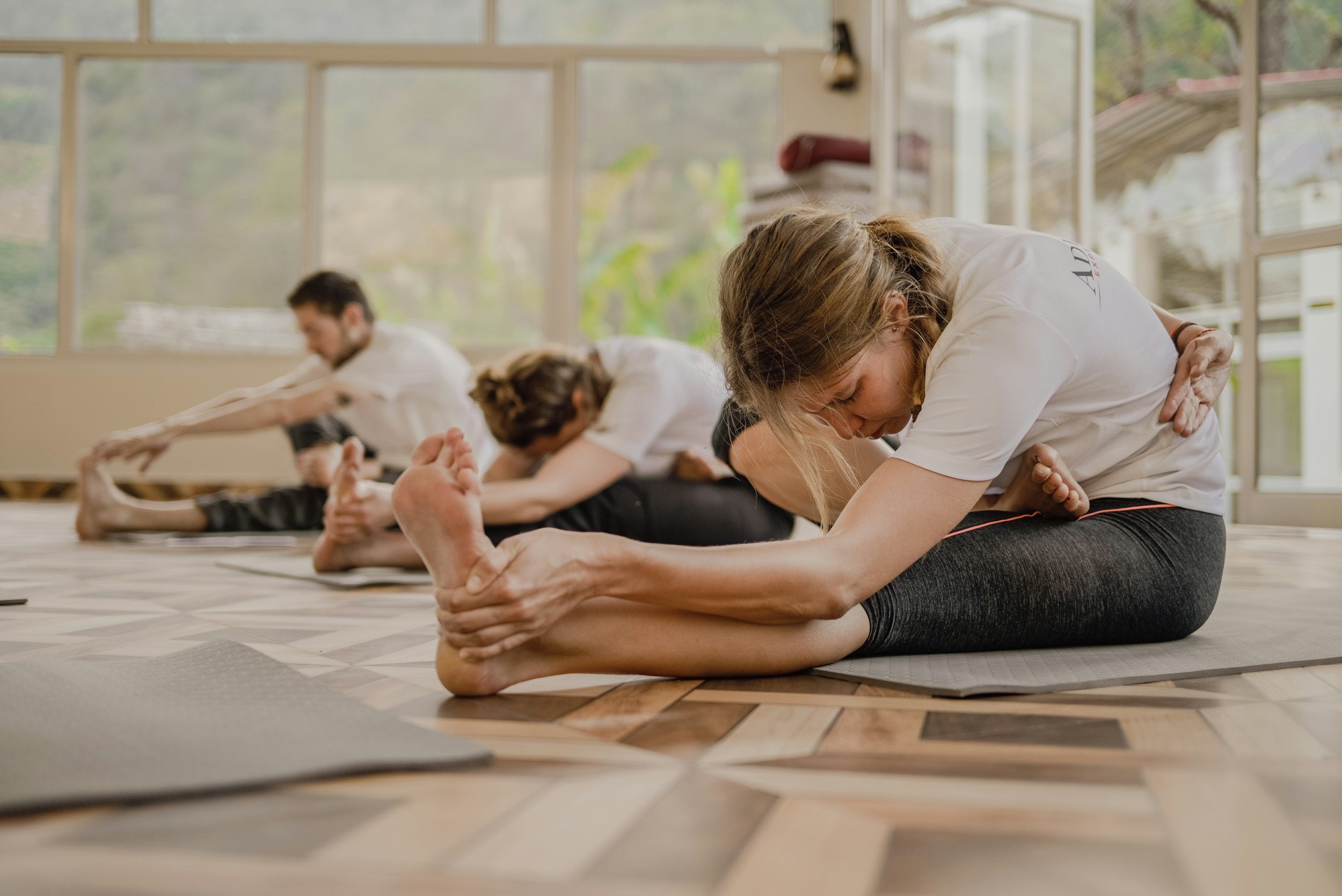
Flexibility classes are typically group sessions — often styled around yoga, Pilates, or dedicated "stretch and mobility" classes — where a group of people move through a set sequence of stretches together, led by an instructor at the front of the room.
They're a solid low-cost way to build a stretching habit and improve general mobility over time. But because they're designed for a room full of people at once, they come with a few built-in limits:
The pace is fixed — everyone moves through the same sequence at the same time, whether or not it suits your body that day
There's little to no individual correction — an instructor managing a full class can't fine-tune your position the way a one-on-one session can
Stretches are generic — the sequence is built for the average person in the room, not your specific tight hips, sciatica, or knee pain
Depth is limited by your own effort — since you're stretching yourself, you can only go as far as your own muscles will actively let you, which is often less than what's actually possible when a therapist is assisting.
What Is Assisted Stretching?
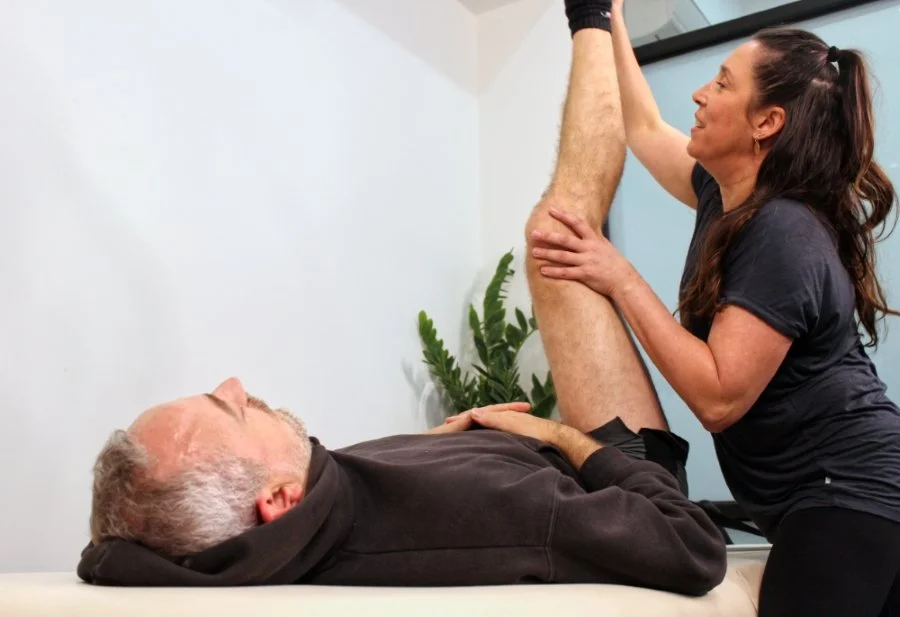
Assisted stretching is a one-on-one session where a trained stretch therapist moves your body through targeted stretches for you, rather than you stretching on your own. Because someone else is doing the work, your muscles can relax more fully — which usually means a deeper, more effective stretch than you could achieve solo, in a fraction of the time.
A typical session is built around your body specifically: your tight areas, your goals, and any problem spots — whether that's neck tension, tight hamstrings, or general stiffness from sitting at a desk all day. Head over to our flexibility page for a closer look at how a session actually improves your range of motion over time.
The Key Differences
| Flexibility Classes | Assisted Stretching | |
|---|---|---|
| Format | Group, instructor-led | One-on-one with a therapist |
| Personalisation | Generic sequence for the room | Tailored to your specific tight areas |
| Stretch depth | Limited to your own effort | Deeper, therapist-assisted range |
| Pace | Fixed to the class | Adjusted to you in real time |
| Best for | Building a general stretching habit | Targeted relief, faster results, specific problem areas |
| Time investment | 45–60 min, ongoing weekly commitment | 25–80 min, results felt from the first session |
Which One Is Actually Better?
Honestly — it depends on what you're trying to solve.
Flexibility classes are a good fit if you're relatively mobile already, enjoy a group environment, and want a regular habit that keeps you moving. They're also a nice complement to other training, similar to how some people treat a weekly Pilates or yoga class.
Assisted stretching is a better fit if you're dealing with a specific issue — tight hips from sitting all day, post-training soreness, sciatica, or restricted mobility in one area — and want it addressed directly rather than worked around in a generic sequence. It's also the better option if you've tried group classes before and found you just don't loosen up much on your own effort alone, which is common for anyone with genuinely stiff or overactive muscles.
Can You Do Both?
Yes — and a lot of our clients do. A common approach is a flexibility or movement class for general upkeep, paired with a monthly or fortnightly assisted stretching session to target whatever's tightest or giving the most trouble. The class builds the habit; the assisted session gets you the depth a class can't.
Try Assisted Stretching for Yourself
If you've been going to flexibility classes and still feel tight in the same spots, it might be time to try a more targeted approach. Book an assisted stretch session and feel the difference a tailored, hands-on session makes compared to a group class.
FAQ
Is assisted stretching better than a flexibility class? It depends on your goal. Flexibility classes are great for building a general stretching habit in a group setting, while assisted stretching is better suited to targeting specific tight areas or problems, since a therapist can guide your body into a deeper stretch than you could reach alone.
Can I do assisted stretching if I already go to flexibility classes? Yes — the two work well together. Many clients use a weekly class to stay generally mobile and add an assisted stretching session for a deeper, targeted release in whatever area needs the most attention.
How is assisted stretching different from a regular stretching routine? In assisted stretching, a therapist moves your body through the stretch for you, which allows your muscles to relax more than they would if you were stretching yourself. This usually means a deeper, more effective stretch in less time
Related Posts