Stretch Therapy vs Yoga: What's the Difference?
Both stretch therapy and yoga aim to improve flexibility and how your body feels, but they're built quite differently — and understanding the difference helps you pick the right one for what you actually need.
What's the difference between stretch therapy and yoga? Yoga is a self-directed practice combining postures (asanas), breathing techniques and often a mindfulness or spiritual component, typically done in a class or individually. Stretch therapy (also called assisted stretching) is hands-on and therapist-guided — a trained practitioner physically moves your body through each stretch, rather than you holding the poses yourself. Both can improve flexibility, but the experience, effort required from you, and depth of release each achieves are genuinely different.
What Yoga Actually Involves
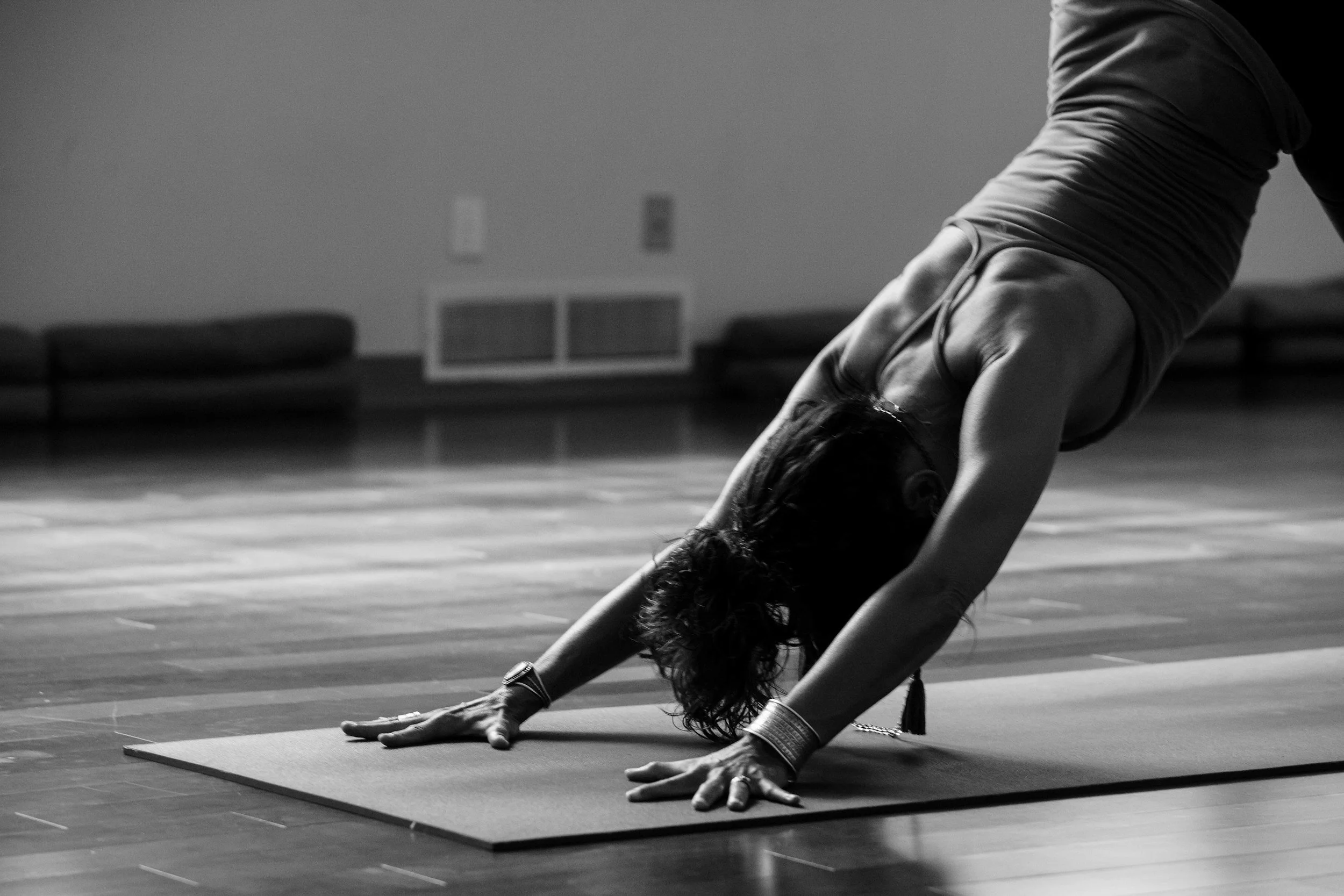
Yoga combines physical postures with breath control and, depending on the style and instructor, a meditative or mindfulness element. Styles range from gentle, restorative practices to physically demanding flows, and it's typically practised in a group class or individually, following a sequence you hold and move through yourself. Beyond flexibility, yoga builds strength, balance and body awareness, and many people value the mental and breathing components as much as the physical stretching itself.
What Stretch Therapy Actually Involves
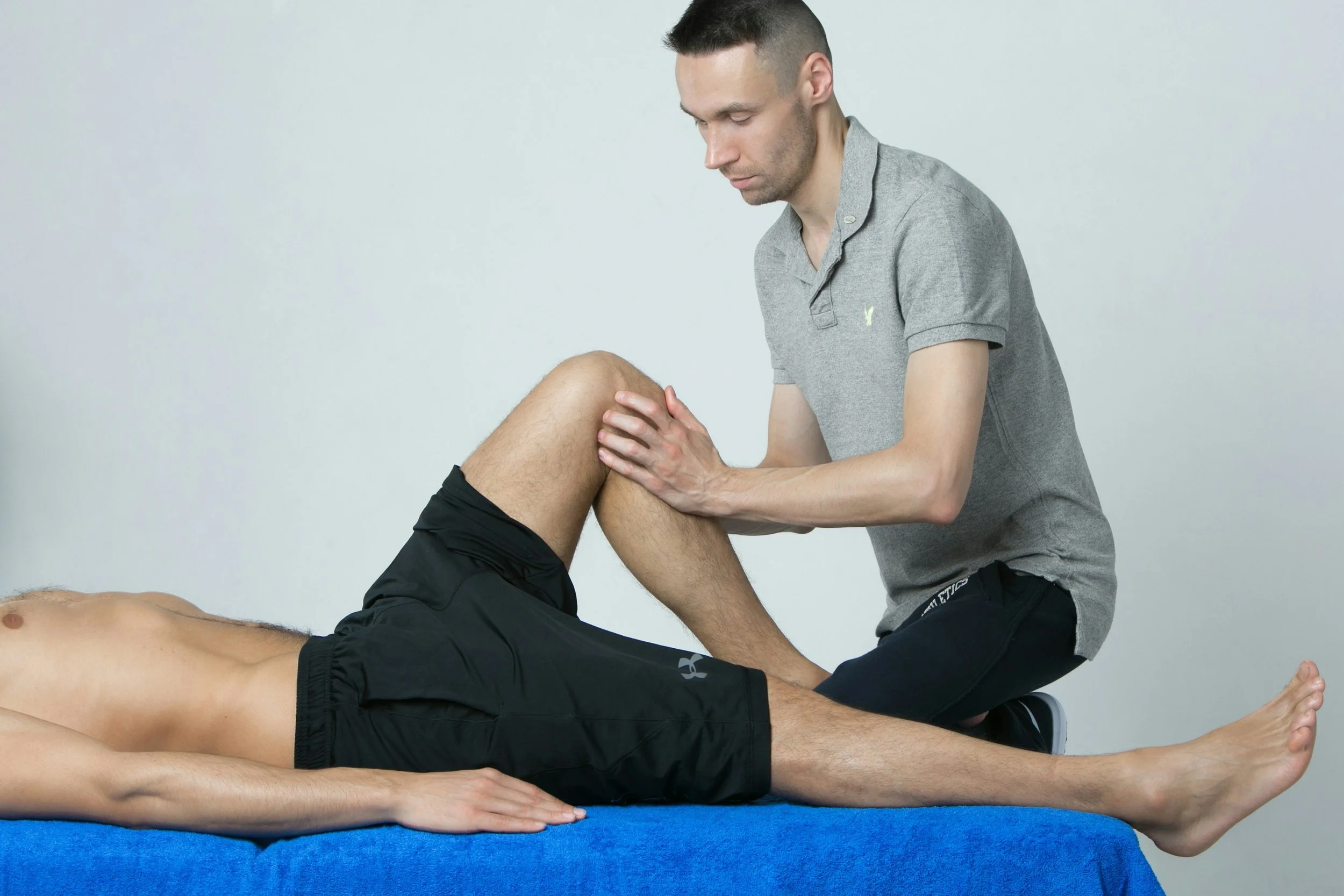
Stretch therapy is hands-on: a trained therapist physically guides your body through a series of targeted stretches, supporting your limbs and controlling the depth and pacing throughout. There's no sequence to remember, no poses to hold under your own strength, and no group setting — sessions are 1:1 and built around your specific tightness and goals. Many practitioners, including StretchWell, use Proprioceptive Neuromuscular Facilitation (PNF) techniques, combining brief muscle contractions with assisted stretching to support a deeper release than self-directed stretching typically achieves.
The Key Differences at a Glance
Who does the physical work: In yoga, you hold and move through the postures yourself. In stretch therapy, the therapist does the physical work while you relax.
Format: Yoga is typically class-based or a self-guided practice you repeat. Stretch therapy is a 1:1 session tailored to your body that day.
What else you get: Yoga builds strength, balance and often incorporates breathing and mindfulness. Stretch therapy is focused specifically on flexibility and release.
Depth of stretch: Because a therapist controls the movement in stretch therapy, many people find they can relax into a deeper stretch than they achieve holding their own yoga pose.
Effort required: Yoga requires active participation and practice to improve. Stretch therapy requires none — you simply relax and let the therapist guide the movement.
Which One Is Right for You?
Yoga might suit you if you want a broader practice that builds strength and balance alongside flexibility, enjoy a class environment, or value the breathing and mindfulness components alongside the physical benefits.
Stretch therapy might suit you if you want targeted, hands-on results without needing to learn or hold poses yourself, you're dealing with tightness that hasn't responded well to your own stretching, or you simply want to relax and let someone else do the work.
Many people do both. Yoga for a broader practice covering strength, balance and mindfulness, and stretch therapy for a deeper, targeted release in specific tight areas that a general yoga practice doesn't always reach as precisely.
Why Stretch Therapy Can Reach Further for Specific Tightness
Self-directed stretching, including yoga, has a real limitation: it's hard to fully relax into a stretch while you're also the one holding your position and controlling the movement. Your nervous system stays at least partly "on guard," which can cap how much range of motion you access, regardless of how consistent your practice is. Because your therapist supports and controls the movement in stretch therapy, you're able to properly relax, which can allow a deeper release specifically through areas like the hips and hamstrings that are difficult to isolate in a standard yoga pose.
Getting Started
If you already practise yoga and want to add a deeper, more targeted release for specific tight areas, or you're looking for flexibility work without needing to learn a new practice, stretch therapy is a straightforward place to start.
Book an assisted stretching session at StretchWell in Northcote and experience the hands-on difference for yourself.
FAQs
Is stretch therapy the same as yoga?
No. Yoga is a self-directed practice you perform yourself, often in a class, combining postures, breathing and sometimes mindfulness. Stretch therapy is hands-on and therapist-guided, with a practitioner physically moving your body through each stretch.
Can I do both yoga and stretch therapy?
Yes — many people use yoga for a broader practice covering strength, balance and mindfulness, and stretch therapy for deeper, targeted release in specific tight areas.
Which is better for flexibility, yoga or stretch therapy?
Both can improve flexibility. Stretch therapy often allows a deeper release for specific tight areas since a therapist controls the stretch, while yoga builds flexibility alongside strength and balance over a consistent practice.
Do I need any experience to try stretch therapy?
No — unlike yoga, there are no poses to learn or hold. Sessions are tailored to your current range of motion, whatever that looks like.
Is stretch therapy more relaxing than yoga?
Many people find it is, since you don't have to hold or control any of the movement yourself — you can fully relax while the therapist does the physical work.
Related Posts