Shoulder Stretches for Tight, Achy Shoulders
Tight, achy shoulders are one of the most common complaints among desk workers, gym-goers and just about anyone carrying stress in their upper body. Here are safe stretches you can try at home, plus a look at why the shoulders in particular are one of the harder areas to fully release on your own.
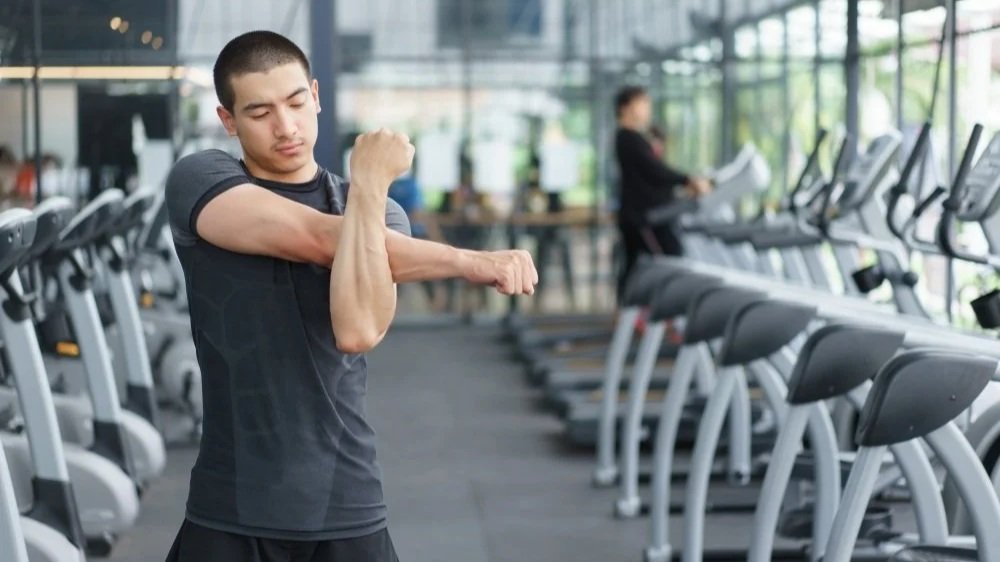
Can stretching actually help tight shoulders? Yes. In most cases of everyday tightness, whether from desk work, training, or general tension, stretching the chest, shoulders and upper back can meaningfully ease discomfort and improve range of motion. The stretches below are a safe starting point, though the shoulder is a complex joint with several muscle groups working together, which is part of why deeper or persistent tightness often responds better to guided, hands-on work.
Why Shoulders Get So Tight
The shoulder is one of the most mobile joints in the body, which also makes it one of the easiest to end up tight or restricted. Hours at a desk pull the shoulders forward and round the upper back. Training, particularly pushing movements like bench press, can tighten the chest and front of the shoulder without enough opposing work through the back. Carrying stress physically in the shoulders is extremely common too, often without much awareness it's happening until the tightness is already established.
Simple Shoulder Stretches to Try at Home
These are safe, general stretches for everyday shoulder tightness. Stop if you feel sharp pain, and check with a doctor first if you have a diagnosed shoulder condition or recent injury.
1. Cross-Body Shoulder Stretch
Bring one arm straight across your chest at shoulder height, and use your other arm to gently pull it closer to your body. Hold 20–30 seconds each side. This targets the back of the shoulder specifically.
2. Doorway Chest Stretch
Stand in a doorway with your forearm against the frame, elbow at roughly shoulder height, and gently lean forward until you feel a stretch across the front of your shoulder and chest. Hold 20–30 seconds each side.
3. Overhead Triceps and Shoulder Stretch
Raise one arm overhead, bend the elbow so your hand reaches down your back, and use your other hand to gently support the elbow. Hold 20–30 seconds each side.
4. Shoulder Rolls
Slowly roll your shoulders up, back and down in a circular motion, 8–10 times, then reverse direction. A simple way to release tension and improve circulation through the shoulder girdle.
5. Thread the Needle
On all fours, slide one arm underneath your body, palm up, until your shoulder and the side of your head rest gently on the ground or a surface. Hold 20–30 seconds each side — this also gently works through the upper back and shoulder blade area.
Why Shoulders Can Be Tricky to Stretch Alone
The shoulder is a complex joint, with multiple muscle groups working together across the chest, upper back and rotator cuff. It's easy to feel like you're stretching effectively while only reaching part of the picture, or compensating through your neck or upper back without realising it. Self-stretching also makes it hard to fully relax into a position while simultaneously holding and controlling your own arm.
How Assisted Stretching Helps Tight Shoulders
During an assisted stretching session, your therapist supports and guides your arm and shoulder through a controlled range of motion, working through the chest, shoulder and upper back together rather than in isolation. This allows for a deeper, more complete release than most people achieve stretching alone, particularly for tightness that's built up over weeks or months rather than a single tough session at the gym.
When to See a Doctor Instead
If your shoulder pain came on suddenly, is severe, limits your ability to lift your arm, or is accompanied by significant weakness, please see a doctor or physiotherapist rather than relying on stretching alone — this could indicate a rotator cuff issue or other injury needing proper assessment.
Getting Started
If these stretches help but don't fully release the tightness, or if it keeps building back up between sessions, that's usually a sign it's time for a deeper, guided release. Book an assisted stretching session at StretchWell in Northcote and let a therapist work through what self-stretching alone hasn't reached.
Frequently Asked Questions
What stretches help with tight shoulders?
The cross-body stretch, doorway chest stretch, overhead triceps stretch, shoulder rolls and thread-the-needle are all safe, effective stretches for everyday shoulder tightness.
Why do my shoulders feel tight all the time?
Common causes include desk work and poor posture, training (particularly pushing movements without enough opposing back work), and carrying physical stress in the shoulders without realising it.
Is it safe to stretch a sore shoulder?
For everyday tightness, generally yes, using gentle stretches like the ones above. If pain is sudden, severe, or limits your range of motion significantly, see a doctor first rather than stretching through it.
Why is assisted stretching better than stretching my shoulders myself?
A therapist can support and control your arm through a fuller range of motion than you can manage alone, working through the chest, shoulder and upper back together rather than one area at a time.
How often should I stretch my shoulders?
For general tightness, daily light stretching plus a weekly or fortnightly assisted stretching session tends to keep tightness from building back up, particularly for desk-based workers.
Related Posts