Assisted Stretching & Stretches for Hip Mobility, Tight Hips & Hip Flexors
Feel Less Stiff, Move More Freely and Restore Comfortable Hip Movement
Tight hips & hip flexors are one of the most common mobility issues people experience today.
Whether it's from sitting at a desk all day, training hard at the gym, running regularly, or simply not moving enough, restricted hip mobility can make everyday movements feel harder than they should.
You may notice:
Tightness when standing up after sitting
Difficulty getting into a deep squat
Stiffness through your hips and lower back
Limited range of motion during exercise
Feeling restricted when walking, running or moving
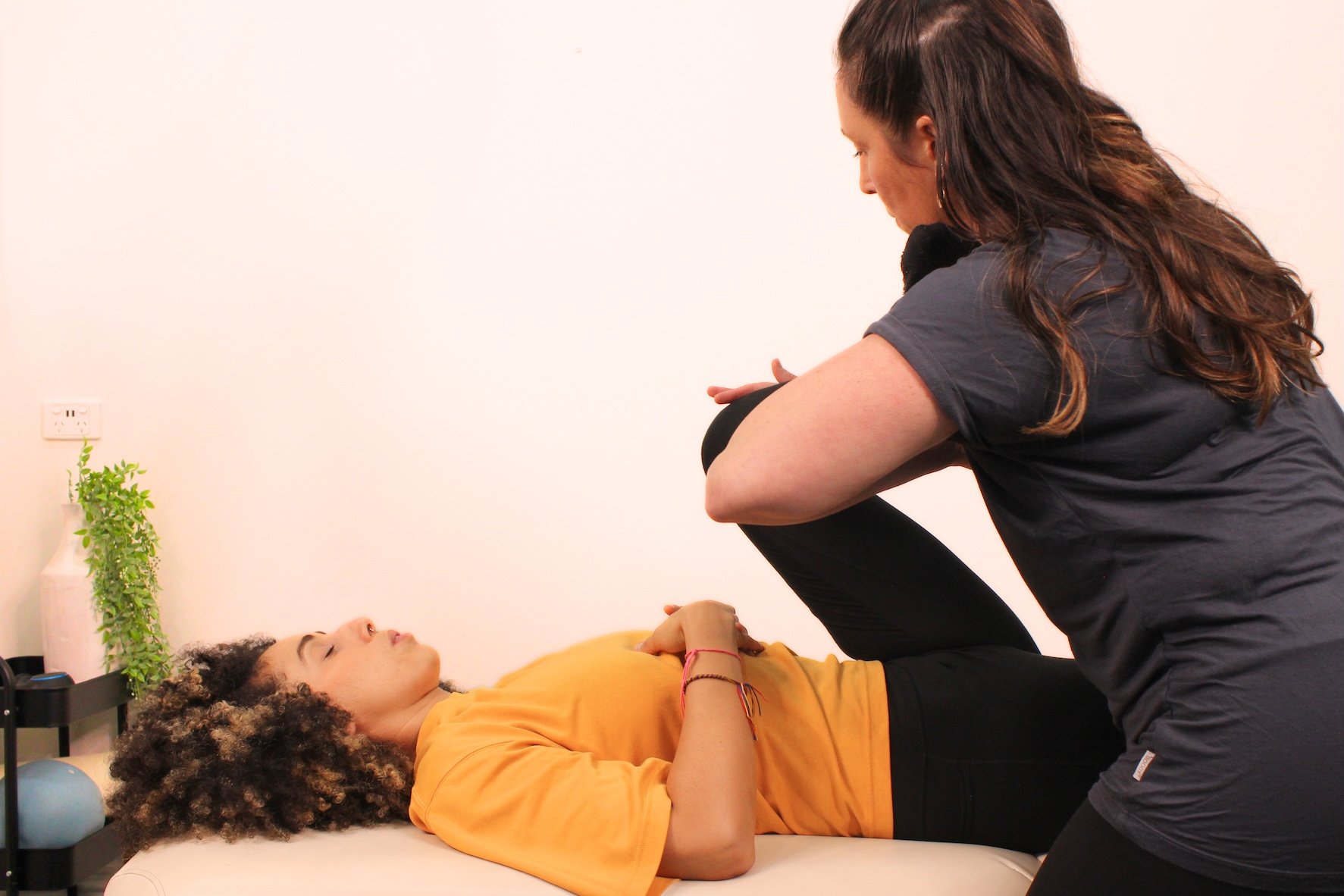
At StretchWell, our assisted stretching sessions are designed to help improve hip flexibility, mobility and movement quality through personalised, therapist-guided stretching.
Why Do Your Hips Feel Tight?
Your hips are some of the most important joints in your body. They help you walk, run, squat, rotate and perform almost every lower-body movement.
However, modern lifestyles can place significant demands on your hips.
Common causes of tight hips include:
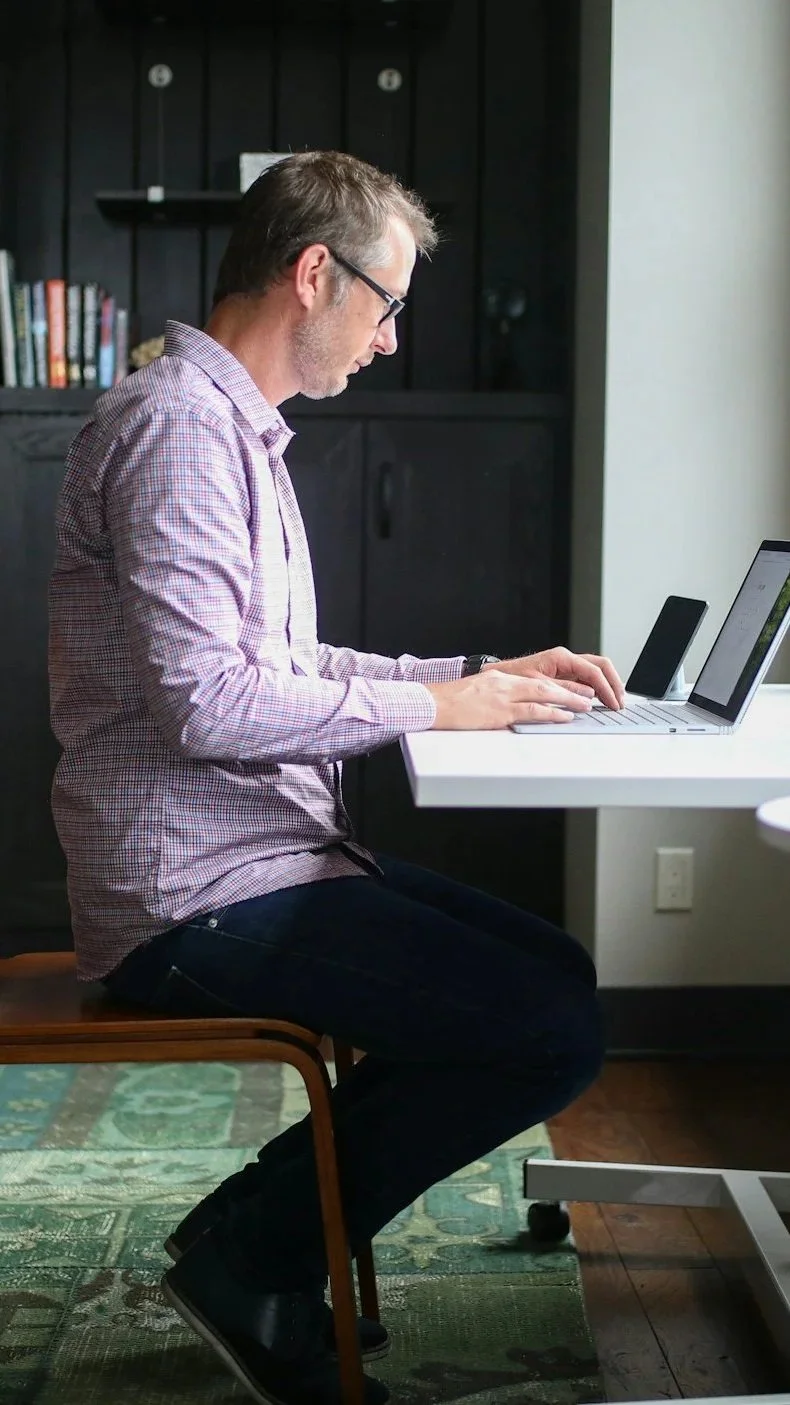
Sitting for Long Periods
Many people spend hours each day sitting at work, commuting or relaxing at home.
When your hips remain in a shortened position for long periods, muscles such as the hip flexors can become less comfortable moving through their full range.
Exercise and Training
Exercise is important, but repetitive movement patterns can create areas of stiffness.
Runners, cyclists and gym-goers often experience tightness because certain muscles are repeatedly used while others may become restricted.
Limited Mobility Training
Strength and fitness are important, but mobility is often overlooked.
Without regular movement through a full range of motion, your body may gradually become less flexible and more restricted.
Stress and Muscle Tension
Your nervous system plays an important role in how your body responds to movement.
When your body feels threatened or stressed, muscles can become more guarded and resistant to stretching.
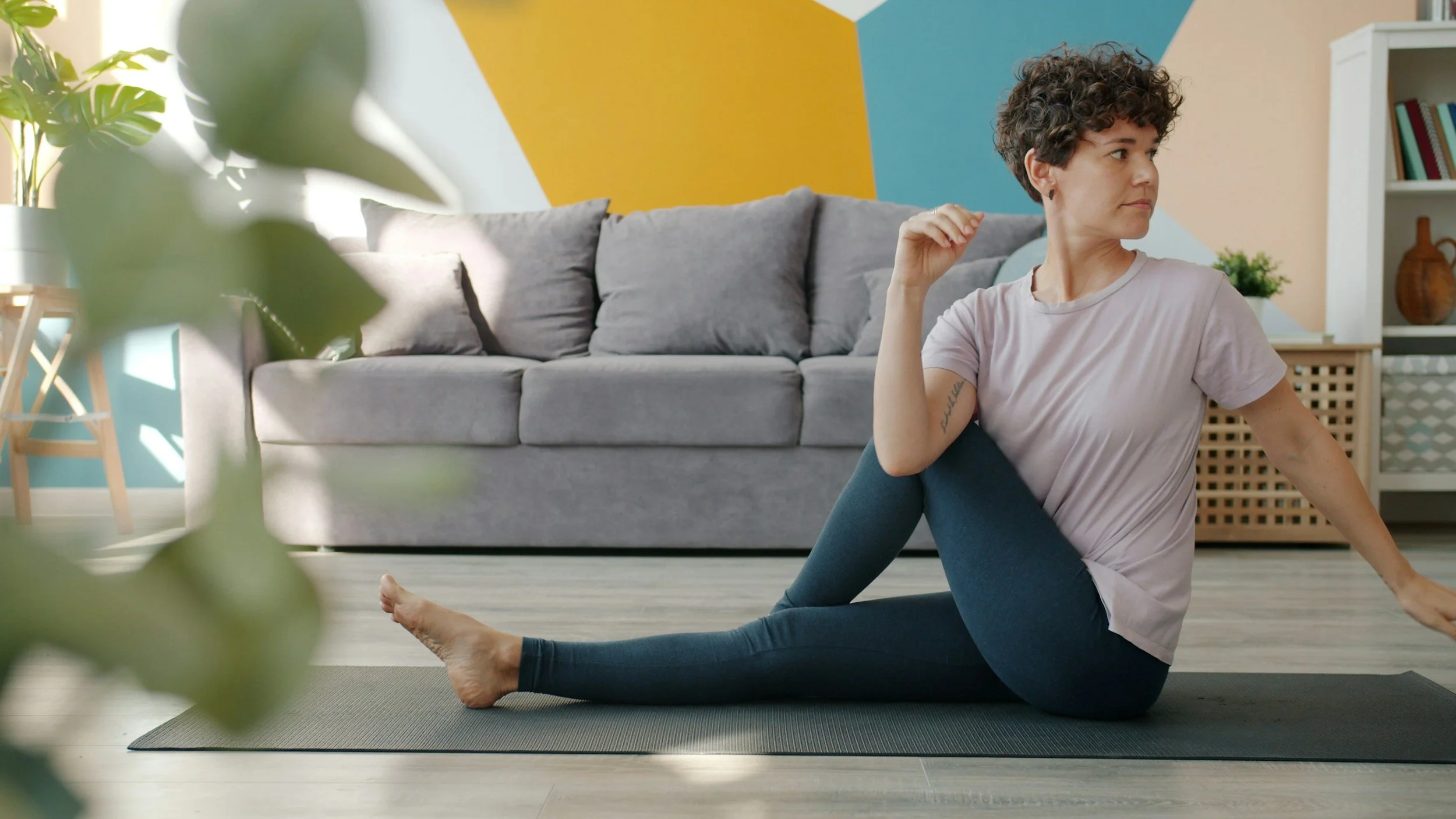
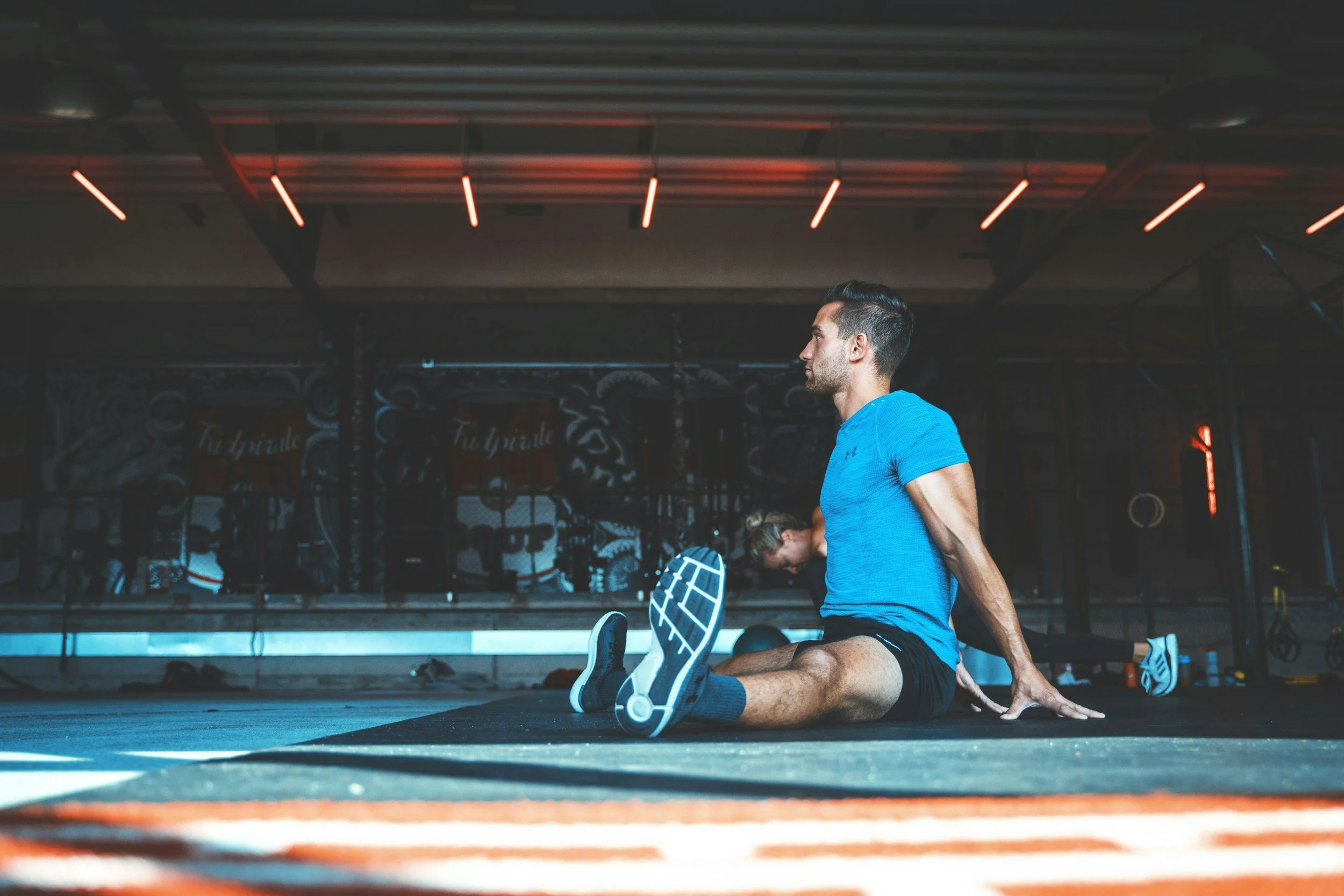
Simple Stretches to Support Tight Hips
These are safe, general stretches for everyday hip tightness. They're not suitable if you have a recent hip injury, diagnosed joint condition, or are currently pregnant — stop immediately if you feel sharp pain, and check with your doctor first if you're unsure.
1. Kneeling Hip Flexor Stretch
From a half-kneeling position (one knee down on a cushion, other foot forward), gently press your hips forward until you feel a stretch at the front of the hip on the kneeling side. Hold 20–30 seconds each side.
2. Seated Figure-Four Stretch
Sitting tall, cross one ankle over the opposite knee, and gently lean forward from the hips until you feel a stretch through the outer hip and glute. Hold 20–30 seconds each side.
3. Standing Hip Circles
Stand on one leg (holding onto something for balance if needed) and slowly circle the opposite knee, 8–10 times each direction, then switch legs. A gentle way to work through the whole hip joint.
4. Butterfly Stretch
Sit with the soles of your feet together, knees falling out to the sides, and gently lean forward from the hips until you feel a stretch through the inner hips and groin. Hold 20–30 seconds.
5. Standing Quad and Hip Flexor Stretch
Standing near a wall or chair for balance, bend one knee and bring your heel toward your glute, holding your ankle or foot gently, keeping your knees close together. Hold 20–30 seconds each side.
For a deeper release — particularly if tight hips are affecting your lower back or how you move day to day — that's where assisted stretching makes the difference, since a therapist can work through the hip flexors, glutes and surrounding muscles together in a way that's hard to fully achieve on your own.
Why Stretching Your Hip Flexors Yourself May Not Be Enough
Regular stretching is beneficial, but many people struggle to effectively release tight hips on their own.
This is because flexibility is not only about muscle length—it is also influenced by your nervous system, movement control and positioning.
When you stretch yourself, you often have to:
Stabilise your own body
Hold the stretch position
Control the intensity
Avoid compensating with other muscles
This can make it difficult to fully relax.
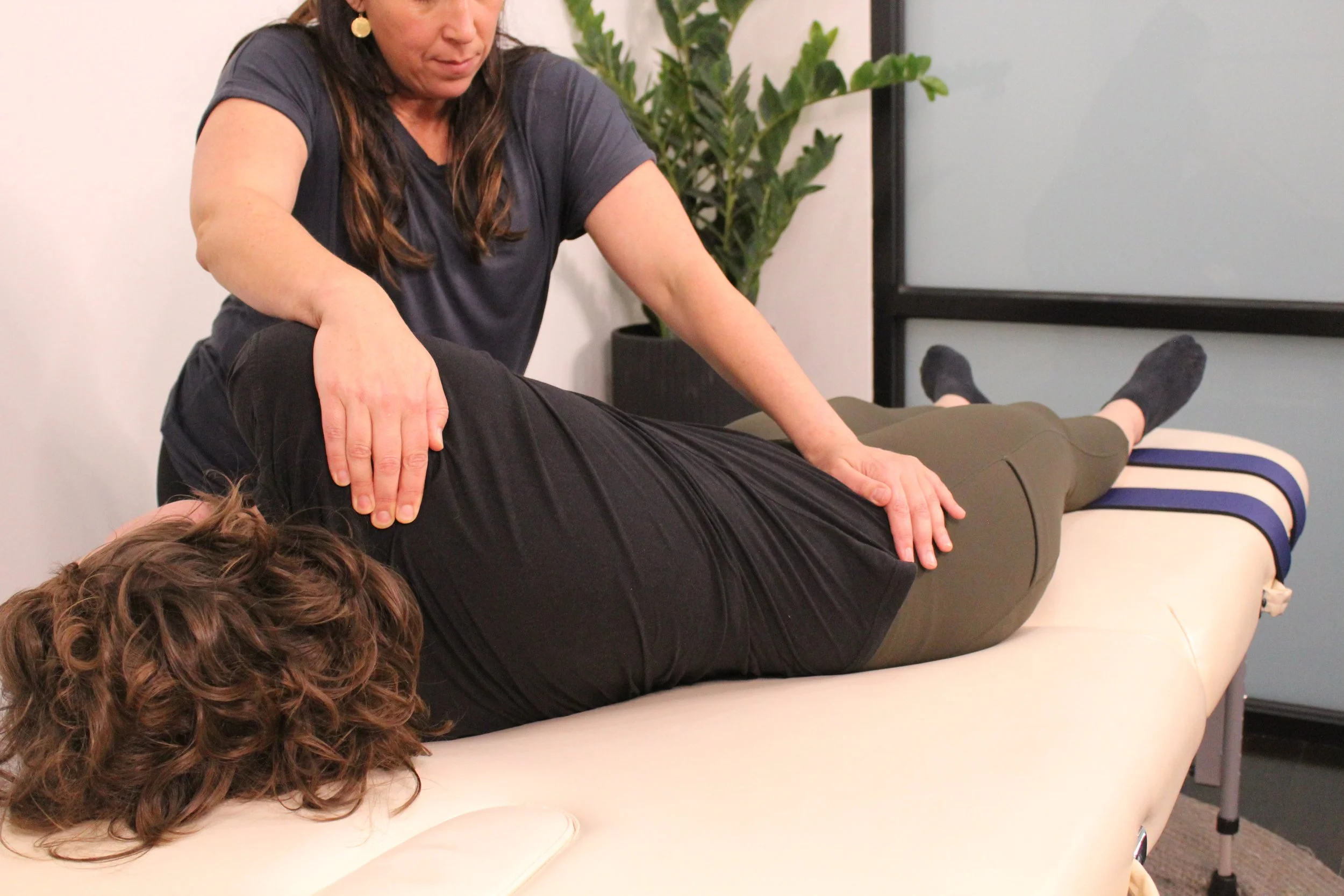
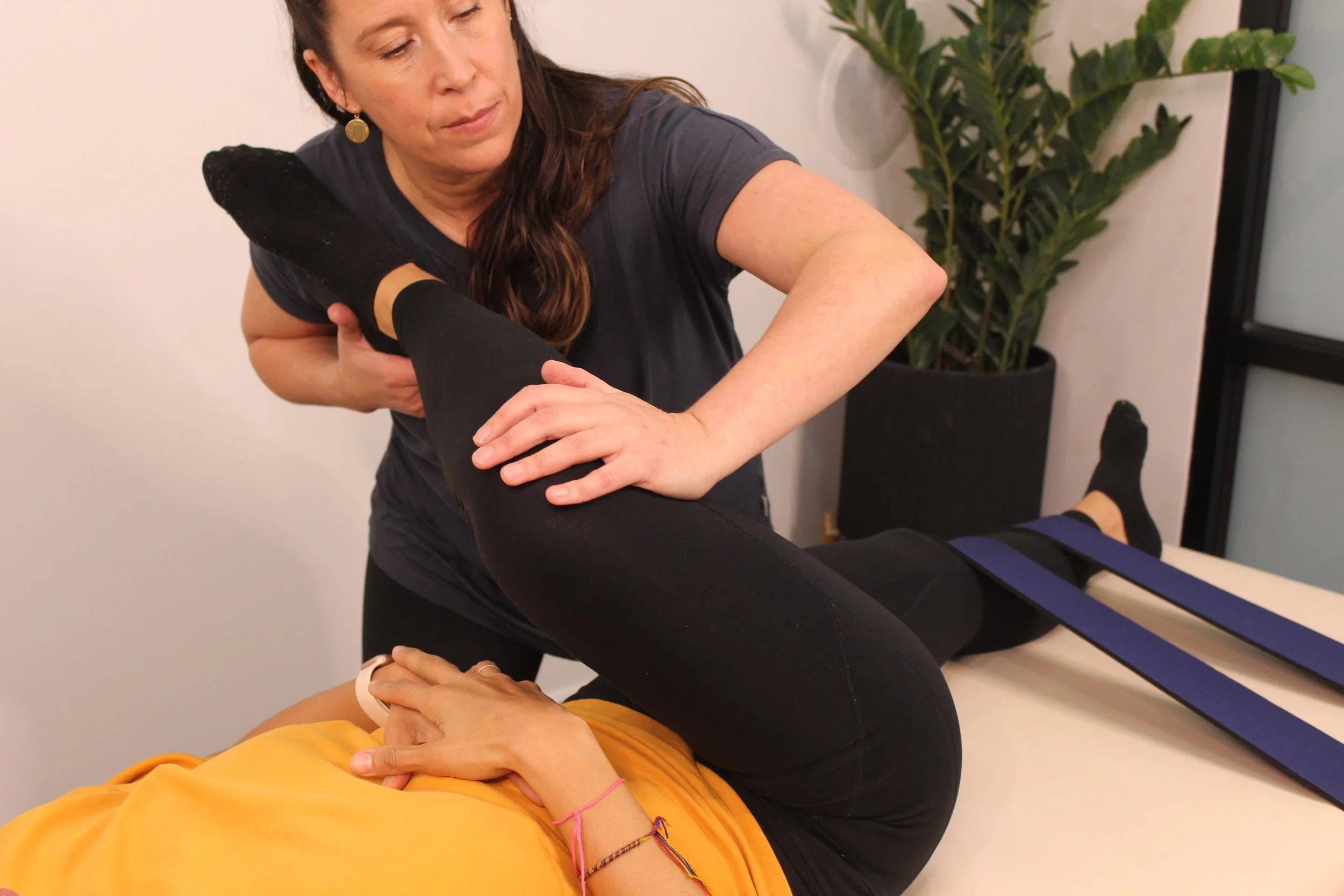
During assisted stretching, your therapist supports your body so you can focus on breathing and relaxing. This allows your nervous system to become more comfortable with the movement, helping you safely explore a greater range of motion.
How Assisted Stretching Helps Tight Hips
Assisted stretching (stretch therapy) combines anatomy knowledge, hands-on techniques and movement principles to target the areas contributing to hip restriction.
Your stretch therapist can help address common tight areas including:
Hip Flexors
The hip flexors are frequently affected by prolonged sitting.
Improving hip flexor mobility can help create more comfortable movement through the hips and pelvis.
Glutes
The glute muscles play an important role in hip stability and movement.
Restricted glutes can contribute to feelings of tightness through the hips and lower body.
Piriformis and Deep Hip Muscles
The deeper muscles around the hip help control rotation and stability.
Targeted stretching can help improve comfort and movement in this area.
Hamstrings and Adductors
The muscles around the back and inside of the legs also influence how freely your hips move.
Improving flexibility throughout the lower body can support better overall mobility.
The Science Behind Assisted Stretching for Tight Hips
Your flexibility is influenced by your nervous system's perception of safety.
Your brain receives information from muscles, tendons and joints to determine how much movement is appropriate.
If your nervous system senses that a position feels unfamiliar or too intense, it may increase muscle tension as a protective response.
A trained stretch therapist uses slow, controlled movements and precise positioning to help your body relax into the stretch.
At StretchWell, we may also incorporate techniques such as Proprioceptive Neuromuscular Facilitation (PNF) stretching where appropriate.
PNF involves combining gentle muscle contractions with assisted stretching to encourage improved flexibility and range of motion.
Rather than forcing your hips further, these techniques help your body become more comfortable with movement.
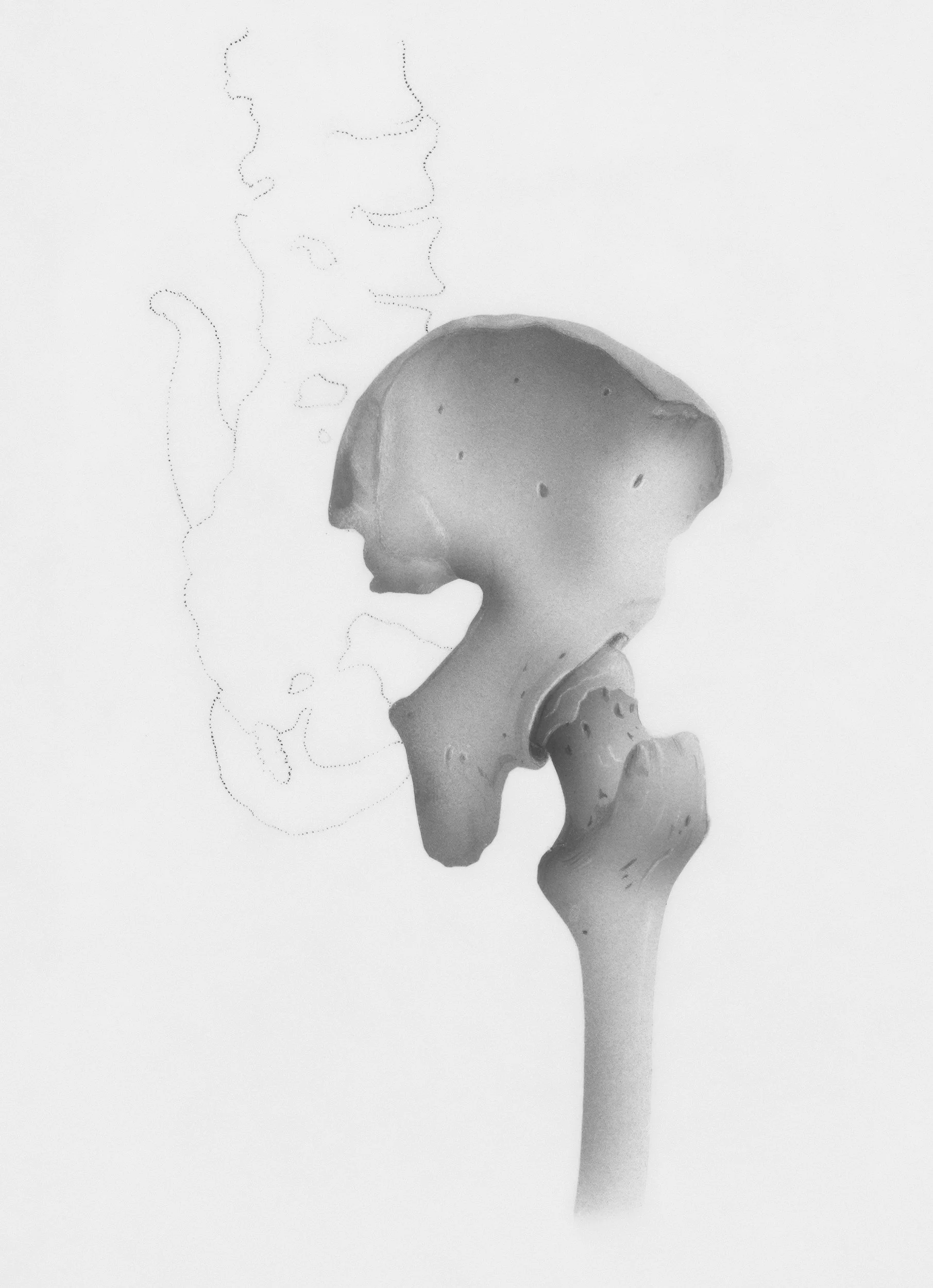
Improve Your Tight Hips & Hip Flexors With Assisted Stretching in Melbourne
Your hips are designed to move freely.
If stiffness or tightness is stopping you from moving comfortably, assisted stretching can help you improve mobility through personalised, hands-on techniques.
Whether you sit at a desk, train regularly, play sport or simply want to feel better in your body, StretchWell can help you work towards better movement.
Book your assisted stretching session today and take the first step towards looser, more mobile hips.
FAQs about Tight Hips
If you’re ready to loosen up your tight hips, book with us today.
-
Improving tight hips usually involves a combination of regular movement, mobility exercises, stretching and strengthening. Assisted stretching can help by providing targeted, therapist-guided stretches that are difficult to achieve alone.
-
Stretching technique, consistency, muscle control and nervous system responses all influence flexibility. Simply holding a stretch may not address the underlying movement restrictions.
-
Yes. Assisted stretching (stretch therapy) can help improve flexibility and range of motion by using controlled movements that encourage your body to move more comfortably.
-
A good stretching session should not be painful. You should feel a gentle stretch sensation while your therapist works within your comfortable range.
-
The ideal frequency depends on your goals, lifestyle and current mobility. Some people benefit from weekly sessions, while others use assisted stretching as part of a regular maintenance routine.
-
Your session begins with understanding your body, lifestyle and goals.
Your therapist will discuss:
Where you feel tightness
Your daily activities
Your exercise routine
Your mobility goals
From there, your therapist creates a personalised stretching session focused on your individual needs.
Sessions may include:
Assisted hip flexor stretches
Passive stretching techniques
PNF stretching
Mobility work
Full-body stretching where needed
Every movement is guided and adjusted based on your comfort and response.
-
Office Workers
If you spend most of your day sitting, assisted stretching can help address common areas of stiffness around the hips, lower back and legs.
Runners
Running requires efficient hip movement.
Maintaining mobility can help runners move comfortably and support their training routine.
Gym-Goers
Squats, lunges and lower-body exercises all require good hip mobility.
Improving flexibility can help you move through exercises with better control.
Cyclists
Cycling places the hips in a repetitive flexed position.
Regular mobility work can help counteract stiffness created by long hours on the bike.
Anyone Feeling Stiff or Restricted
You don't need to be an athlete to benefit from assisted stretching.
Many people simply want to move better, feel less tight and enjoy greater freedom in their everyday movements.
Related Blog Posts