Assisted Stretching for Ankle & Calf Tightness
Ease Tightness Through Your Calves and Ankles
Tight calves and restricted ankle mobility affect far more than just your lower leg — they change how your foot, knee and even your lower back handle everyday movement. If you run, stand for long periods, or simply sit most of the day, this is a common and often overlooked area of tightness.
You may notice:
A tight, restricted feeling through the back of your lower leg
Difficulty getting your heel fully down in a squat or lunge
Stiffness that's worse first thing in the morning or after long periods of sitting
Tightness that seems connected to foot, knee, or lower back discomfort
Reduced push-off power or a shortened stride when running
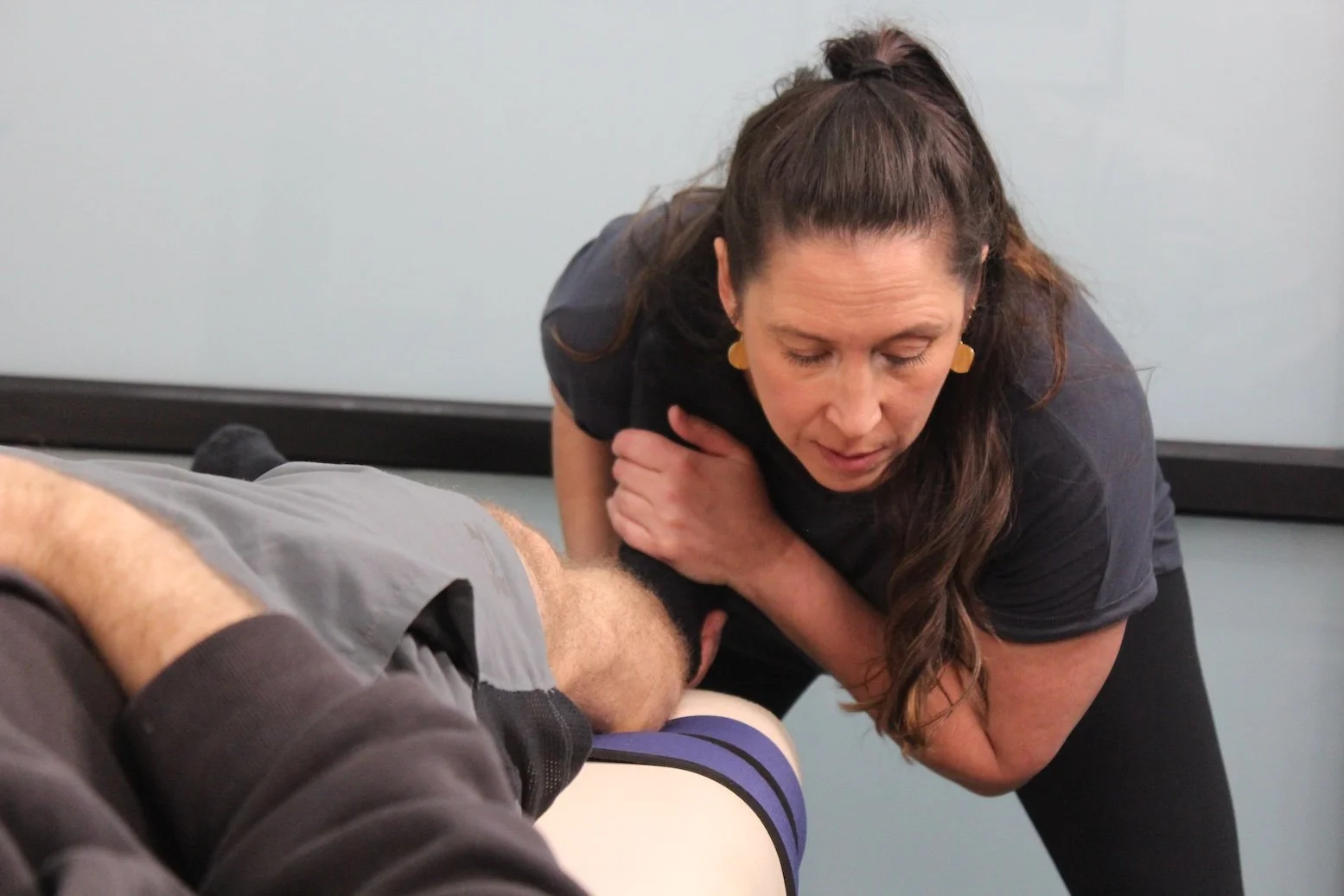
Can assisted stretching help tight calves and ankles? Yes — assisted stretching can help release tightness through the calf muscles and improve ankle mobility, particularly for everyday tightness and training-related stiffness. Since the calf is actually two muscles working together (the gastrocnemius and soleus), each needs a slightly different stretch position to target properly, which is exactly the kind of detail a guided session can address that a quick self-stretch often misses.
Why Do Your Calves and Ankles Feel Tight?
Running and Repetitive Impact
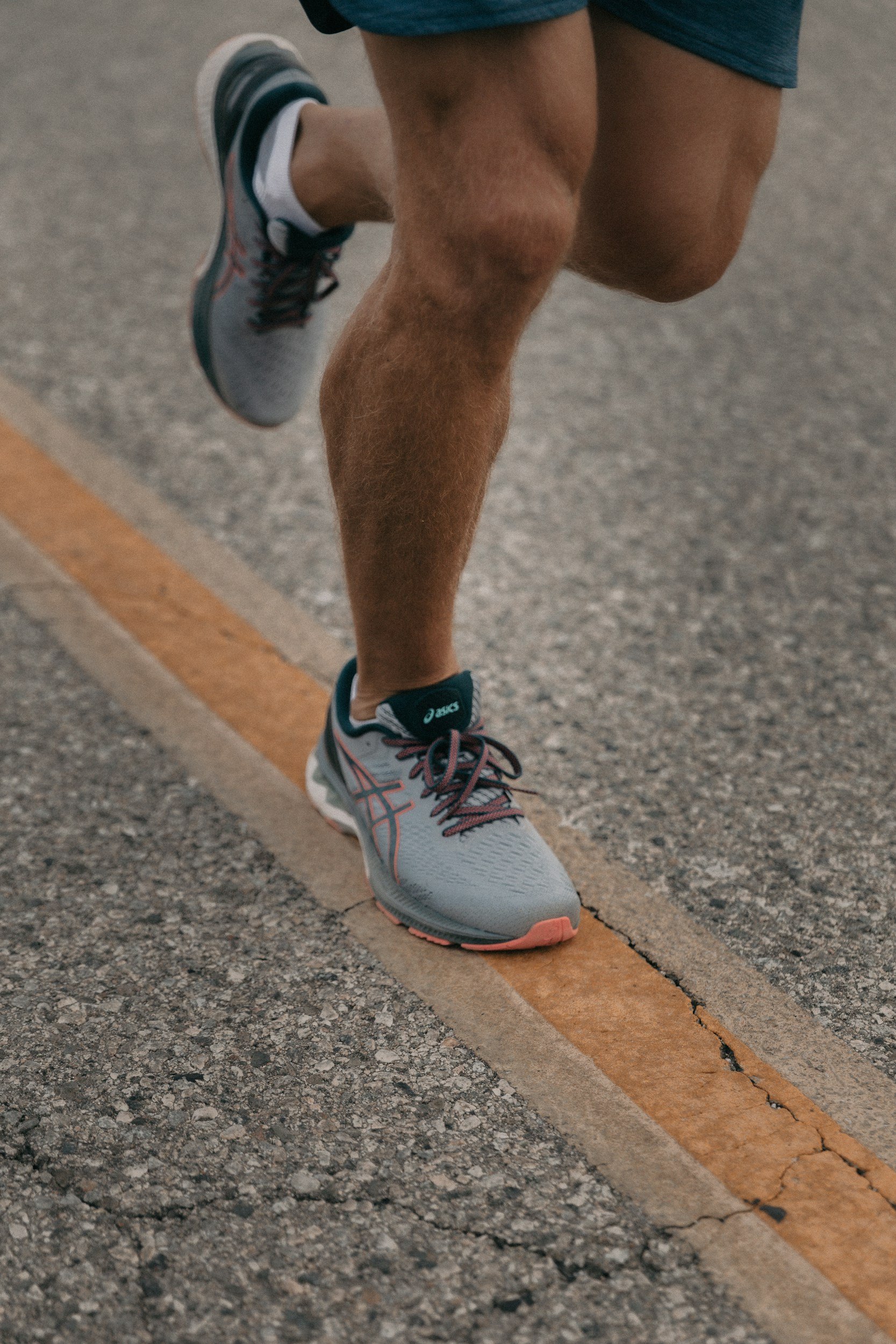
Running places consistent, repetitive load through the calf and Achilles complex, and tightness tends to build up over a training block without adequate stretching and recovery.
Prolonged Sitting
Like the hip flexors, the calves can shorten from long periods of sitting with the feet in a fixed position, particularly if you're at a desk most of the day.
Limited Ankle Mobility From Footwear or Habit
Time spent in heeled shoes, or simply not moving through a full range of ankle motion day to day, can gradually restrict how far your ankle comfortably bends.
Weakness, Not Just Tightness
It's worth knowing that tight-feeling calves aren't always purely a flexibility issue — a weak calf can also feel tight, since the muscle works harder than it should to do its job. If stretching alone isn't resolving the tightness, some calf-strengthening work alongside it often makes a real difference.
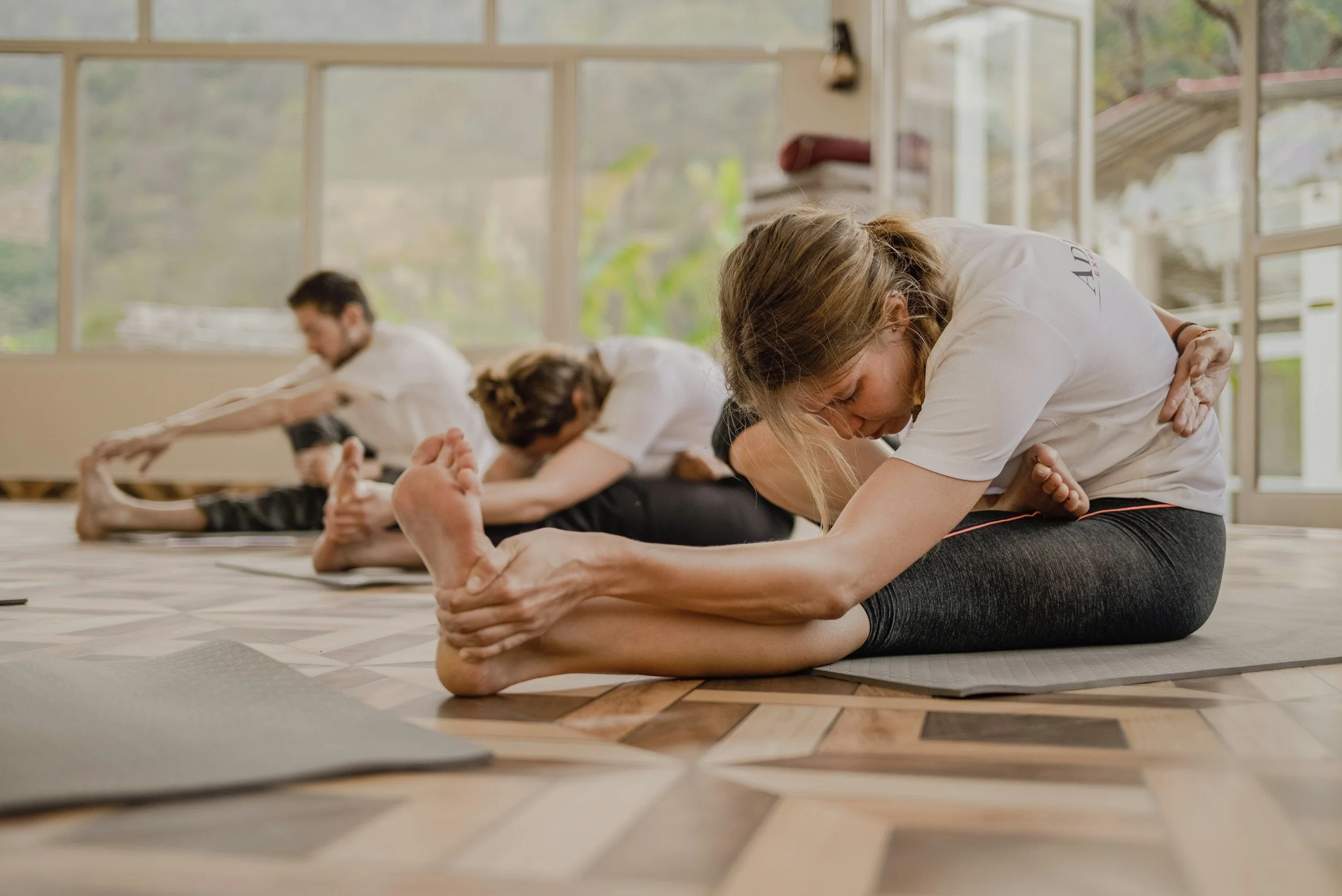
Simple Stretches to Support Ankle and Calf Mobility
These are safe, general stretches for everyday tightness. They're not suitable if you have sudden calf pain, swelling, bruising, or pain that's noticeably worse on one side — stop immediately if you feel sharp pain, and check with a doctor first if you're unsure.
1. Wall Calf Stretch (Gastrocnemius)
Stand facing a wall, step one foot back and press the heel firmly into the floor, keeping the back knee straight. Lean gently into the wall until you feel a stretch through the upper calf. Hold 20–30 seconds each side.
2. Bent-Knee Wall Stretch (Soleus)
From the same position, bend the back knee slightly while keeping the heel down, until you feel the stretch shift lower, closer to the ankle. Hold 20–30 seconds each side.
3. Stair or Step Calf Stretch
Stand on a step with your heels hanging off the edge, holding a rail for balance, and slowly lower your heels below the level of the step. Hold 15–20 seconds, keeping the movement slow and controlled.
4. Seated Ankle Circles
Sitting with one leg extended, slowly rotate your ankle in full circles, 8–10 times each direction, then switch feet. A gentle way to work through the whole ankle joint.
5. Toe-to-Shin Stretch (Dorsiflexion)
Sitting or standing, gently pull your toes up toward your shin using your hand or simply lifting the front of your foot, until you feel a stretch through the front of the ankle and lower shin. Hold 15–20 seconds each side.
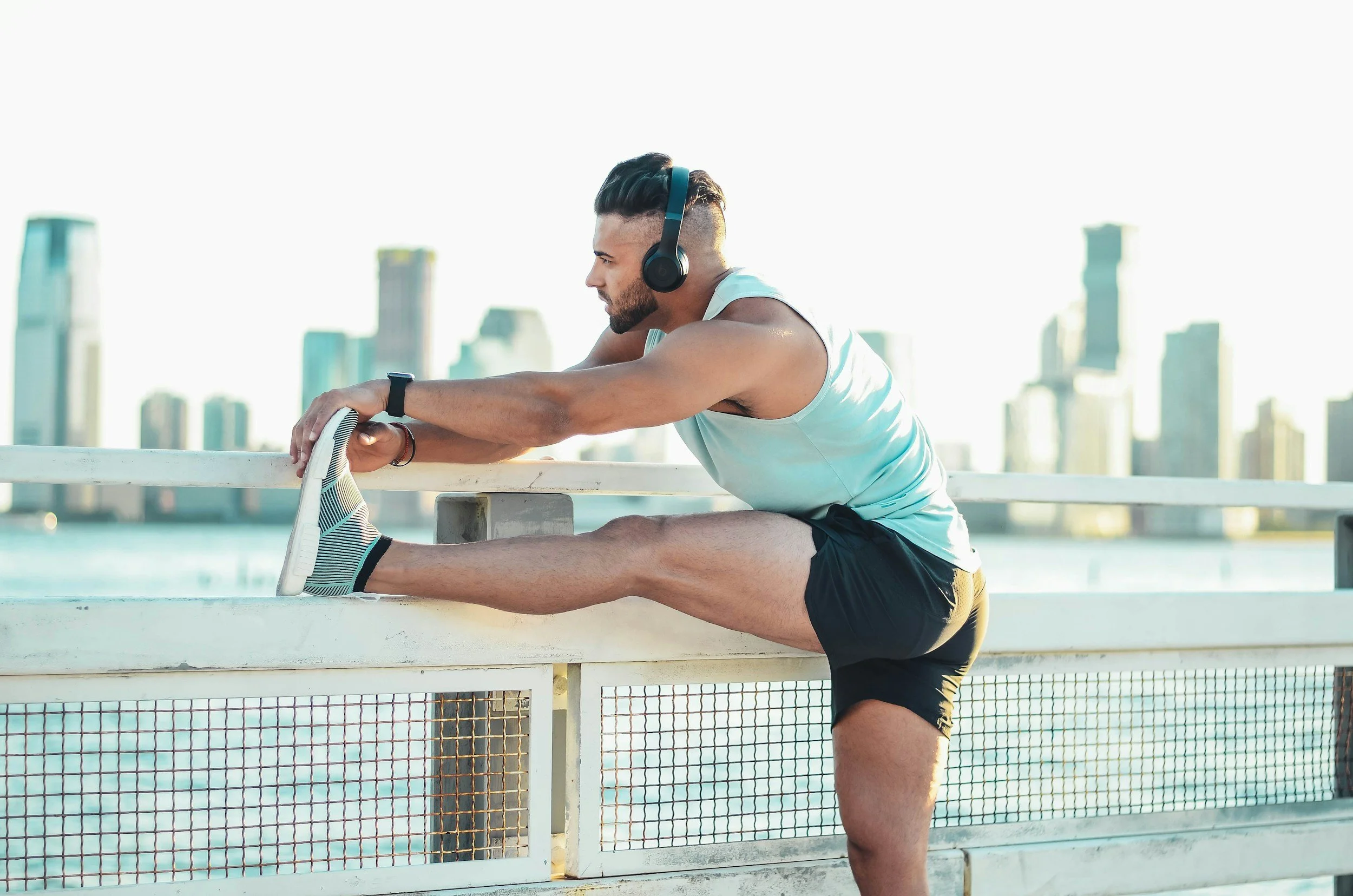
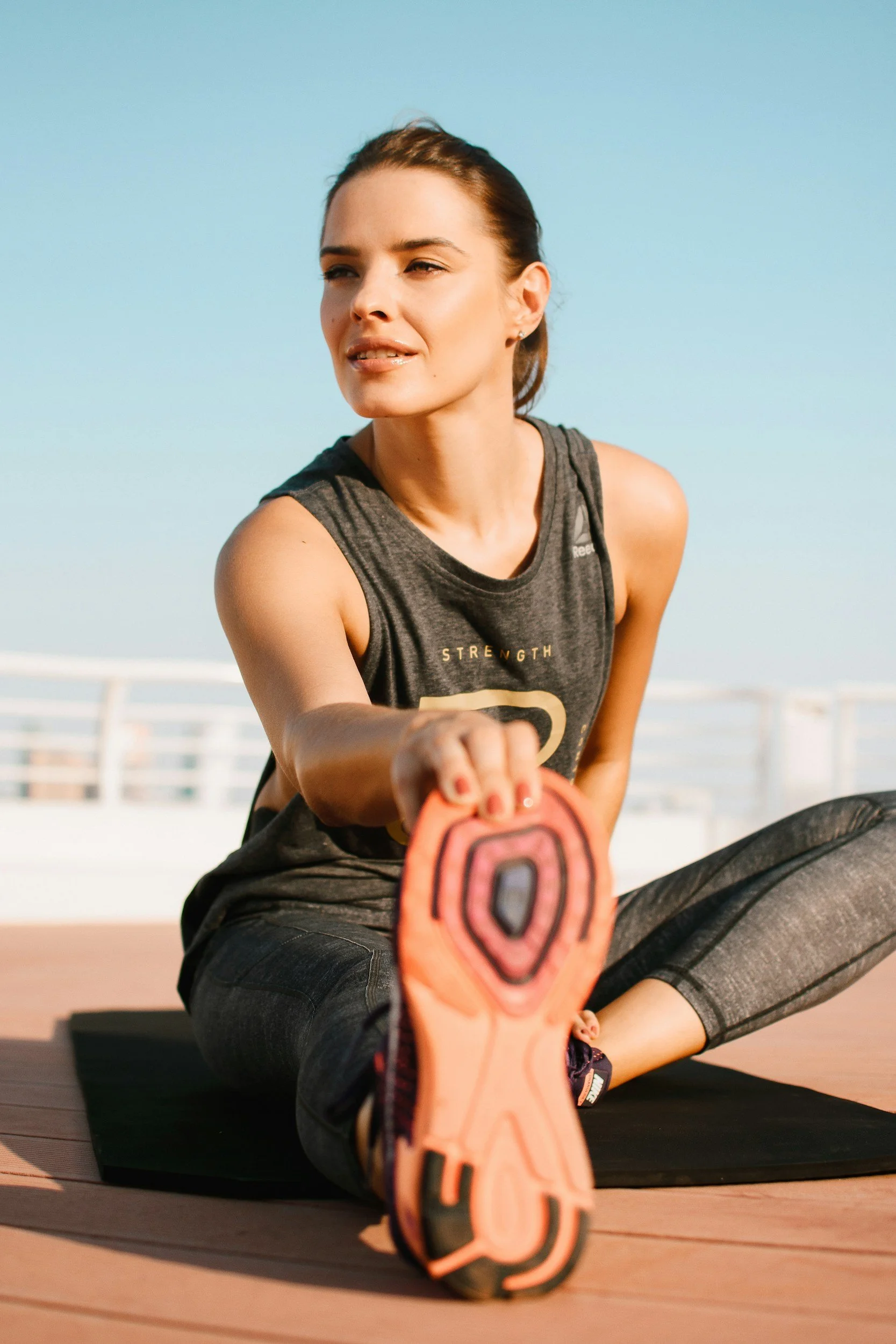
For a deeper release — particularly if you're managing calf tightness from running or a lot of time on your feet — that's where assisted stretching makes the difference, since it can target the two calf muscles individually in a way that's hard to do precisely on your own.
Why Stretching Calves and Ankles Yourself Can Be Tricky
Because the calf is really two muscles — the gastrocnemius (which crosses the knee and ankle) and the soleus (which only crosses the ankle) — properly stretching one without accidentally favouring the other takes more precision than most people realise. It's also easy to compensate through the foot or knee without noticing, undermining the effectiveness of a self-stretch.
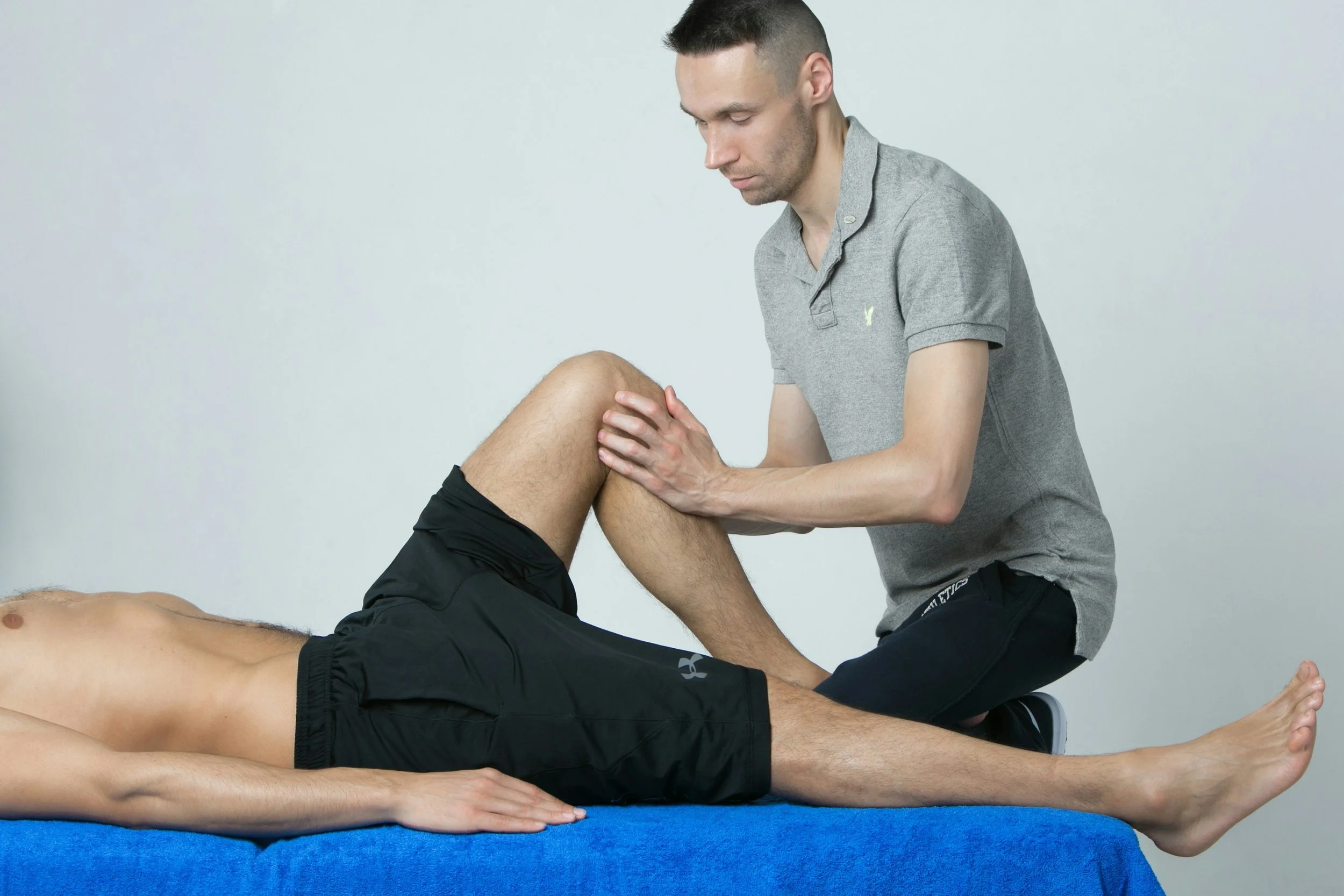
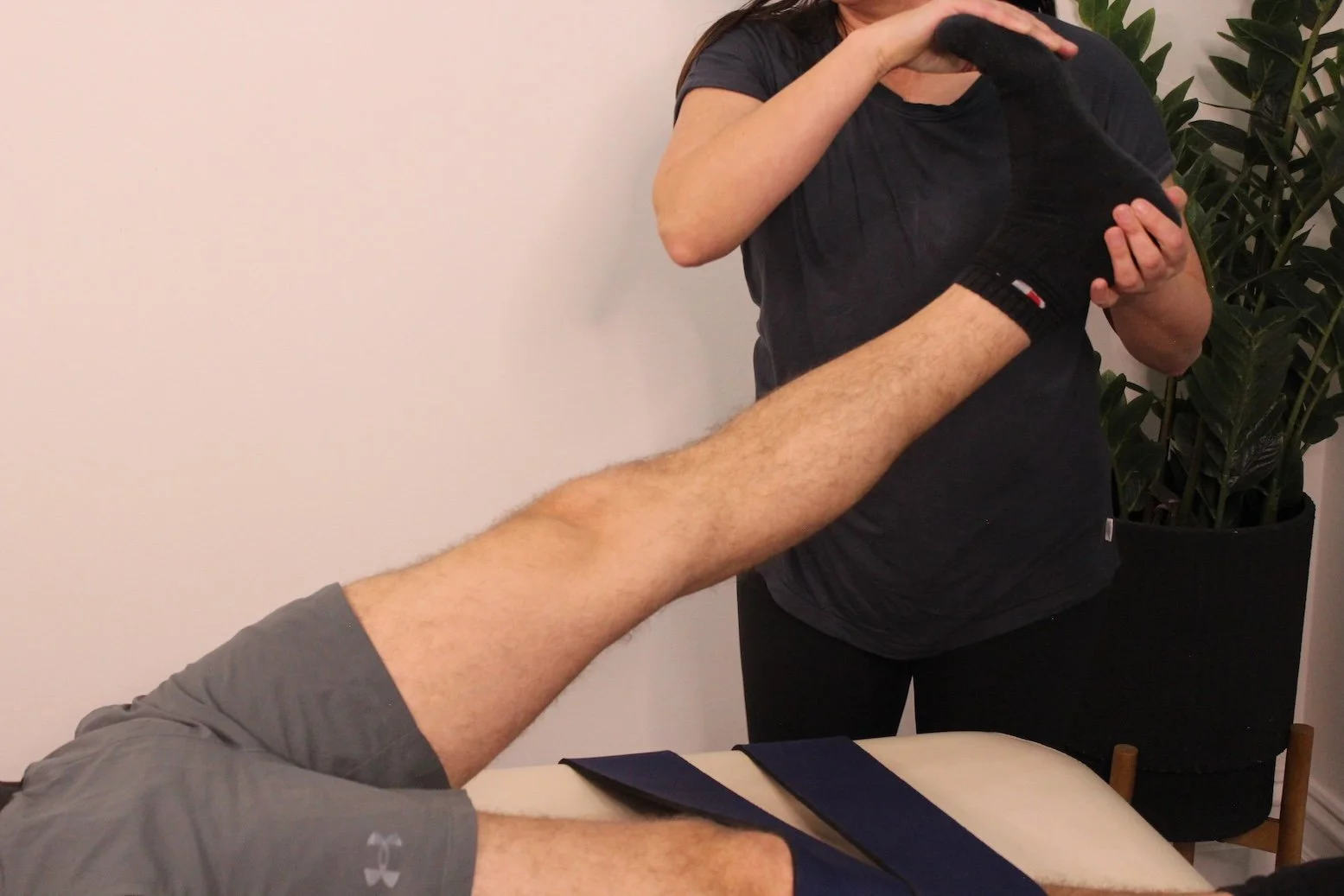
During assisted stretching, your therapist can isolate and target each muscle specifically, guiding your ankle and leg through a controlled range of motion you can't easily replicate holding your own stretch.
How Assisted Stretching Helps Ankle and Calf Tightness
Gastrocnemius (Upper Calf)
Targeted stretching with the knee kept straight helps release this larger, more superficial muscle.
Soleus (Lower Calf)
A different position, with the knee bent, is needed to properly reach this deeper muscle — something a guided session accounts for automatically.
Ankle Mobility
Working through the surrounding tissue supports better dorsiflexion (how far your ankle bends toward your shin), which matters for everything from walking to running to simply squatting comfortably.
Connected Areas
Since tight calves are part of a kinetic chain connecting the foot, ankle, knee and hip, a session may also address nearby areas contributing to the overall pattern.
A Note on Calf Pain and Safety
Everyday tightness is common and generally safe to stretch. However, sudden calf pain, swelling, bruising, or pain that's significantly worse on one side should be checked by a doctor before stretching, since this can occasionally indicate a muscle tear or a more serious circulatory issue rather than routine tightness. If in doubt, it's always worth a proper check before booking a session.
Ease Ankle and Calf Tightness With Assisted Stretching
Whether you're managing tightness from running, training, or simply too many hours on your feet or at a desk, StretchWell can help you build better mobility through your calves and ankles.
Book your assisted stretching session today and start moving more freely.
FAQs about Ankle & Calf Tightness
If you’re ready to improve your ankle/calf tightness, book with us today.
-
Yes, in most cases of everyday tightness. Assisted stretching can target both calf muscles specifically and improve ankle mobility, particularly with regular sessions over time.
-
Common causes include running and repetitive impact, prolonged sitting, limited ankle mobility from footwear or habit, and sometimes underlying calf weakness rather than tightness alone.
-
The calf is made up of two muscles — the gastrocnemius and soleus — which require a straight-knee and bent-knee position respectively to stretch effectively. Targeting only one can leave the other still tight.
-
Not always. Sudden pain, swelling, bruising, or pain worse on one side should be checked by a doctor, since this can occasionally indicate a more serious issue rather than routine tightness.
-
A stretch therapist can isolate and target each calf muscle specifically, guiding your ankle through a controlled range of motion that's difficult to replicate holding your own stretch, especially while managing your balance.
-
Yes — limited ankle mobility from tight calves can reduce push-off power and alter stride mechanics, which is part of why many runners prioritise calf and ankle mobility as part of training.
Related Blog Posts