What Makes an Assisted Stretching Session Truly Personalised?
'Personalised' gets used a lot in wellness marketing, often without much behind it. So it's worth being specific about what actually makes an assisted stretching session personalised, rather than just saying the word and moving on.
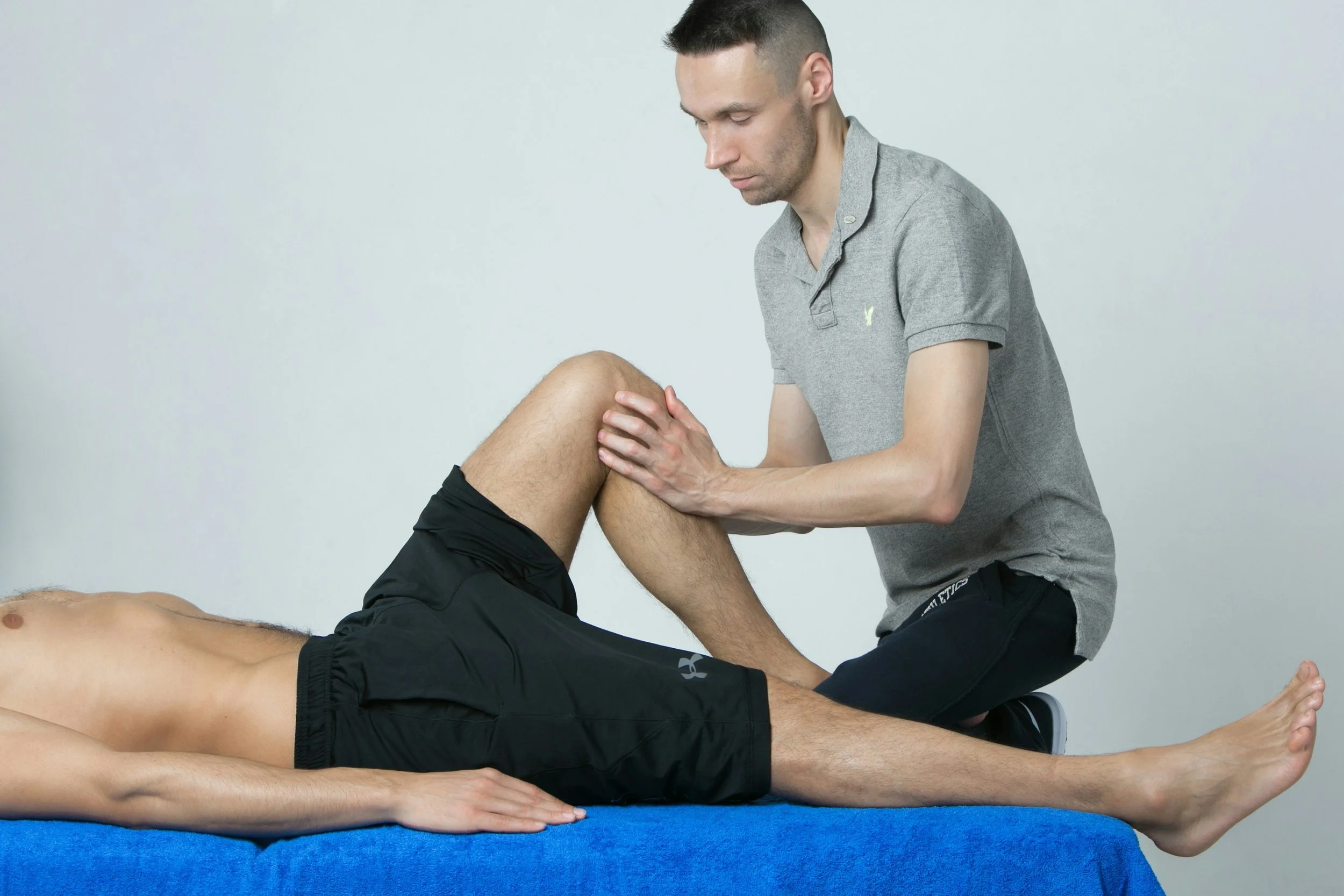
A personalised session is built around your specific tightness, daily activities and goals, rather than following a fixed routine every client receives. That means the targeted areas, depth and pacing of each stretch, and even the techniques used, can all differ from one person's session to the next, based on a proper conversation before the hands-on work begins.
It Starts With a Real Conversation
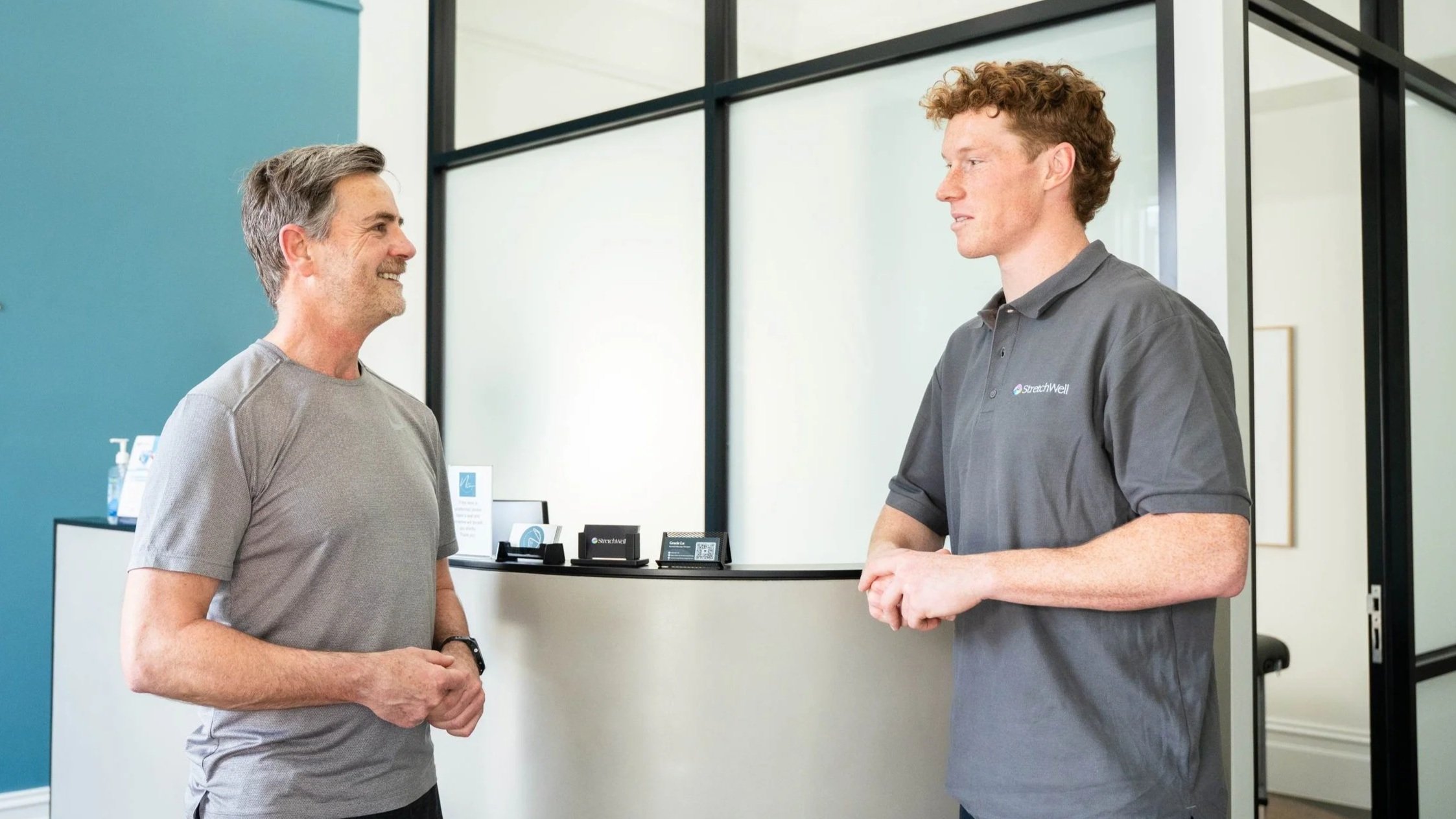
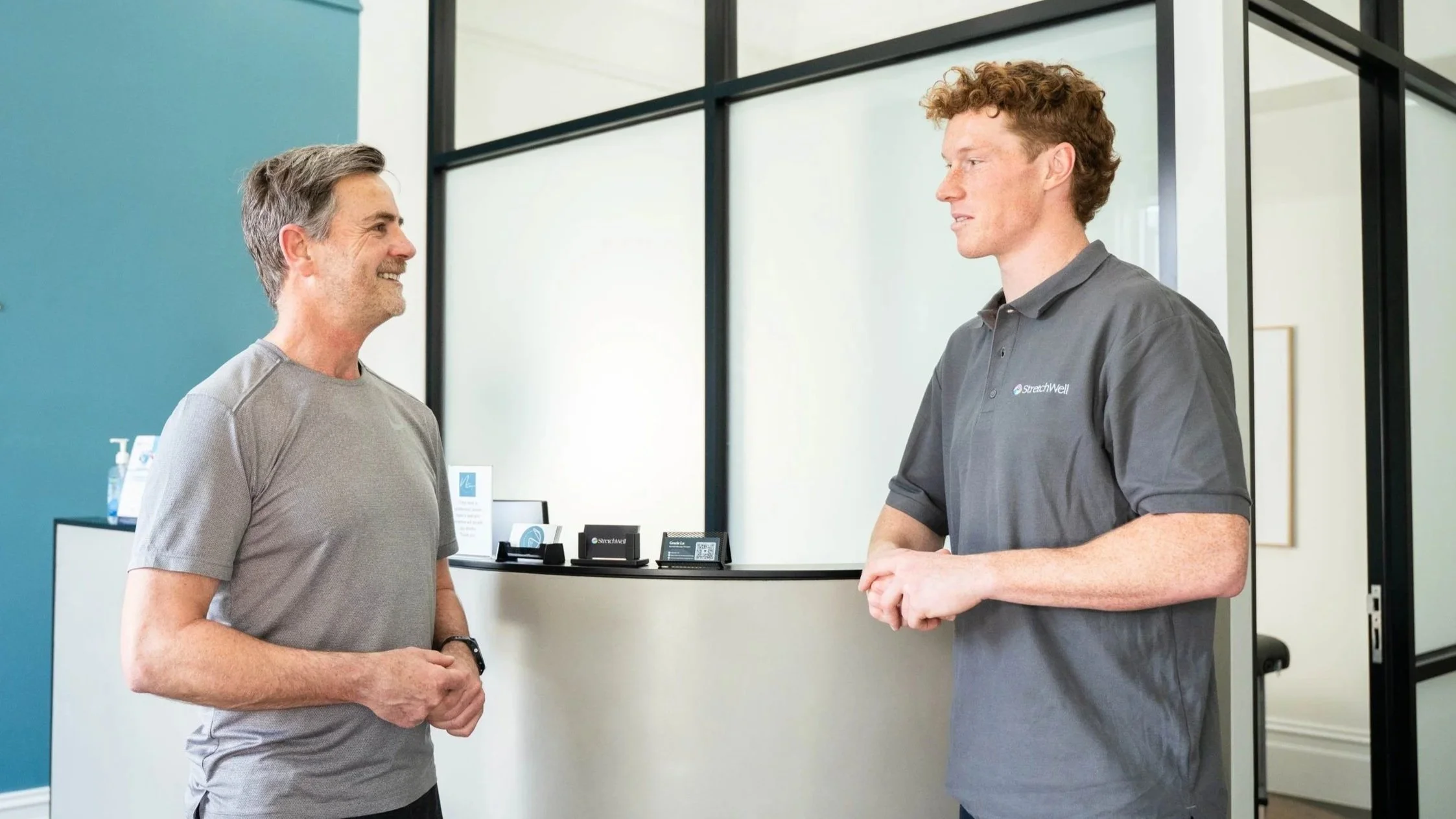
Before any stretching happens, a proper session starts with your therapist asking about your body: where you're feeling tight, what you're training for or dealing with day to day, and what you're hoping to get out of the session. A desk worker managing tight hips and shoulders from eight hours of sitting, for example, needs a different session to a runner managing hamstring and calf tightness from a heavy training week, even if both book the same length session.
Tailored to Your Activity and Lifestyle
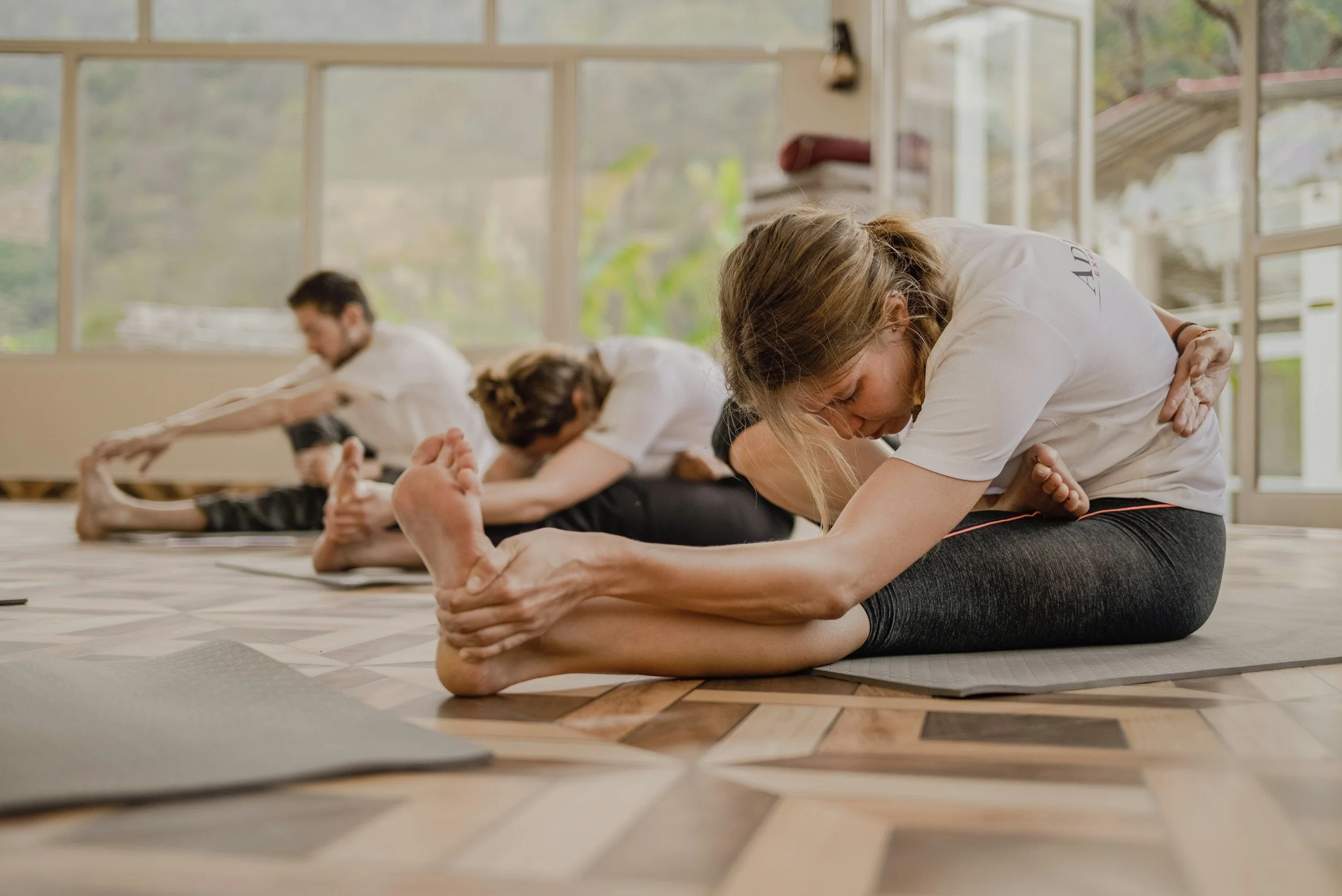
What you actually do with your body during the week matters. Someone training for a half marathon needs different areas prioritised compared to someone recovering from a desk-bound week or someone managing sciatic tightness. They will need different approaches against someone with general full-body stiffness. A personalised session reflects this, rather than working through the same generic sequence regardless of who's on the table.
Adjusted in Real Time
Personalisation doesn't stop once a session starts. A good therapist checks in throughout, adjusting depth, pacing and focus based on how your body is actually responding that day. Not every session with the same person looks identical, because your body isn't in the same state every time you come in. Tighter than usual after a heavy training week? A session can lean into that. Feeling more open than expected? Time can go toward a different area instead.
Different Techniques for Different Needs
Many assisted stretching sessions use Proprioceptive Neuromuscular Facilitation (PNF), a technique combining brief muscle contractions with assisted stretching to support deeper range of motion. But not every stretch calls for it because some areas and goals respond better to slower, more passive stretching. Part of true personalisation is knowing when to use which approach, rather than applying the same technique everywhere by default.
What Personalisation Isn't
Personalisation doesn't mean an entirely improvised session with no structure, and it doesn't mean promising results that depend on factors outside a single session's control, like a medical condition needing separate treatment. A properly personalised session is tailored within a sound, safe framework, not a free-for-all.
Why This Actually Matters for Results
A session built around your specific tightness and goals tends to produce more noticeable results than a generic, one-size-fits-all routine, simply because time and attention go toward what's actually limiting you, rather than being spread evenly across areas that may not need much work at all.
What This Looks Like at StretchWell
Every session at StretchWell starts with an initial conversation, whether it's your first visit or your fiftieth. Your stretch therapist tailors the session to your body that day — not a script — targeting whichever areas are giving you the most trouble, using techniques that suit your goals, and adjusting as the session goes.
Book your assisted stretching session at StretchWell in Northcote and experience what an actually tailored session feels like.
Related Posts