Assisted Stretching & Stretches for Shoulder Mobility & Pain Relief
Tight Shoulders? Reduce Shoulder Tension & Improve Mobility With Assisted Stretching in Melbourne
Tight shoulders are one of the most common mobility issues people experience.
Whether it comes from sitting at a desk all day, spending hours looking at screens, training at the gym, carrying stress, or repetitive daily movements, shoulder tension can make your body feel restricted and uncomfortable.
You may notice:
Tightness across your shoulders and upper back
Difficulty moving your arms overhead
Stiffness through your neck and shoulders
Reduced shoulder mobility during exercise
Tension after long periods sitting or working
Feeling like your shoulders are constantly "tight"
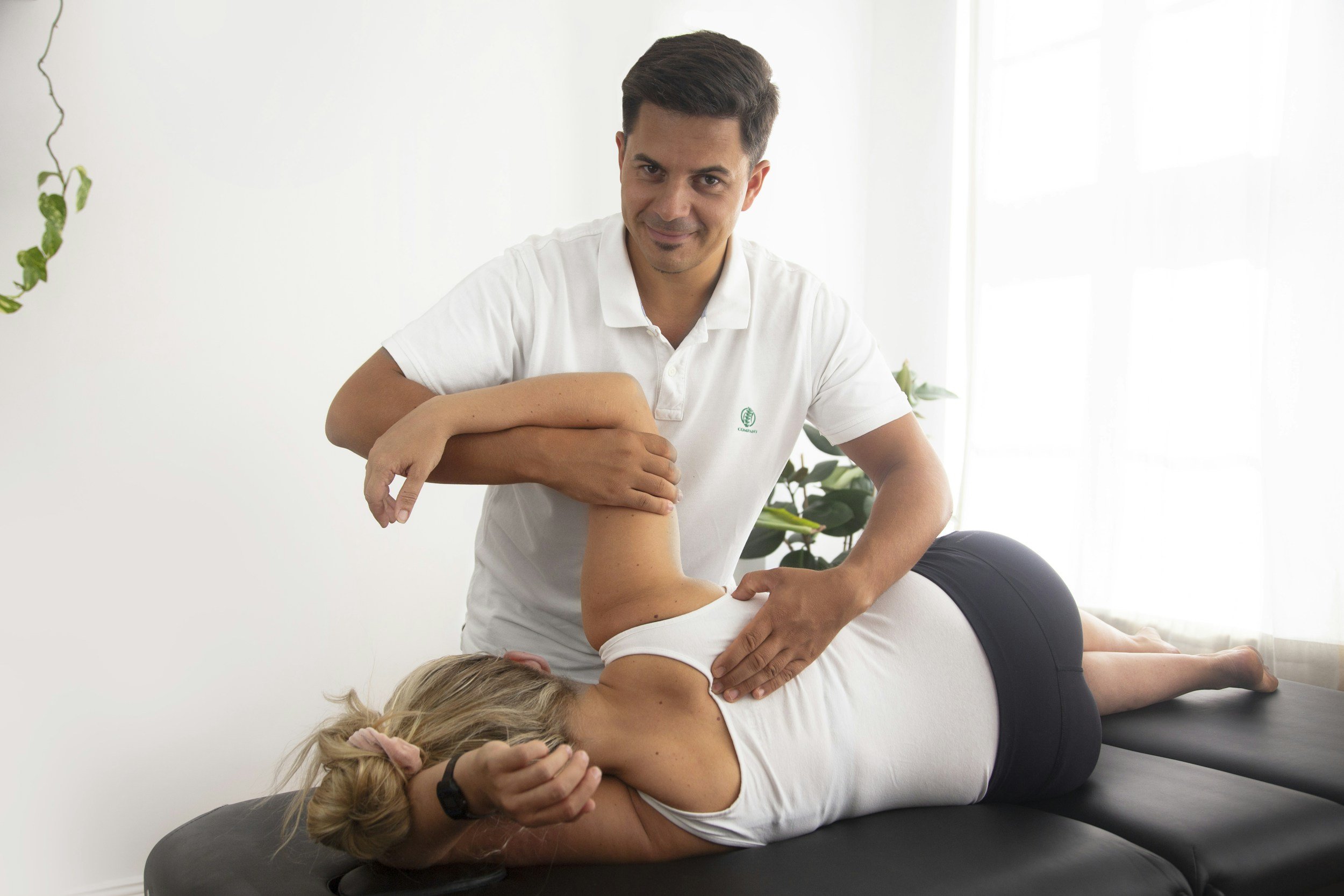
At StretchWell, our assisted stretching sessions in Melbourne are designed to help improve shoulder flexibility, mobility and movement quality through personalised, therapist-guided stretching.
By combining hands-on stretching techniques, anatomy knowledge and an understanding of how your nervous system responds to movement, assisted stretching or stretch therapy helps your body access greater freedom of movement in a safe and controlled way.

Why Do Your Shoulders Feel Tight?
Your shoulders are among the most mobile areas of the body.
This incredible range of movement allows you to reach, lift, rotate and perform countless daily activities. However, this mobility also means the shoulder complex relies on many muscles working together effectively.
When certain muscles become restricted or overworked, you may experience feelings of tightness, stiffness or reduced movement.
Common causes of tight shoulders include:
Sitting for Long Periods
Modern lifestyles often involve hours sitting at computers, driving or using phones.
When your body stays in a forward position for extended periods, muscles around the chest, shoulders and upper back can become accustomed to that posture.
Common areas affected include:
Chest muscles (pectorals)
Front of the shoulders
Upper trapezius muscles
Neck muscles
Upper back
Regular movement and mobility work can help counteract the effects of prolonged sitting.
Desk Work and Screen Time
Many office workers experience tight shoulders because their daily environment encourages limited movement.
Long periods at a computer can contribute to:
Rounded shoulder positioning
Reduced upper back mobility
Neck and shoulder tension
Difficulty maintaining comfortable posture
Assisted stretching can help restore movement through areas that become restricted from repetitive desk-based activities.
Exercise and Training
Exercise is important for maintaining strength and health, but certain activities can create areas of stiffness.
People who regularly perform:
Weight training
Swimming
Cycling
Boxing
Racquet sports
may notice shoulder tightness due to repeated movement patterns.
Maintaining shoulder mobility helps support balanced movement and allows the body to move efficiently.
Stress and Muscle Tension
Your nervous system plays an important role in how your body responds to stress and movement.
When you are stressed, tired or under pressure, your muscles may naturally become more guarded.
Many people unconsciously carry tension through their:
Shoulders
Neck
Upper back
Assisted stretching provides time to relax, breathe and allow your body to release unnecessary tension.
Simple Shoulder Stretches You Can Try at Home For Instant Relief
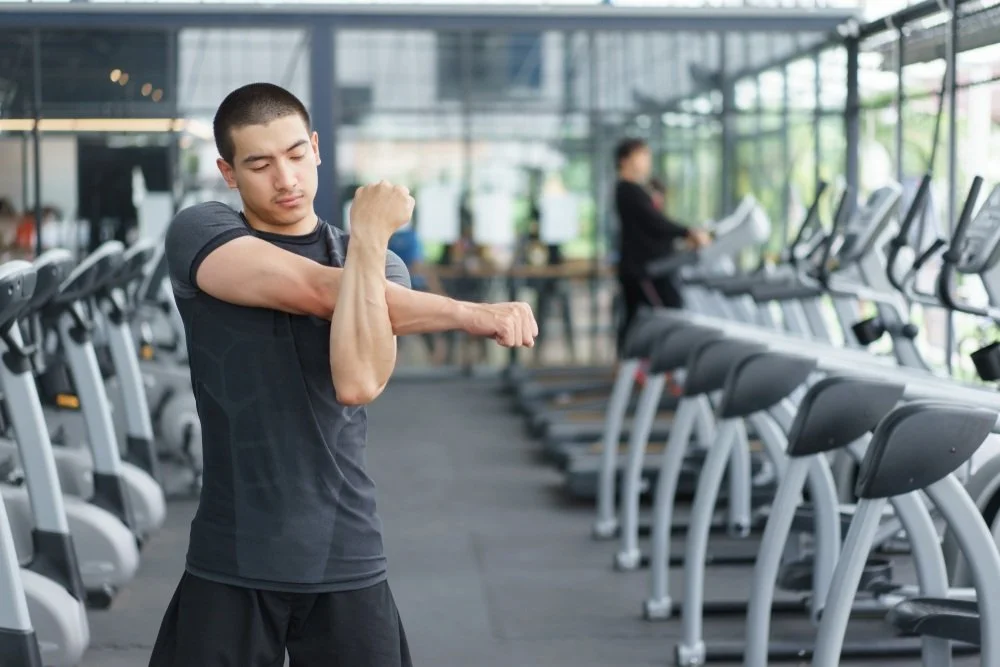
1. Cross-Body Shoulder Stretch Bring one arm straight across your chest, and use your other arm to gently pull it closer, at chest or shoulder height. Hold for 20–30 seconds each side. Great for the back of the shoulder.
2. Doorway Chest Stretch Stand in a doorway with your forearm against the frame, elbow at about shoulder height, and gently lean forward until you feel a stretch across the front of your shoulder and chest. Hold for 20–30 seconds each side. This one's especially useful if rounded shoulders are part of your picture.
3. Shoulder Rolls Slowly roll your shoulders up, back, and down in a circular motion, 8–10 times, then reverse direction. A simple way to release tension and improve circulation through the shoulder girdle.
4. Thread the Needle On all fours (or seated, resting your torso forward), slide one arm underneath your body, palm up, until your shoulder and the side of your head rest gently on the ground or a surface. Hold for 20–30 seconds each side — this one gently stretches through the upper back and shoulder blade area too.
Why Stretching Your Shoulders Yourself May Not Be Enough
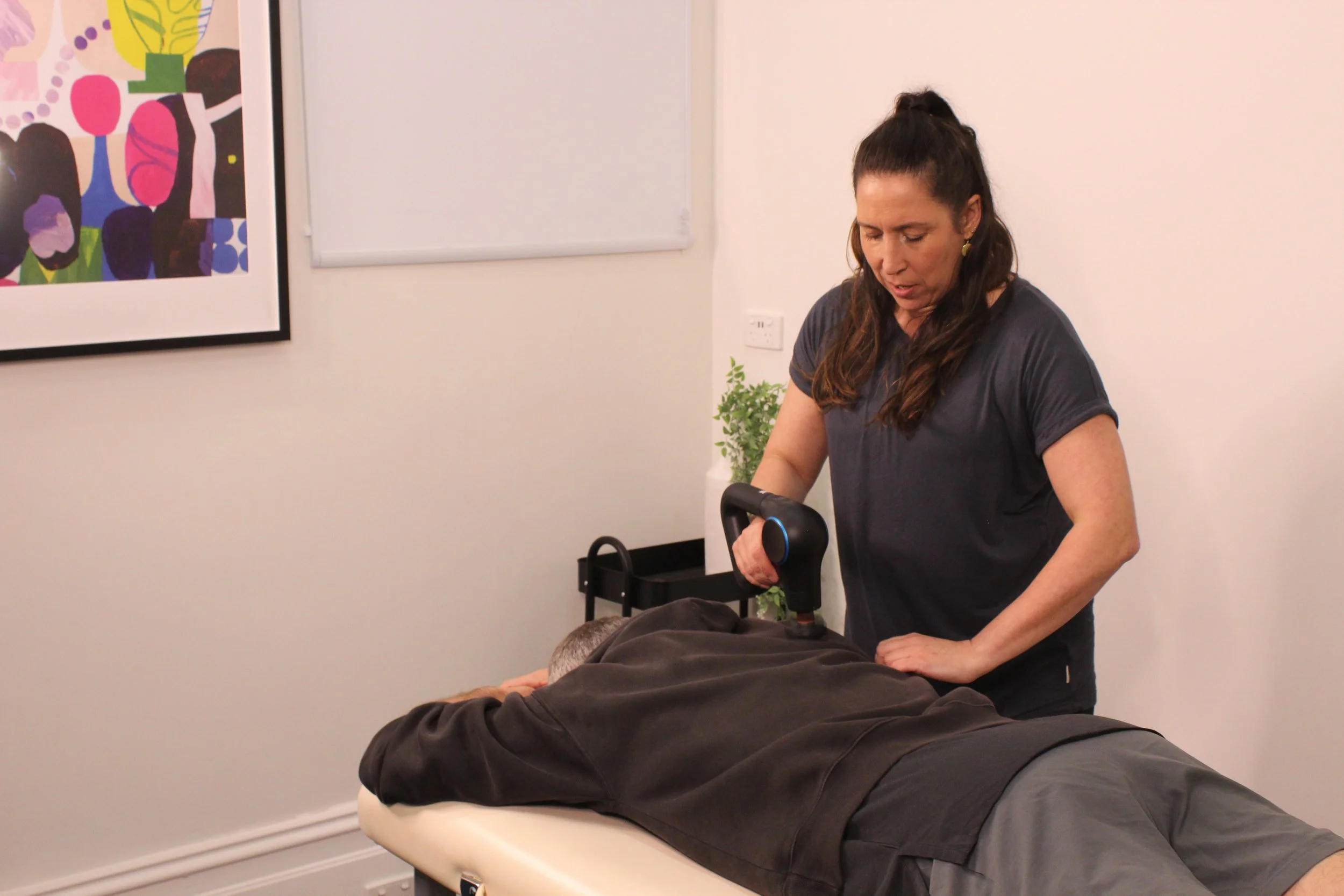
Stretching your shoulders at home can be beneficial, but many people struggle to create lasting improvements because the shoulder is a complex area involving multiple joints and muscles.
When stretching yourself, you often have to:
Hold your own body position
Stabilise your joints
Control the intensity
Know exactly which muscles need attention
This can make it difficult to fully relax.
Your nervous system also influences your flexibility.
Your brain constantly receives information from muscles, tendons and joints to determine whether a movement feels safe. If a stretch feels unfamiliar or intense, your body may create protective tension that limits your range of motion.
During assisted stretching, your therapist supports your body so you can relax more fully.
By using controlled movements, correct positioning and gradual progression, your body can become more comfortable exploring greater ranges of motion.

How Assisted Stretching Helps Tight Shoulders
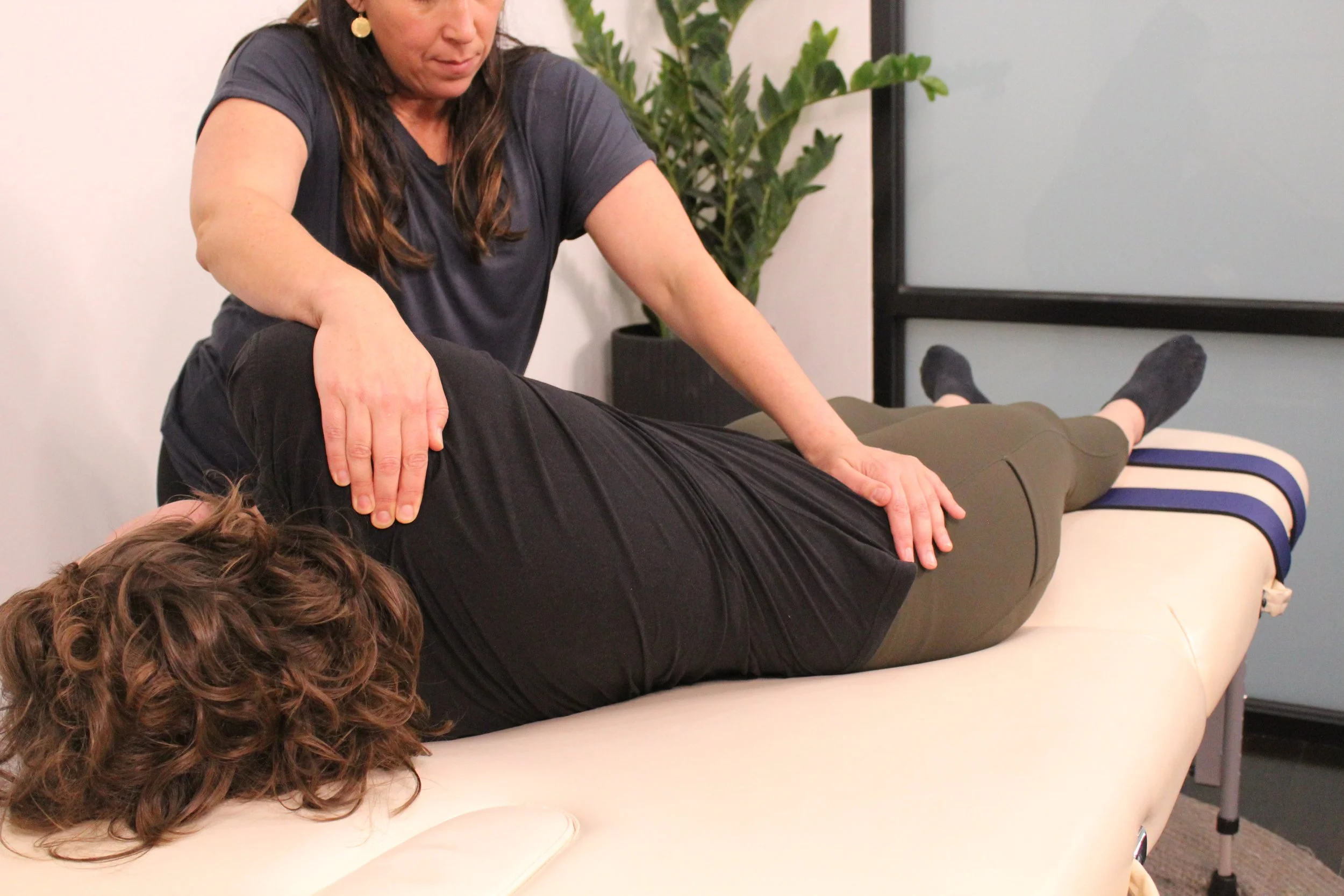
Assisted stretching uses a combination of hands-on techniques and movement principles to target areas that contribute to shoulder restriction.
Your stretch therapist can help address common areas including:
Chest and Pectoral Muscles
Tight chest muscles are common in people who spend a lot of time sitting or working at a computer.
When these muscles become restricted, they can influence shoulder positioning and upper-body movement.
Targeted stretching can help improve comfort and mobility through the front of the shoulder.
Upper Trapezius and Neck Muscles
The muscles around the neck and upper shoulders often work harder during periods of stress, prolonged sitting or repetitive activity.
Gentle assisted stretching can help these areas relax while encouraging improved movement.
Upper Back and Shoulder Blade Movement
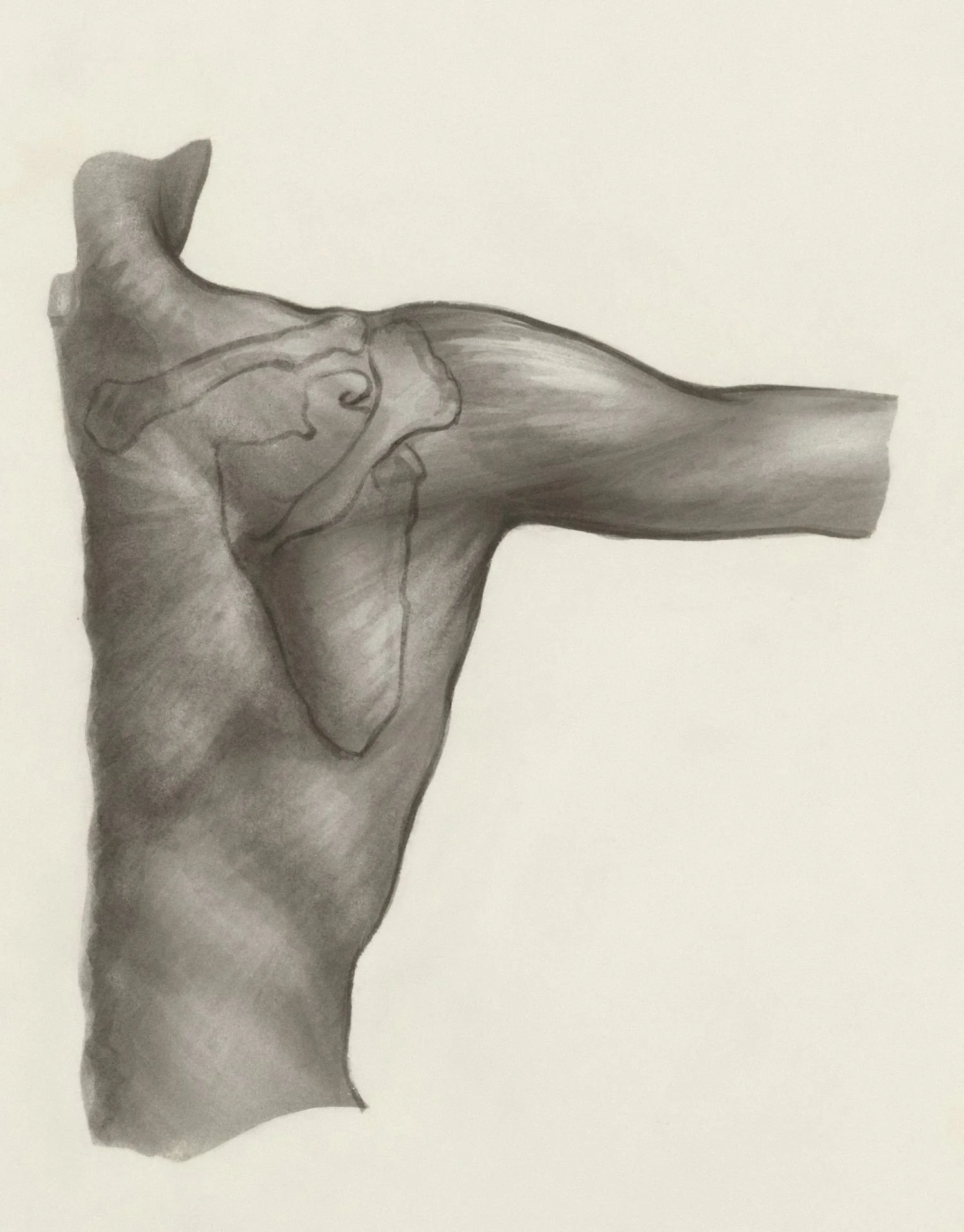
Healthy shoulder movement relies on cooperation between the shoulder joint, shoulder blade and upper back.
Improving mobility throughout this area can support better movement patterns and range of motion.
Lat Muscles
The latissimus dorsi muscles connect the back, shoulders and arms.
Restricted lats can affect overhead movement and shoulder mobility.
Stretching these larger muscles can help support more comfortable upper-body movement.
The Science Behind Assisted Stretching for Tight Shoulders
Flexibility is not only about muscle length.
Your nervous system plays a major role in deciding how much movement your body allows.
Your brain constantly assesses information from your muscles, tendons and joints. If it senses that a movement is unfamiliar or approaching a limit, it may increase muscle tension as a protective response.
This is why forcing a stretch often does not create better results.
A skilled stretch therapist works with your body's natural responses by using:
Slow controlled movements
Comfortable positioning
Breathing techniques
Gradual progression
Feedback from your body
This helps your nervous system become more comfortable with movement, allowing muscles to relax and improving access to greater range of motion.
Improve Your Tight Shoulders With Assisted Stretching in Melbourne
Your shoulders are designed to move freely.
If stiffness, tension or limited mobility is affecting how your body feels, assisted stretching can help you work towards better movement through personalised, hands-on techniques.
Whether you spend your days at a desk, train regularly, work physically or simply want to feel less restricted, StretchWell can help you improve flexibility and mobility.
Book your assisted stretching session today and take the first step towards looser, more mobile shoulders.
FAQs about Tight Shoulders
If you’re ready to loosen up your tight shoulders, book with us today.
-
Improving tight shoulders usually involves a combination of regular movement, mobility exercises, stretching and addressing daily habits that contribute to stiffness.
Assisted stretching can help by providing targeted, therapist-guided movements that are difficult to achieve alone.
-
Common reasons include prolonged sitting, repetitive movements, exercise demands, stress and limited mobility through the upper body.
-
Yes. Regular mobility work with stretch therapy can help improve flexibility and range of motion by encouraging your body to move through controlled and comfortable positions.
-
A good stretching session should not be painful. You should feel a comfortable stretch sensation while your therapist works within your individual range.
-
The ideal frequency depends on your lifestyle, goals and current mobility. Some people benefit from weekly stretch therapy sessions, while others use assisted stretching as part of their ongoing wellbeing routine.
-
Your session begins by understanding your body, lifestyle and goals.
Your therapist will discuss:
Where you feel tightness
Your daily activities
Your exercise routine
Your mobility goals
Your personalised session may include:
Assisted shoulder stretches
Chest and upper-body mobility work
Passive stretching techniques
PNF stretching where suitable
Full-body stretching if required
Every movement is guided and adjusted based on your comfort and response.
-
Office Workers
If you spend hours at a computer, assisted stretching can help address common areas of stiffness through the shoulders, neck and upper back.
Gym-Goers
Strength training requires good shoulder mobility for exercises such as:
Presses
Pull-ups
Rows
Overhead movements
Maintaining flexibility can support better movement quality.
Athletes
Sports involving repeated upper-body movements can create areas of tightness.
Assisted stretching can support athletes who participate in:
Swimming
Tennis
Golf
Throwing sports
Weightlifting
Tradies and Physical Workers
Jobs involving lifting, carrying or repetitive movements can place additional demands on the shoulders.
Mobility work can help support comfortable movement throughout the day.
Anyone Experiencing Shoulder Stiffness or Tension
You don't need to be an athlete to benefit from assisted stretching.
Many people simply want to move better, feel less restricted and reduce the feeling of constantly carrying tension through their shoulders.
Related Blog Posts