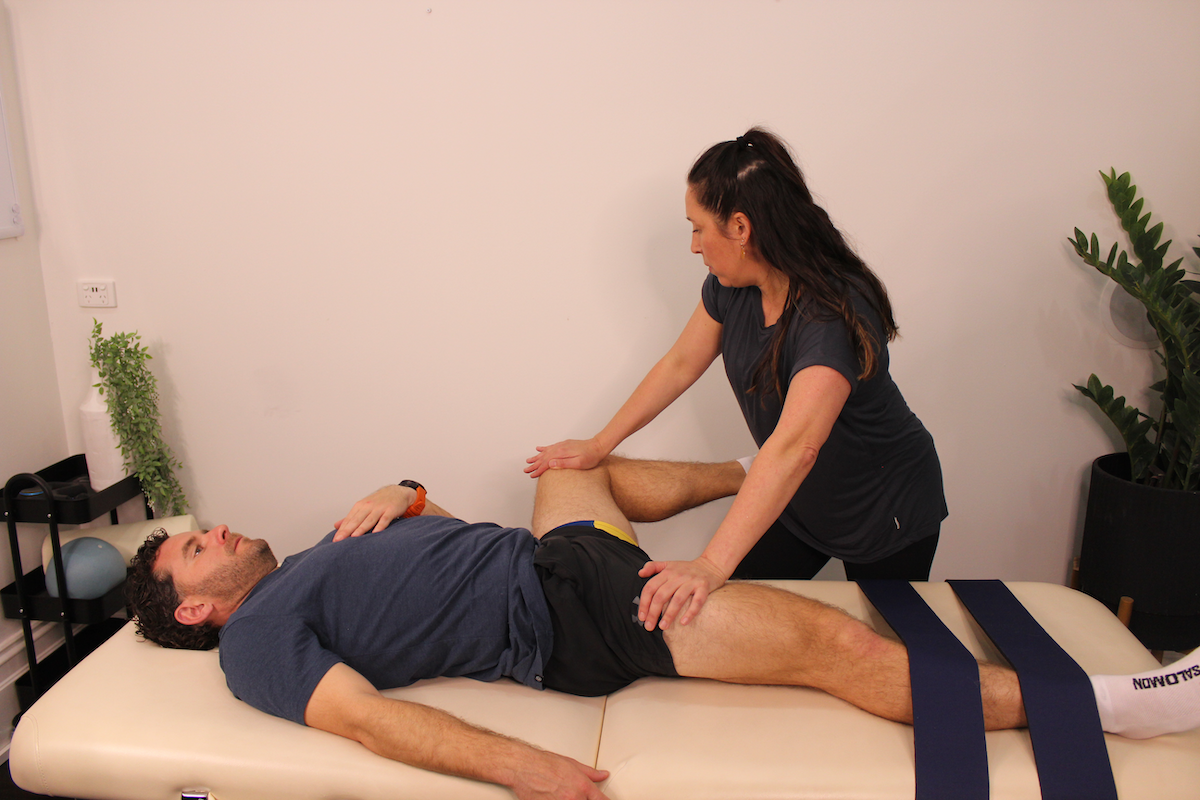
Assisted Stretching for Tight Adductor & Groin
Ease Tightness Through Your Groin and Inner Thigh
Tight adductors — the muscles running along your inner thigh and groin — are one of the most commonly overlooked sources of restricted movement, especially if you play sport involving running, lateral movement, or quick changes of direction.
You may notice:
Tightness or a pulling feeling through your inner thigh or groin
Reduced range of motion when moving your leg sideways or across your body
Discomfort that shows up during running, lunging, or change-of-direction movement
Tightness that seems connected to hip or lower back discomfort
A feeling that your hips aren't moving as freely as they should
Can assisted stretching help tight adductors? Yes — assisted stretching (stretch therapy) can help release tightness through the adductors and improve range of motion, particularly for everyday tightness and training-related stiffness. If you're dealing with a suspected groin strain (sudden sharp pain, bruising, or pain that came on during a specific movement), that's a different situation — please see a physiotherapist or doctor first, since straining a tight adductor further can make an existing injury worse.
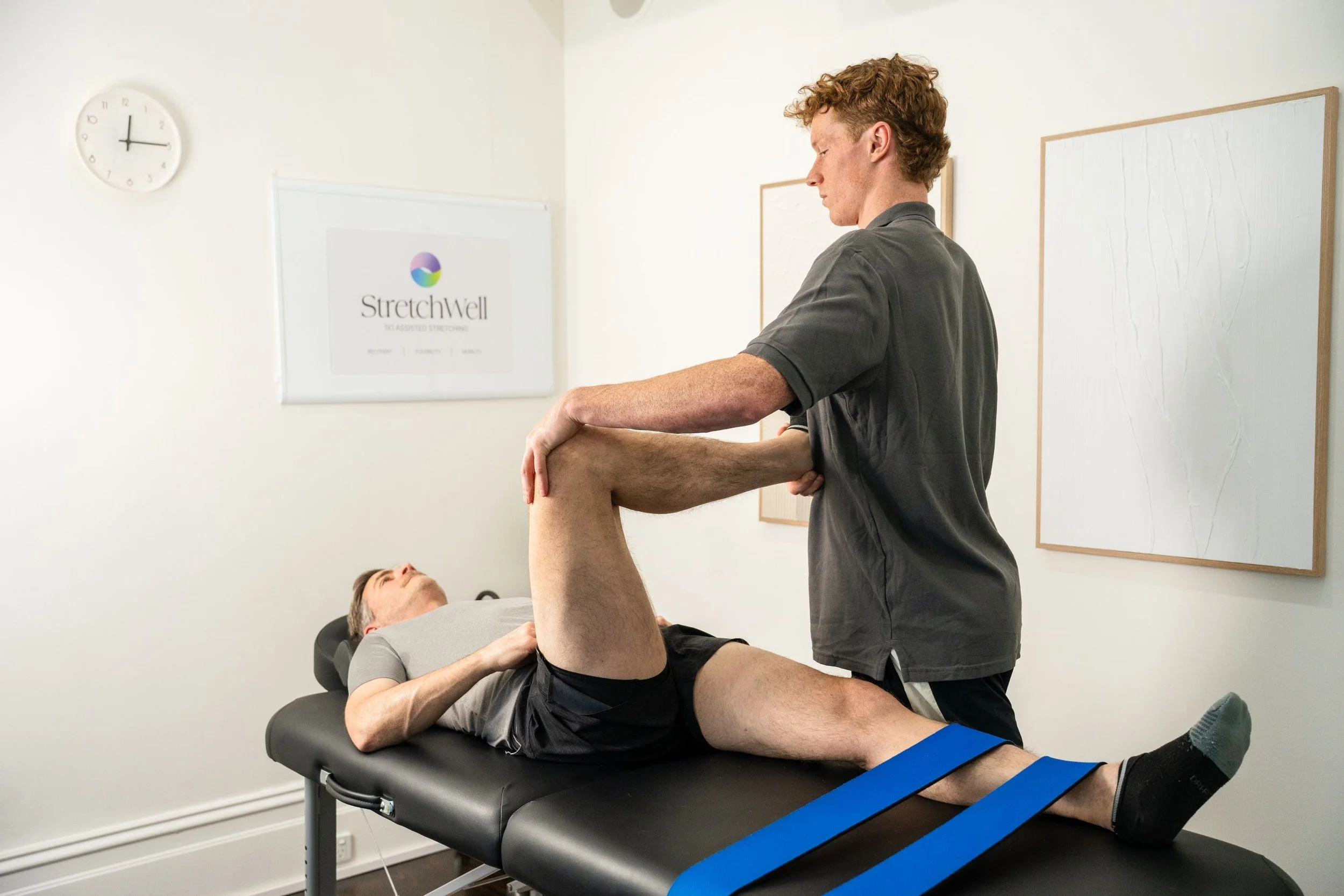
At StretchWell, our assisted stretching sessions are designed to target tight adductors and the surrounding muscles that often contribute to the problem.
Why Do Your Adductors Feel Tight?
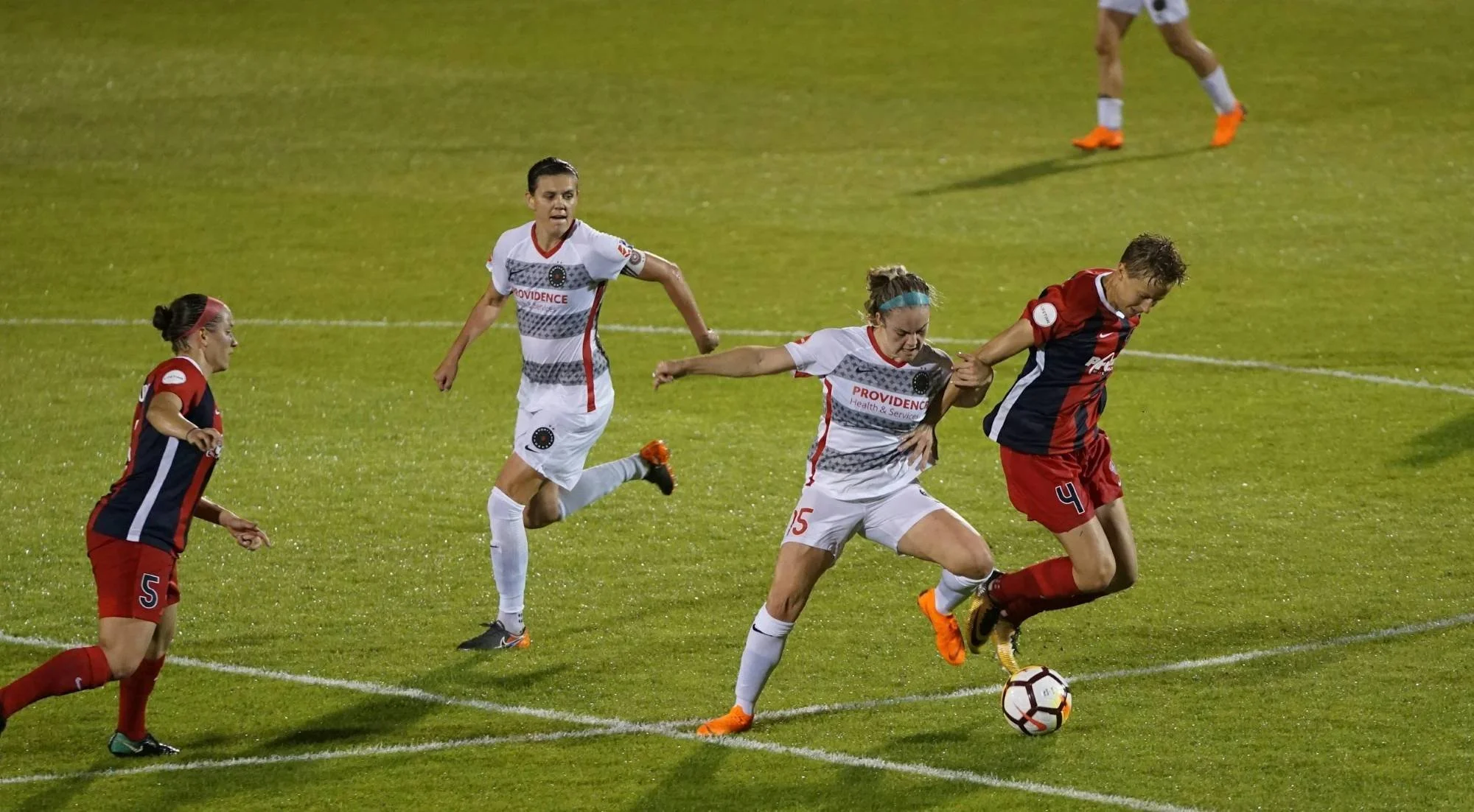
Sports With Lateral or Change-of-Direction Movement
Sports like football, soccer, hockey and netball place repeated demand on the adductors through quick direction changes, and without adequate stretching, tightness builds up over time.
Muscle Imbalances
Weak or underactive glutes and hamstrings can cause the adductors to overcompensate, contributing to tightness even without direct groin-specific training.
Reduced Hip Mobility
Restricted hip movement generally can place extra strain on the adductors as they work to stabilise the pelvis during everyday movement.
Prolonged Sitting
Like the hip flexors, the adductors can also tighten from extended periods of sitting, particularly if your legs stay in a fixed position for long stretches.
Why Stretching Your Adductors Yourself May Not Be Enough
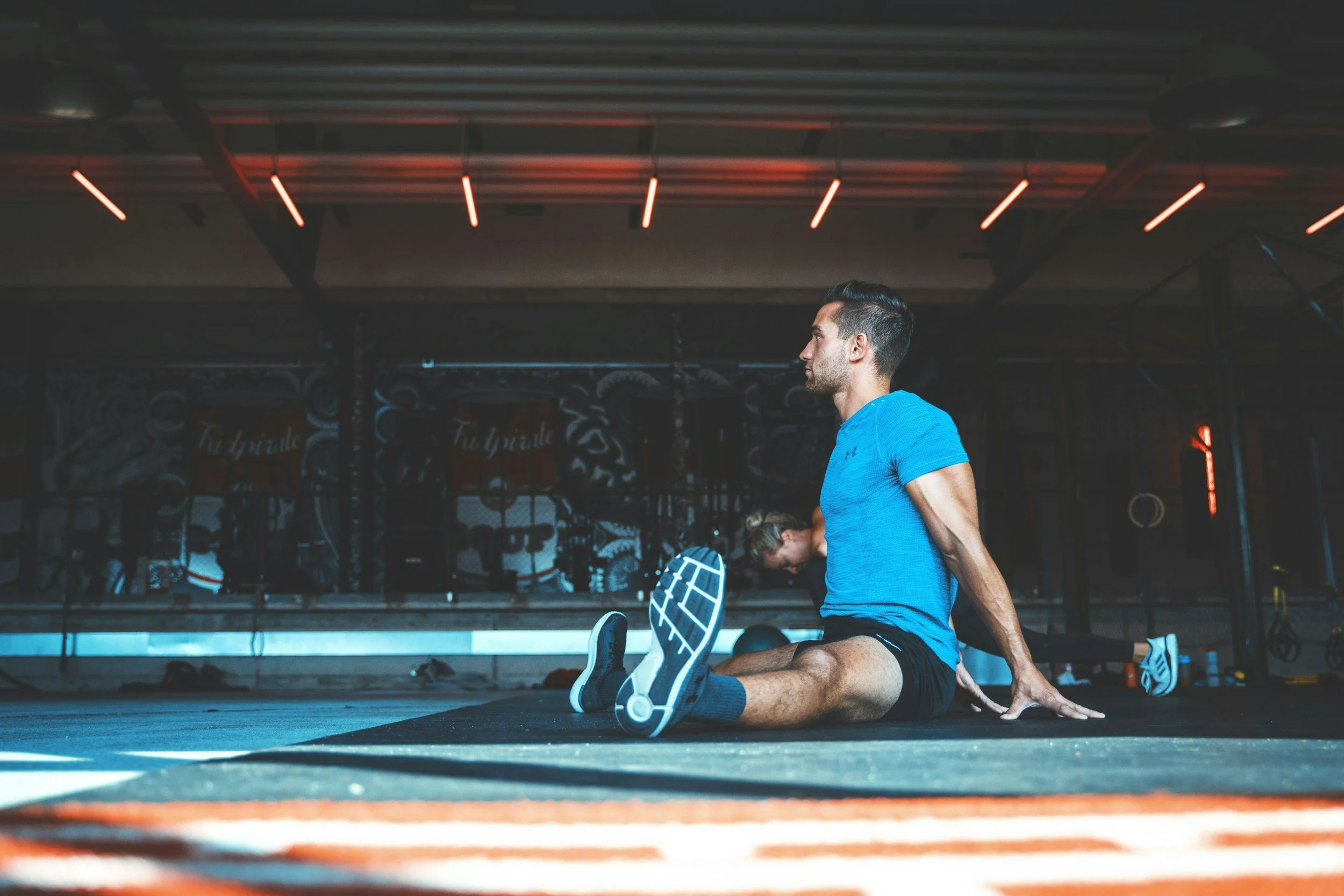
The adductors are a deep, often-neglected muscle group, and it's easy to either avoid stretching them properly out of unfamiliarity, or push too hard without the right support.
Self-stretching also makes it hard to:
Isolate the adductors without compensating through the hips or lower back
Fully relax into the stretch while also controlling your own leg position
Know how far is safe to go, particularly if you're already managing some tightness or discomfort
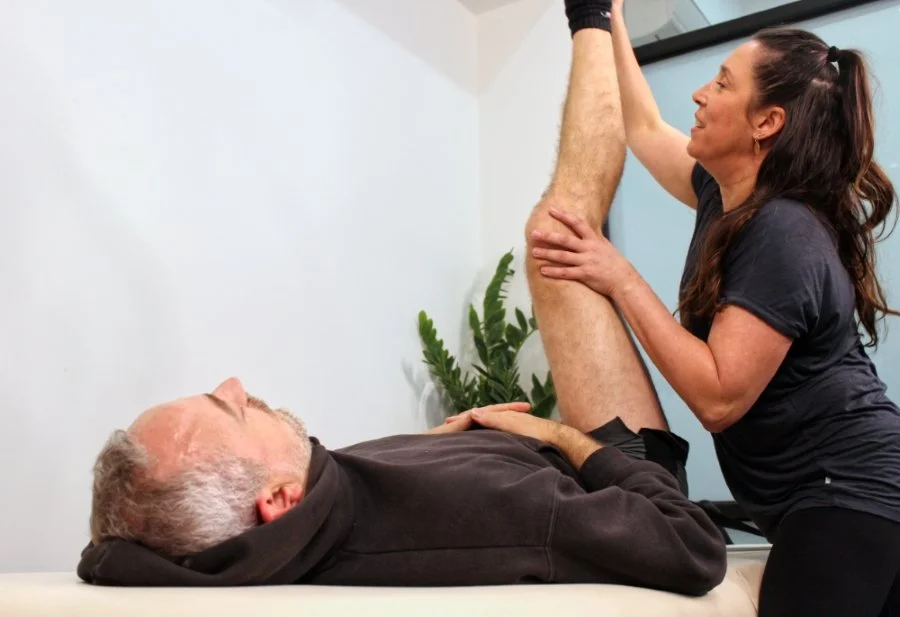
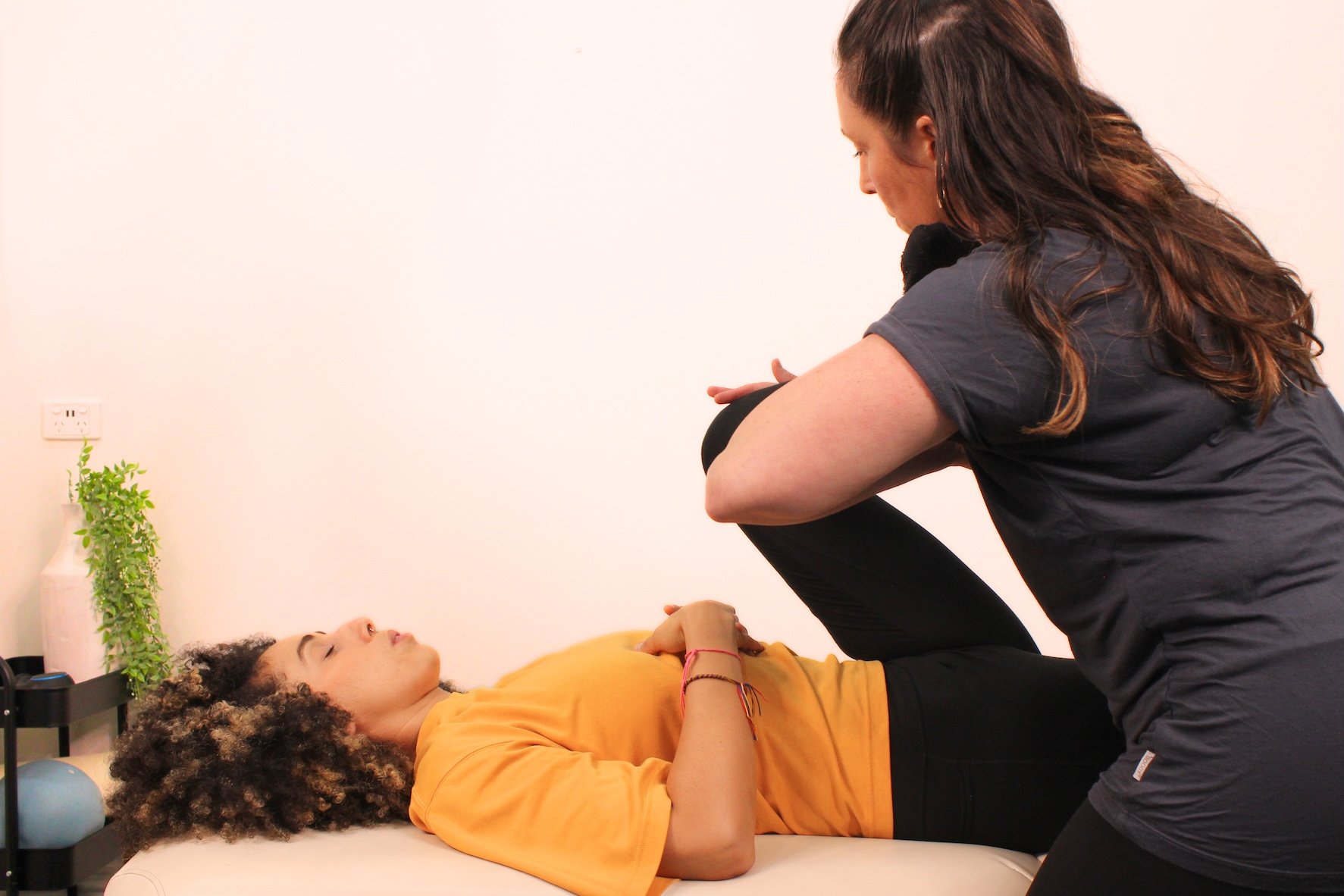
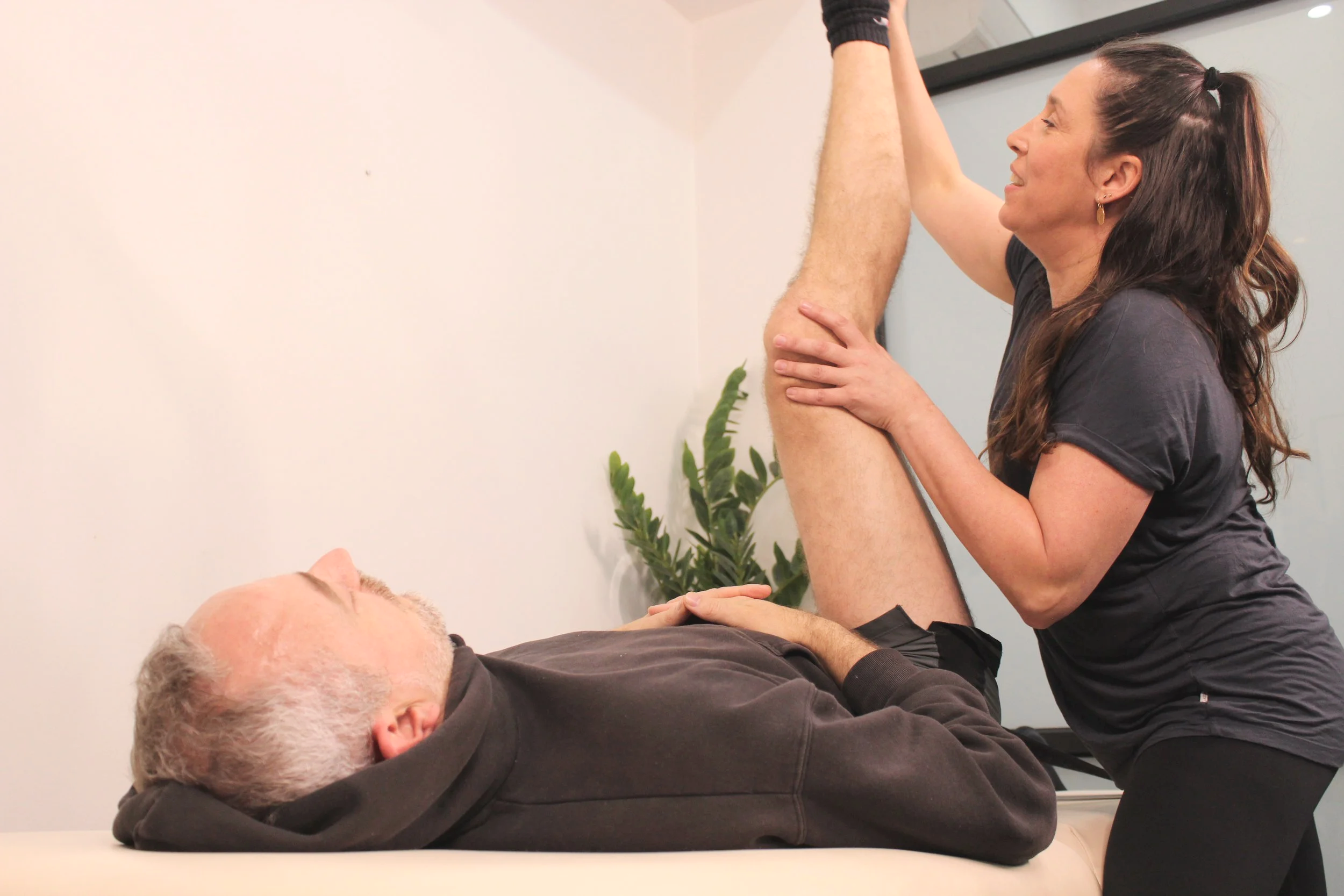
During assisted stretching, your therapist supports and guides your leg through a controlled range of motion, allowing your adductors to properly relax and release more effectively than most self-stretching achieves.
How Assisted Stretching Helps Tight Adductors
Adductors
Guided, supported stretching allows for a deeper release through the inner thigh and groin than most people can achieve safely alone.
Hips
Since the adductors work closely with the hips to stabilise the pelvis, addressing hip mobility alongside adductor tightness supports more complete, lasting results.
Glutes and Hamstrings
Releasing tightness in these connected muscle groups helps address the imbalances that often contribute to adductors overcompensating in the first place.
Lower Back
Easing compensation patterns through the lower back can help take pressure off the hips and adductors, supporting better overall movement.
The Science Behind Assisted Stretching for Adductor Tightness
Like other muscle groups, adductor flexibility isn't purely about muscle length — your nervous system also plays a role in how readily a muscle allows itself to lengthen. When a stretch feels unfamiliar or unsupported, the body can respond by holding more tension rather than releasing it.
A trained stretch therapist uses slow, controlled movement and proper positioning to help your adductors relax into each stretch safely. At StretchWell, we may also use Proprioceptive Neuromuscular Facilitation (PNF) techniques where appropriate, combining brief muscle contractions with assisted stretching to support deeper, more lasting flexibility over time.
Many clients notice reduced tightness after a single session, with more significant improvement building over consistent sessions — particularly useful if you're managing regular training in sports involving running or lateral movement.
Ease Adductor and Groin Tightness With Assisted Stretching in Melbourne
Whether you're managing tightness from sport, training, or simply sitting too much during the week, StretchWell can help you build better mobility through your hips, groin and inner thigh.
Book your assisted stretching session today and start easing that tightness.
FAQs about Adductor and Groin Tightness
If you’re ready to relieve your tight adductors & groin, book with us today.
-
Yes, in most cases of everyday tightness. Stretch therapy can help release adductor tension and improve range of motion, particularly with regular sessions over time.
-
Common causes include sports involving lateral movement or quick direction changes, muscle imbalances (particularly weak glutes and hamstrings), reduced hip mobility, and prolonged sitting.
-
Generally yes, for everyday training-related tightness. However, if you have a suspected groin strain (sudden sharp pain, swelling, bruising, or pain from a specific movement), please see a physiotherapist or doctor before booking, and let your therapist know about any recent injury.
-
Assisted stretching allows you to fully relax while your therapist controls the depth, angle and pacing of the stretch — something that's difficult to do for yourself, particularly for a deep muscle group like the adductors.
-
This depends on your training load and goals, but many clients find weekly or fortnightly sessions helpful for keeping tightness from building back up, especially during heavier training blocks or in-season.
-
If you experience sudden sharp pain, swelling, bruising, or pain that came on during a specific movement, this may indicate a groin strain rather than general tightness — please see a physiotherapist or doctor rather than relying on stretching alone.
Related Blog Posts