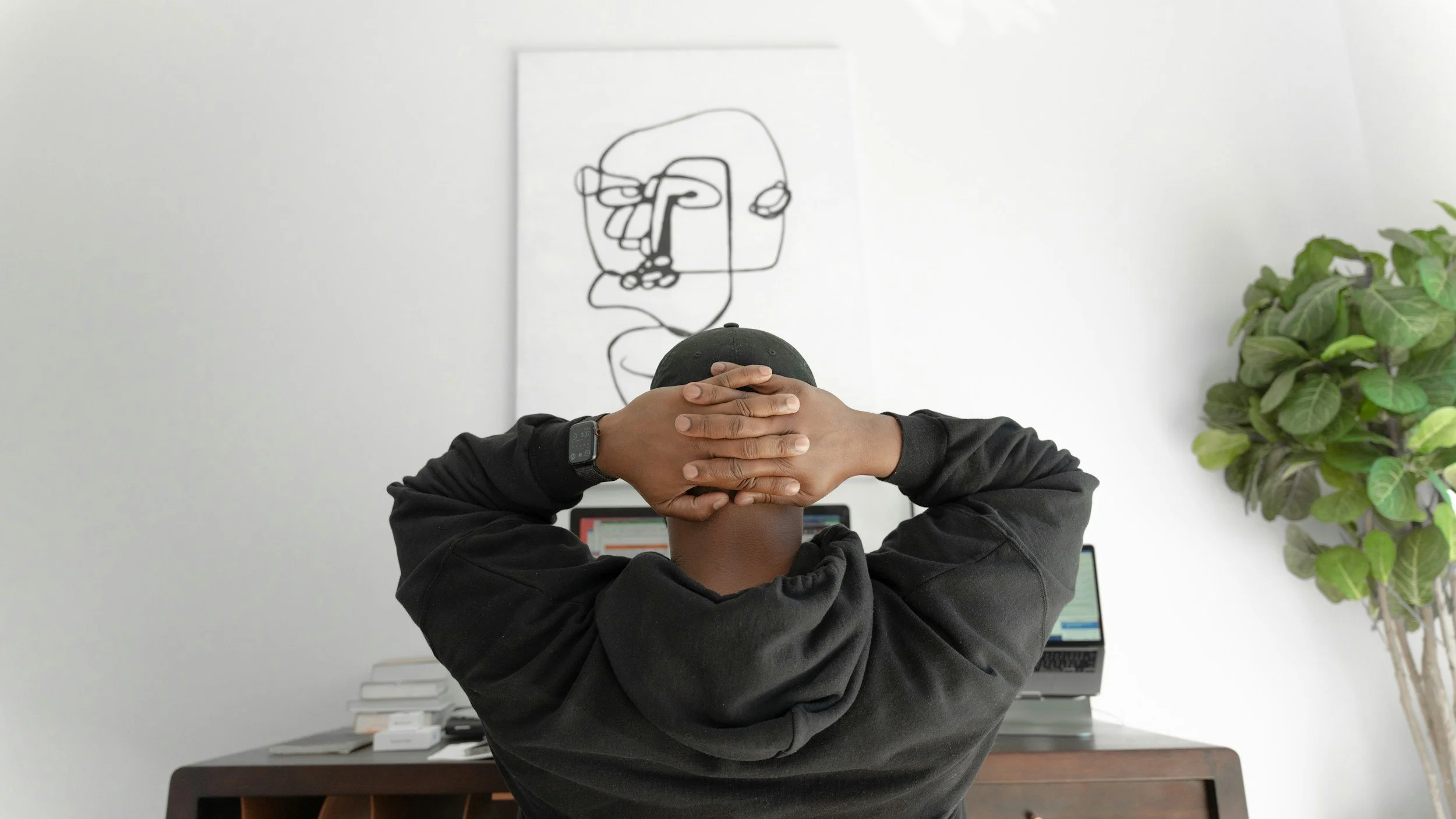
10 Neck Stretches You Can Do at Your Desk
If your neck feels tight and stiff by mid-afternoon, you're not alone — it's one of the most common complaints among desk workers, and one of the easiest areas to address with a few minutes of stretching between tasks.
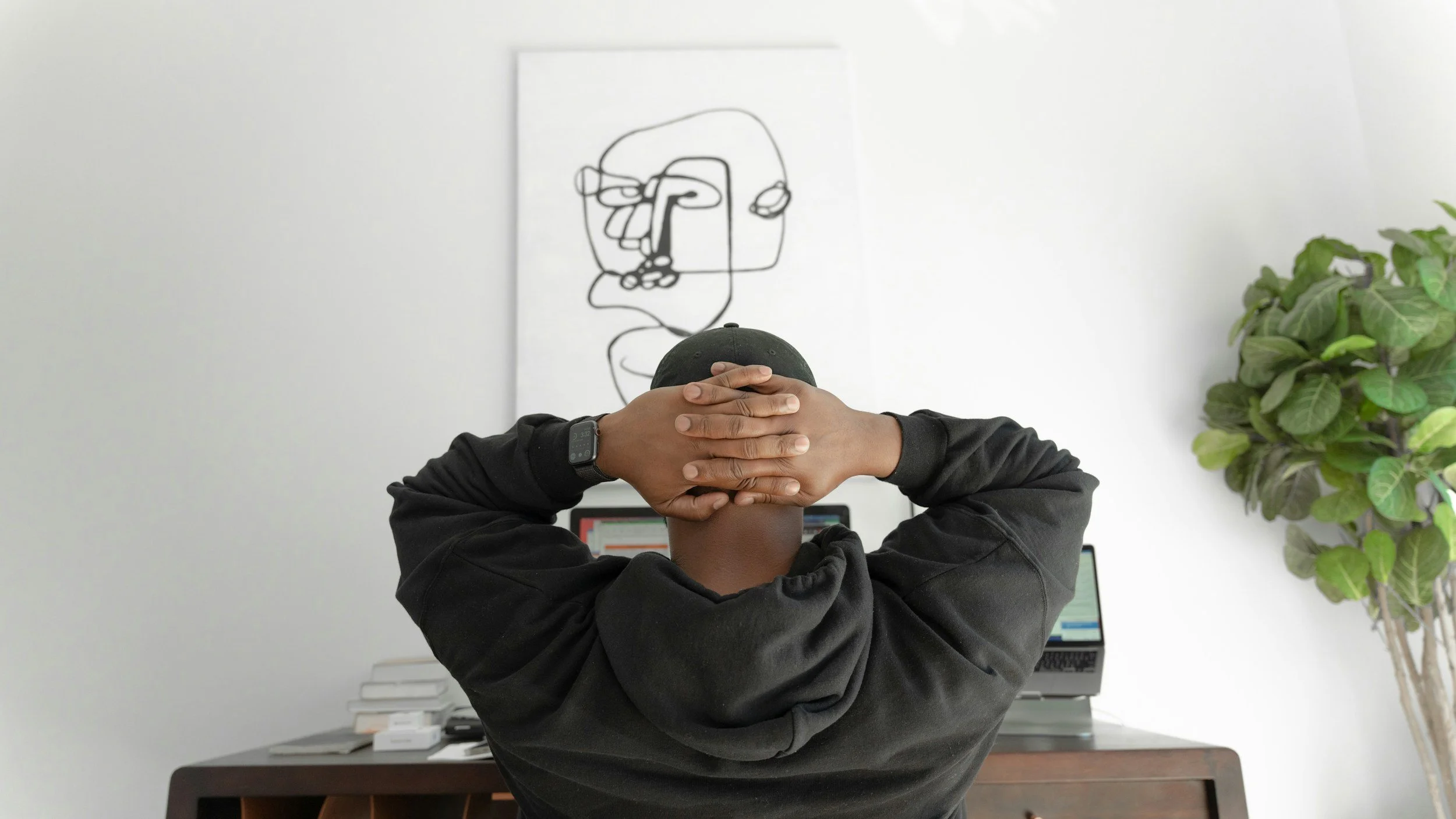
What are the best neck stretches to do at your desk? Simple stretches targeting the sides, back and base of the neck can meaningfully ease tension built up from hours of screen time and a forward head position, and all of the ones below can be done seated, without any equipment.
Why Desk Work Is So Hard on Your Neck
Hours spent looking at a screen, often with your head tilted slightly forward, keeps the muscles at the back and sides of your neck in a shortened, overworked position all day. This pattern — sometimes called 'tech neck' — builds up gradually, which is part of why so many people don't notice how tight they've become until the stiffness is already significant.
10 Neck Stretches to Try at Your Desk
These are safe, general stretches for everyday neck tightness. Stop if you feel sharp pain, and check with a doctor first if you've had a recent neck injury or diagnosed spinal condition.
1. Ear-to-Shoulder Stretch
Gently tilt your head to one side, bringing your ear toward your shoulder, without lifting the opposite shoulder. Hold 20–30 seconds each side.
2. Chin Tucks
Gently draw your chin straight back, as if making a double chin, keeping your eyes level. Hold 5 seconds, repeat 8–10 times. This directly counters the forward head position.
3. Neck Rotation
Slowly turn your head to look over one shoulder, holding 15–20 seconds, then repeat on the other side.
4. Upper Trapezius Stretch
Tilt your head to one side and gently add slight rotation, looking down toward your armpit, using your hand for gentle added pressure if comfortable. Hold 20–30 seconds each side.
5. Forward Neck Flexion
Gently drop your chin toward your chest, feeling a stretch through the back of your neck. Hold 15–20 seconds.
6. Shoulder Rolls
Roll your shoulders up, back and down in a slow circular motion, 8–10 times, then reverse direction — this eases the upper trapezius tension that often accompanies neck tightness.
7. Seated Cat-Cow for the Upper Back
Sitting tall, alternate between gently arching and rounding your upper back and shoulders, syncing with your breath, for 8–10 slow repetitions.
8. Levator Scapulae Stretch
Turn your head about 45 degrees to one side, then gently drop your chin toward your armpit, using your hand for light added pressure. Hold 20–30 seconds each side — this targets a common source of one-sided neck and shoulder tightness.
9. Doorway Chest Opener
Stand in a doorway with your forearm on the frame at shoulder height, gently leaning forward to open the chest — tight chest muscles contribute to the forward head posture that strains the neck.
10. Standing Full-Body Reset
Every hour or so, simply stand up, roll your shoulders, and gently look side to side and up and down — the biggest single improvement for neck tightness is often just breaking up long periods of stillness.
Why These Help, But Have Limits
These stretches are a real, useful way to manage everyday tightness through the day, but the neck is a delicate, complex area, and self-stretching only reaches so far — it's hard to fully relax into a stretch while you're also holding your own head in position, and easy to under-stretch the deeper muscles without realising it.
How Assisted Stretching Helps When Desk Stretches Aren't Enough
During an assisted stretching session, your therapist supports your head and neck through a controlled, guided range of motion, allowing you to properly relax rather than holding the position yourself. This often reaches tightness that daily desk stretches manage but don't fully resolve, particularly if you're dealing with tech neck built up over months or years of desk work.
When to See a Doctor Instead
If your neck pain is severe, follows an injury, or comes with numbness, tingling or weakness in your arm or hand, please see a doctor or physiotherapist rather than relying on stretching alone.
Getting Started
Try building two or three of these into natural breaks in your day — between meetings, before lunch, at the end of the day. If tightness keeps building back up despite a consistent stretching habit, that's usually a sign it's time for a deeper, guided release.
Book an assisted stretching session at StretchWell in Northcote for the tightness these desk stretches can't fully reach.
FAQs
What's the best neck stretch for desk workers?
Chin tucks are particularly effective since they directly counter the forward head position that builds up from screen time, but a mix of several stretches through the day tends to work best overall.
How often should I stretch my neck at my desk?
Aiming for a couple of minutes every hour, or at natural breaks between tasks, helps prevent tightness from building up throughout the day.
Can desk stretches fix tech neck completely?
They help manage everyday tightness, but tech neck built up over months or years often needs a deeper, guided release that self-stretching alone can't fully reach.
Is it safe to stretch a stiff neck myself?
For everyday tightness, generally yes, using gentle stretches like the ones above. If pain is severe, follows an injury, or comes with numbness or tingling, see a doctor first.
When should I consider assisted stretching instead of just desk stretches?
If tightness keeps returning despite a consistent stretching habit, or you want a deeper release than you can achieve holding your own stretch, assisted stretching is worth considering.
Related Posts