How to Relieve Tight Hips (And Why Stretching Actually Works)
Tight hips are one of the most common complaints we see — especially for people who spend long hours sitting or balancing work, exercise, and everyday life.
Whether it shows up as stiffness, discomfort, or limited movement, tight hips can affect everything from posture to how you feel day to day.
The good news is that with the right approach, it’s something you can improve.
Why Do Hips Get Tight?
Modern lifestyles play a big role.
Long periods of sitting — at a desk, in the car, or on the couch — keep the hip flexors in a shortened position. Over time, this can lead to stiffness, reduced mobility, and discomfort.
According to Harvard Health Publishing, prolonged sitting can contribute to muscle tightness and imbalances, particularly in the hips and lower back.
Tight hips can also be influenced by:
lack of movement variety
repetitive exercise patterns
stress and muscle tension
How Tight Hips Affect Your Body
When your hips are restricted, other parts of your body often compensate.
This can lead to:
lower back discomfort
reduced range of motion
poor posture
inefficient movement patterns
Research from the American Council on Exercise highlights that limited hip mobility can impact overall movement efficiency and increase strain on surrounding areas.
How Stretching Helps
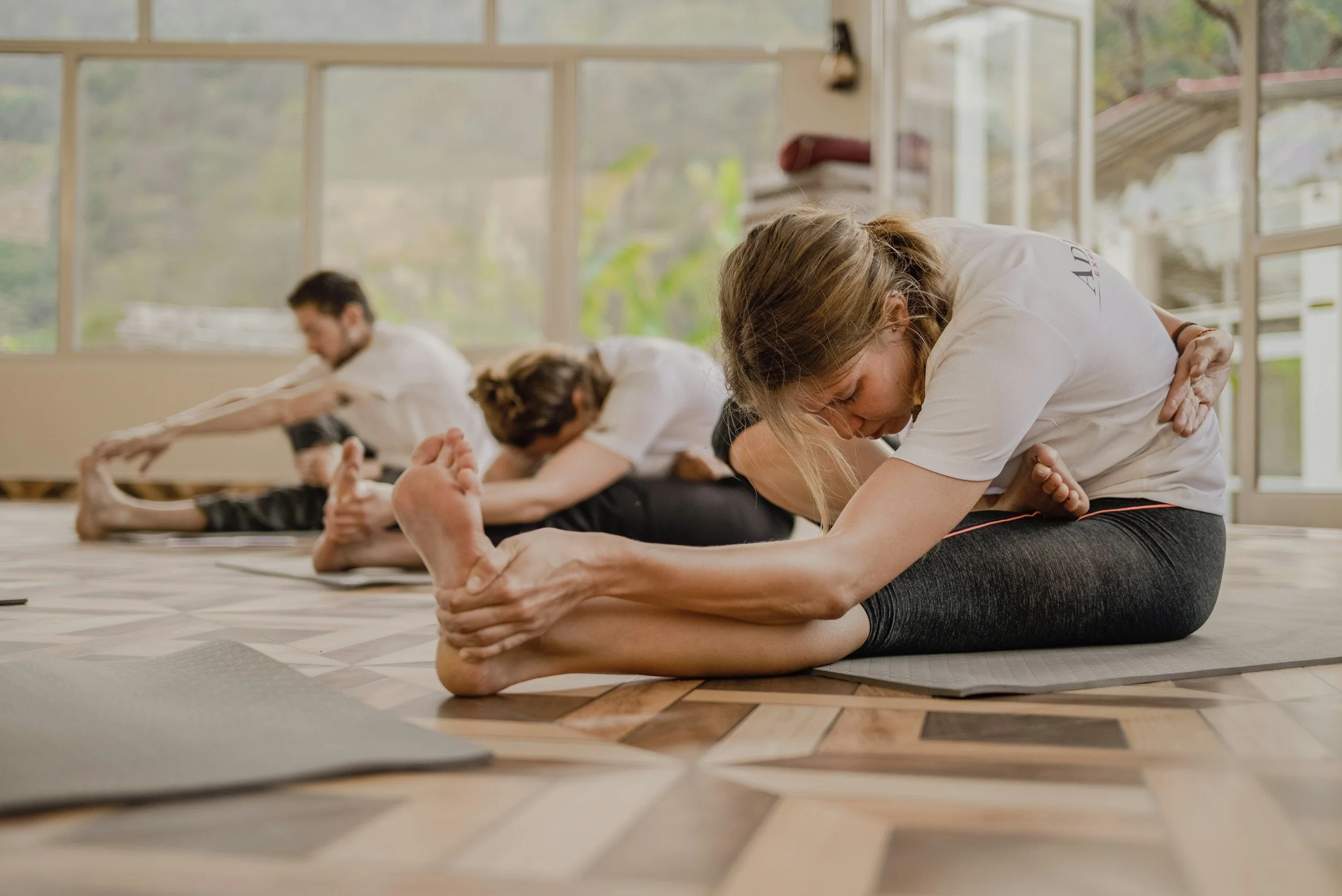
Stretching works by helping muscles lengthen and improving joint range of motion.
When done consistently, it can:
reduce muscle stiffness
improve flexibility
support better posture
enhance overall movement
A review published via National Institutes of Health found that regular stretching can significantly improve flexibility and range of motion over time.
Why Assisted Stretching Can Be More Effective
While stretching on your own is helpful, many people struggle to get the most out of it.
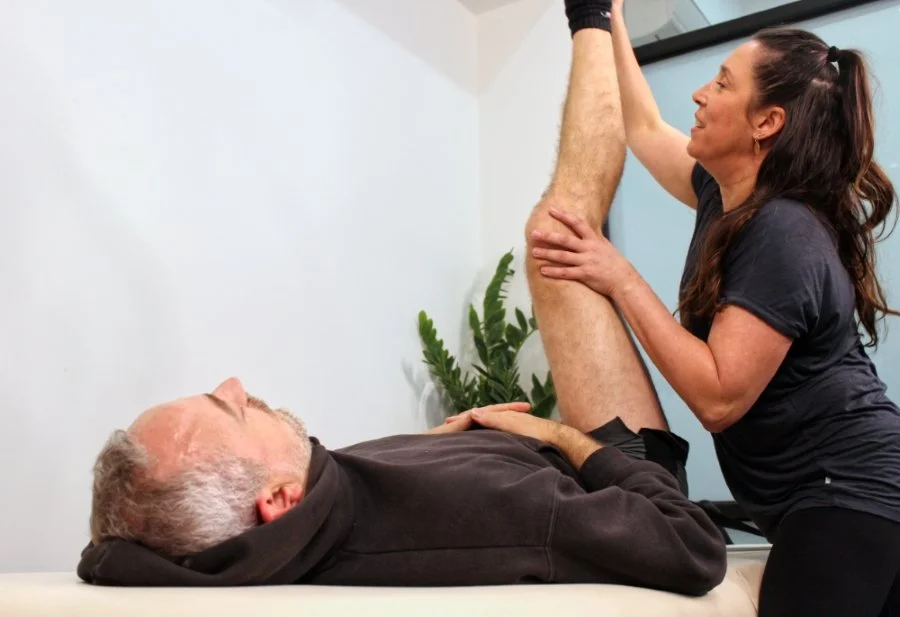
This is where assisted stretching can make a difference.
With a trained therapist:
your body is supported into each movement
you can relax fully into the stretch
you can access a deeper, more effective range
Because you’re not doing the work yourself, your muscles are more likely to release — leading to better results.
Simple Ways to Relieve Tight Hips
If you’re dealing with tight hips, here are a few practical steps:
1. Move More Throughout the Day
Even small breaks from sitting can make a difference.
2. Stretch Consistently
Focus on areas like:
hip flexors
glutes
hamstrings
3. Don’t Push Into Pain
Stretching should feel like tension, not pain.
4. Consider Guided Support
Working with a professional can help you:
stretch more effectively
stay consistent
see faster improvements
How Long Does It Take to See Results?
With consistent stretching, many people begin to notice improvements within a few weeks.
The key is regularity — not intensity.
Even small, consistent efforts can lead to meaningful changes in how your body feels and moves.
A Smarter Approach to Mobility
Tight hips aren’t something you just have to live with.
With the right combination of movement, consistency, and support, you can improve flexibility and feel more comfortable in your body.
For many people, assisted stretching provides a simple and effective way to accelerate that process — especially when done regularly.
Looking for Help With Tight Hips in Melbourne?
If you’re dealing with stiffness or limited mobility, assisted stretching can help you move more freely and feel better in your body.
At StretchWell, we offer personalised one-on-one stretch therapy sessions designed to target areas like the hips, lower back, and shoulders — helping you release tension and improve how you move. Visit us for an assisted stretch in Melbourne today.
Related Posts