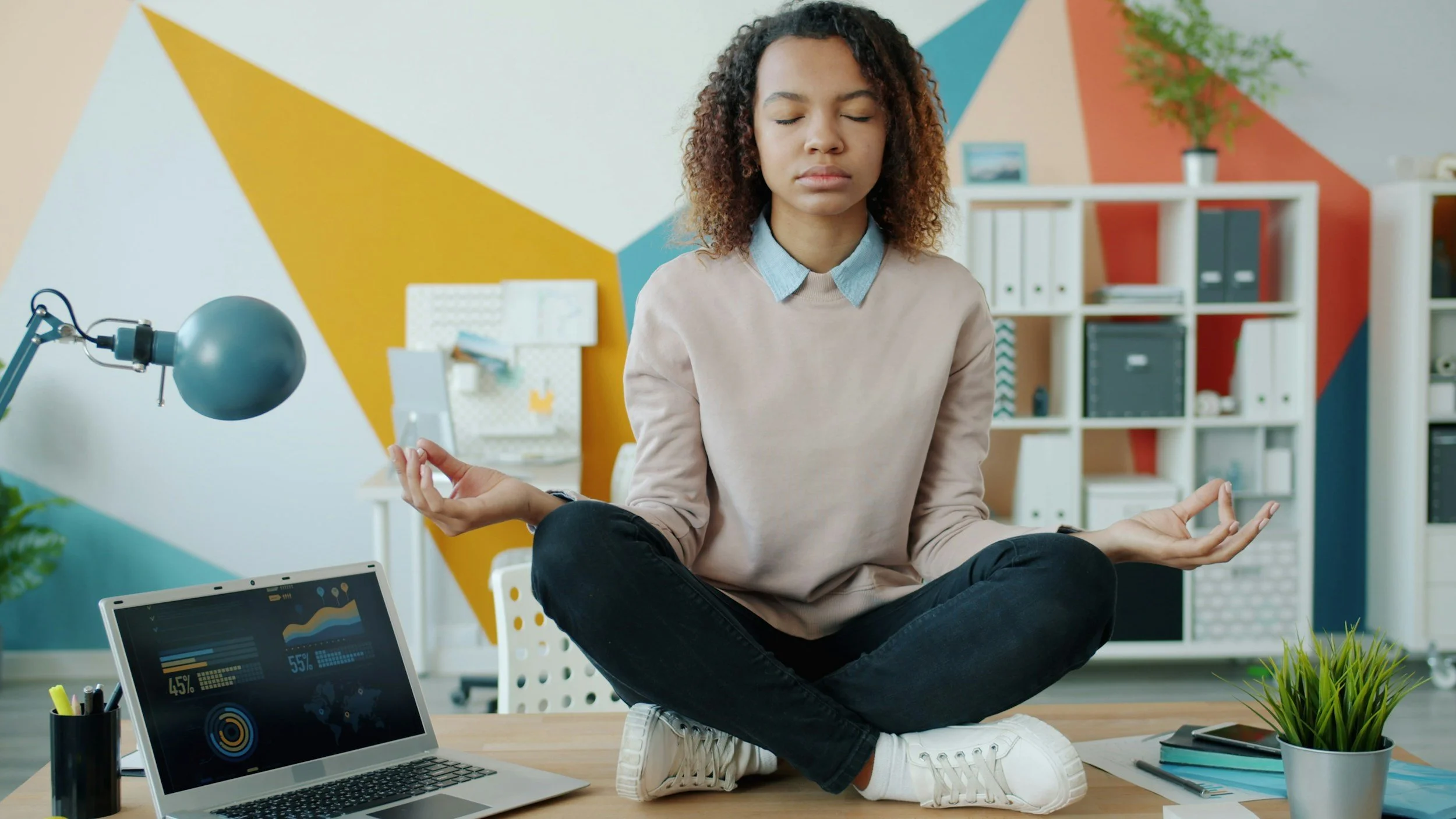
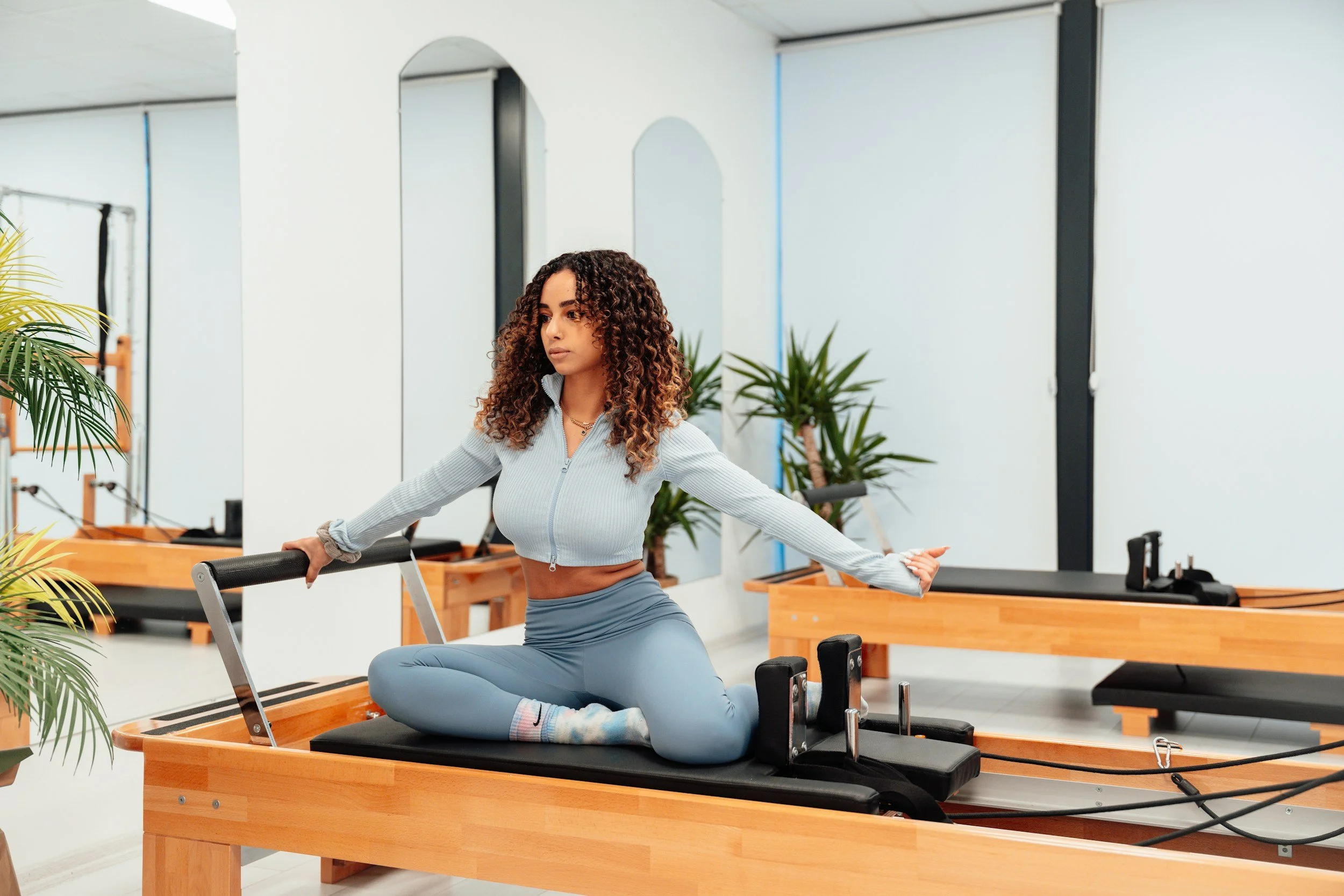
Can Assisted Stretching Improve Your Sleep?
If you've ever lain awake feeling physically tense — tight shoulders, a stiff lower back, a body that just won't settle — you've probably wondered whether stretching could help. It's a reasonable question, and the honest answer is a little more nuanced than a simple yes.
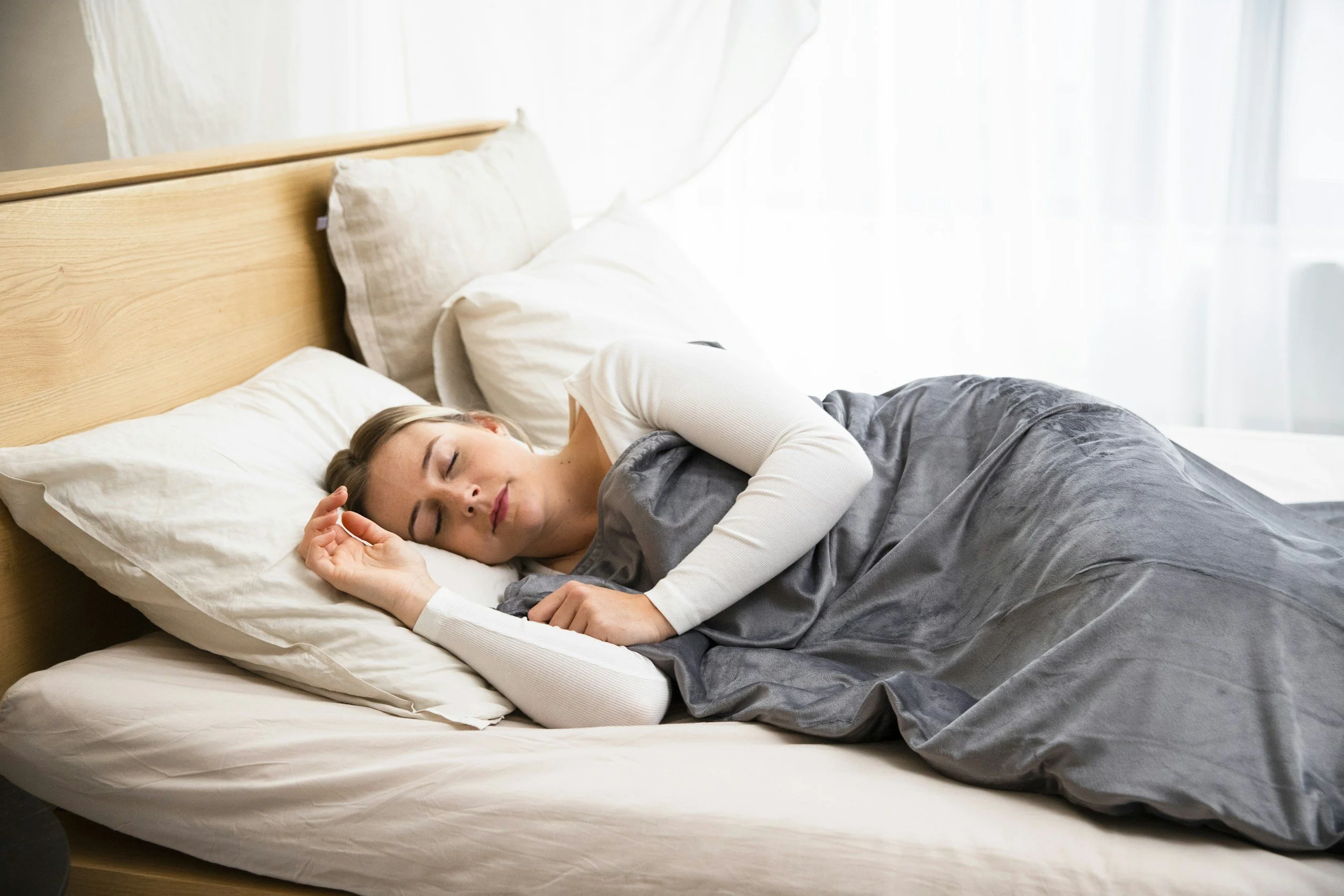
Can assisted stretching improve your sleep? The research on stretching and sleep quality is honestly mixed — a 2024 scientific review found limited evidence that stretching reliably improves sleep quality overall. What is well-supported is the underlying mechanism: stretching can help activate your parasympathetic nervous system and release physical tension, both of which plausibly support better sleep, particularly if tension or a wound-up nervous system is part of what's keeping you up. Assisted stretching not a guaranteed fix, but for many people, addressing physical tension is a real part of the sleep picture.
What the Research Actually Says
A 2024 scoping review published in the European Journal of Applied Physiology looked specifically at stretching and sleep quality across 16 studies. The honest finding: only 5 of the 16 studies showed statistically significant improvements, and the review's own conclusion states there is limited evidence that stretching exercises positively impact sleep quality overall. At the same time, the studies that did show benefits found meaningful improvements in specific measures — including reduced insomnia severity, better sleep efficiency, and reduced time spent awake after initially falling asleep.
The takeaway isn't "stretching doesn't work for sleep." It's that the evidence isn't strong or consistent enough to call it a reliable, guaranteed fix — while still being a reasonable, low-risk thing to try, particularly if physical tension is actually part of your problem.
The Mechanism That Is Well-Supported
Even where the sleep-quality research is mixed, the physiological mechanism behind why stretching might help is on solid ground:
Nervous System Activation
Slow, controlled stretching supports parasympathetic ("rest and digest") nervous system activity — the same mechanism we've covered in more detail in our piece on stress and nervous system regulation. A body that's stuck in a more alert, sympathetic-leaning state has a harder time settling into sleep.
Muscle Tension Relief
Physical tension — particularly through the neck, shoulders and lower back — is extremely common by the end of a day, especially for desk workers. Releasing that tension removes one of the physical barriers to feeling settled enough to fall asleep.
Cortisol and Stress Hormones
Some research points to stretching supporting lower cortisol levels, the body's primary stress hormone. Lower baseline stress tends to support easier sleep onset, even though this effect varies significantly between individuals.
Why Physical Tension Specifically Can Keep You Up
If you spend most of your day at a desk, tension tends to build through the same areas — neck, shoulders, hips, lower back — and without addressing it, that tightness doesn't just disappear once you get into bed. Lying down doesn't automatically release muscle tension that's built up over a full day of sitting, screen time, or training.
This is part of why some people find they feel physically restless at night even when they're truly tired — the body is holding tension the mind hasn't caught up to yet.
Where Assisted Stretching Fits (and Where It Doesn't)
It's worth being clear here: assisted stretching is a booked, in-person session — not something you'd do right before bed. So the honest way to think about this is less "stretch at midnight and sleep better tonight," and more "regular assisted stretching sessions help manage the overall physical tension that can make settling into sleep harder."
For people who notice they're carrying a lot of physical tightness — particularly through the neck, shoulders and lower back — regular sessions may help reduce one contributing factor to poor sleep, even if it's not a standalone solution. Combined with general good sleep habits (consistent bedtime, reduced screen time before bed, a cool dark room), addressing physical tension through assisted stretching is a reasonable, low-risk addition rather than a replacement for the basics.
A Realistic Take
If you're dealing with occasional restlessness or notice you're physically tense at night, addressing that tension — through assisted stretching or otherwise — is a reasonable, sensible thing to try, and the mechanism behind it is real even if the research on sleep-quality outcomes specifically is still developing.
If you're dealing with ongoing, significant sleep problems — chronic insomnia, sleep that doesn't improve no matter what you try, or sleep issues affecting your daily functioning — that's worth raising with your GP or a sleep specialist rather than treating as something stretching alone will resolve. The Sleep Health Foundation is a good starting point for evidence-based information on sleep more broadly.
Getting Started
If tension through your neck, shoulders or lower back is part of what's keeping you from feeling settled at night, addressing it directly through assisted stretching is a reasonable, low-risk place to start.
Book an assisted stretching session at StretchWell in Northcote and see whether easing physical tension makes a difference to how you feel, day and night.
FAQs
Does stretching before bed actually help you sleep? The research is mixed — a 2024 review found limited, inconsistent evidence for stretching improving sleep quality overall, though the underlying relaxation and tension-relief mechanism is well-supported and may help some people, particularly if physical tension is contributing to their restlessness.
Should I book an assisted stretching session right before bed? Not necessarily — assisted stretching is a booked, in-person session, not a bedtime routine. Regular sessions may help manage overall tension levels that affect how settled you feel at night, rather than functioning as a literal pre-sleep ritual.
What's the connection between stress and sleep? Chronic stress tends to keep the body in a more alert, sympathetic-nervous-system-dominant state, which can make it harder to wind down. Techniques that support parasympathetic activation, including stretching, are one part of managing that.
Which areas of tension most commonly affect sleep? The neck, shoulders and lower back are the most common areas people carry physical tension into the evening, particularly after a day of desk work or training.
When should I see a doctor about sleep problems instead of trying stretching? If you're dealing with ongoing, significant sleep issues — chronic insomnia, sleep that doesn't improve, or sleep problems affecting your daily life — it's worth speaking with your GP or a sleep specialist rather than relying on stretching alone.
Related Posts