Healthy Ageing & Mobility for Older Adults
Stay Active, Stay Independent
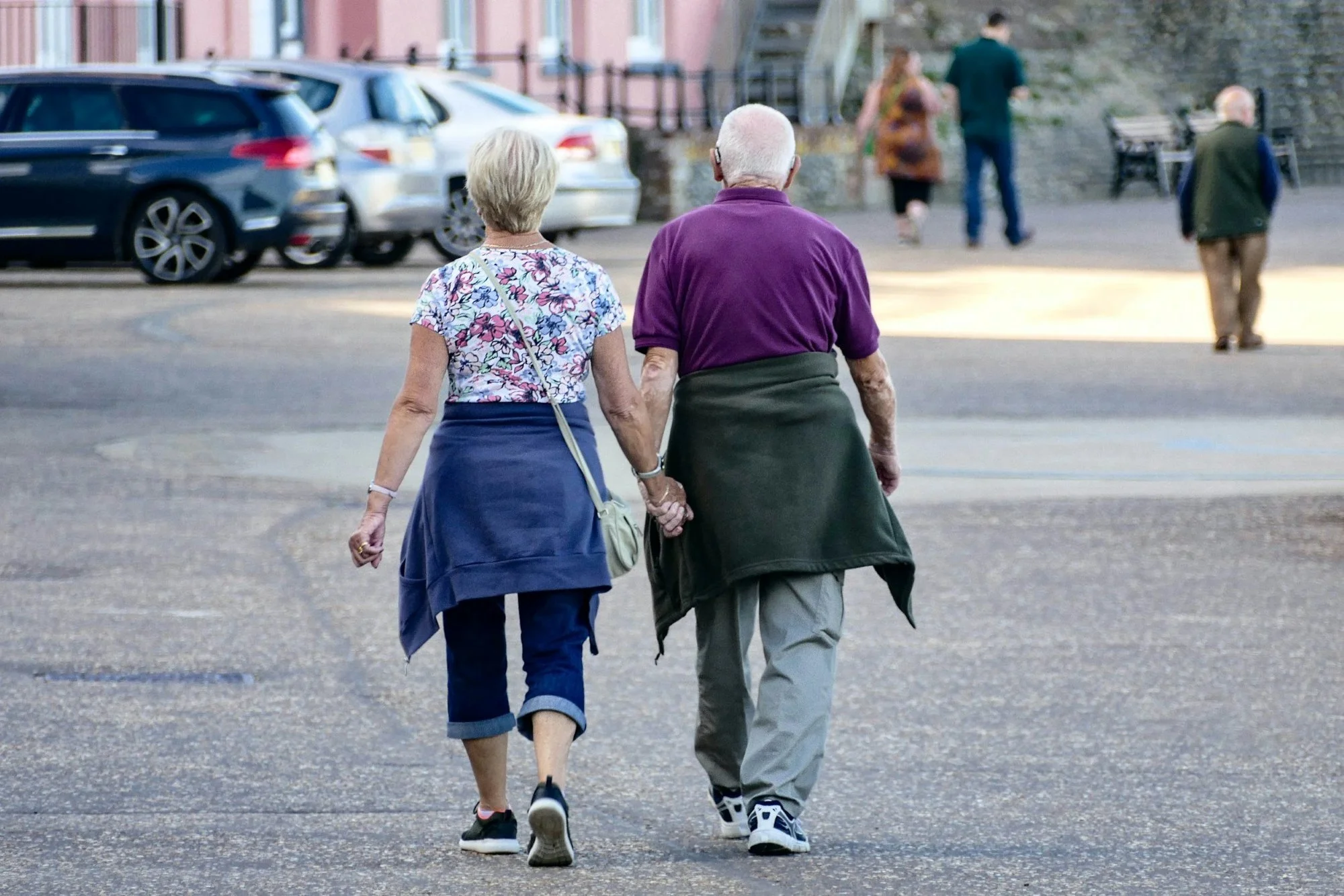
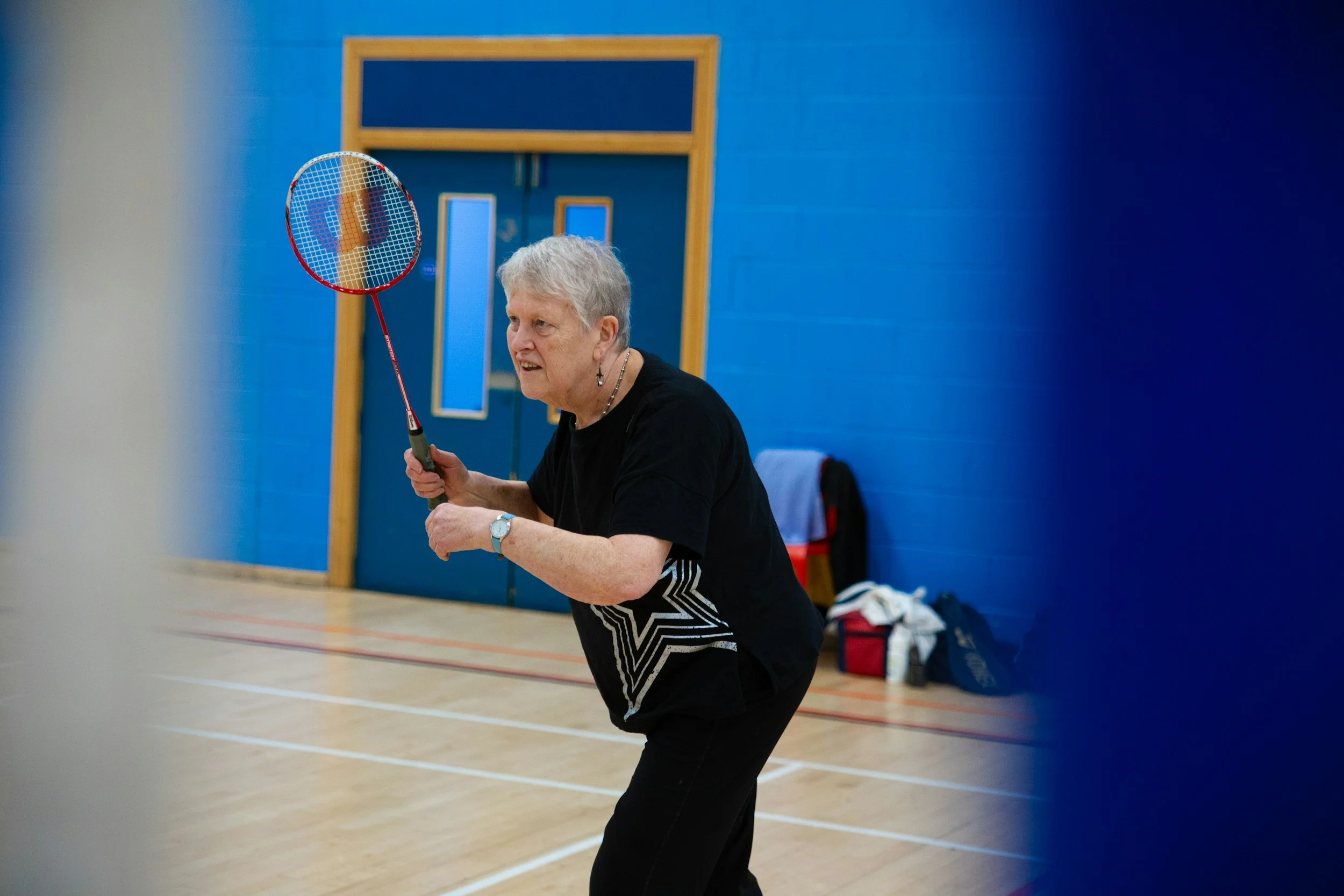
Staying mobile as you age is one of the biggest factors in maintaining independence and confidence in everyday life — from getting up off the floor, to reaching for something on a high shelf, to simply feeling steady on your feet. Regular flexibility work is a proven, low-impact way to support this, whether you're in your 60s, 70s, or beyond.
You might notice:
Stiffness that makes everyday movements — bending, reaching, turning — feel harder than they used to
Reduced confidence with balance, especially on uneven ground
Tightness that limits how comfortably you can get dressed, garden, or play with grandchildren
A general feeling of "seizing up" if you've been less active than you'd like
Can assisted stretching help older adults? Yes — assisted stretching supports flexibility, range of motion and balance, all of which play a real role in maintaining independence and reducing fall risk as you age. Australian Government physical activity guidelines for older adults specifically recommend including flexibility and balance work alongside strength and aerobic activity, and assisted stretching is a gentle, supported way to do exactly that.
At StretchWell, sessions are fully tailored to your current mobility and comfort level — there's no assumption of a certain fitness level or flexibility going in.
Why Flexibility Matters More As You Age
Joints Naturally Stiffen Without Regular Movement
Reduced activity over time allows connective tissue around joints to tighten, which can make everyday tasks feel more restricted than they need to be.
Flexibility Supports Balance
Tight muscles, particularly through the hips, ankles and lower back, can affect balance and stability — improving flexibility in these areas is a real part of supporting steadier movement and reducing fall risk.
Independence Depends on Range of Motion
Simple daily tasks — getting dressed, reaching overhead, getting in and out of a car — all rely on a functional range of motion that's easy to take for granted until it becomes limited.
It's Never Too Late to Improve
Research consistently shows older adults can meaningfully improve flexibility and range of motion through regular stretching, regardless of current activity level or how long it's been since you last stretched properly.
Why Self-Stretching Can Be Difficult to Do Safely Alone
Stretching alone can be tricky to do safely and effectively as you age — it's hard to know how far is safe to go, some positions require balance or floor work that isn't always comfortable, and it's easy to either not stretch deeply enough to make a difference, or push further than is safe without someone guiding you.
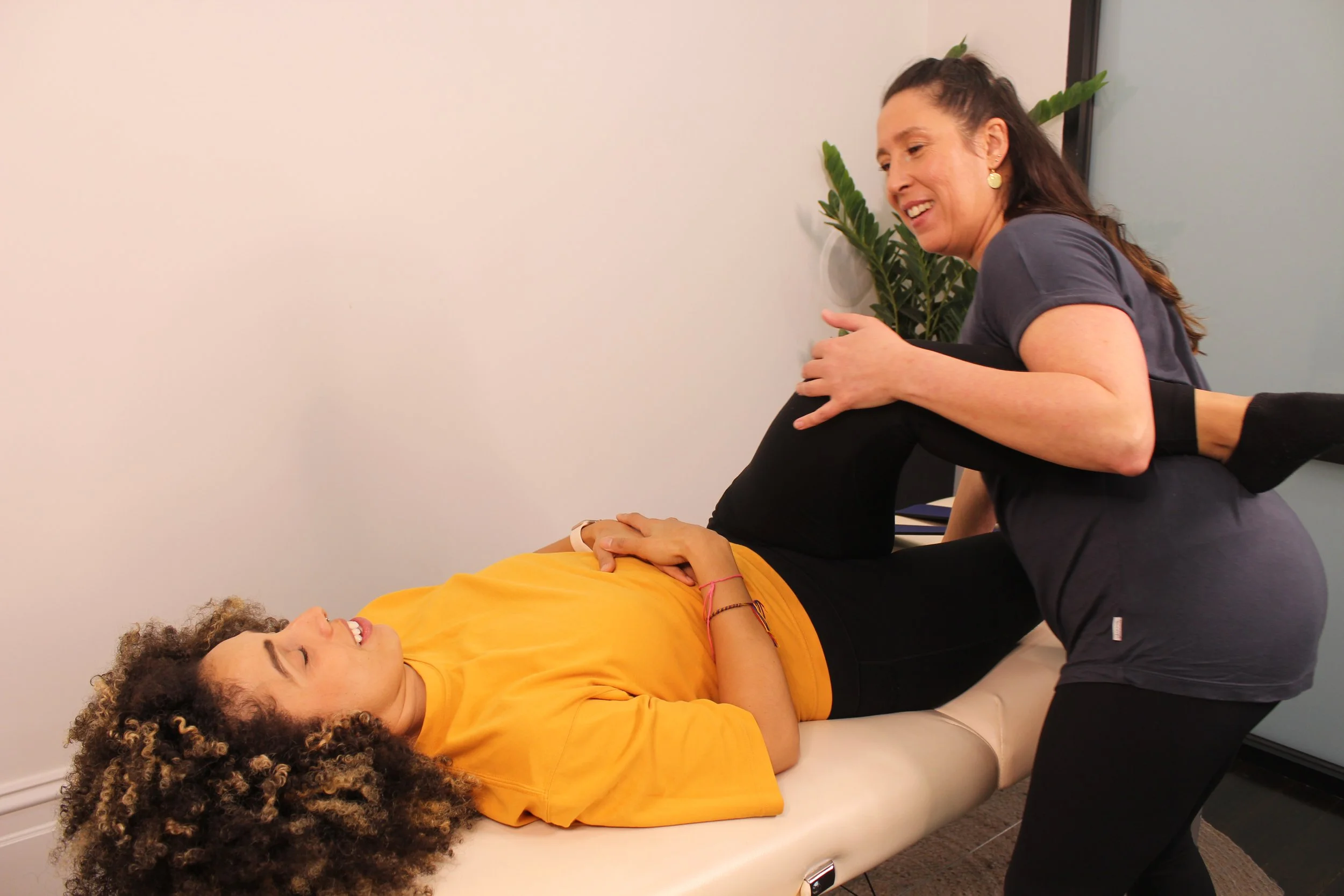
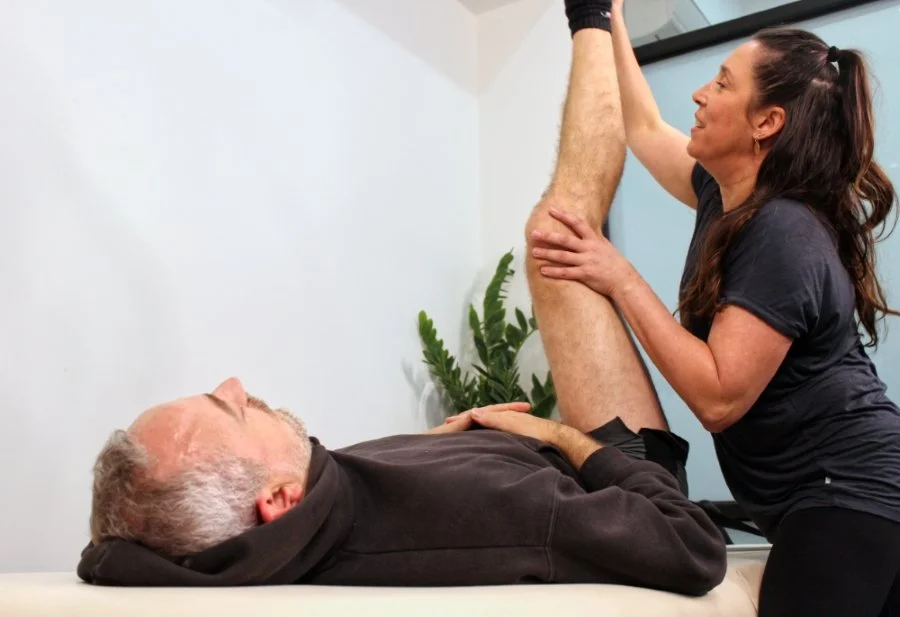
During an assisted stretching session, your therapist supports your body through each movement, working within a safe, comfortable range at every stage — no getting up and down off the floor required, and no guesswork about how far to push.
A Note on Safety
Assisted stretching is gentle and adaptable, but if you have osteoporosis, a recent fracture, a diagnosed joint condition, or any other health concern, please check with your doctor before booking, and let your therapist know beforehand so your session can be tailored appropriately.
How Assisted Stretching Supports Healthy Ageing
Hips and Lower Back
Improving mobility here supports easier movement for everyday tasks like getting up from a chair or bending to pick something up.
Shoulders and Upper Back
Better shoulder mobility supports simple tasks like reaching overhead, getting dressed, or reaching behind you.
Balance-Supporting Areas
Working through the hips, ankles and calves supports the flexibility that underpins steady, confident balance.
Overall Comfort and Ease of Movement
Regular sessions can help reduce the general stiffness that makes daily movement feel more effortful than it should.
Helping a Parent or Loved One Stay Mobile
If you're here on behalf of a parent or older loved one rather than for yourself, you're not alone — a lot of enquiries about healthy ageing support come from adult children looking for ways to help a parent stay active and independent. Assisted stretching can be an approachable option to suggest, since sessions are fully tailored, gentle, and don't require any particular fitness level to get started. Feel free to get in touch to ask questions on their behalf before booking.
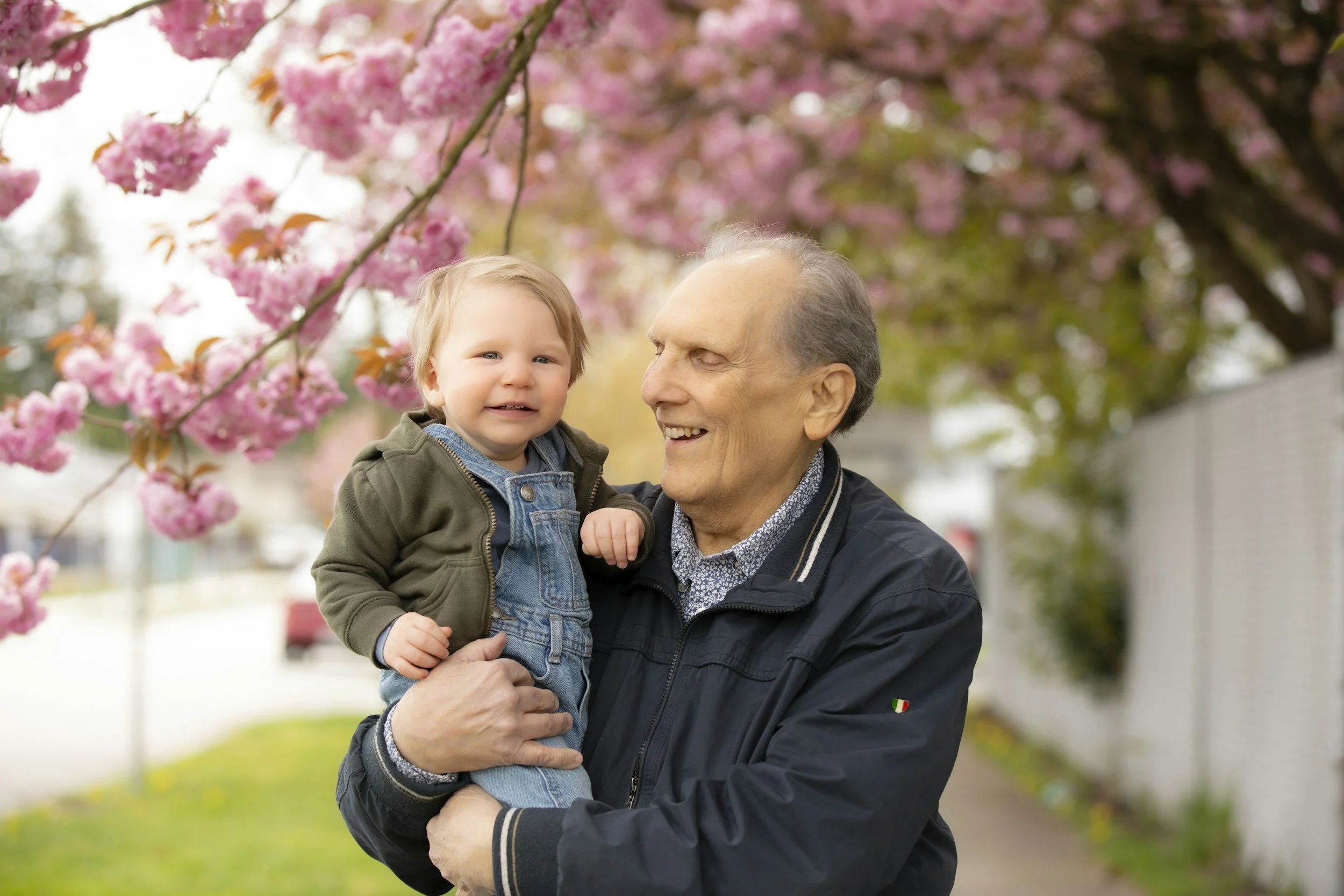
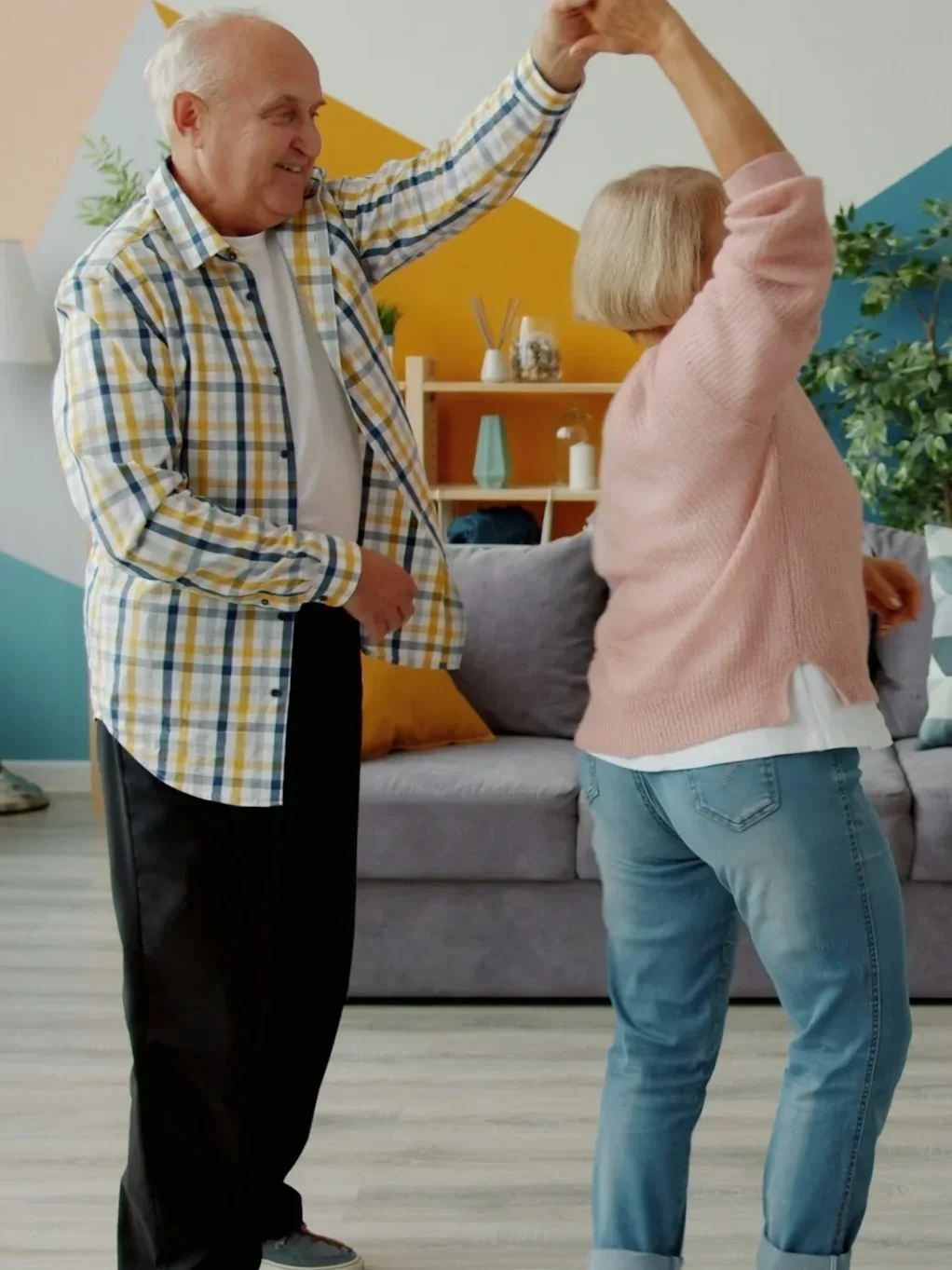
Who can benefit?
Assisted stretching is perfect for people looking to feel better in their bodies, including:
Adults in their 60’s, 70’s and 80’s wanting to stay active
Retirees experiencing stiffness or reduced mobility
Seniors wanting to improve flexibility and balance
People recovering their mobility after inactivity
Older adults with tight hips, shoulders, or back discomfort
Anyone wanting to move more comfortably and confidently
Common goals include:
Improving everyday mobility to stay active
Reducing stiffness and tension
Supporting balance and posture
Staying independent and active
Moving with greater ease and confidence
Healthy Ageing in Northcote & Melbourne
StretchWell proudly services clients across:
Northcote
Brunswick
Fitzroy
Collingwood
As more people prioritise recovery, mobility and long-term movement health, assisted stretching is becoming an increasingly popular part of helping people maintain their mobility as they age.

Our gentle sessions help support healthy movement so you can continue doing the things you love with confidence.
Whatever stage of healthy ageing you're focused on — staying active, supporting your balance, or simply feeling less stiff day to day — StretchWell can help.
FAQs about Healthy Ageing & Mobility
Improve your mobility as you age at StretchWell.
-
Mobility helps you stay independent in daily life—things like walking, getting out of a chair, reaching, and bending.
As we age, staying mobile is one of the biggest factors in maintaining confidence and quality of life. -
Reduced movement often comes from a mix of factors like less physical activity, joint stiffness, changes in muscle elasticity, and spending more time sitting.
It’s not just “getting older”—it’s also about how much we move day to day. -
Yes.
Research shows that older adults can improve flexibility and range of motion with regular, appropriate movement. The body continues to adapt at any age. -
Assisted stretching gently takes the body through safe ranges of motion with support, which can be easier than stretching alone.
It may help improve flexibility, reduce stiffness, and make movement feel more comfortable. -
No.
It’s never too late to improve how you move. Even small, consistent improvements in mobility can make everyday activities easier and help maintain independence. -
Yes — improving flexibility through the hips, ankles and lower back supports better balance and stability, which is a real part of reducing fall risk as you age.
-
Yes — feel free to get in touch with any questions before booking on their behalf, so we can make sure it's a good fit.
-
Assisted stretching is 1:1 and hands-on — your therapist physically guides your body through each stretch, rather than you following a group routine. It works well alongside group exercise, strength work or physiotherapy, not instead of them.
Related Blog Posts