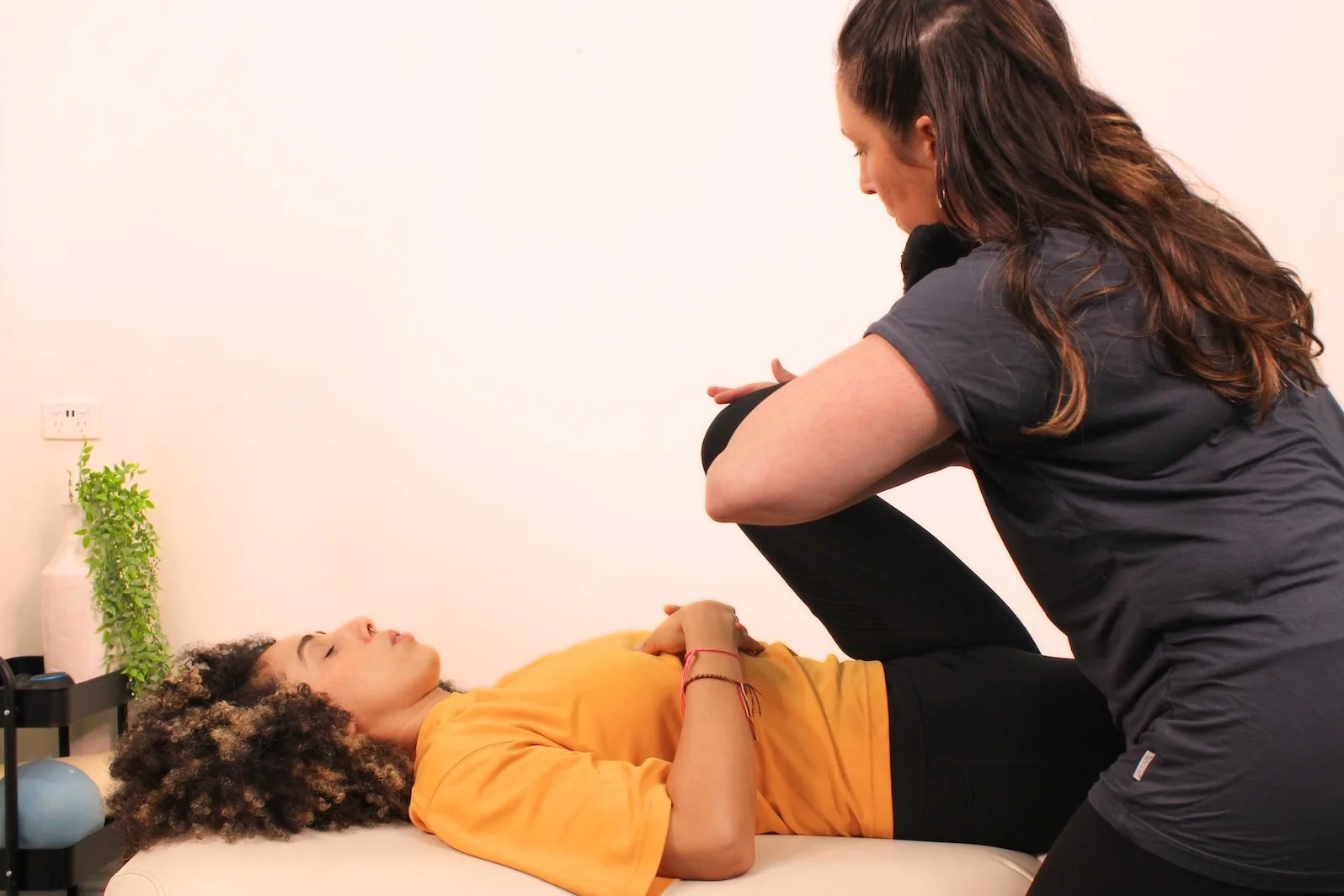
Massage vs Assisted Stretching
Both assisted stretching and massage both can alleviate muscle pains, improve circulation and reduce stress, but what can you get out of an assisted stretch that you can’t get from a massage?
Assisted Stretch Therapy
Myofascial
Release
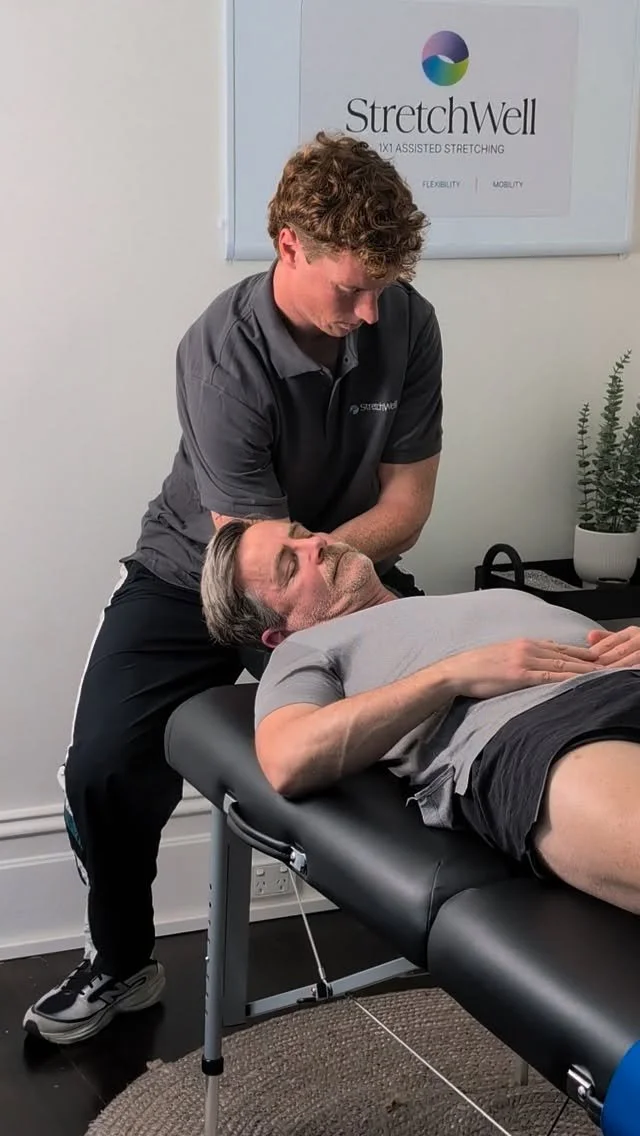
Assisted stretching applies sustained tension that helps reduce stiffness and improve the glide of fascial tissues surrounding muscles.
Enhance
Flexibility
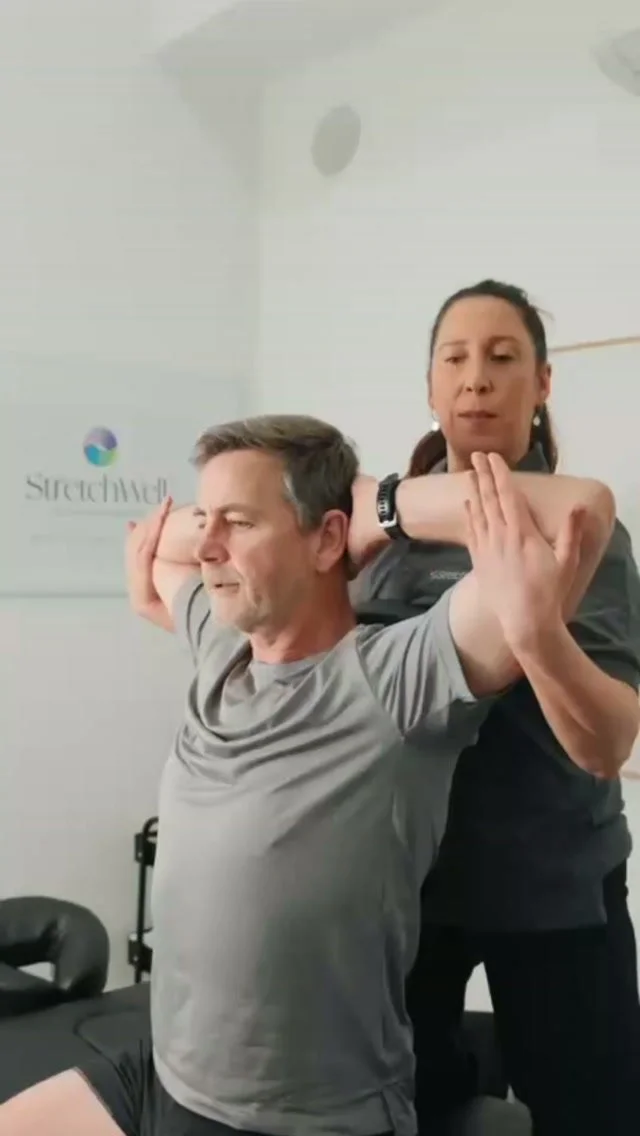
Assisted stretching applies targeted lengthening to muscles while leveraging relaxation reflexes that allow greater tissue extensibility over time.
Accelerated
Sports Recovery
Assisted stretching supports faster muscle recovery by improving flexibility and range of motion, helping ease post-training tightness, and addressing the muscle imbalances that often lead to overuse injuries.
Improve
Joint Range of Motion
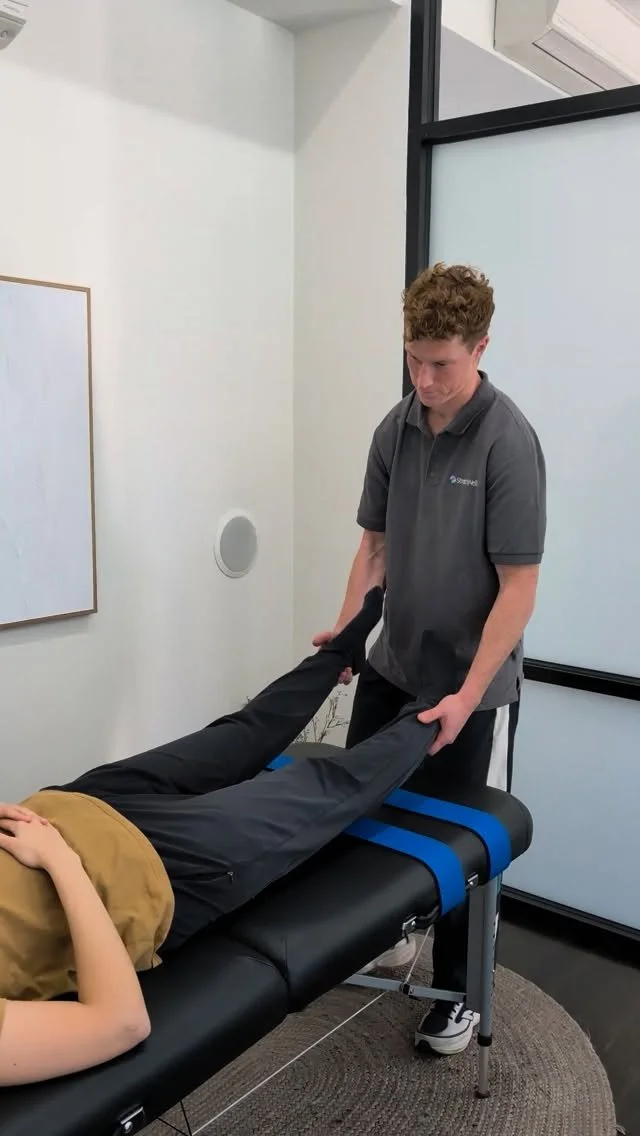
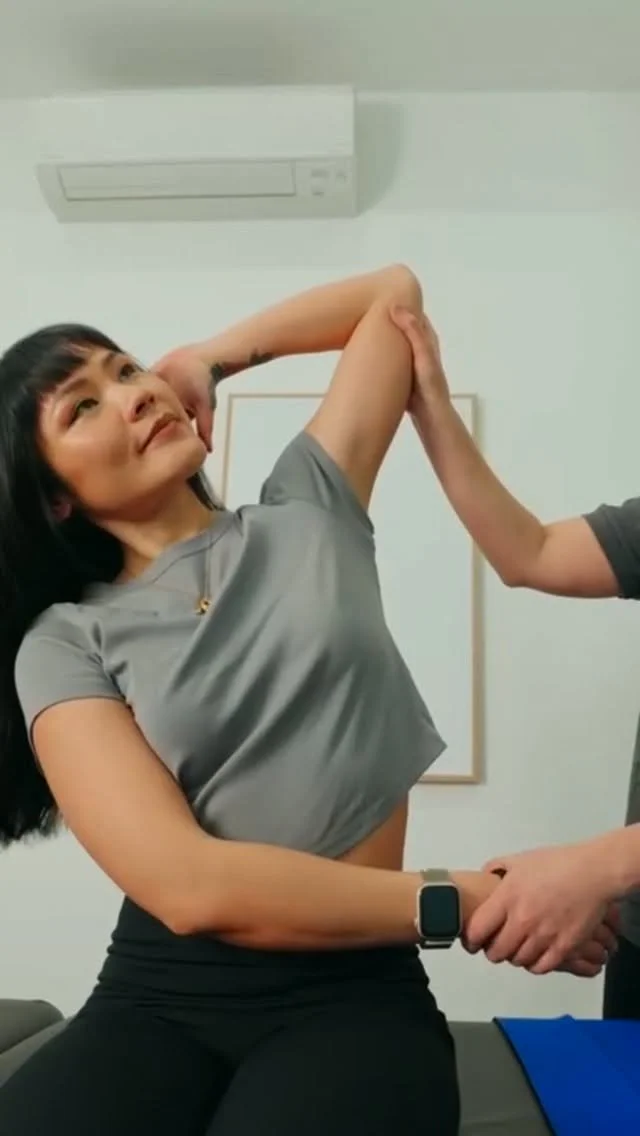
A practitioner actively moves your joints through controlled end ranges to increase mobility and movement capacity.
Massage Therapy
Deep
Relaxation
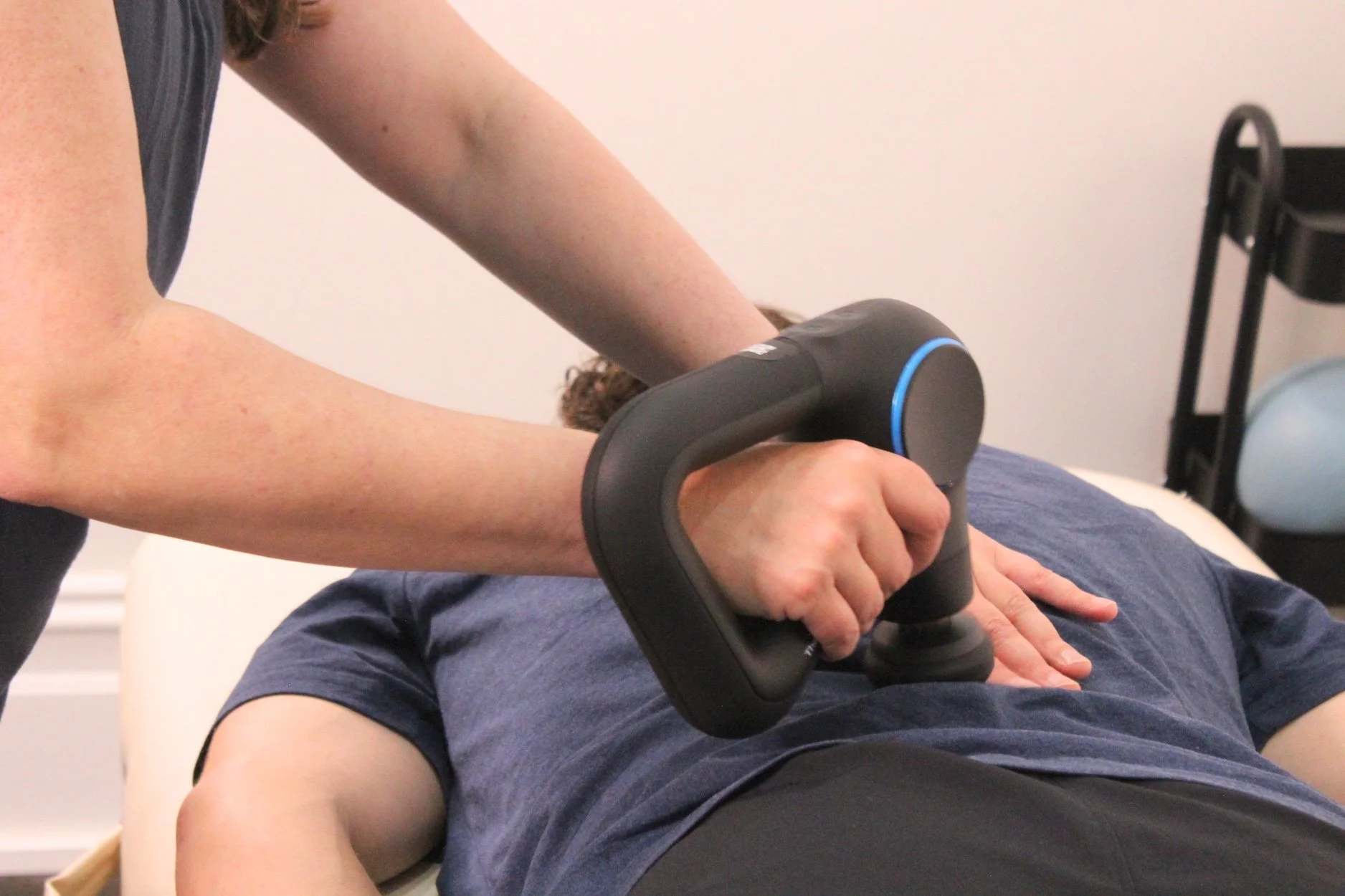
Massage stimulates the nervous system in ways that can reduce stress and encourage a stronger relaxation response throughout the body.
Improves
Soft-Tissue Circulation
Manual pressure and rhythmic strokes increase local blood flow and fluid movement within tissues.
Reduces
Tissue Density
Direct hands-on techniques can help break up areas of thickened or adhered soft tissue.
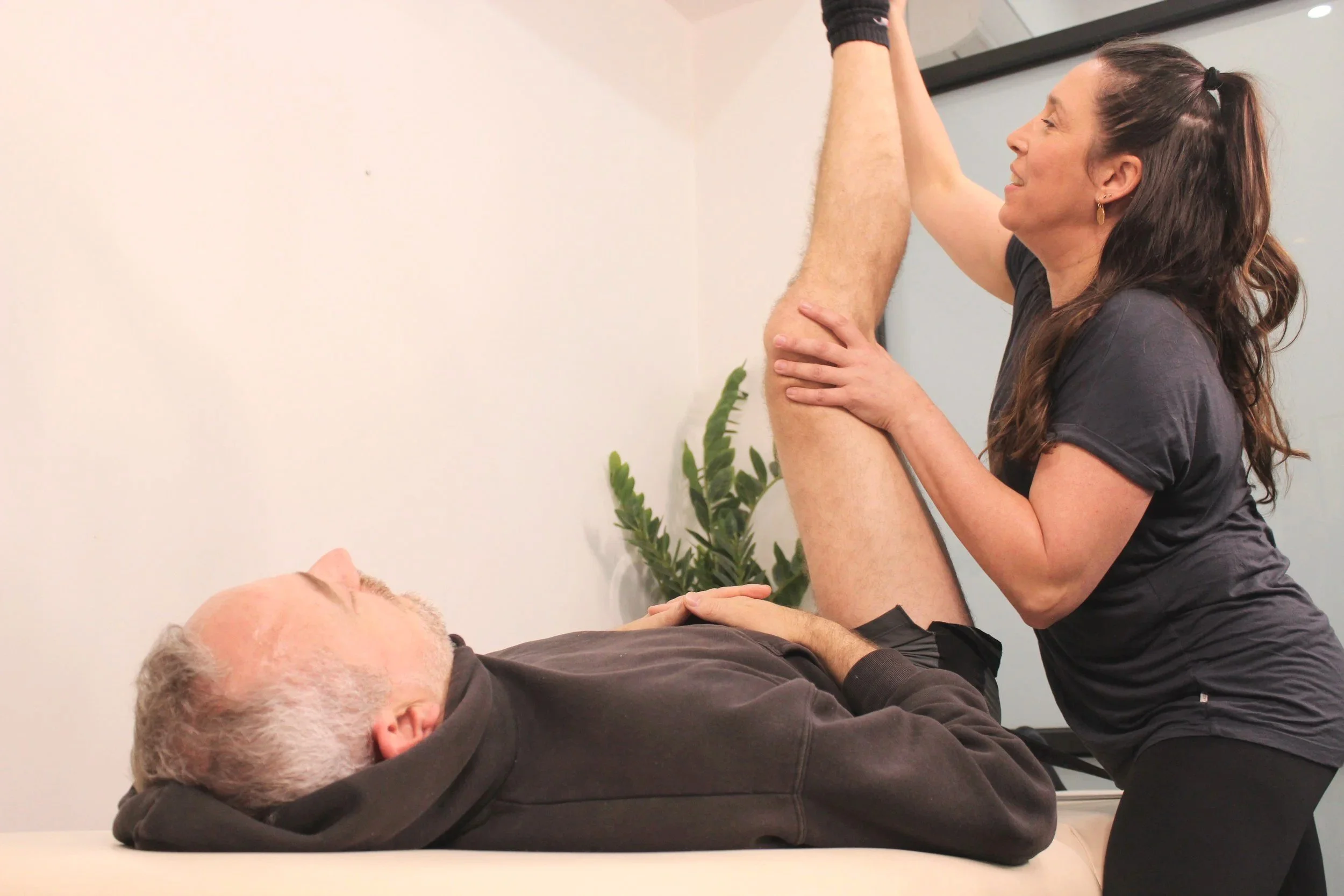
Try assisted stretching today!
Booking your appointment is simple, and our team is ready to provide the attention, care, and expertise you deserve. Let’s get started—pick a time that works for you.
FAQs about Massage vs Stretch Therapy
Still have questions? Take a look at the FAQ or reach out anytime.
-
Massage focuses on reducing muscle tension and promoting relaxation through pressure and soft tissue work.
Stretch therapy focuses on moving your muscles and joints through a greater range of motion to improve flexibility and mobility. -
Neither is “better”—they do different things.
Massage is great for relaxation and easing soreness, while assisted stretching is better suited for improving flexibility and how freely your body moves. -
“Tightness” isn’t always just muscle tension.
Massage can help reduce the feeling of tightness, while stretching can help improve how much range of motion your body has over time. -
Massage is often used as-needed for recovery or relaxation.
Assisted stretching tends to work best when done regularly, because flexibility improvements come from consistent exposure to end ranges of motion. -
Yes. Improved flexibility and mobility can make daily activities like bending, squatting, reaching, and exercising feel easier and less restricted.
“I felt great afterwards! So limber and relaxed.”
Follow Us on Social Media