Assisted Stretching for Runners: Improve Performance and Prevent Injury

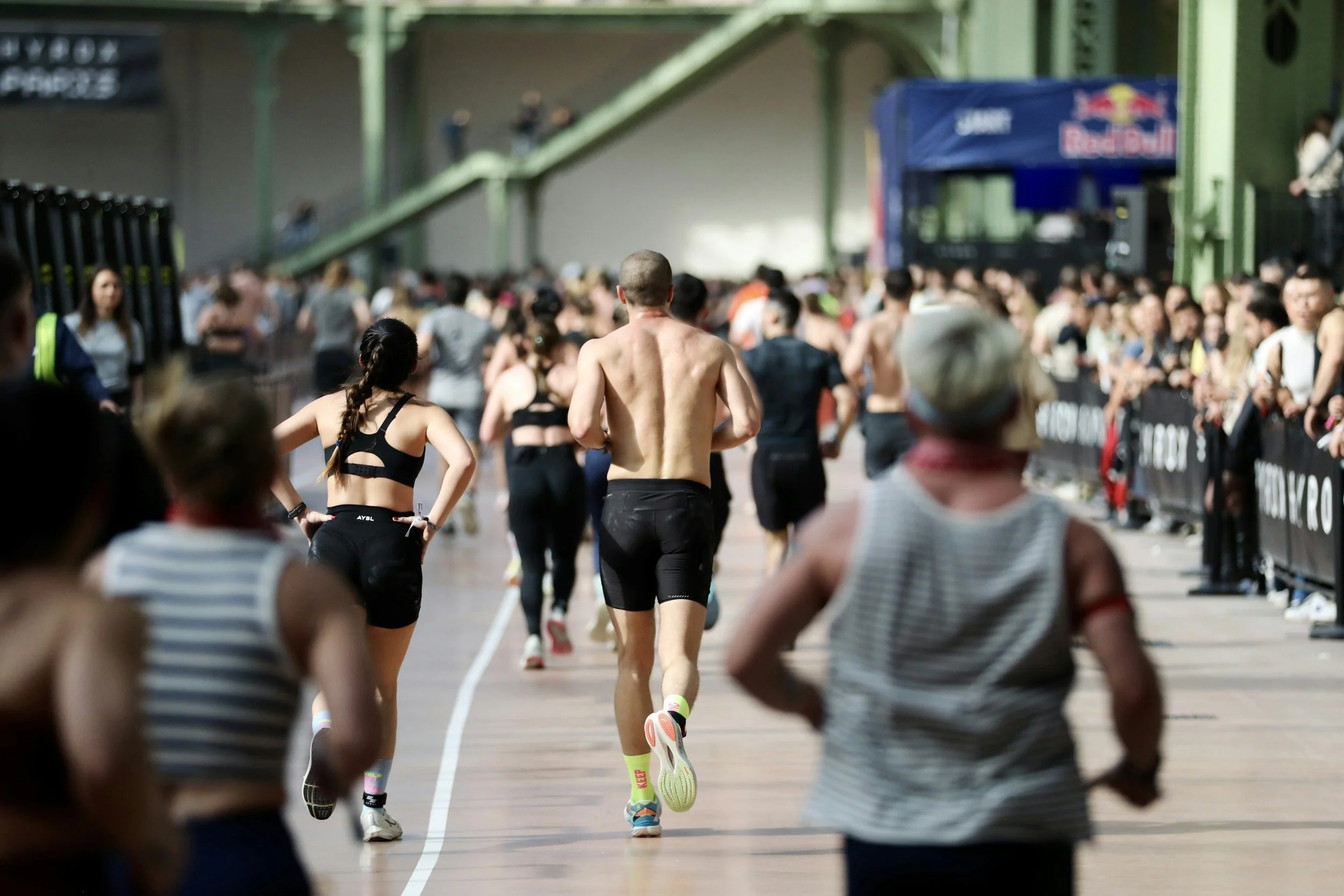
Running is one of the most accessible forms of exercise — no gym membership required, just a good pair of shoes and the road (or trail) ahead. But the repetitive nature of running that makes it so simple also makes it uniquely hard on the body. The same muscles fire in the same patterns, thousands of times per run, and over weeks and months that repetition adds up.
Can assisted stretching help runners? Yes — assisted stretching can help runners improve flexibility and range of motion, ease post-run muscle tightness, and address the tight hips, hamstrings and calves that commonly contribute to running injuries. It's not a replacement for strength training or proper injury management, but it's a genuinely useful part of a well-rounded running routine.
Whether you're training for Run Melbourne, building toward the Melbourne Marathon Festival, doing weekly laps of the Tan, or simply running a few times a week to stay fit, this guide covers how assisted stretching fits into a runner's training and recovery.
Why Runners Are So Prone to Tightness
Running is a repetitive, single-plane movement. Unlike sports that involve constant changes of direction, running loads the same muscles — hip flexors, hamstrings, glutes, calves — through a similar pattern, stride after stride.
This repetition is efficient for building running-specific fitness, but it also means imbalances and tightness can build up quickly if they're not addressed. It's a big part of why overuse injuries are so common among runners: research following runners over a two-year period found that a majority of both women and men experienced at least one overuse running injury during that time.
The Areas That Tend to Tighten Up Most
Hip flexors — shortened from the repetitive forward drive of the running stride, and often made worse by long hours sitting at a desk between runs
Hamstrings — worked hard through every stride, and prone to tightness or strain, particularly during faster running
Calves — absorb significant load with every foot strike, especially on hills or during speed sessions
Glutes — can become underactive and tight simultaneously, changing how the pelvis and lower back move
IT band — a common site of overuse tightness, particularly in runners increasing their weekly mileage
What the Research Actually Says
It's worth being upfront here, rather than just telling you stretching fixes everything. Hip pain is a genuinely common complaint among runners — some research estimates it affects roughly one in ten runners at some point in their training. Tight hip flexors are frequently linked to this, since when they're overworked and shortened, they can tilt the pelvis and place extra strain on the lower back and hips.
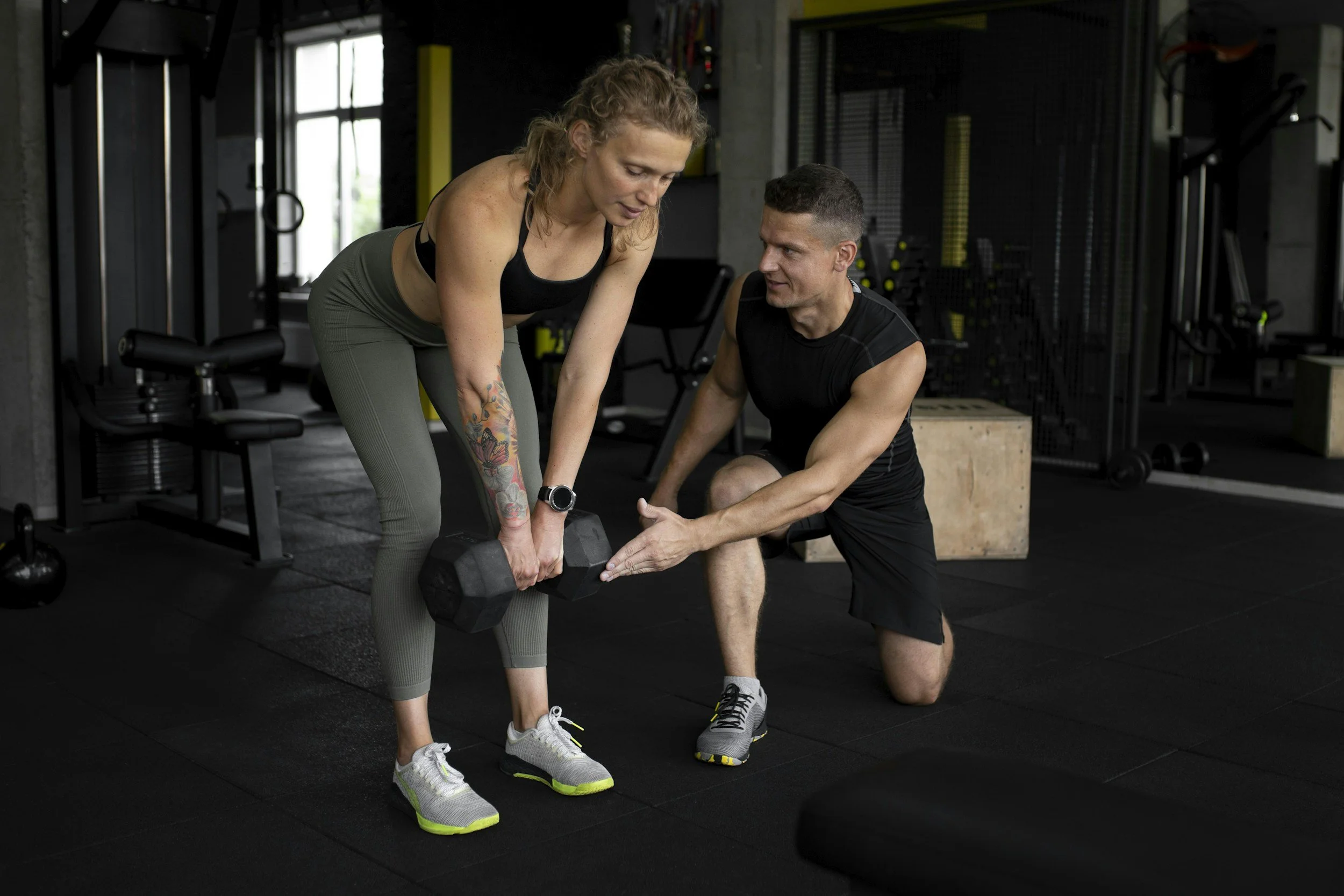
At the same time, some research suggests that "tight" hip flexors are often as much about weakness and poor endurance as they are about muscle shortness — meaning stretching works best alongside strength work, not as a stand-alone fix. If your goal is long-term injury prevention and better running performance, the most effective approach combines flexibility work like assisted stretching with targeted strength training, not one or the other.
Hamstring injuries in particular tend to occur during a very specific moment in the running gait — deep hip flexion combined with a straightening knee, right at the end of the leg's forward swing. Keeping the hamstrings supple and well-conditioned through regular stretching is one part of managing that risk.
How Assisted Stretching Is Different From Stretching on Your Own
Most runners already stretch to some degree — a few hamstring reaches after a run, maybe a hip flexor lunge before heading out the door. The problem is that self-stretching has real limits:
It's easy to rush through it, especially straight after a hard run when you're tired and just want to get home
Some areas — like the hip flexors and glutes — are genuinely difficult to isolate and stretch effectively on your own
Without guidance, it's hard to know whether you're actually reaching the muscle that needs the work, or compensating through somewhere else
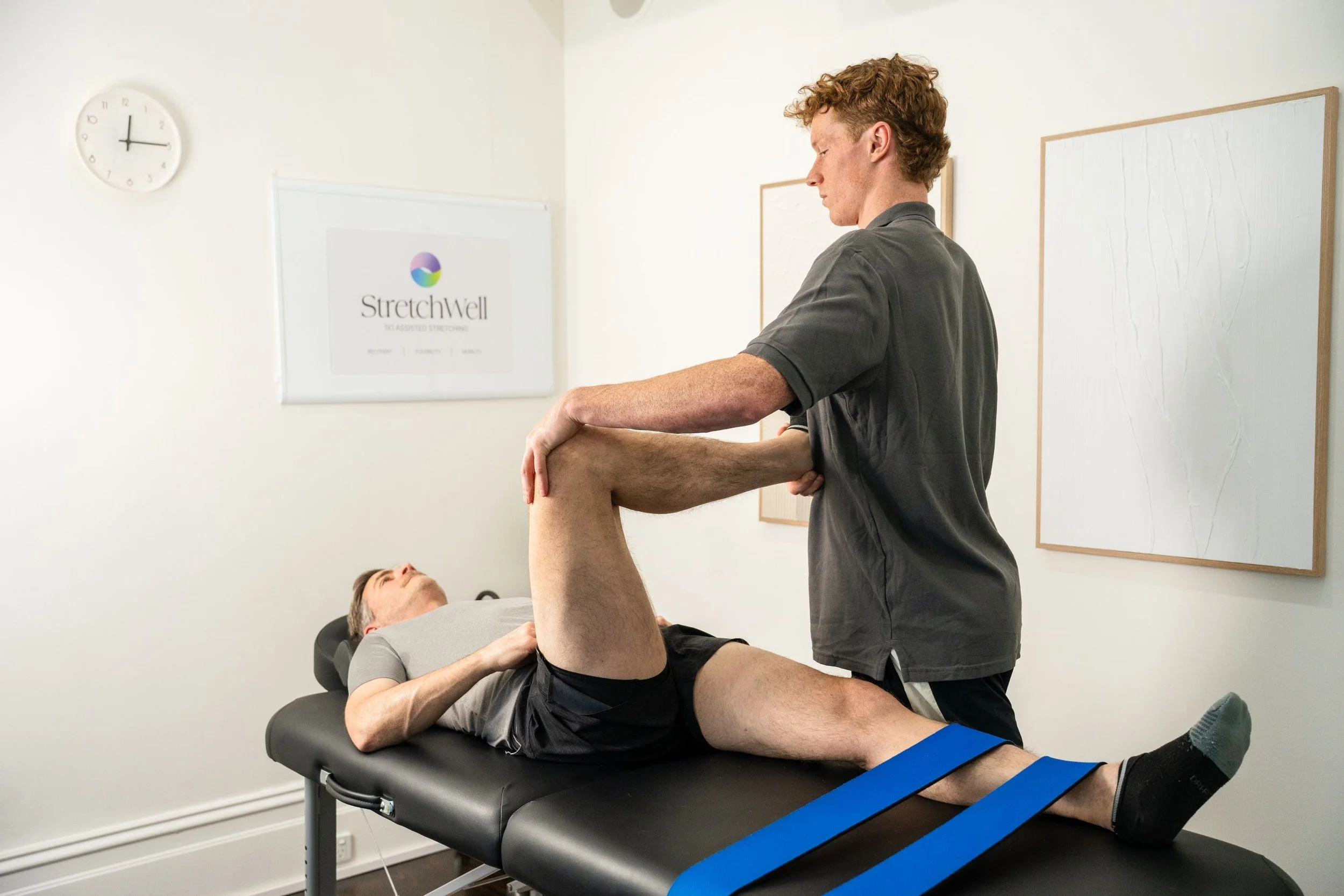
Assisted stretching solves each of these. During a session, your therapist physically guides your body through a series of positions tailored to your training and tight spots, while you simply relax. This allows for a deeper, more targeted stretch than most people can achieve alone — and because your therapist is doing the work, there's no risk of you rushing it or cutting corners the way you might solo.
How Assisted Stretching Supports Your Running
Improved Range of Motion Through the Hips
Better hip mobility supports a fuller, more efficient stride, which can help reduce the compensations that lead to overuse injuries elsewhere in the body.
Faster Recovery Between Sessions
Regular assisted stretching can help ease post-run stiffness, which matters if you're running multiple times a week or building toward an event.
Addressing Tight Spots Before They Become Injuries
Many running injuries build up gradually from tightness that goes unaddressed for weeks or months. Regular sessions give you a chance to catch and release that tension before it turns into pain.
Support Around Training Blocks
Assisted stretching can be woven into your training in a few ways: in the lead-up to a race or big training block to help identify restrictions early, during heavy training weeks to keep tightness under control, and after an event to help ease the inevitable post-race stiffness.
Who Assisted Stretching Is Useful For
Runners training for their first 5km or building toward a half or full marathon
Regular parkrun participants looking to run more comfortably week to week
Runners returning from a break or increasing their mileage
Anyone noticing recurring tightness in the same area — hips, hamstrings or calves in particular
Runners who sit at a desk for much of the day and notice extra stiffness when they run
Getting Started
If you're new to assisted stretching, a session typically starts with a conversation about your training — how often you run, what distances, and where you tend to feel tight or restricted. From there, your therapist tailors the session to your specific needs, whether that's a broader full-body approach or something more targeted to a particular problem area like tight hips or hamstrings.
Ready to run stronger and recover faster?
Related Posts