How to Improve Flexibility (Even If You're Naturally Tight)
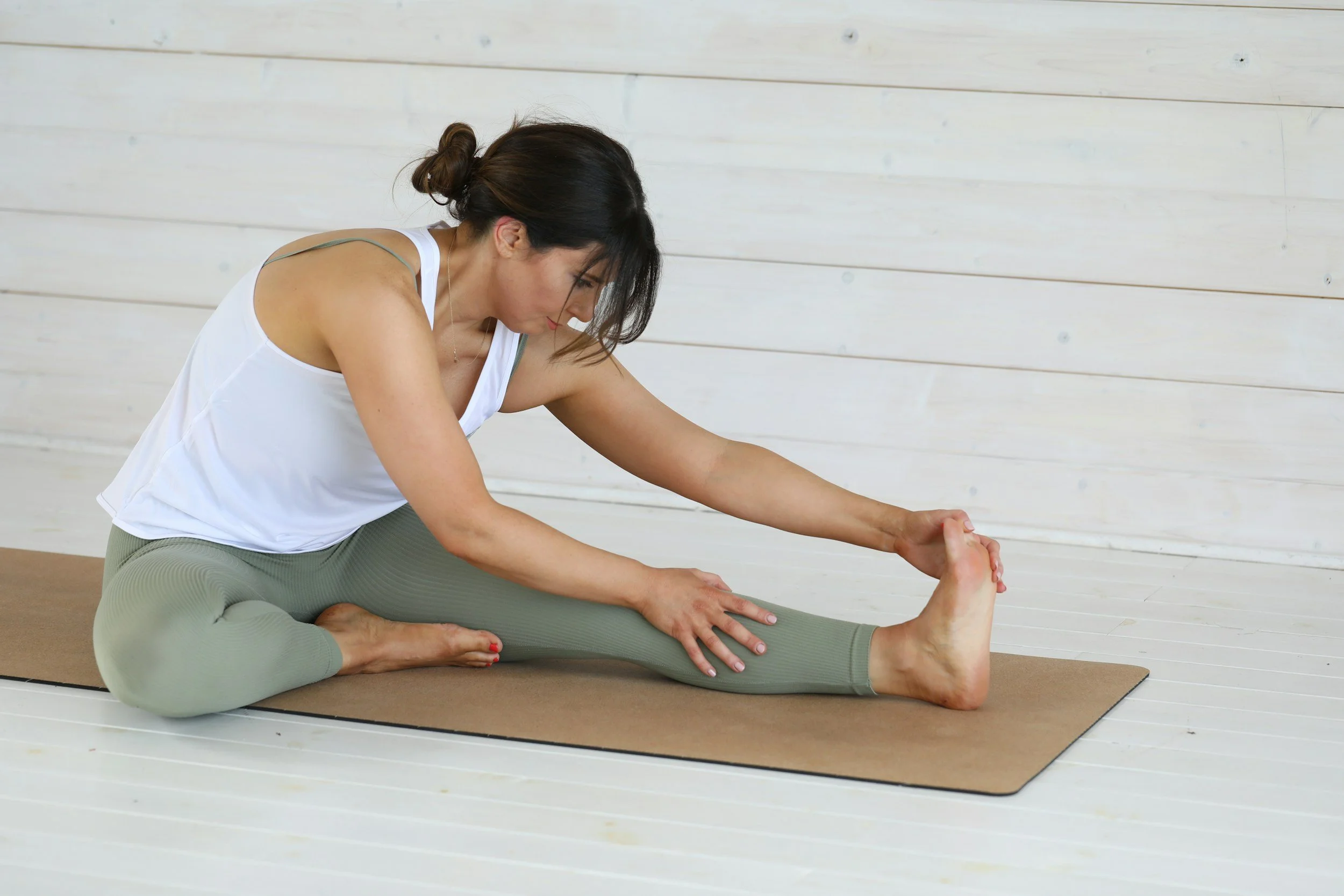
If you've spent your whole life being "the inflexible one" — the person who can't touch their toes, who sits out the deep stretches in yoga class, who's been told to just "stretch more" without much improvement to show for it — you're not imagining it, and you're not doing something fundamentally wrong. Flexibility does vary from person to person, and understanding why is the first step to actually improving it.
Mobility and flexibility training has become one of the more prominent fitness trends of the past couple of years — the American College of Sports Medicine's 2026 trends survey points to rising interest in mobility-focused training, with participation in yoga, Pilates and mobility classes up 27% between 2022 and 2024. If you've been meaning to jump on that trend but assumed your body just "isn't built for it," here's what's actually going on, and what helps.
Why Some People Are Naturally Tighter Than Others
Flexibility isn't purely a matter of effort. A few different factors affect how tight or loose your body tends to be:
Resting Muscle Tone
Everyone's muscles have a baseline level of tension, even at rest. Some people naturally sit higher on this scale than others, which shows up as feeling "tight" even without any specific injury or issue.
Genetics
Your genetic makeup plays a real role in your natural flexibility, including how your joints and connective tissue are built. This is part of why some people seem to stretch further with barely any effort, while others work hard for smaller gains.
Joint Structure
The shape and structure of your joints themselves can limit range of motion in ways that are simply part of your anatomy, separate from muscle tightness.
Age and Activity Level
Flexibility naturally decreases with age without regular movement, and a sedentary lifestyle compounds this — sitting for long periods keeps muscles in shortened positions, particularly through the hips and hamstrings. This is particularly noticeable in office workers.
Past Injury or Scar Tissue
Previous injuries can create real structural restrictions in soft tissue, which behave differently to everyday muscle tightness and often need a professional assessment rather than just more stretching.
Understanding which of these applies to you matters, because the advice that works for "I've never stretched much" is different to the advice for "I've stretched consistently for months and barely see a change."
Flexibility vs. Mobility — They're Not the Same Thing
These two get used interchangeably, but they're actually different: flexibility is how far your muscles and connective tissue can stretch, while mobility is how well your joints move through their full range, pain-free. Good mobility relies on good flexibility, but you can be flexible in one area and still have poor mobility if the joint itself doesn't move well — which is part of why some people stretch for months and still feel "stuck" in certain movements.
What Actually Improves Flexibility
Consistency Beats Intensity
Stretching for 20 minutes once a week is far less effective than 5–10 minutes most days. Flexibility responds to regular, repeated signals to your nervous system that a range of motion is safe — not to occasional, intense sessions.
Ease Into It, Don't Force It
One of the most common mistakes is pushing into a stretch until it hurts, assuming more discomfort means more progress. It doesn't — a stretch that pinches or actually hurts tends to trigger your body's protective reflex to tighten up, working against you rather than for you. Aim for mild discomfort, not pain.
Warm Up First
Stretching cold muscles is both less effective and slightly riskier than stretching after a short warm-up — even a brisk five-minute walk makes a real difference to how your body responds.
Use Dynamic Stretching Alongside Static Holds
Dynamic, movement-based stretching (like leg swings or walking lunges) is a great complement to traditional static holds, and particularly useful as a warm-up before activity, while static stretching tends to suit post-activity or standalone sessions better.
Target the Areas That Tend to Tighten Most
For most people — especially those with desk jobs — the hips and hamstrings hold the most tension, along with the chest and shoulders from hours of screen time. Focusing extra attention here tends to produce the most noticeable everyday improvements.
Stay Consistent for Weeks, Not Days
Most people see initial improvement within a week or two of consistent stretching, but meaningful, lasting change in flexibility typically takes a few weeks of regular practice — and those gains fade again if you stop.
Why Some People Plateau Even When They're Doing Everything Right
This is the part most flexibility guides skip over: if you're stretching consistently, easing in properly, and still feel stuck, the missing piece often isn't effort — it's that your nervous system, not just your muscle length, is setting the limit.
Your body has a built-in protective response that resists stretching past a range it perceives as unfamiliar or unsafe, regardless of how flexible your muscle tissue actually is. This is a big part of why self-stretching has a ceiling: it's difficult to fully relax into a deep stretch while you're also the one holding your own position, bracing, and controlling the movement. Your nervous system stays partly "on guard" the whole time.
This is also where naturally tight people often get frustrated — they're doing the stretches, doing them consistently, and still hitting the same wall. It's rarely a sign you're failing at stretching. It's a sign you've reached the point where self-stretching's structural limitation, not your effort, is the bottleneck.
Where Assisted Stretching Fits In
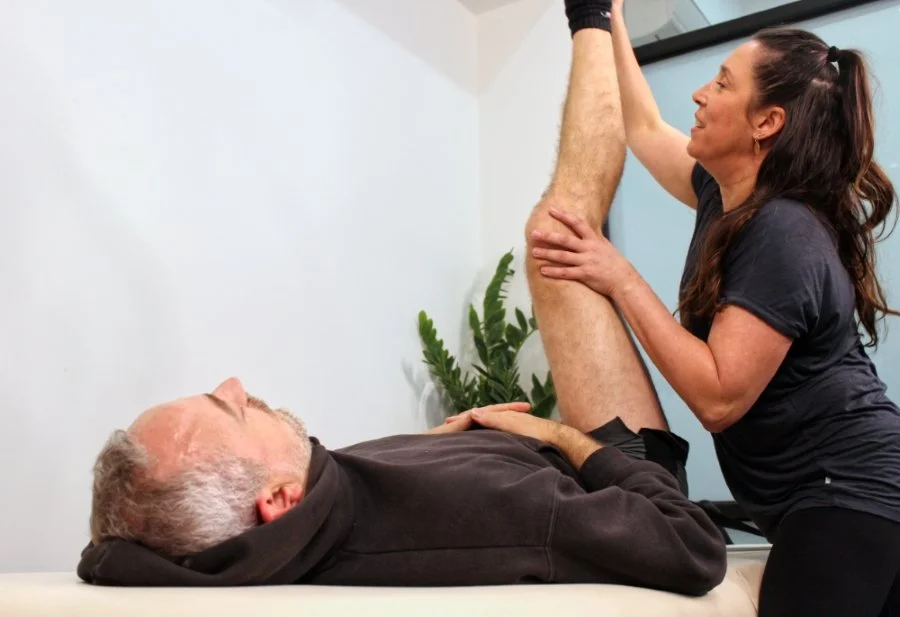
This is exactly the gap assisted stretching is built to close. Because a trained therapist controls the depth, angle and pacing of each stretch, you're able to properly relax rather than bracing yourself — which allows your nervous system to settle and permit a deeper, safer range of motion than most people can access alone, no matter how consistent their solo stretching routine is.
At StretchWell, sessions often incorporate Proprioceptive Neuromuscular Facilitation (PNF) — a technique combining brief muscle contractions with assisted stretching — specifically because it works with, rather than against, the nervous system's role in flexibility. For naturally tight clients in particular, this tends to produce noticeably different results to stretching alone, since it addresses the actual limiting factor rather than just repeating the same self-stretch with more patience.
If you've been consistent with stretching on your own and hit a plateau — particularly through tight hips, tight hamstrings, or a stiff neck and shoulders from desk work — this is often the missing piece, not a sign to try harder at what you're already doing.
A Note If You're Dealing With Pain, Not Just Tightness
Everything above is about everyday tightness and flexibility limits. If what you're dealing with is closer to real pain — particularly anything with a sciatic, nerve-related quality running down your leg, or knee discomfort that limits how you move day to day — that's a different situation to ordinary tightness, and worth getting properly assessed rather than treating as a flexibility problem to stretch your way out of.
Getting Started
Whether you're brand new to stretching or you've been consistent for months without the results you'd expect, the approach is the same: be consistent, ease in rather than force it, and target the areas — usually hips, hamstrings, chest and shoulders — that hold the most everyday tension. If you've done all of that and still feel stuck, that's the point where assisted stretching tends to make the biggest difference.
Book an assisted stretching session at StretchWell in Northcote and find out what's actually possible for your body.
FAQs
Can naturally tight people actually become flexible? Yes. Genetics and joint structure set a starting point, not a ceiling — consistent, well-paced stretching improves flexibility for almost everyone, though the rate and ceiling of improvement varies person to person.
Why am I still tight even though I stretch every day? This is often about your nervous system's protective response, not a lack of effort. Self-stretching makes it hard to fully relax into a position while also holding it yourself, which can cap how much range of motion you're able to access alone.
What's the difference between flexibility and mobility? Flexibility is how far your muscles and tissue can stretch; mobility is how well your joints move through their full range, pain-free. Good mobility depends on flexibility, but the two aren't identical.
How often should I stretch to see results? Most people notice initial changes within a week or two of stretching most days, with more lasting improvement building over several weeks of consistent practice.
Should stretching ever hurt? No — mild discomfort is normal, but sharp pain or pinching usually means you're pushing too far, which can work against your progress rather than helping it.
How is assisted stretching different from stretching on my own? A therapist controls the depth, angle and pacing of each stretch while you relax, allowing your nervous system to properly settle — something that's difficult to replicate while stretching yourself.
Related Posts