Assisted Stretching for Stress and Nervous System Regulation
If you've spent any time on social media lately, you've probably seen "nervous system regulation" show up everywhere — vagus nerve hacks, somatic release videos, breathing techniques promising to calm you down in minutes. Underneath the trend, there's real science, and stretching has a real, if often overlooked, place in it.
Can assisted stretching help with stress? Yes — slow, guided stretching can help activate your parasympathetic nervous system (the "rest and digest" side of your nervous system), which is linked to lower stress hormone levels and a calmer physical state. It works alongside other evidence-based calming techniques like breathing exercises and progressive muscle relaxation, rather than replacing them, and it's particularly useful for releasing the physical tension that stress tends to leave behind in the body.
What "Nervous System Regulation" Actually Means
Your autonomic nervous system has two main modes: sympathetic (fight-or-flight, activated during stress or exertion) and parasympathetic (rest-and-digest, activated when your body senses safety and calm). Chronic stress tends to leave people stuck leaning toward the sympathetic side more often than is healthy, which is where the idea of "regulation" comes in — deliberately using techniques that help shift the balance back toward parasympathetic activity.
Much of the current research and public interest centres on the vagus nerve, the longest cranial nerve in the body, which plays a central role in this shift. Research has linked vagal tone (how responsive your vagus nerve is) to stress hormone regulation, and studies have shown vagus nerve stimulation techniques can measurably reduce stress markers. "Polyvagal theory," a framework popularised in this space, offers one influential way of understanding how the nervous system moves between states of safety, stress and shutdown — it's widely discussed in wellness and therapy circles, though it's worth knowing it's an evolving theoretical framework rather than settled physiological fact.
How Stress Shows Up in Your Body
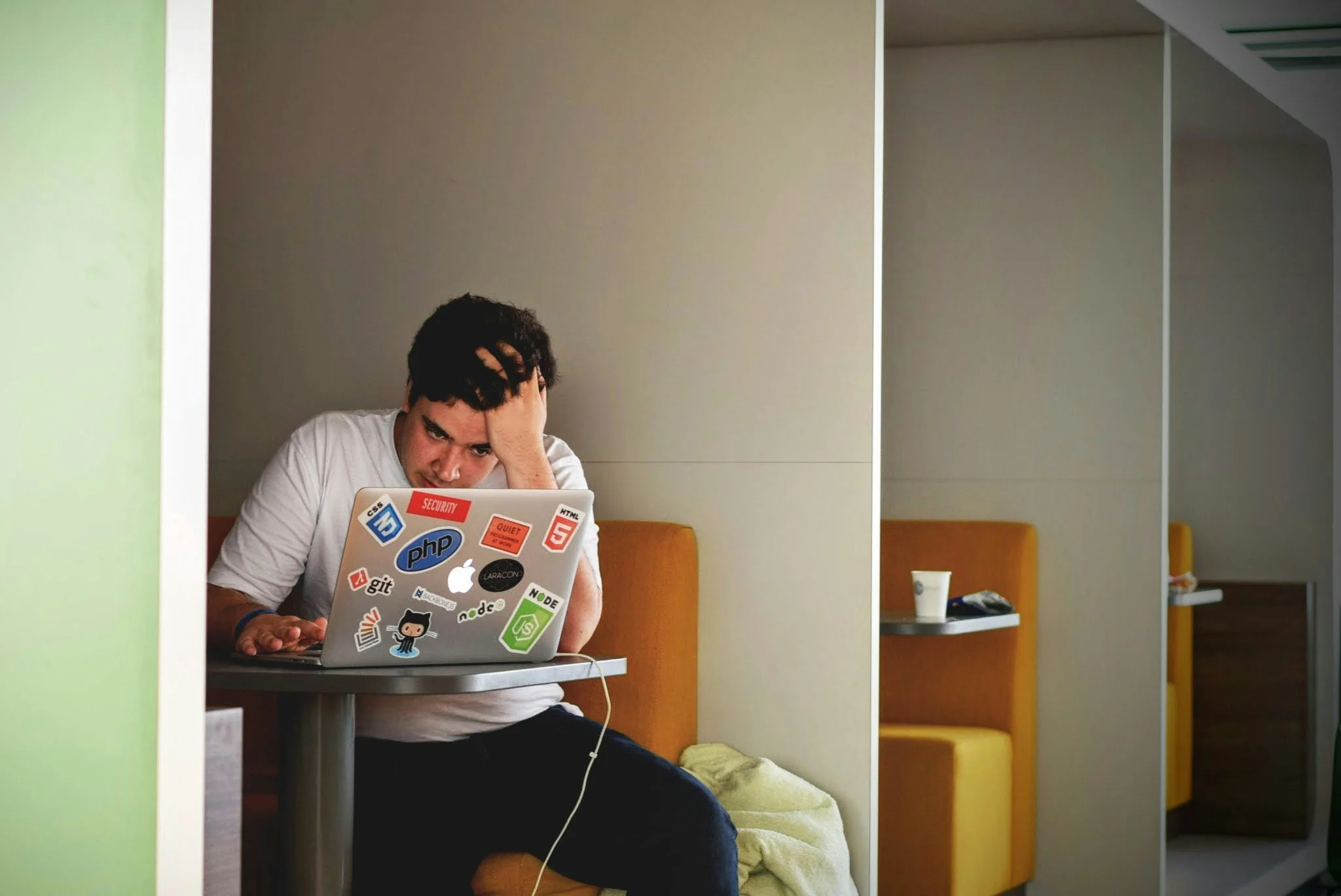
Stress rarely stays purely mental. It commonly shows up as physical tension, particularly through the:
Neck and shoulders — one of the most common places people report holding stress, often described as feeling permanently "hunched" or tight
Jaw — stress-related jaw clenching is extremely common, especially overnight
Hips — somatic and physical therapy literature frequently discusses the hip flexors as a site where stress and tension accumulate, sometimes linked to the psoas muscle's connection to the body's stress response
Lower back — chronic tension through the hips and core often shows up as lower back tightness
This is part of why purely mental approaches to stress (thinking your way out of it) often fall short on their own — the body holds onto tension patterns that need a physical release, not just a mental one.
What the Research Says About Physical Techniques for Calming the Nervous System
A growing body of research points to several accessible, physical techniques that appear to support parasympathetic activation and vagal tone:
Slow, controlled breathing — counting through slow inhales and exhales is one of the most well-supported techniques, with research showing measurable effects on stress and wellbeing
Humming and vocalisation — the vagus nerve runs close to the vocal cords, and simple humming has been studied as a way to stimulate it
Progressive muscle relaxation — deliberately tensing and then releasing muscle groups, an evidence-based technique recommended by Beyond Blue for managing stress and anxiety symptoms
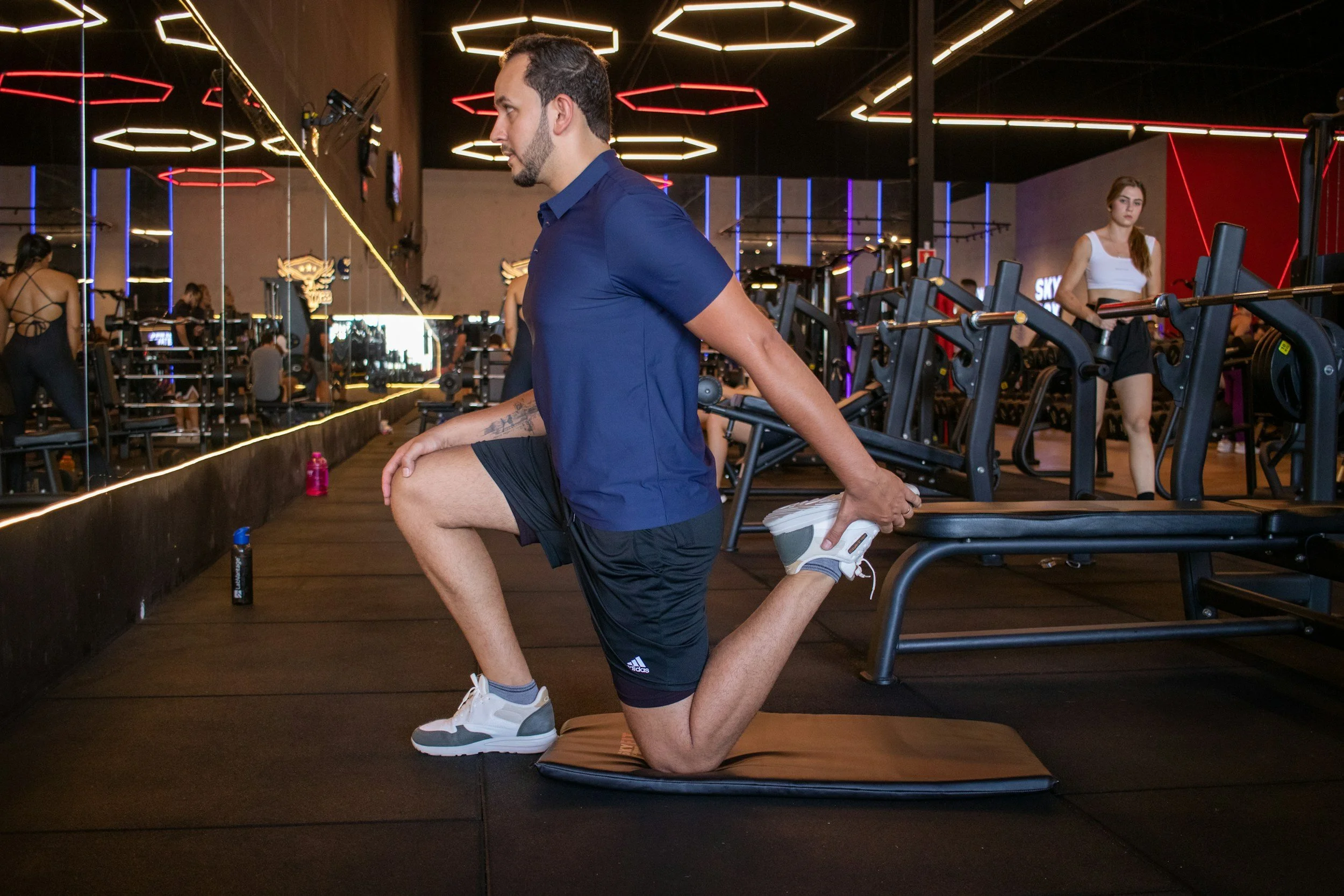
Slow, mindful movement — including yoga, gentle stretching, and similar practices, which combine physical release with the calming effects of slow, deliberate movement
Stretching sits naturally alongside these techniques rather than as something separate — the combination of slow movement, controlled breathing, and physical release of tension all point in the same direction: toward the parasympathetic, rest-and-digest state.
Why Assisted Stretching in Particular May Help
Self-directed stretching can absolutely help with everyday tension, but there's a specific limitation worth understanding: it's hard to fully enter a relaxed, parasympathetic state while you're also the one holding your position, monitoring your form, and doing the physical work. Your nervous system stays at least partly "on," even during a stretch meant to help you unwind.
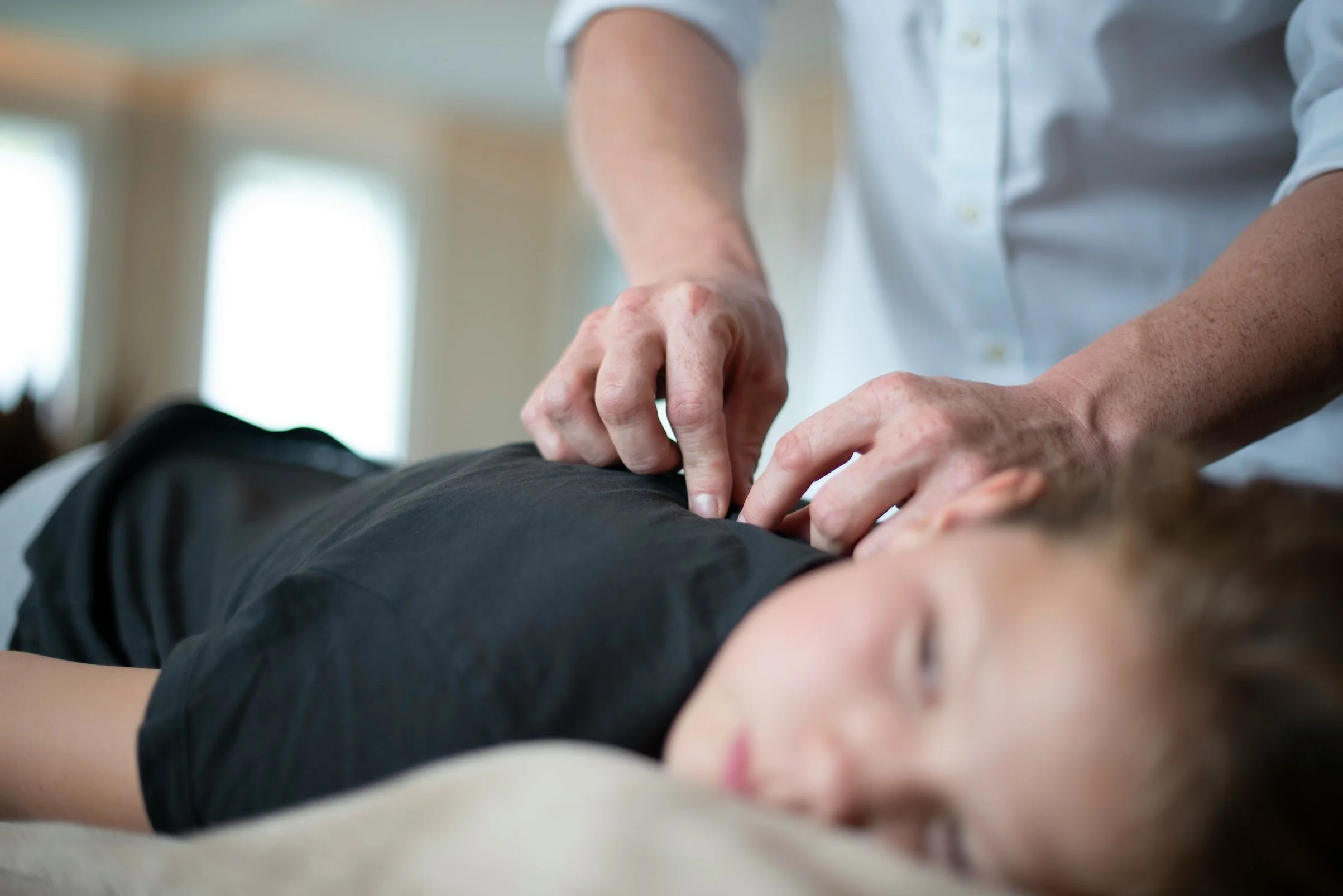
During an assisted stretching session, your therapist supports and moves your body through each position, meaning you don't have to do or control anything. This is a meaningfully different physical (and nervous system) experience to stretching alone — you're able to properly let go, both physically and mentally, in a way that's difficult to replicate solo. Combined with the slow, controlled pacing of assisted stretching, many clients describe sessions as feeling closer to a guided relaxation practice than a typical workout.
What This Looks Like in a Session
At StretchWell, this isn't a separate "relaxation add-on" — it's built into how every session works. Sessions are slow and controlled by design, your therapist checks in throughout so there's no pressure to perform or push, and many clients find the experience itself, not just the physical outcome, deeply calming. If stress is showing up for you as tightness through the neck, shoulders or hips specifically, your therapist can focus the session there.
A Note on When to Seek Extra Support
Stretching and other physical techniques can be a real, helpful part of managing everyday stress, but they're not a substitute for professional support if you're dealing with ongoing anxiety, depression, or stress that's significantly affecting your life. Beyond Blue (1300 22 4636) offers free, confidential support, and healthdirect's helpline (1800 022 222) can help you find the right next step if you're not sure where to start.
Ready to Try It?
Whether you're dealing with everyday tension or just want to build a truly calming habit into your week, assisted stretching offers something a bit different to a typical workout — slow, guided, and built around actually letting your body (and nervous system) switch off for a while.
Book your assisted stretching session at StretchWell in Northcote and experience the difference for yourself.
FAQs
Can stretching really help with stress? Yes, as part of a broader toolkit. Slow, controlled stretching supports parasympathetic nervous system activity, alongside other evidence-based techniques like breathing exercises and progressive muscle relaxation.
What is nervous system regulation? It refers to techniques that help shift your body from a stressed, sympathetic-dominant state toward a calmer, parasympathetic state. It's a popular framing in current wellness content, grounded in real research on the vagus nerve and autonomic nervous system.
Where does the body hold stress? Commonly in the neck, shoulders, jaw, hips and lower back. Chronic stress often shows up as physical tightness in these areas, even without an obvious physical cause.
Is assisted stretching better than stretching alone for stress relief? For relaxation specifically, many people find it is, since it's difficult to fully let go while also holding and controlling your own stretch. Having a therapist guide the movement allows for a different, often more complete kind of physical release.
Should I see someone about my stress instead of just stretching? If your stress is ongoing or significantly affecting your life, it's worth speaking with your GP or a service like Beyond Blue. Assisted stretching can be a helpful part of managing everyday stress, but it isn't a substitute for professional mental health support when that's what's needed.
Related Posts