Stretch Therapy: A Gentle Approach to Perimenopausal Aches and Pains
If you've started waking up with aches and stiffness that weren't there a few years ago, and you're in your 40s or early 50s, you're not imagining it. Joint and muscle pain is one of the most common, and most under-discussed, symptoms of perimenopause — and it's a real, physiological change, not something to just push through quietly.
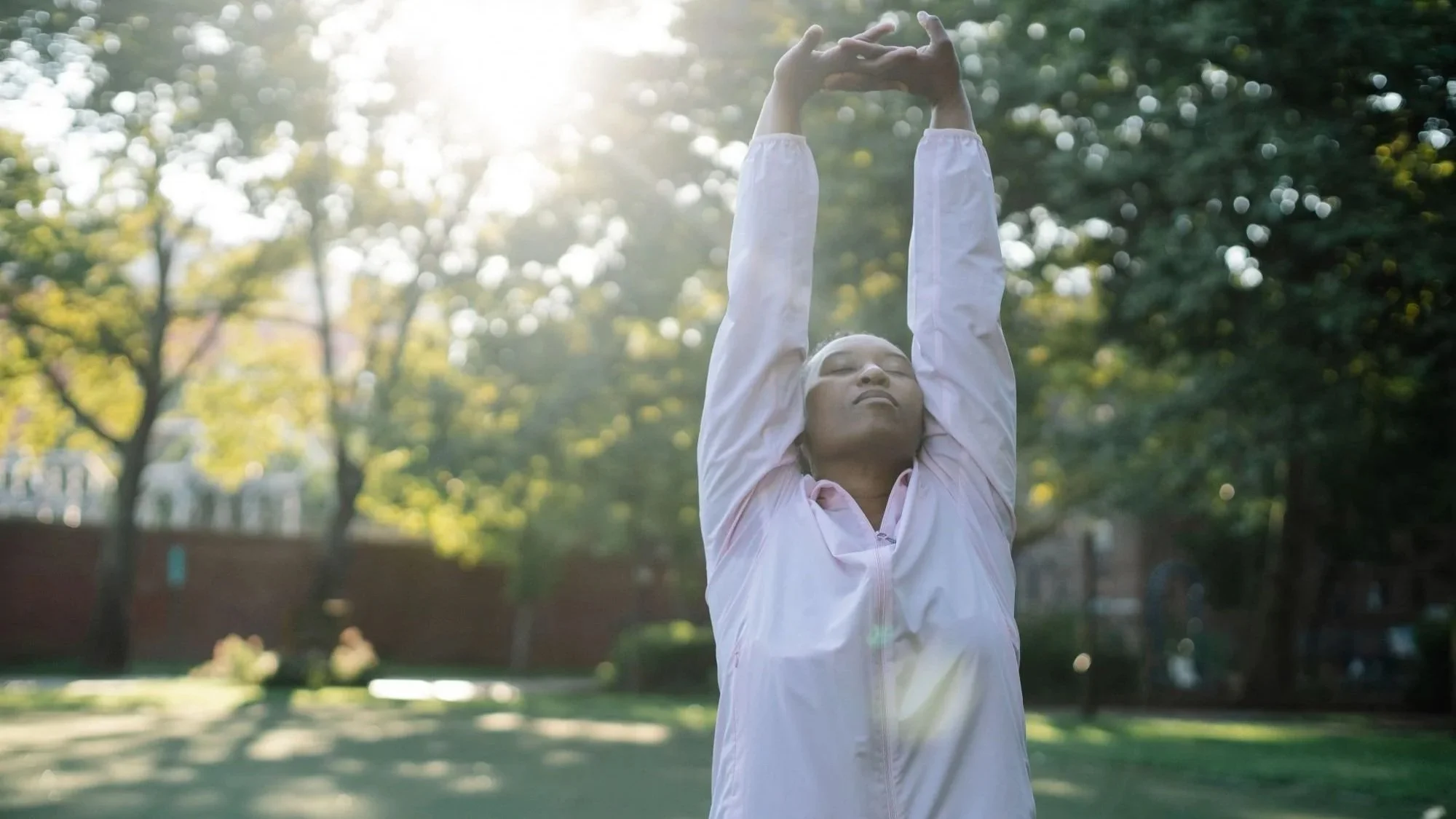
Can stretch therapy help with perimenopausal aches and pains? For many women, gentle, guided stretching can help ease the stiffness and muscle tension that often comes with perimenopause, by supporting joint mobility and easing tight muscles. It isn't a treatment for the hormonal cause behind the pain, and it isn't a substitute for speaking with your GP, but it can be a real, helpful, low-impact part of how you manage the physical side of this transition.
Why Perimenopause Causes Joint and Muscle Pain
During perimenopause, estrogen levels begin to decline and fluctuate in the years before menopause itself. Estrogen plays a real role in maintaining joint health, muscle mass and inflammation control throughout the body — so as levels drop, many women notice new or worsening stiffness, aches, and reduced flexibility, sometimes in joints and muscles that never gave them trouble before. Research from Harvard Medical School has pointed to this pattern being common enough that it's now recognised as its own condition, sometimes called musculoskeletal syndrome of menopause, affecting a large proportion of women during this life stage. It can involve widespread joint and muscle pain, stiffness, and fatigue, and it's a real, physiological symptom rather than something to dismiss.
What This Can Feel Like
Perimenopausal joint and muscle pain often shows up as:
• Morning stiffness that takes longer to ease than it used to
• Aches that seem to move between joints — hips one week, shoulders the next
• General muscle tightness without an obvious cause like exercise or injury
• Reduced flexibility compared to what felt normal previously
• Discomfort that improves somewhat with gentle movement
It's worth noting that not every ache during this life stage is hormone-related — new or worsening joint pain is always worth mentioning to your GP, partly to address it properly and partly to rule out other causes like osteoarthritis.
Why Movement Matters, Even When You're Achy
It can feel counterintuitive to move when you're already sore, but staying active, including strength work and flexibility training, is one of the more consistently recommended approaches for managing this kind of joint and muscle pain. Movement helps counter the muscle mass and joint mobility changes that come with declining oestrogen, and gentle stretching in particular can help ease stiffness without adding strain.
Where Stretch Therapy Fits In
Stretch therapy, another name for assisted stretching, is a hands-on, therapist-guided approach where a trained practitioner physically moves your body through a series of stretches, rather than you having to do the work yourself. This matters during perimenopause specifically, because fatigue is a common accompanying symptom, and self-directed exercise can be harder to motivate for on days you're already feeling worn down. A guided session doesn't require you to push through anything alone, you can relax into the movement while your therapist does the physical work.
Sessions can be tailored to whichever joints or muscles are giving you the most trouble that week, whether that's tight hips, aching shoulders, or general full-body stiffness.
A Note on What Stretch Therapy Isn't
It's worth being upfront: stretch therapy doesn't address the hormonal cause behind perimenopausal joint and muscle pain, and it isn't a substitute for a proper conversation with your GP, particularly if pain is significant, persistent, or new. Options like hormone therapy, and a physiotherapist's input for a tailored strengthening program, are part of the evidence-based toolkit for managing this symptom, and stretch therapy works best as a complementary, low-impact addition alongside appropriate medical care, not instead of it.
Getting Started
If perimenopause has left you feeling stiffer and less flexible than you used to be, a guided stretch therapy session is a gentle way to start addressing that physical tightness, on days when self-directed exercise feels like one more thing to manage. Book your stretch therapy session at StretchWell in Northcote and let someone else do the work for a change.
Frequently Asked Questions
Can stretching help with perimenopause joint pain?
For many women, gentle guided stretching can help ease stiffness and support joint mobility during perimenopause. It doesn't address the underlying hormonal cause, but it can be a helpful, low-impact part of managing the physical symptoms.
Why does perimenopause cause muscle and joint aches?
Declining and fluctuating oestrogen levels affect joint health, muscle mass and inflammation throughout the body, which is why many women notice new or worsening stiffness and aches during this life stage.
Should I see a doctor about perimenopausal joint pain?
Yes, it's worth discussing with your GP, both to properly manage the symptom and to rule out other causes such as osteoarthritis, especially if the pain is new, severe, or persistent.
Is stretch therapy the same as assisted stretching?
Yes, stretch therapy and assisted stretching are used interchangeably in the industry to describe hands-on, therapist-guided stretching sessions.
What else helps with perimenopausal stiffness besides stretching?
Staying generally active, including strength training, alongside speaking with your GP about options like hormone therapy, are commonly recommended approaches. Stretch therapy works well as a complementary addition to these, not a replacement.
Related Posts