Flexibility Coach vs Assisted Stretching: What’s the Difference?
If you've been searching for ways to improve your flexibility, you've probably come across both "flexibility coaching" and "assisted stretching" — and it's easy to assume they're basically the same thing. They're not, and understanding the difference matters for picking the right one for your goals.
What's the difference between a flexibility coach and assisted stretching? A flexibility coach designs a personalised exercise program and teaches you stretching and mobility techniques to perform yourself, typically over an ongoing coaching relationship. Assisted stretching is hands-on and therapist-guided — a trained practitioner physically moves your body through each stretch during the session, rather than you doing the work. Both aim to improve flexibility, but the experience, the effort required from you, and the kind of results each is best suited for are meaningfully different.
What Does a Flexibility Coach Actually Do?
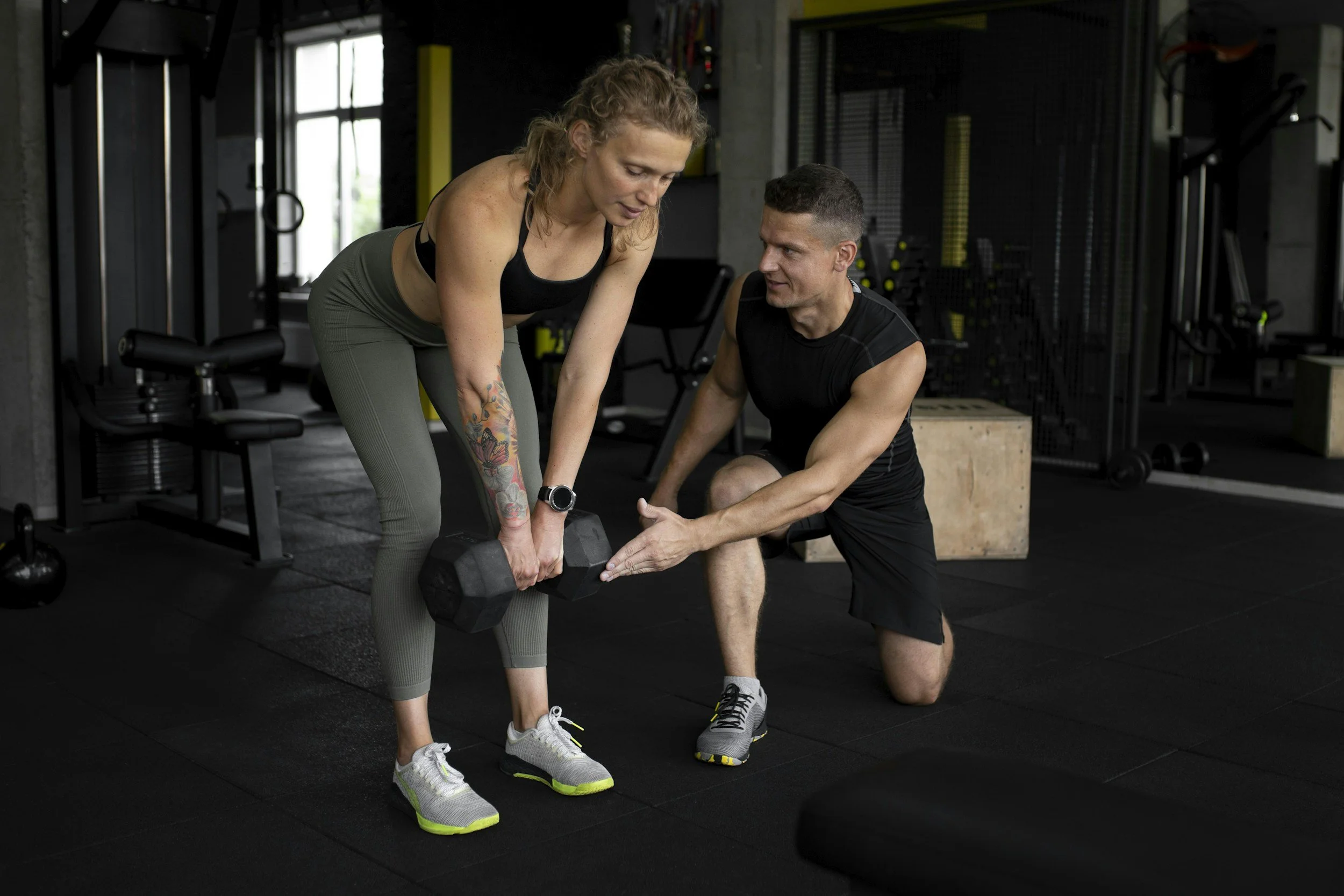
A flexibility coach is typically a fitness professional — often personal-training or exercise-science qualified — who works with you to build a structured flexibility and mobility program. This usually involves:
An initial assessment of your current range of motion and problem areas
A personalised program of stretches and mobility drills for you to perform, either during coached sessions or as homework between them
Ongoing coaching over weeks or months, refining the program as your flexibility improves
Education on technique, so you understand how and why each exercise works
The relationship is similar to personal training: the coach guides and teaches, but you're doing the physical work yourself, both in sessions and at home.
What Is Assisted Stretching?
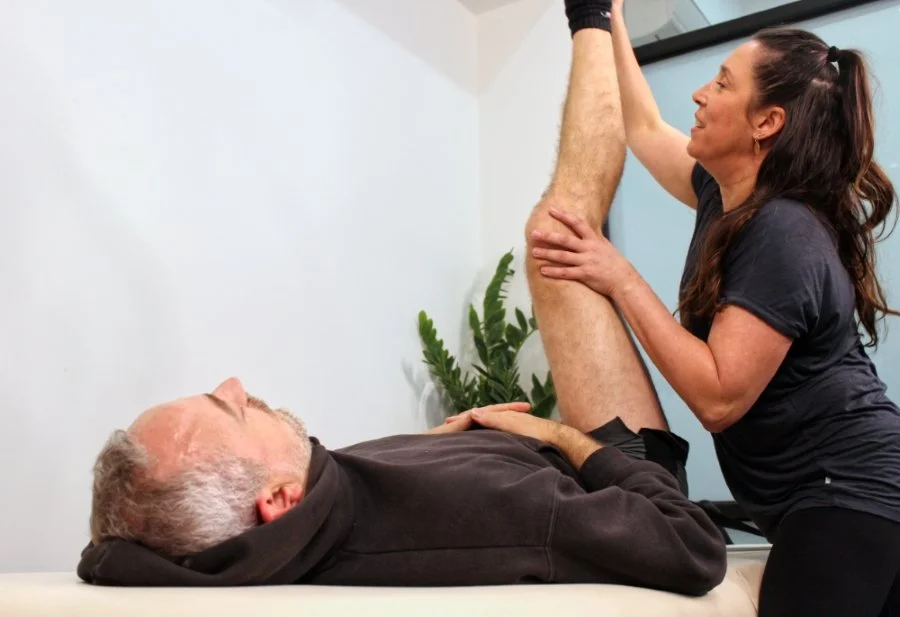
Assisted stretching works differently. Rather than teaching you exercises to perform, a trained therapist physically guides your body through a series of stretches during the session — supporting your limbs, controlling the depth and pacing, while you relax. There's no homework, no program to follow between sessions, and no exercises to remember. The therapist does the physical work; you simply let them.
Many practitioners, including StretchWell, use Proprioceptive Neuromuscular Facilitation (PNF) techniques — brief muscle contractions combined with assisted stretching — to help you reach a deeper release than self-directed stretching typically achieves.
The Key Differences at a Glance
| Flexibility Coach | Assisted Stretching | |
|---|---|---|
| Who does the physical work | You, guided by the coach | The therapist |
| Format | Program-based, often with homework | Single guided session |
| Relationship | Ongoing coaching over time | Standalone or recurring sessions |
| Best for | Building long-term self-management skills | Deep, hands-on release without homework |
| Effort required between sessions | Yes — following the program | None |
Which One Is Right for You?
A flexibility coach might suit you if:
You want to understand the "why" behind your flexibility limitations and learn to manage them yourself long-term
You're comfortable committing time to a program between sessions
You're working toward a specific performance goal that benefits from structured progression
Assisted stretching might suit you if:
You want meaningful results without homework or programming to follow
You're dealing with tightness that hasn't responded well to self-directed stretching
You want a therapist to properly relax you into a deeper stretch than you can achieve alone — since it's difficult to fully let go while also holding and controlling your own position
You'd rather spend your session time being stretched than being taught
Many people benefit from a mix of both — a flexibility coach's program for the exercises you do at home, and regular assisted stretching sessions for the deeper, hands-on release that's hard to replicate solo, particularly through areas like the hips and hamstrings that are difficult to isolate on your own.
Why Assisted Stretching Can Reach Further for Certain Tightness
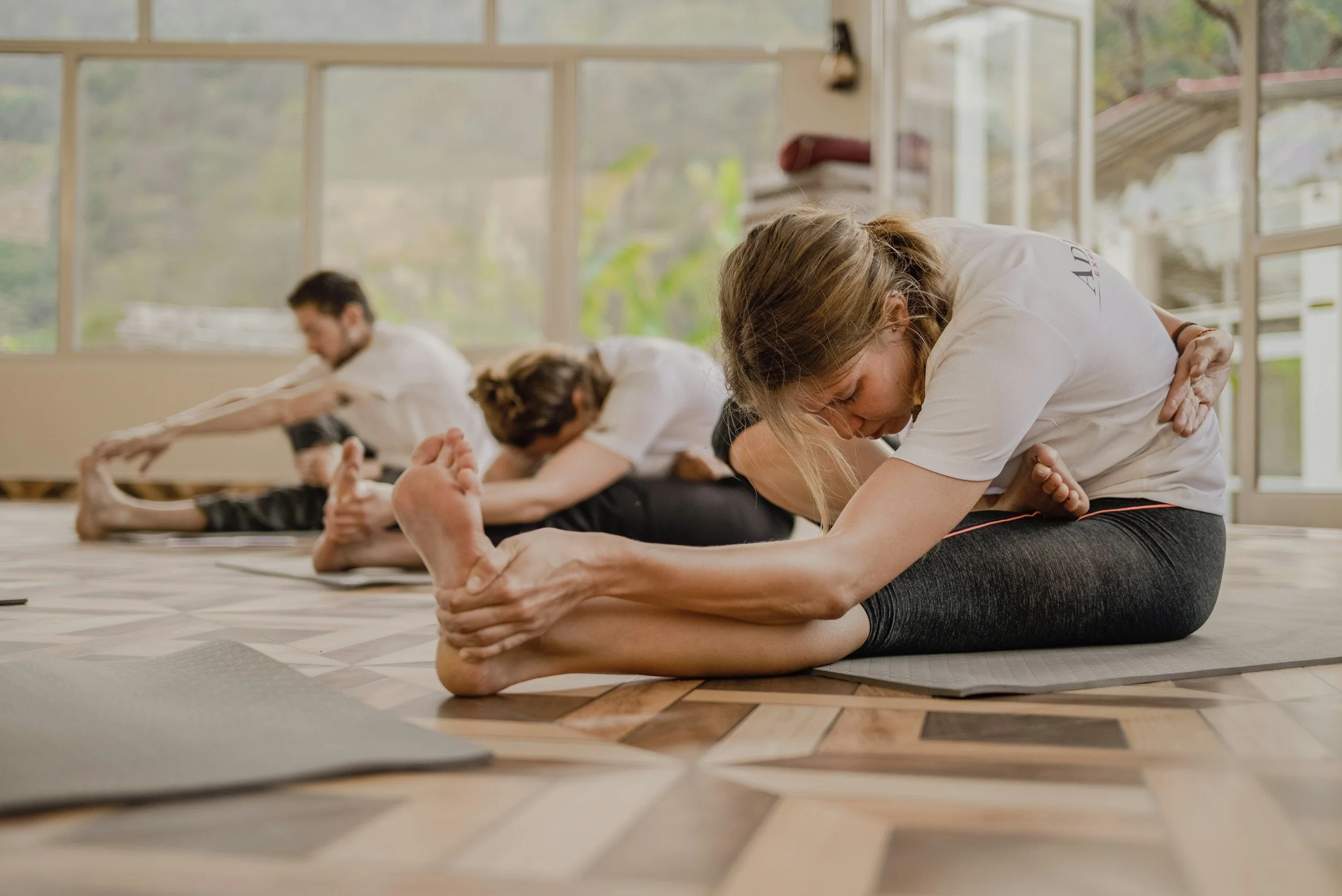
Self-performed stretching, whether from a coaching program or otherwise, has a real limitation: it's hard to fully relax into a stretch while you're also the one holding your position and controlling the movement. Your nervous system stays at least partly "on guard," which can cap how much range of motion you're able to access, no matter how well-designed the program is.
Assisted stretching removes that limitation. Because your therapist supports and controls the movement, you can properly relax, allowing your nervous system to permit a deeper, more complete stretch than most people achieve through self-directed work alone.
How StretchWell's Approach Compares
At StretchWell, every session is 1:1 and fully hands-on — you don't need any flexibility coaching background or existing program to benefit. Your therapist assesses where you're tight, works through those areas using guided, supported stretching, and adjusts the session to your body in real time. There's no homework required, though many clients find it complements a flexibility coaching program well if they're already following one.
Whether you're new to improving your flexibility or you've been working with a coach and want to add a deeper, hands-on component, an assisted stretching session is a straightforward way to see what your body's actually capable of when someone else is doing the work.
Ready to Feel the Difference?
If reading about flexibility coaching has you wondering what the hands-on alternative actually feels like, there's no better way to find out than trying a session.
Book an assisted stretching session at StretchWell in Northcote and experience guided stretching for yourself.
FAQs
Is a flexibility coach the same as assisted stretching? No. A flexibility coach designs a program of exercises for you to perform yourself, often over an ongoing relationship. Assisted stretching is hands-on — a therapist physically guides your body through each stretch during the session.
Can I use a flexibility coach and assisted stretching together? Yes. Many people use a coach's program for regular self-directed practice, and assisted stretching sessions for a deeper release in areas that are hard to reach or fully relax into alone.
Which is better for tight hips and hamstrings? Both can help, but assisted stretching often reaches deeper for these areas specifically, since they're difficult to isolate and fully relax into without someone else supporting the stretch.
Do I need any flexibility experience to try assisted stretching? No — sessions are tailored to your current range of motion, whatever that looks like, with no program or prior coaching required.
Is assisted stretching a substitute for a flexibility coach? It depends on your goals. If you want to build long-term self-management skills and understand your own programming, a coach adds real value. If you want direct, hands-on results without homework, assisted stretching may suit you better on its own.
Related Posts