Flexibility vs Strength: Why You Need Both
If you've ever wondered whether you should be spending your limited training time on flexibility or strength, you're asking a fair, reasonable question — and the honest answer isn't "pick one." The research increasingly points to these two being complementary, not competing, priorities.
Is flexibility or strength training more important? Neither one on its own does the full job. Strength training builds the muscle and joint stability that actually reduces injury risk, while flexibility training supports the range of motion needed to move well and train effectively. Research has found that stretching alone shows little to no measurable effect on injury prevention, while combining flexibility work with strength training produces better movement outcomes than either approach alone.
What the Research Actually Says
Strength Training Is the Bigger Injury-Prevention Factor
A large review examining over 26,000 participants and around 3,500 injuries found that improved strength reduced injury risk by close to 70%, and better balance reduced it by 35% — while stretching, regardless of type, showed no significant protective effect on its own. This is worth knowing honestly: if injury prevention is your main goal, strength and balance training do more of that heavy lifting than stretching alone.
Too Much Flexibility Without Strength Can Be a Problem
Somewhat counterintuitively, research also points to excess flexibility without the strength to control it as its own risk factor — a joint that moves further than the surrounding muscles can stabilise is actually less safe, not more. This is part of why "just get more flexible" isn't actually the safest goal in isolation.
Strength Training Can Improve Flexibility Too
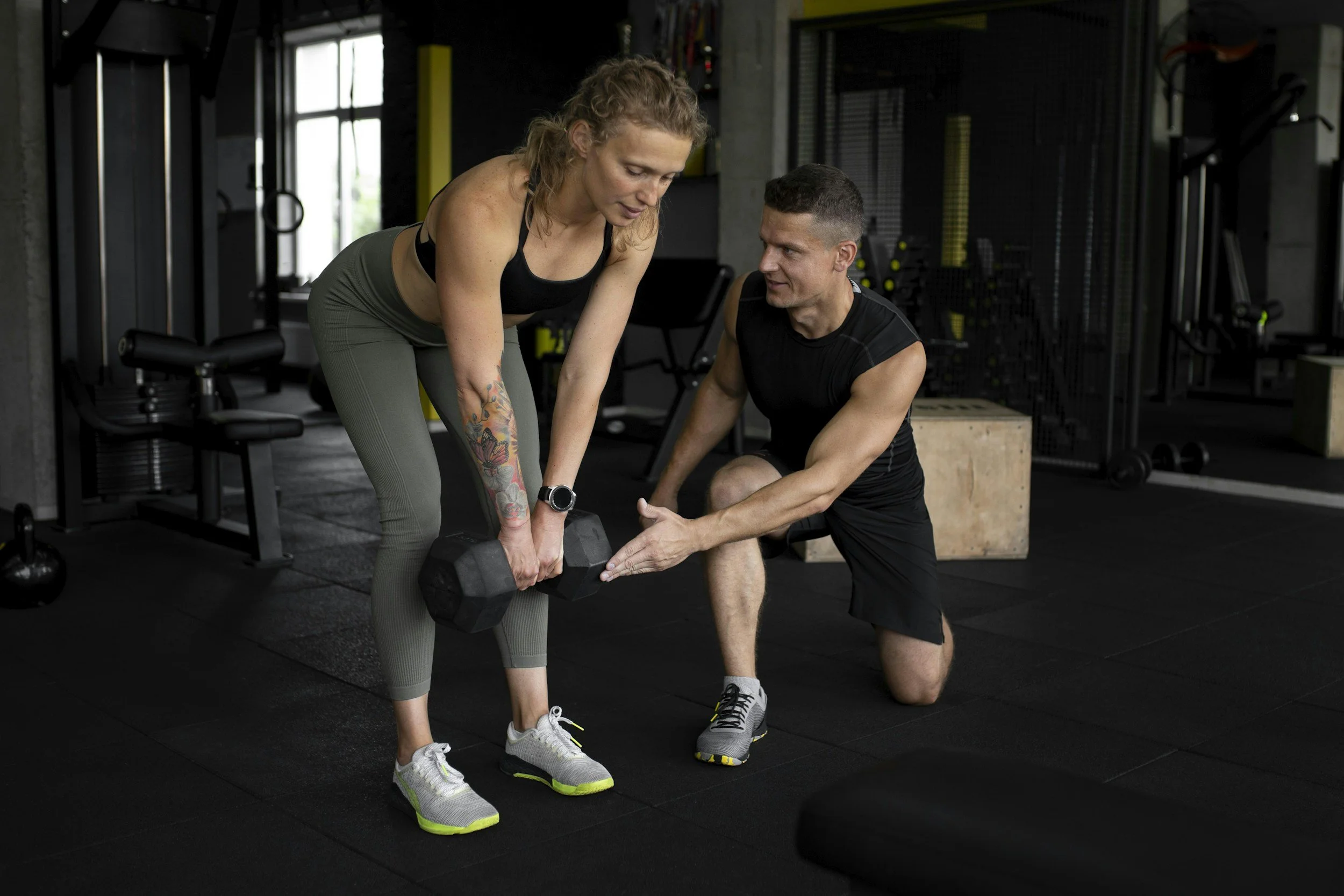
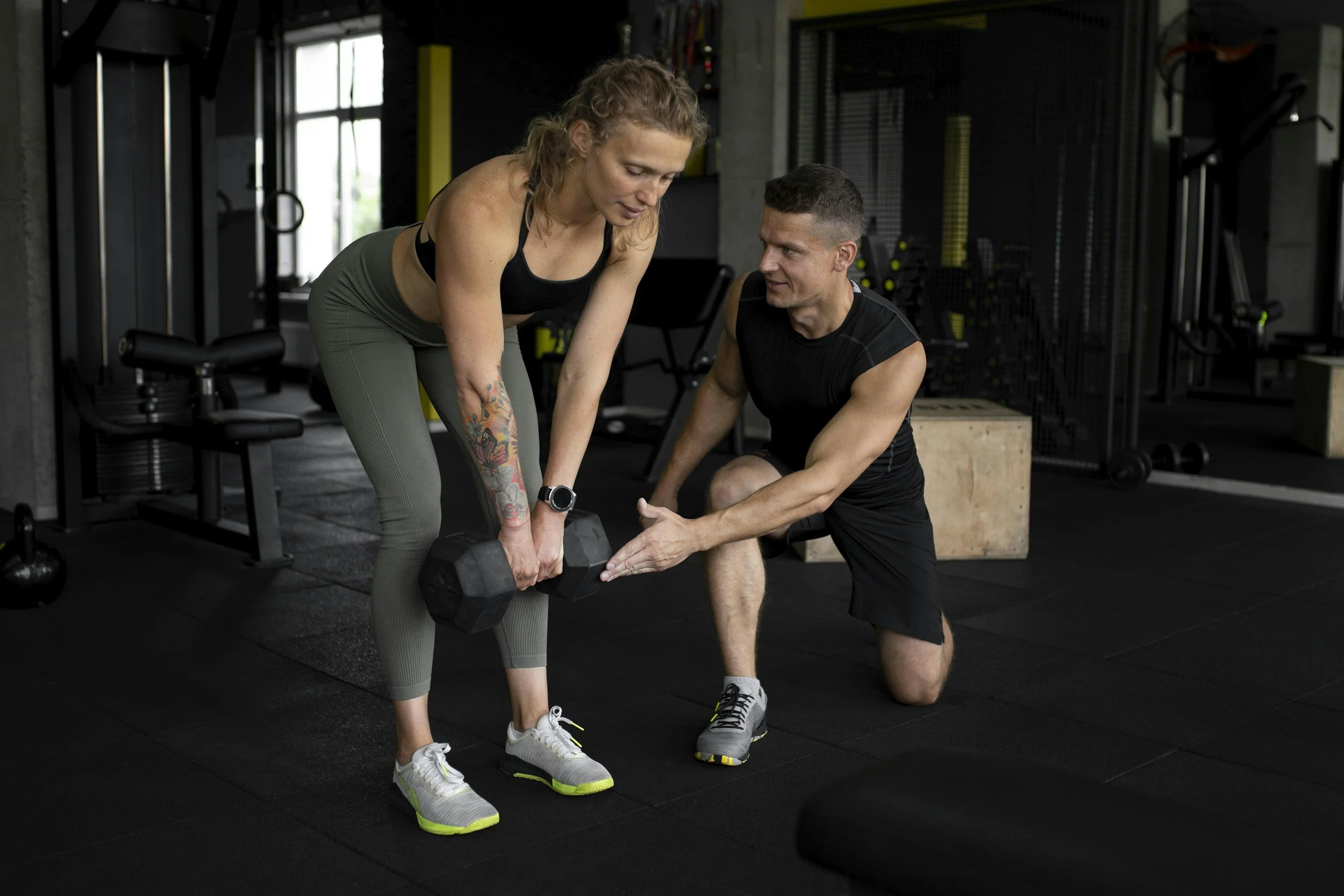
Several studies have found that properly performed resistance training — particularly through a full range of motion — produces flexibility improvements comparable to traditional stretching. Strength and flexibility aren't as separate as they're often treated; building one can really support the other.
Flexibility Supports Better Strength Training
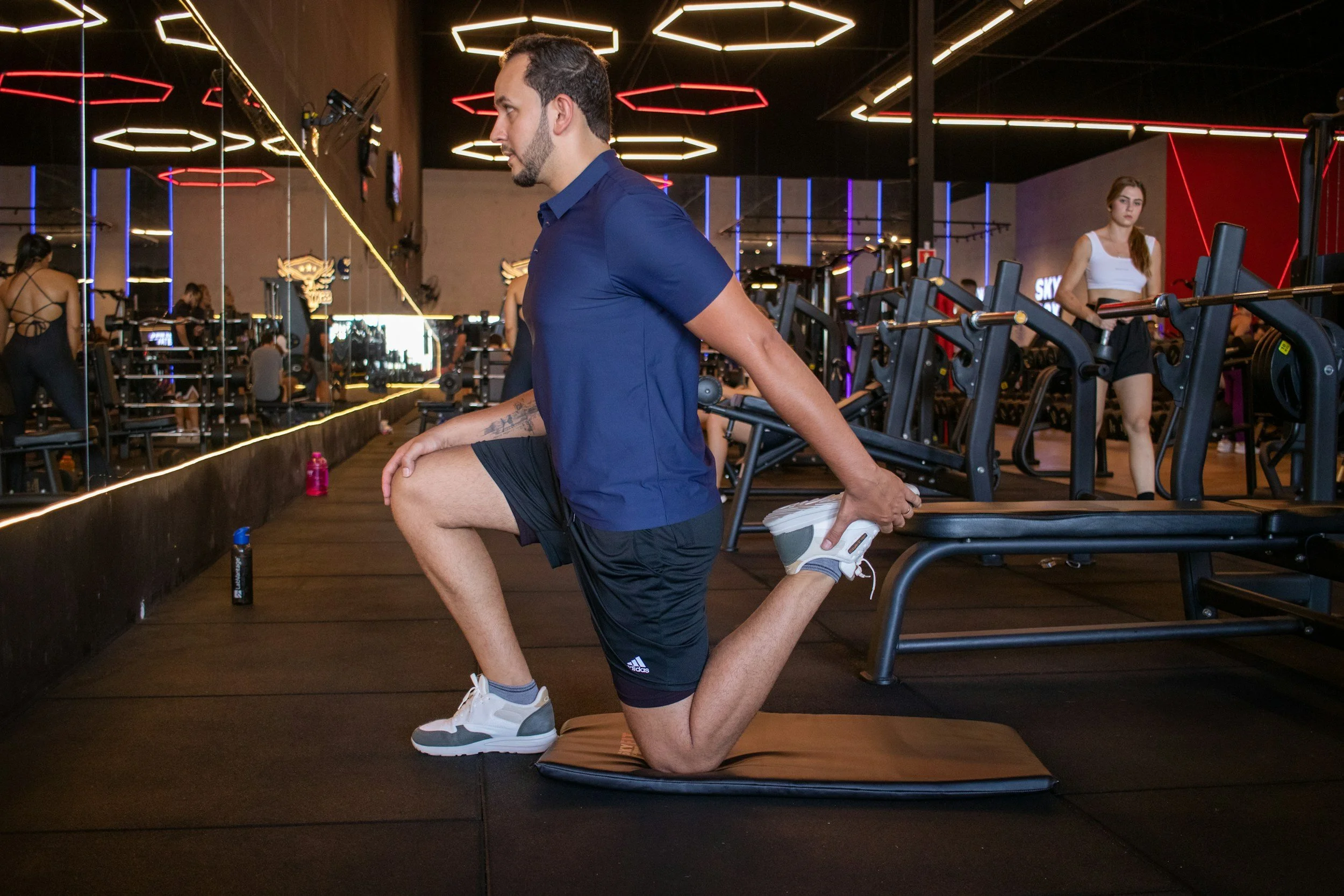
The relationship runs the other way too. Better flexibility allows you to access a fuller range of motion during strength exercises, supporting better technique and more effective training — a tight hip or ankle can limit how deep you squat, regardless of how strong you are.
Why This Matters for How You Train
Given all of this, the useful conclusion isn't "strength beats flexibility" or vice versa — it's that treating them as separate, competing priorities misses how much they support each other. A few practical takeaways:
For general health: prioritise strength training for its broader benefits (injury risk reduction, functional capacity, bone and joint health), and include regular flexibility work to support comfort, posture and range of motion.
For athletes and active people: you actually need both. Strength supports performance and injury resilience; flexibility work, tailored to your specific sport or activity, supports the range of motion your training actually requires.
For older adults: strength training becomes increasingly important for maintaining independence and function, with flexibility work supporting joint health and everyday mobility alongside it.
Why Flexibility Still Matters, Even With This Research
None of this means flexibility work is pointless — it means its role is more specific than "prevents all injuries." Good flexibility supports:
Better range of motion for strength training itself, letting you train through a fuller, more effective range
Everyday comfort and reduced stiffness, particularly for anyone managing a desk-based week
Recovery and how your body feels between training sessions
Movement quality and posture, which affect how efficiently and comfortably you move day to day
The honest summary: flexibility isn't the primary injury-prevention tool research once assumed it was, but it remains a real, valuable part of how well you move and train — just not a substitute for strength work.
Where Assisted Stretching Fits Into a Strength-Focused Routine
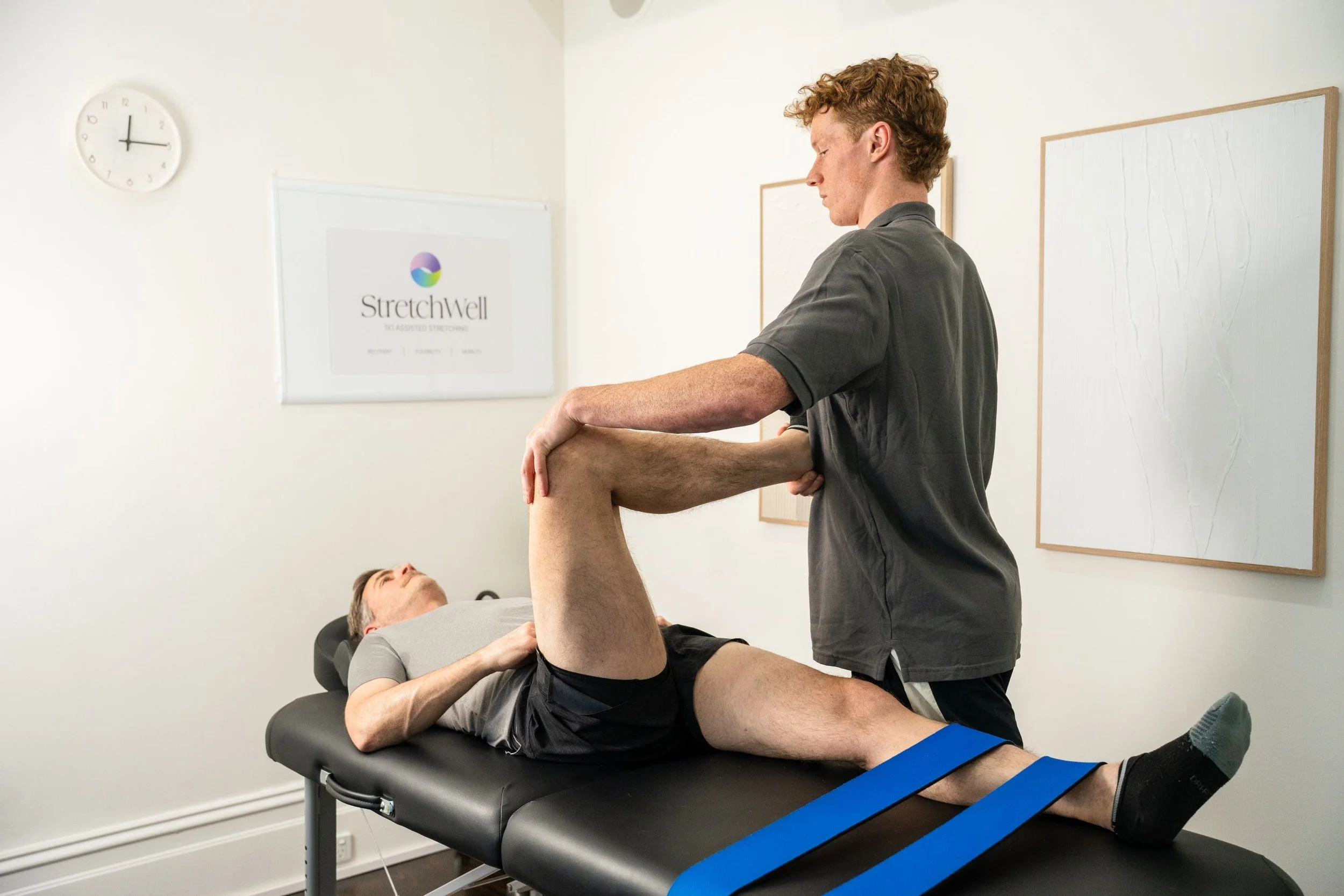
If you're already prioritising strength training (as the research suggests you should), assisted stretching is a strong complement rather than a competing priority. Regular sessions can help address the tightness that builds up from consistent training — particularly through the hips, hamstrings and shoulders — supporting the range of motion your strength work benefits from, without taking away from your training time the way a long personal stretching routine might.
Because a therapist controls the depth and pacing of each stretch, sessions can also reach a deeper release than most people manage in a rushed five-minute stretch after a workout, making the time you do spend on flexibility more effective.
Getting the Balance Right
If you've been treating flexibility and strength as an either/or choice, the research suggests a different approach: build strength as your foundation for injury resilience and function, and support it with regular flexibility work — through your own stretching, and through assisted stretching sessions for a deeper release than solo stretching typically achieves.
Book an assisted stretching session at StretchWell in Northcote and make flexibility work alongside your strength training, not instead of it.
FAQs
Is flexibility or strength training more important for injury prevention? Research points to strength and balance training having a much stronger injury-prevention effect than stretching alone, which has shown little to no measurable effect on injury reduction in large studies.
Can strength training improve my flexibility? Yes — properly performed resistance training through a full range of motion has been shown to produce flexibility improvements comparable to traditional stretching in several studies.
Is it bad to be very flexible without much strength? It can be. Excess flexibility without the strength to control and stabilise that range of motion is considered its own risk factor, rather than something purely protective.
Should I stop stretching if strength training is more important for injury prevention? No — flexibility still supports range of motion for strength training itself, everyday comfort, recovery and movement quality. It's just not a substitute for strength and balance training when it comes to injury prevention specifically.
How does assisted stretching fit alongside a strength training routine? It complements it well — regular sessions help manage the tightness that builds up from consistent training, supporting the range of motion your strength work benefits from, without needing to build a long stretching routine into your own training time.
Related Posts