Why More Men Are Trying Assisted Stretching
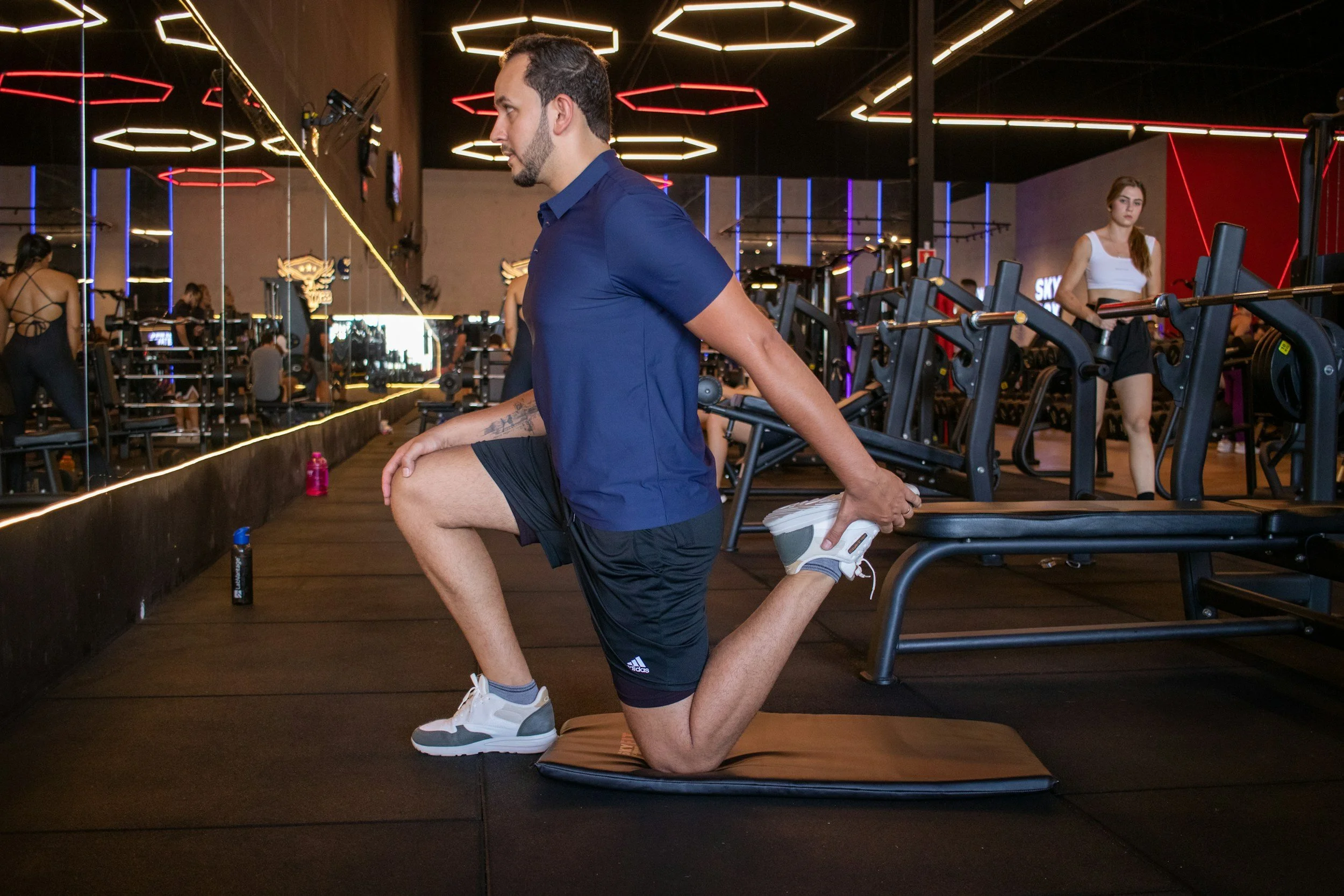
For a long time, stretching has had a bit of an image problem with men. It's the thing you did for two minutes before footy training because the coach made you, not something you'd actually plan your week around. Pilates, yoga, dance — anything built around flexibility tended to get filed under "not really for me" by a lot of guys, even ones who trained hard in every other way. That's shifting, and it's worth understanding why.
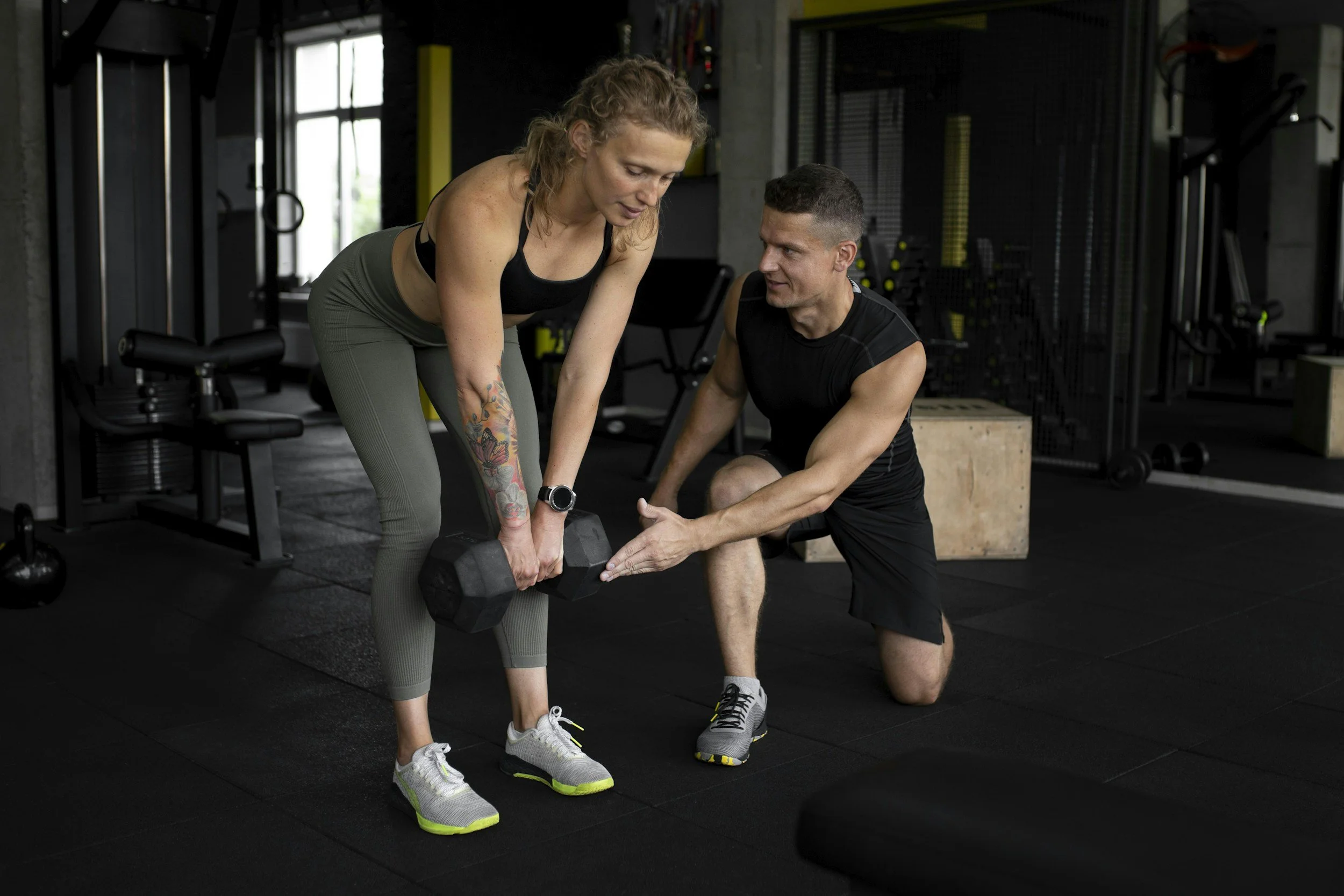
Part of it is simply physiological. Men, on average, are less flexible than women — a mix of hormones, connective tissue differences, and, honestly, lifestyle. Women are statistically far more likely to do the kind of training that involves lengthening muscles — yoga, Pilates, dance. Men are more likely to chase hypertrophy: lifting for size and strength, which, done without any complementary stretching, tends to leave muscles shorter and stiffer over time. Put simply, a lot of men have spent years building strength on top of a body that's getting tighter, not looser, and never really addressed it.
There's also a cultural piece that's harder to measure but just as real. Stretching got coded as soft somewhere along the way — the opposite of the "no pain, no gain" mentality that's dominated men's fitness for decades. Admitting you're tight, or that you want to work on flexibility specifically, doesn't fit as neatly into that story as showing up to lift heavier every week.
What's Actually Changing
A few things are pulling men toward flexibility and mobility work now, and none of them are really about flexibility for its own sake.
The first is Hyrox and hybrid training. Events combining running with strength stations have exploded in popularity, and they expose tightness in a way a straightforward gym program doesn't — you can't sled push or lunge your way through a race with locked-up hips and expect a good time. Guys training for events like this are discovering, often for the first time, that their mobility is actually holding back their performance, not just their comfort.
The second is simply getting older. A lot of men in their thirties and forties who've trained hard for years start noticing their bodies don't move the way they used to, and mobility becomes less of an abstract idea and more of a practical problem — the kind that shows up as a tight hip flexor making a deadlift feel wrong, or a shoulder that won't fully extend overhead anymore.
The third is that the broader fitness industry has caught up. Mobility and movement quality are being talked about now the way strength training was a decade ago — not as an optional add-on, but as something that determines how far you can push everything else. When that message comes from strength coaches and performance-focused content rather than a yoga studio, it tends to land differently with men who'd have dismissed the same advice five years ago.
Where Assisted Stretching Fits Into This
If you've never done any kind of dedicated flexibility work, the idea of starting with a class — following along, holding poses, comparing yourself to everyone else in the room — is exactly the kind of thing that keeps a lot of men away in the first place.
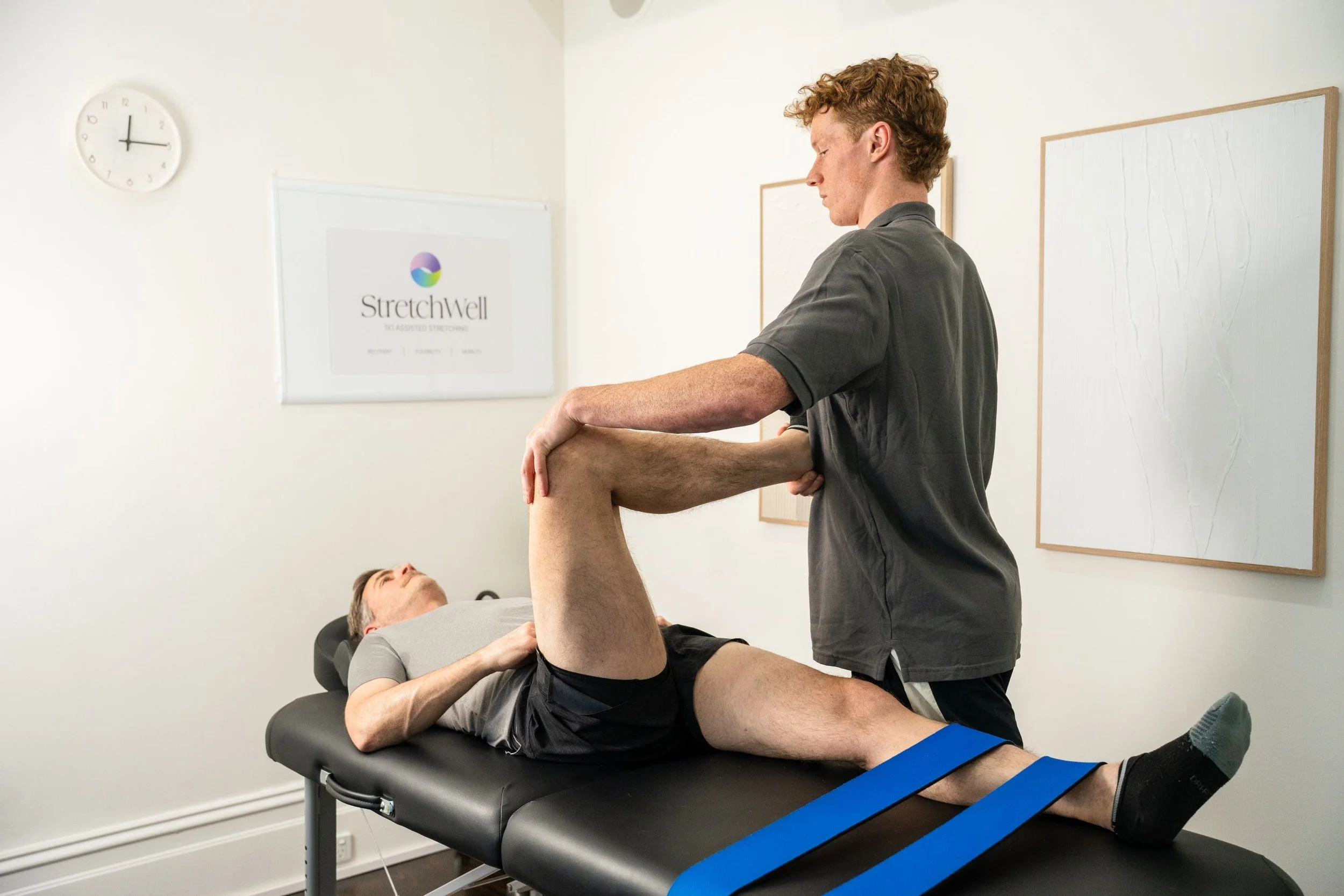
Assisted stretching sidesteps most of that. There's no class, no poses to learn, nothing to compare yourself against. A therapist guides your body through the stretch while you relax, which means the usual barrier of "I'm too tight to do this properly" doesn't really apply — the whole point is that you don't have to be flexible to start.
It also tends to reach areas self-directed stretching really struggles with, particularly for anyone who's built a lot of muscle in a specific pattern. Hips, shoulders and hamstrings that have tightened up around years of lifting respond well to a guided, controlled stretch in a way that a rushed few minutes on the gym floor rarely achieves.
A Few Honest Questions Men Ask Before Their First Session
Do I need to already be flexible to try this? No — if anything, the opposite. Most first-time clients are tight, not flexible, and that's exactly who the sessions are built for.
Is this just stretching, or is there more to it? Sessions often use PNF (a technique combining brief muscle contractions with the stretch itself) to get a deeper release than static holding alone, so there's more going on than it might look like from the outside.
Will it actually help my training, or is it just recovery? Both, depending on what you need. For a lot of guys training for Hyrox, strength sport, or just lifting consistently, addressing tight hips or shoulders directly improves how those lifts and movements feel, not just how they feel afterward.
Worth Trying, Whatever Got You Here
Whether it's a Hyrox race exposing tight hips, a shoulder that doesn't move the way it used to, or just deciding it's finally time to deal with years of lifting without stretching, there's no wrong reason to start.
Book an assisted stretching session at StretchWell in Northcote and see what changes when someone else does the guiding.
Related Posts